.webp&w=384&q=75)

Loading, please wait...
Loading, please wait...

Establishing a strong language foundation during early childhood is absolutely essential for learning and social equity. Specifically, the first three years of life are impactful because rapid brain development makes children highly receptive to input. Consequently, utilizing early bilingual development technology can address early linguistic disparities effectively. Furthermore, early gaps often increase the risk of academic difficulties later in life. Therefore, clinicians must prioritize language-focused guidance during neonatal encounters.
Although neonatal clinicians often face limited time in high-acuity settings, they recognize the value of digital tools. Specifically, they identified the Háblame Bebé app as a resource for providing culturally relevant guidance. Moreover, this technology strengthens communication with families while supporting bilingual growth. Since early child development is a core component of health, early bilingual development technology helps clinicians promote equitable outcomes. Additionally, the app provides a scalable way to deliver parent coaching.
Furthermore, researchers conducted focus groups to gather perspectives on milestones and bilingual growth. While resource constraints exist, the feedback remained overwhelmingly positive. For instance, clinicians noted that the app helps parents track developmental progress easily. Consequently, this fosters sociolinguistic pride among Hispanic families. Eventually, such interventions can close the opportunity gap for low-income communities. Therefore, health systems should integrate these tools into routine pediatric care.
No, dual language input does not confuse children or cause permanent delays. Instead, bilingualism offers cognitive advantages like improved executive function and better problem-solving skills.
The app provides culturally grounded videos, milestone checklists, and tools to track vocabulary. Additionally, it encourages parents to use their home language, which supports healthy brain development.
Yes, neonatal clinicians find that app-based tools provide a quick and effective way to offer guidance. Therefore, families receive essential information even when clinical bedside time is limited.
Disclaimer: This content is for informational and educational purposes only. It does not constitute professional medical advice, diagnosis, or treatment. Always seek the advice of your physician or other qualified health provider with any questions you may have regarding a medical condition. Refer to the latest local and national guidelines for clinical practice.
References

Read summarized clinical updates, watch expert medical content, and earn CME certifications right from your smartphone.
Open your smartphone camera to scan and install.





Neonatal clinicians identify the Háblame Bebé app as a crucial tool for supporting early bilingual development and health equity in multilingual families....
7 months ago

Following regulatory scrutiny from FSSAI regarding promotional representations and lean muscle preservation claims, Dr. Reddy's Laboratories and Nestlé Health Science are currently reviewing the branding and marketing strategy for their joint nutritional supplement Celevida GLP+.
Today
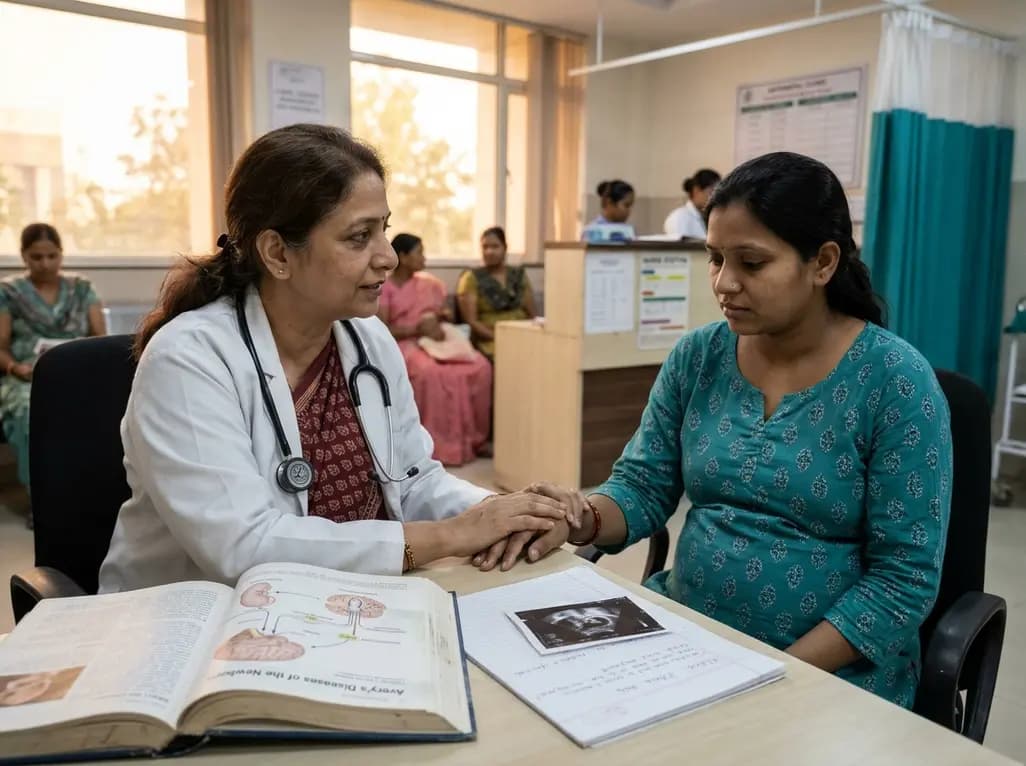
A comprehensive scoping review synthesises evidence linking prenatal maternal mental health to long-term offspring neurodevelopment, evaluating neuroendocrine, inflammatory, and epigenetic pathways while highlighting clinical screening and future research priorities.
Today

The Directorate General of Health Services directs Indian states to halt the hazardous reuse and reprocessing of single-use medical devices. Discover regulatory implications under the Drugs and Cosmetics Act, critical infection risks, legal liabilities, and operational changes required across clinical specialties.
Today
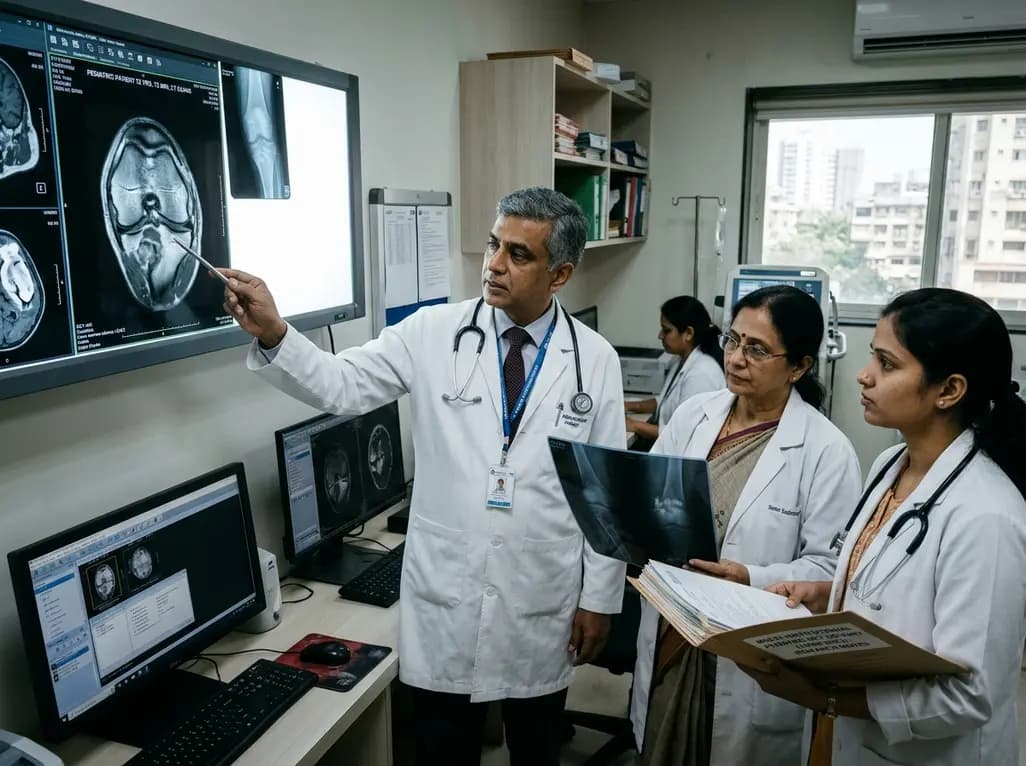
A 25-year multi-institutional cohort reveals high recurrence rates in pediatric giant cell tumor of bone, particularly in patients with open physes and bone marrow edema on preoperative MRI. Early surveillance and careful balance between growth plate preservation and tumor clearance are essential.
Today

India is advancing preventive healthcare by integrating genomics, artificial intelligence, and quantum technologies. With the SANGAM programme sequencing one million Indian genomes, clinicians can unlock personalized therapies, detect cardiometabolic risks early, and curb the burden of diabetes and heart disease.
Today
