

Loading, please wait...
Loading, please wait...
EDCs are frequently found in plastics (BPA/phthalates), pesticides, certain cosmetics, and industrial by-products that contaminate food and water sources.
E-learning modules offer interactive and flexible training that can be completed during busy rotations, leading to better knowledge retention and clinical application.
These chemicals interfere with hormone signaling, which can result in reproductive issues, developmental delays, and metabolic diseases like obesity and diabetes.
Disclaimer: This content is for informational and educational purposes only. It does not constitute medical advice or establish a doctor-patient relationship. Always seek the advice of a qualified healthcare provider for medical concerns. Refer to the latest local and national guidelines for clinical practice.
References
1. Diallo M et al. Efficacy of an e-Learning Module on Endocrine Disruptors for Family Medicine Residents: Matched Before-And-After Cohort Study. JMIR Form Res. 2026 May 28. doi: 10.2196/89880. PMID: 42207575.
2. Priya G, et al. Endocrine Society of India's National White Paper on Endocrine Disrupting Chemicals – A Call for Action. Indian Journal of Endocrinology and Metabolism. 2026;30(1):4-15.
3. Sharma BM, et al. Unlocking India's Potential in Managing Endocrine-Disrupting Chemicals (EDCs): Importance, Challenges, and Opportunities. Exposure and Health. 2022;14:1-15.

Read summarized clinical updates, watch expert medical content, and earn CME certifications right from your smartphone.
Open your smartphone camera to scan and install.





A study shows that an interactive e-learning module significantly improves family medicine residents' knowledge and counseling behaviors regarding endocrine...
4 months ago
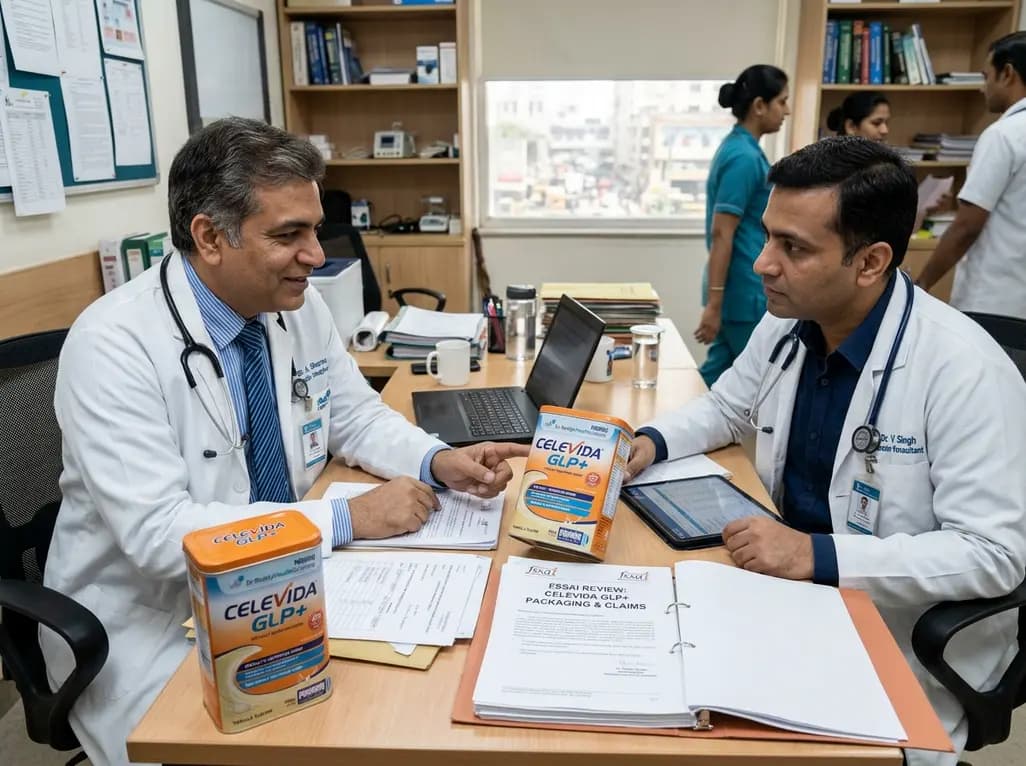
Following regulatory scrutiny from FSSAI regarding promotional representations and lean muscle preservation claims, Dr. Reddy's Laboratories and Nestlé Health Science are currently reviewing the branding and marketing strategy for their joint nutritional supplement Celevida GLP+.
Today
A comprehensive scoping review synthesises evidence linking prenatal maternal mental health to long-term offspring neurodevelopment, evaluating neuroendocrine, inflammatory, and epigenetic pathways while highlighting clinical screening and future research priorities.
Today
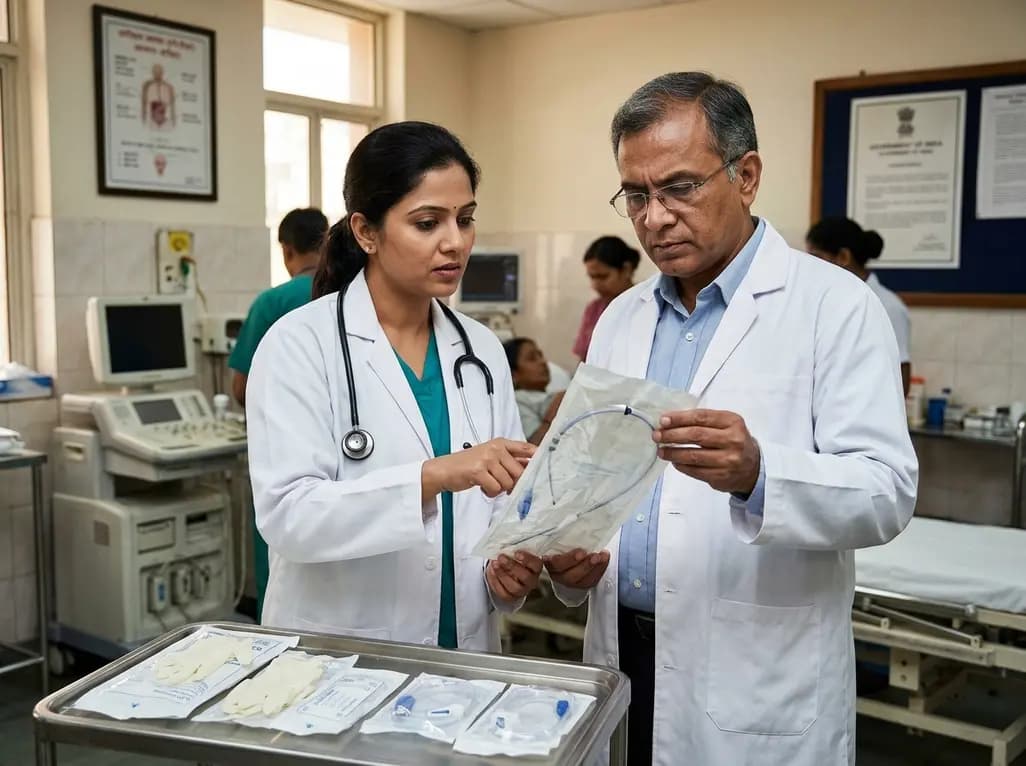
The Directorate General of Health Services directs Indian states to halt the hazardous reuse and reprocessing of single-use medical devices. Discover regulatory implications under the Drugs and Cosmetics Act, critical infection risks, legal liabilities, and operational changes required across clinical specialties.
Today
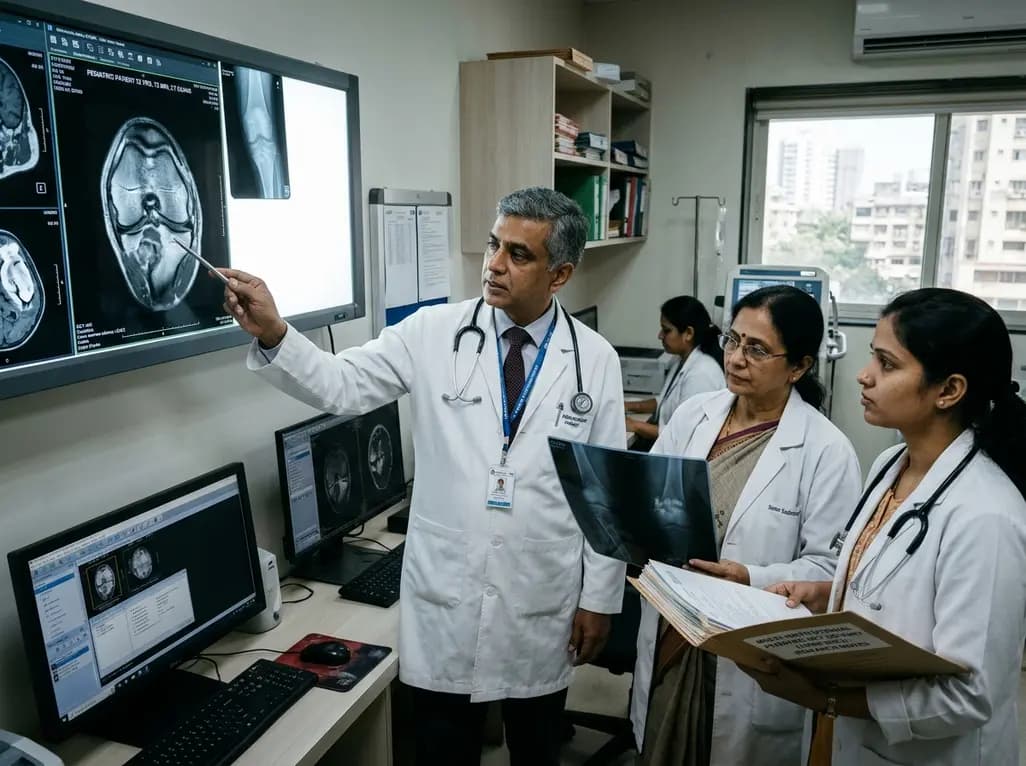
A 25-year multi-institutional cohort reveals high recurrence rates in pediatric giant cell tumor of bone, particularly in patients with open physes and bone marrow edema on preoperative MRI. Early surveillance and careful balance between growth plate preservation and tumor clearance are essential.
Today
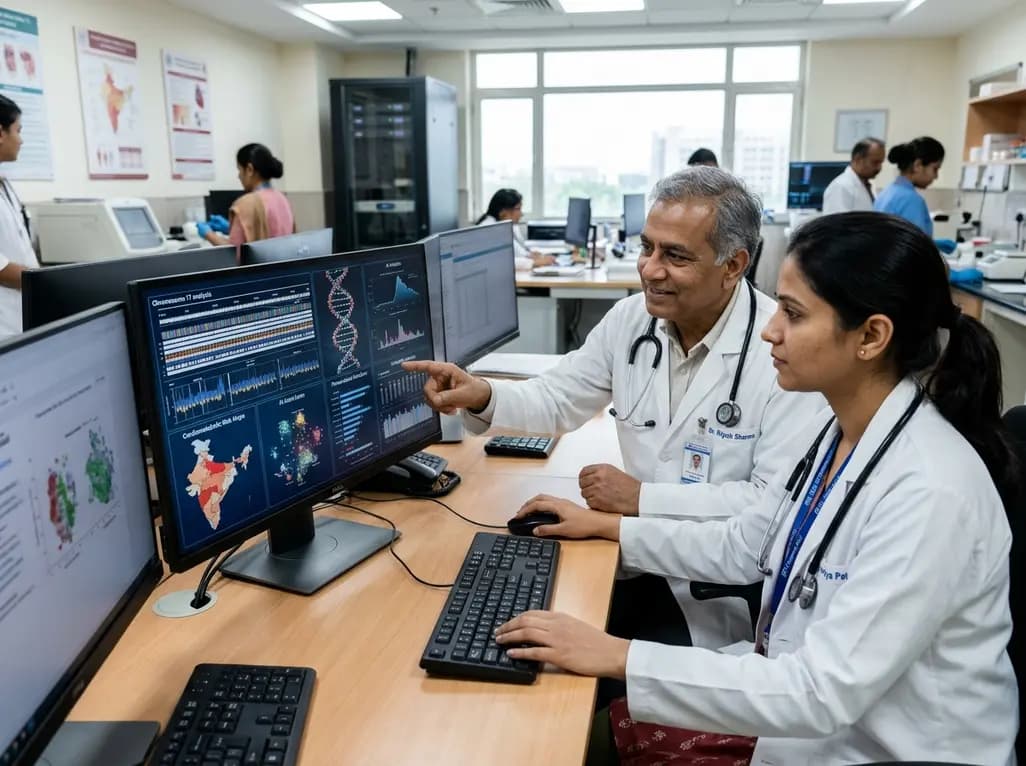
India is advancing preventive healthcare by integrating genomics, artificial intelligence, and quantum technologies. With the SANGAM programme sequencing one million Indian genomes, clinicians can unlock personalized therapies, detect cardiometabolic risks early, and curb the burden of diabetes and heart disease.
Today
