.webp&w=384&q=75)

Loading, please wait...
Loading, please wait...
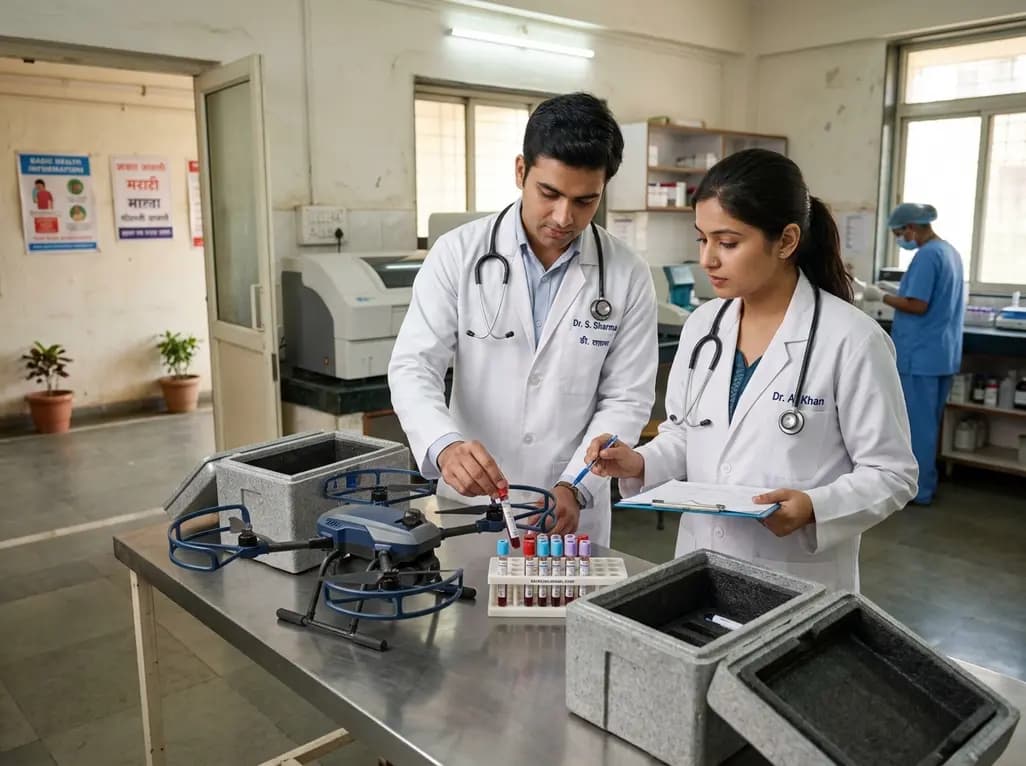
Modern medical logistics increasingly relies on autonomous aerial systems to overcome geographical barriers and accelerate acute clinical decision-making. In isolated island regions and remote rural areas, timely diagnostic courier services often encounter severe logistical bottlenecks. Consequently, investigators have turned to unmanned aerial vehicles to expedite specimen delivery between peripheral collection posts and central processing facilities. A landmark clinical validation study confirmed that drone transport blood samples maintain robust biological integrity across diverse environmental seasons. Specifically, clinicians frequently question whether flight acceleration and airborne vibrations distort sensitive hematological and chemical measurements. However, recent empirical data offer robust reassurance for health systems considering routine aerial medical routes. Therefore, by evaluating preanalytical variables under real-world flight operations, pathologists can confidently integrate autonomous aerial transit into routine clinical laboratory workflows.
Preanalytical stability represents the foundation of dependable laboratory diagnostics. Therefore, investigators designed a prospective trial comparing blood specimens under three distinct handling environments. The research team collected parallel blood samples from healthy adult volunteers during cold winter conditions in February and warm summer weather in August. In total, nineteen autonomous flights took place, averaging thirty-six minutes of aerial transit per flight. To establish rigorous comparisons, the researchers divided each volunteer's blood into three matched cohorts. The first cohort flew via fixed-wing unmanned aircraft across designated flight corridors. Meanwhile, the second cohort traveled via conventional road couriers through typical vehicular traffic. Finally, the third cohort remained stationary within the controlled hospital laboratory environment as a baseline control. Notably, this multi-seasonal protocol exposed the specimens to pronounced temperature variations and atmospheric changes. Pathologists systematically analyzed thirty-two routine biochemical parameters across all sample groups upon arrival. Ultimately, this rigorous environmental testing provided definitive empirical evidence regarding airborne specimen stability.
The analytical evaluations revealed extraordinary consistency across almost every measured analyte. Specifically, thirty-one of the thirty-two investigated biochemical markers showed no statistically significant or clinically meaningful alterations after aerial flight. Standard markers such as creatinine, urea, electrolytes, alanine aminotransferase, and bilirubin preserved remarkable stability throughout transit. However, researchers observed a significant elevation in plasma lactate dehydrogenase concentrations following drone transit. This increase occurred in tubes both with and without polymeric separator gel. Interestingly, road transportation also triggered elevated lactate dehydrogenase levels during the warmer August flights in ungelled collection tubes. Thus, mechanical agitation and elevated ambient temperatures interact synergistically to destabilize fragile cellular membranes. Lactate dehydrogenase serves as an exceptionally sensitive surrogate marker for early cellular disruption. Because erythrocytes contain abundant intracellular enzymes, minimal cellular mechanical stress liberates detectable quantities into surrounding plasma. Consequently, clinicians can trust the overwhelming majority of diagnostic test results derived from aerial specimens.
While transit vibration attracts significant clinical attention, tube composition often introduces far greater preanalytical variability. In this trial, researchers discovered that the presence of separation barrier gel itself induced substantial analytical shifts. Specifically, uncentrifuged tubes containing separation gel exhibited significantly higher hemolysis index values across study arms. Moreover, gel contact led to marked elevations in measured lactate dehydrogenase, serum potassium, and inorganic phosphate concentrations. For both potassium and phosphate, these gel-induced changes exceeded strict clinical laboratory acceptance limits. In fact, the preanalytical distortion caused by separation gel surpassed the minor effects observed from aerial drone transit or road vehicular transport. Pathologists attribute this phenomenon to prolonged cellular contact with the gel surface before centrifugation. Consequently, the choice of collection tube may influence test reliability far more than aerial flight vibrations. Diagnostic facilities must therefore standardize tube types and optimize centrifugation timing at peripheral collection sites.
Unmanned aerial vehicles generate unique vibrational frequencies, rapid acceleration, and sudden altitude shifts during standard flight. Consequently, biomedical engineers and pathologists must scrutinize how these physical forces interact with unseparated whole blood. Prolonged exposure to high-frequency motor vibrations can induce subclinical hemolysis if packaging lacks appropriate dampening materials. In this investigation, insulated and secure transport boxes effectively mitigated excessive physical shocks during the thirty-six-minute flights. As a result, erythrocytes maintained structural integrity throughout cruise flight phases. In addition, internal sample temperature remained stable despite extreme external seasonal shifts between winter and summer trials. Routine clinical chemistry panels require stable preanalytical conditions to avoid false pathological interpretations. For example, spurious hyperkalemia or artificial enzyme elevation can prompt unnecessary clinical interventions or diagnostic delays. Therefore, laboratories adopting drone logistics must implement validated damping containers and continuous temperature logging sensors.
The conclusive biochemical findings carry profound implications for modern healthcare delivery systems worldwide. Remote primary care centers, offshore islands, and disaster zones frequently lack immediate access to advanced diagnostic infrastructure. In these challenging settings, rapid aerial transit can compress multi-hour courier delays into minutes. Because diagnostic accuracy remains intact for routine chemistry panels, clinicians can promptly triage acute clinical presentations. However, the study authors emphasize that technical laboratory barriers no longer represent the primary impediment to widespread adoption. Instead, stringent aviation regulations, airspace restrictions, and beyond-visual-line-of-sight flight permits constitute the major operational bottlenecks. Public health authorities must therefore collaborate closely with civil aviation agencies to establish streamlined medical flight corridors. Furthermore, healthcare institutions planning autonomous logistics must establish clear operational protocols, temperature-regulated payload compartments, and on-site centrifugation workflows. Ultimately, modernizing preanalytical transport networks will bridge critical diagnostic disparities between rural peripheries and centralized tertiary care hospitals.
Rigorous clinical trials demonstrate that aerial drone transit preserves the analytical integrity of almost all routine biochemical analytes. Across multiple validation studies, thirty-one out of thirty-two standard diagnostic parameters showed no clinically meaningful deviation when compared to road courier transport or direct laboratory storage. Consequently, clinicians can reliably utilize routine drone-transported blood specimens for urgent diagnostic decisions, therapeutic monitoring, and emergency triage without compromising standard laboratory accuracy.
Lactate dehydrogenase rises primarily because red blood cells experience mechanical shear stress and high-frequency vibrational forces during unmanned aerial flight. Even minimal subclinical erythrocyte membrane disruption releases intracellular enzymes into circulating plasma before centrifugation. Furthermore, road vehicles also caused similar enzymatic elevations in ungelled tubes during warmer summer conditions. Therefore, laboratory directors should establish analyte-specific reference thresholds or recommend rapid on-site separation before long-distance aerial transit.
Surprisingly, collection tube additive characteristics and separation barrier gels exert a far greater analytical effect than flight mechanics. Specifically, direct contact between blood cells and separation gel significantly increases hemolysis indices, extracellular potassium, and inorganic phosphate concentrations. Because these gel-induced shifts frequently exceed established analytical performance specifications, phlebotomy tube selection and post-centrifugation handling demand far greater scrutiny from pathologists than the mode of aerial logistical transit.
Disclaimer: This content is for informational and educational purposes only. It is not intended to be a substitute for professional medical advice, diagnosis, or treatment. Always seek the advice of your physician or other qualified health provider with any questions you may have regarding a medical condition or clinical practice. The opinions expressed are those of the authors and do not necessarily reflect the official policy or position of any medical institution. Refer to the latest local and national guidelines for clinical practice.
References

Read summarized clinical updates, watch expert medical content, and earn CME certifications right from your smartphone.
Open your smartphone camera to scan and install.





A study evaluating drone transport of blood samples across winter and summer found 31 of 32 routine biochemical analytes remained stable compared to ground transport. While plasma LDH showed minor increases, separation gel caused greater preanalytical alterations, showing aviation rules are the main barrier.
Today
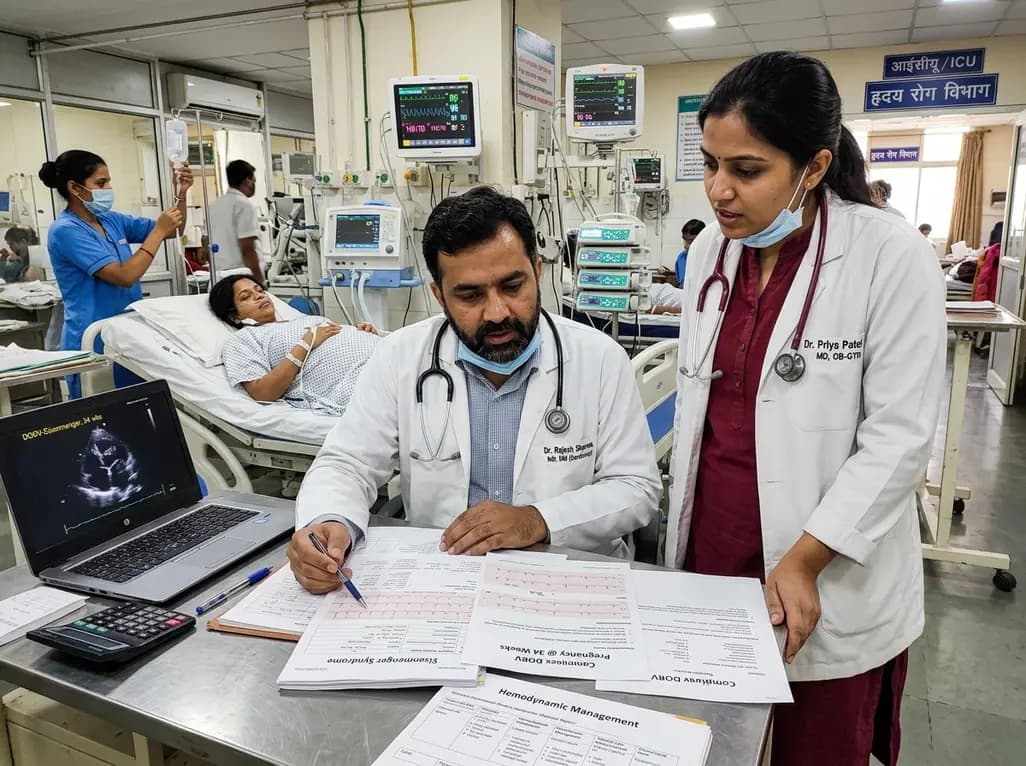
A recent case highlights favorable maternal and neonatal survival in a patient presenting at 34 weeks with probable Eisenmenger physiology and suspected double outlet right ventricle (DORV). Here is a critical review of hemodynamic challenges, delivery strategies, and peripartum management in complex cardiac disease.
Today

A novel multiscale computational model calibrated with Bayesian algorithms demonstrates that full reverse remodeling after mitral valve regurgitation demands both mechanical correction of volume overload and neurohormonal restoration, shedding light on persistent postoperative left ventricular dysfunction.
Today

Systematic review comparing labral repair and reconstruction in primary hip arthroscopy shows comparable short- to mid-term patient-reported outcomes, with lower THA conversion after repair but superior outcomes for reconstruction in patients aged 40 and older.
Today

A preclinical study reveals that alpinetin significantly alters glimepiride pharmacokinetics by inhibiting CYP2C9. This drug-herb interaction enhances hypoglycemic potency and underscores critical safety concerns regarding severe hypoglycemia in diabetic management.
Today
