

Loading, please wait...
Loading, please wait...
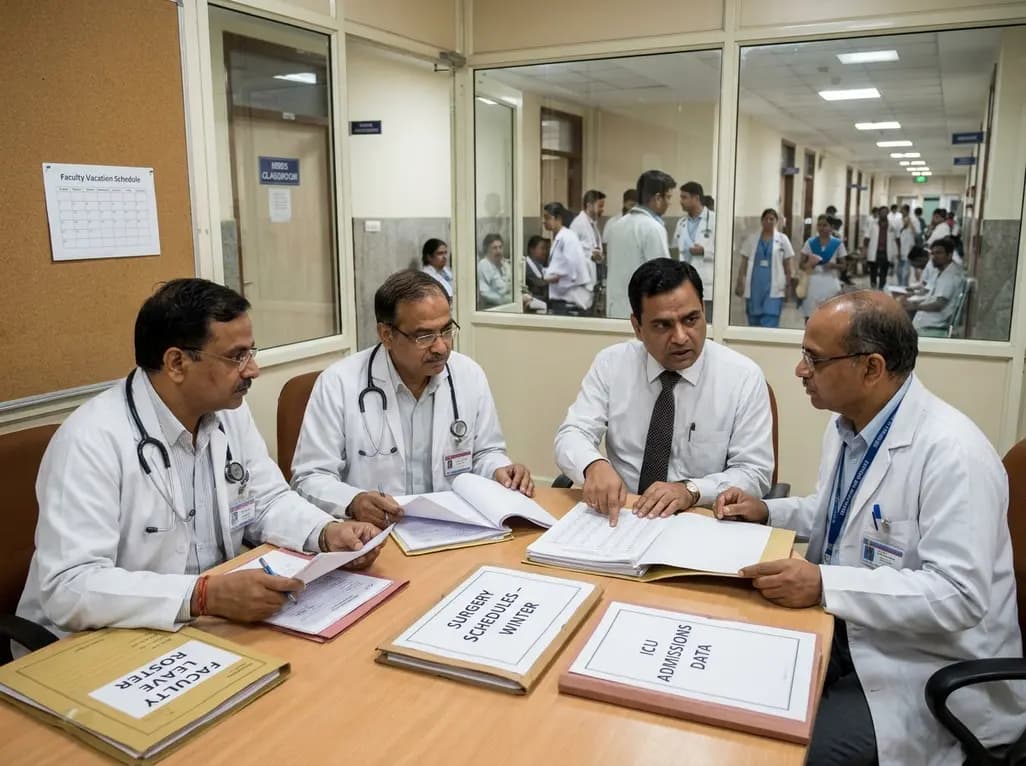
The Union Health Ministry has initiated a comprehensive review of faculty schedules across premier healthcare institutions in New Delhi. Specifically, central authorities are scrutinizing how doctor vacations affect tertiary patient care and academic training. Therefore, officials requested complete administrative records from major institutions, including Safdarjung Hospital, ABVIMS, and Lady Hardinge Medical College. An expert panel held its first meeting on August 31 to evaluate existing academic rosters. Ultimately, regulators seek to determine whether seasonal faculty leaves create gaps in hospital care.
Federal administrators formed an expert panel to investigate traditional leave arrangements among Central Health Service faculty members. Moreover, the review focuses directly on summer and winter vacations granted to teaching doctors. The health ministry distributed official information requests to major Delhi medical colleges in late August. However, administrative delays occurred, prompting urgent reminder notices in late September. Consequently, hospital directors instructed clinical department heads to compile and submit verified data within two days.
Historically, teaching institutions utilize a split roster where fifty percent of doctors take leave at one time. Nevertheless, critics question whether this system places an unfair strain on remaining clinical staff. Furthermore, administrators must verify whether non-teaching specialists and resident physicians maintain adequate bedside coverage. The appointed committee wants to determine whether existing vacation schedules disrupt routine hospital workflows. Accordingly, this inquiry emphasizes documented operational outcomes rather than informal institutional precedents. Health officials stress that premier public hospitals require transparent, dependable staffing models year-round. As a result, teaching doctors must provide comprehensive records detailing their historical leave utilization.
To evaluate institutional performance accurately, the expert committee established a detailed data-gathering framework for all participating facilities. Specifically, the inquiry requires verified clinical data spanning the 2024-25 and 2025-26 operational cycles. Hospital administrators must supply precise monthly statistics for outpatient registrations, emergency visits, and elective surgical procedures. Furthermore, institutions must submit comprehensive documentation tracking intensive care unit bed occupancy and total patient admissions across departments.
Consequently, these longitudinal metrics will reveal whether clinical capacity declines during faculty vacation periods. If surgical throughput falls drastically while patient waitlists grow, administrators must identify underlying structural deficiencies. Conversely, stable metrics would prove that resident doctors and non-teaching clinicians manage routine care proficiently. In addition, the expert committee is evaluating operating room utilization to ensure continuous procedural output. For example, complex surgical specialties such as oncology and cardiovascular surgery demand seasoned clinical leadership. Thus, departmental units cannot reduce capacity without jeopardizing patient outcomes. By evaluating objective patient volumes against approved vacation logs, regulators can measure actual institutional resilience. Therefore, this audit establishes a rigorous precedent for public accountability across federal teaching hospitals.
Beyond tertiary hospital services, the administrative panel is examining educational outcomes across undergraduate and postgraduate medical programs. In theory, clinical faculty receive official vacation privileges because undergraduate medical courses observe seasonal academic recesses. However, postgraduate specialty trainees remain in hospital wards continuously throughout every calendar month. Therefore, lengthy faculty absences can interrupt daily bedside case demonstrations, patient management seminars, and structured lectures.
Moreover, the inquiry examines whether medical teachers combine approved vacations with child care leave or academic leave. In particular, government officials seek to verify allegations regarding clinicians who accrued repeated foreign trips under study provisions. Although international exposure fosters professional growth, unauthorized extensions disrupt departmental operations. Consequently, the health ministry now demands verifiable outcomes from all approved academic leaves. Participating institutions must document peer-reviewed journal publications, competitive research grants, and innovative clinical techniques acquired during conferences. Furthermore, academic departments must confirm whether returning doctors submit mandatory post-travel completion dossiers. In this manner, oversight authorities ensure that specialized educational leaves generate measurable improvements in clinical education. Ultimately, strict verification protects public educational investments while promoting genuine academic scholarship among medical faculty.
The official investigation also addresses long-standing debates regarding disparate administrative standards across major Indian medical campuses. For instance, Central Health Service faculty follow distinct service regulations compared to autonomous institutions of national importance. Centers like AIIMS New Delhi and PGIMER Chandigarh function under separate statutory governance structures. Similarly, university institutions like the University College of Medical Sciences apply distinct institutional guidelines for faculty development.
Consequently, medical associations frequently point out noticeable variations in leave entitlements, clinical workloads, and administrative rules. Some hospital doctors argue that central health facilities handle immense patient loads without equitable administrative assistance. In contrast, health policymakers argue that standardized accountability must apply to all publicly financed clinical organizations. Therefore, the expert committee plans to review regulatory variations between central colleges and autonomous institutes. Furthermore, administrators will evaluate whether differing service conditions affect faculty retention, physician morale, and teaching quality. Harmonizing administrative guidelines could eliminate persistent confusion that complicates multi-institutional coordination. Meanwhile, hospital leaders must uphold uninterrupted clinical operations while complying with shifting regulatory frameworks. Ultimately, establishing fair benchmarks across different healthcare institutions will foster equity for faculty and patients alike.
Clinical educators in public medical colleges manage demanding diagnostic workloads, heavy emergency rotations, and ongoing teaching commitments. Therefore, scheduled rest intervals remain necessary to prevent acute physical fatigue and professional burnout among clinical staff. Without adequate restorative breaks, chronic stress can degrade diagnostic precision and compromise clinician empathy. However, unscheduled or excessive absences directly endanger patient safety in overcrowded public hospitals.
Accordingly, healthcare regulators face the complex challenge of preserving clinician wellness while maintaining seamless tertiary services. To achieve this vital balance, medical directors recommend modern scheduling tools backed by predictive analytics. For example, departments can plan faculty leave schedules around seasonal troughs in elective outpatient traffic. Additionally, healthcare institutions must build structured mentorship channels so senior residents can manage routine care competently. Furthermore, transparent centralized digital platforms should monitor leave submissions to avoid accidental department understaffing. Such practical operational safeguards ensure that critical units, including intensive care and trauma surgery, remain completely staffed. Consequently, healthcare administrations can protect doctor health without degrading patient-centered service standards. In conclusion, sensible administrative reforms will modernize public hospital governance and ensure equitable care for every seeking citizen.
Q1: Why is the government reviewing doctor vacations in medical colleges?
The Union Health Ministry launched this review to assess how faculty vacations and academic leaves affect patient care and medical teaching. Regulators want to ensure that split-roster vacation arrangements do not compromise emergency coverage, intensive care units, or elective surgical procedures. Additionally, the committee seeks to verify whether academic leaves generate tangible scholarly outcomes like research publications, educational innovations, and clinical advancements.
Q2: How does the 50 percent faculty roster manage hospital workflows during breaks?
Traditionally, medical colleges divide their teaching faculty into two equal batches during summer and winter vacations. One half manages clinical duties and classroom instruction while the other half takes approved leave. However, the expert committee is evaluating whether non-teaching medical specialists and resident doctors can adequately absorb patient workloads without burnout, reduced outpatient capacities, or elective operation cancellations during these rotational periods.
Q3: Will the current inquiry abolish annual vacations for teaching faculty?
Official government documents confirm that the health ministry has not announced any decision to cancel or reduce faculty vacations. Instead, the expert committee is collecting objective institutional data to evaluate existing workforce practices. Authorities aim to understand real-world operational challenges, standardize administrative rules across central institutions, and develop transparent guidelines that balance doctor well-being with continuous, high-quality public healthcare delivery.
Disclaimer: This content is for informational and educational purposes only. It does not constitute medical advice or replace professional judgment. Refer to the latest local and national guidelines for clinical practice.
References

Read summarized clinical updates, watch expert medical content, and earn CME certifications right from your smartphone.
Open your smartphone camera to scan and install.





The Union Health Ministry has launched a detailed review of leave practices and clinical productivity across Delhi central government medical colleges. An expert committee is evaluating how summer and winter breaks affect inpatient admissions, ICU cover, surgeries, and undergraduate medical training.
Today
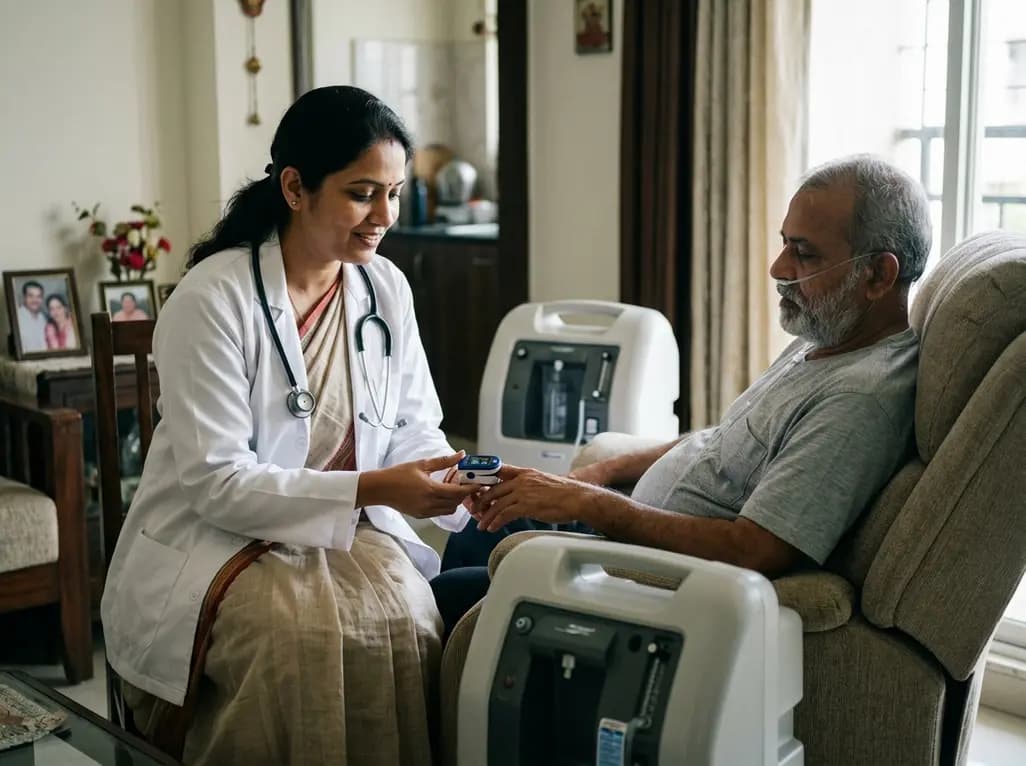
Chronic respiratory conditions like COPD pose an escalating health burden in India. As advanced stationary concentrators enter domestic healthcare, clinicians must evaluate hypoxaemic thresholds, reinforce daily adherence protocols, and balance device ergonomics to improve long-term outcomes and patient survival.
Today
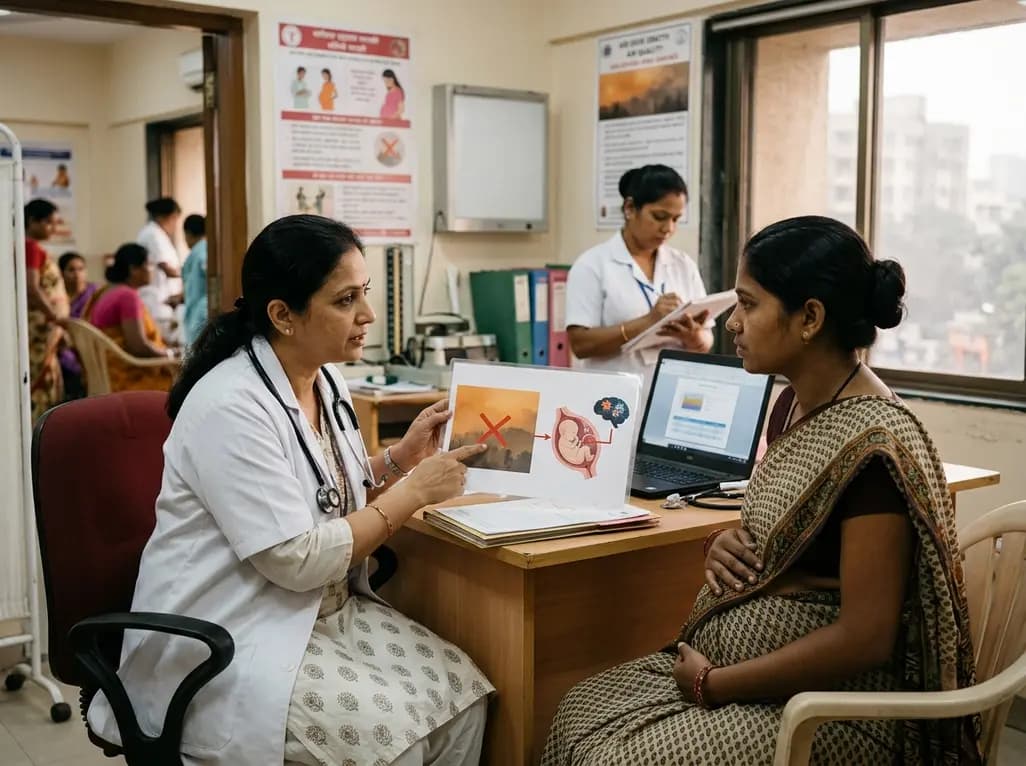
A nationwide cohort study published in JAMA Pediatrics reveals that maternal exposure to wildfire fine particulate matter, especially in late pregnancy, is linked to an elevated risk of childhood autism. Clinicians should evaluate ambient air quality risks and provide proactive protective counseling to mothers.
Yesterday
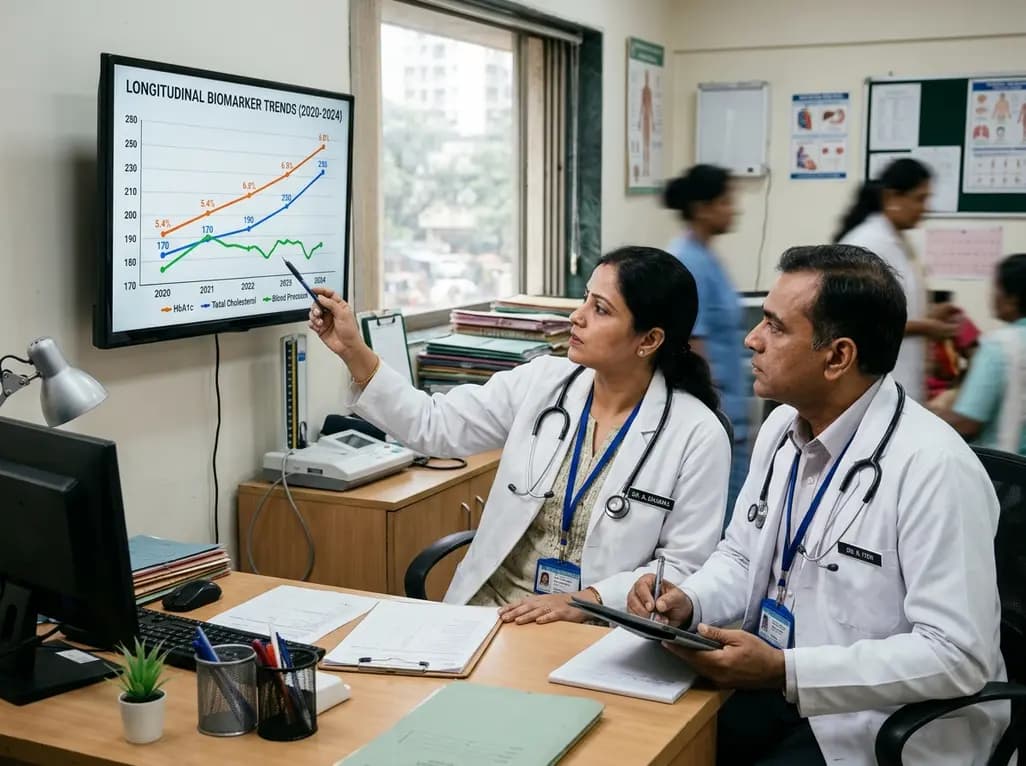
Annual health checks only offer static snapshots. Real-world evidence from 2.1 million insured Indians reveals that tracking dynamic biomarker trends over time enables clinicians to spot evolving cardiometabolic risks early, reverse borderline pathology, and deliver tailored preventive interventions.
Yesterday
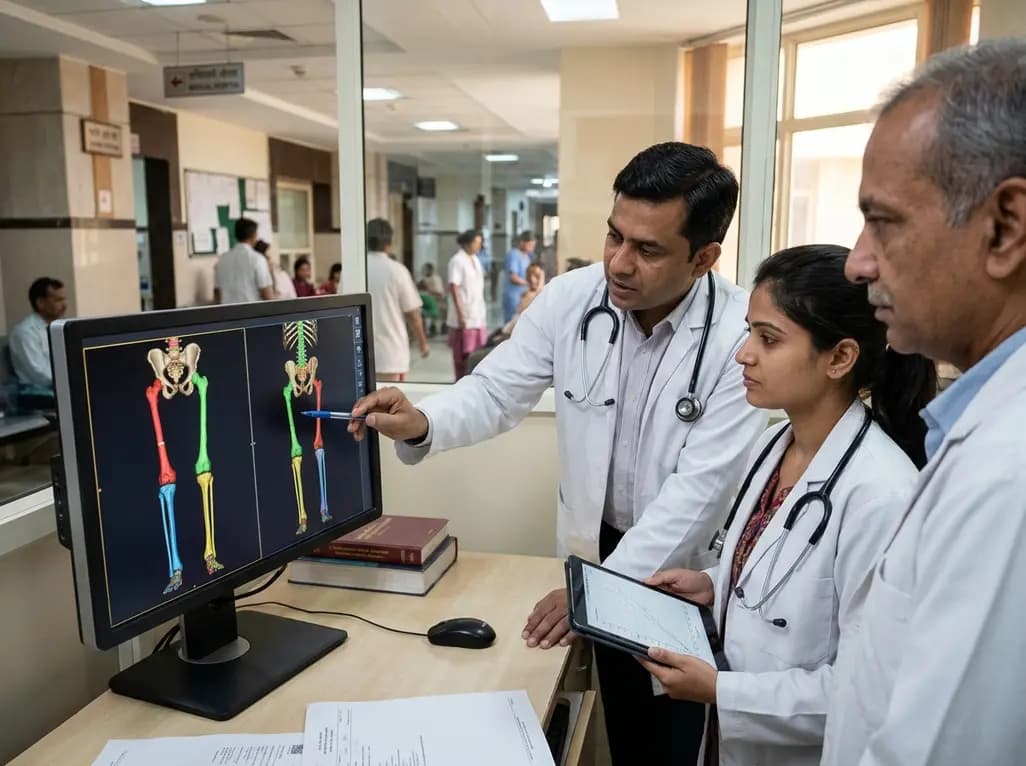
Modern 3D anthropometry reveals that pediatric leg growth ceases years before spinal elongation, exposing the clinical illusion of the classical Anderson-Green model. Learn how segmental growth dissociation improves surgical timing for epiphysiodesis in adolescent leg length discrepancy.
3 days back
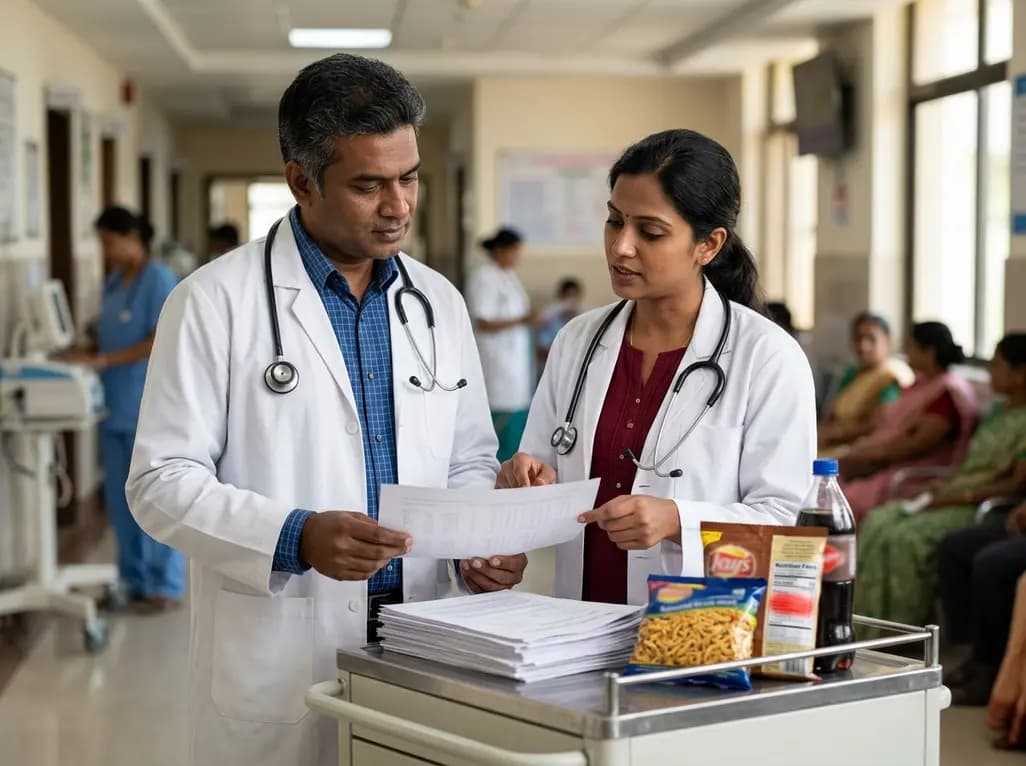
With packaged goods giant HUL backing FSSAI's proposed front-of-pack red warning labels for foods high in fat, sugar, and salt, India takes a major step toward curbing non-communicable diseases. Learn how clearer nutrition disclosures empower clinicians, inform consumer choices, and drive dietary reform.
Yesterday
