.webp&w=384&q=75)

Loading, please wait...
Loading, please wait...

Modern healthcare increasingly relies on continuous objective data to capture the intricate nuances of human behavior. In psychiatric research and preventive medicine, digital phenotyping has emerged as a groundbreaking methodology. It passively collects continuous sensor data from personal smartphones to capture daily activities without placing an active reporting burden on individuals. Rather than assessing isolated behaviors such as screen time or physical movement in isolation, clinicians now recognize that daily habits interact dynamically. Consequently, understanding how these behaviors coalesce into distinct lifestyle profiles offers critical insights into mental well-being and daily psychological function.
Historically, clinical psychiatry and general medicine depended on retrospective self-reports and cross-sectional surveys to assess behavioral health. However, these conventional instruments frequently suffer from recall bias, subjective distortions, and momentary emotional fluctuations. Digital phenotyping overcomes these long-standing barriers by capturing authentic, naturalistic behavioral patterns in real time. Built-in smartphone sensors seamlessly track screen activation, spatial mobility, physical movement, communication frequency, and ambient environmental context without active user disruption.
Moreover, earlier digital health investigations primarily analyzed single variables in isolation. Researchers frequently examined physical activity metrics or social media durations as independent predictors of depressive symptomatology. Nevertheless, human lifestyle represents an integrated, multidimensional construct where diverse habits continuously influence one another. For instance, sedentary screen time occurring alongside outdoor mobility yields a vastly different psychological phenotype than continuous sedentary media consumption at home. Therefore, contemporary researchers are shifting toward person-centered analytical paradigms. These novel frameworks capture co-occurring behavioral clusters that collectively define individual daily existence. By synthesizing multiple passive data streams into cohesive behavioral typologies, digital phenotyping provides clinicians with richer, ecologically valid behavioral biomarkers for proactive mental health tracking.
To evaluate how multidimensional daily habits associate with psychological well-being, researchers conducted a prospective longitudinal cohort investigation across Germany. The study recruited a representative sample of 553 adults, balancing demographic quotas to reflect the broader population. Participants had a mean age of approximately 42 years, ensuring broad developmental representation across working-age demographics. For two consecutive weeks, researchers continuously gathered continuous smartphone-sensing streams capturing ten specific indicators across five behavioral domains.
Specifically, these domains encompassed communication and social networking application use, spatial mobility patterns, physical activity, ambient environmental metrics, and overall phone-use intensity. Alongside this continuous passive surveillance, investigators administered validated psychometric inventories. They measured psychological well-being using the Warwick-Edinburgh Mental Well-Being Scale and evaluated underlying personality architecture via the Big Five Inventory-2 Extra-Short Form. To accommodate the hierarchical nature of repeated temporal measurements, investigators deployed multilevel latent profile analysis. This sophisticated statistical technique nested dynamic day-level profiles directly within broader person-level lifestyle classifications. Furthermore, investigators applied classification-error-adjusted mean comparisons and omnibus Wald tests to quantify associations between derived phenotypes and subjective well-being outcomes.
The analytical model revealed remarkable behavioral heterogeneity across the longitudinal tracking window. Specifically, the statistical analysis successfully identified eight distinct day-level profiles and seven overarching person-level lifestyle phenotypes. The day-level profiles captured intricate daily behavioral trade-offs, demonstrating how individuals fluidly alter their mobility, device engagement, and social connectivity from day to day. In contrast, the person-level profiles illustrated consistent behavioral distributions, characterizing how individuals habitually structure their lives over extended periods.
Interestingly, the phenotypic patterns varied significantly in their digital connectedness and physical exertion. One prominent group emerged as the physically active and unplugged profile, characterized by sustained physical movement and constrained smartphone interactions. Conversely, another distinct cohort represented the mobile and always-on social profile, defined by frequent spatial displacements paired with persistent digital messaging and heavy social application use. Other clusters captured intermediate behavioral variations, including home-centered sedentary users and balanced moderate communicators. Importantly, sensitivity analyses that excluded the smallest profile cohorts yielded consistent outcomes. This stability confirmed that these passive digital profiles reflect authentic, reproducible behavioral phenotypes rather than ephemeral statistical noise.
When examining how these behavioral clusters correlated with psychological outcomes, the findings delivered a nuanced clinical message. Interestingly, the person-level lifestyle profiles did not demonstrate significant omnibus differences in overall mental well-being, momentary positive affect, or interpersonal relationship satisfaction. However, a highly statistically significant variation emerged specifically within the domain of positive functioning. Positive functioning captures an individual's sense of purpose, self-acceptance, autonomy, competence, and daily engagement with life challenges.
Specifically, individuals categorized within the physically active and unplugged lifestyle profile exhibited substantially higher positive functioning scores compared to those within the mobile and always-on social cohort. This contrast yielded a meaningful moderate effect size, demonstrating a notable clinical disparity. Thus, individuals who disengage periodically from continuous digital notifications while sustaining physical movement appear to maintain greater cognitive resilience and autonomous purpose. Furthermore, the researchers evaluated whether underlying Big Five personality traits moderated these observed relationships. Surprisingly, hierarchical regression models indicated that personality-by-profile interactions did not significantly enhance predictive accuracy for any measured outcome. Consequently, these behavioral lifestyle configurations appear to influence positive functioning independently of an individual's baseline personality temperament.
These findings carry substantial implications for modern clinical workflows in psychiatry, family medicine, and digital therapeutics. Mental health professionals frequently struggle to obtain objective lifestyle data when counseling patients experiencing chronic distress, burnout, or subclinical depression. Traditional behavioral prescriptions often focus narrowly on isolated lifestyle modifications, such as advising a patient to walk more or decrease smartphone screen hours. However, real-world behavioral health requires balanced, simultaneous adjustments across physical, environmental, and digital spheres.
By leveraging person-centered digital phenotyping, future healthcare platforms can deliver personalized, multicomponent behavioral interventions. Rather than overwhelming patients with generic advice, intelligent clinical dashboards could recognize problematic always-on patterns and offer context-aware micro-interventions. For instance, an automated wellness system could suggest brief digital detox periods coupled with outdoor exercise during peak vulnerability windows. Furthermore, because passive smartphone sensing does not rely on active patient charting, adherence barriers decrease dramatically. Although current evidence remains observational and cannot establish definitive causality, these transparent behavioral clusters represent a major leap forward. As prospective validation progresses, integrating passive sensing profiles into clinical practice will empower physicians to track functional deterioration early and optimize lifestyle medicine strategies.
Conventional digital tracking typically relies on active manual logging, requiring patients to record their food, mood, or exercise daily. In contrast, digital phenotyping utilizes continuous passive sensing through background smartphone sensors without demanding conscious patient effort. This automated process measures mobility, device interactions, and communication patterns continuously in natural environments. Consequently, it eliminates subjective reporting bias, minimizes patient fatigue, and provides clinicians with objective, ecologically valid behavioral data over extended timeframes.
Positive functioning encompasses psychological autonomy, competence, personal growth, and daily purpose, which closely correlate with structured physical habits and intentional daily routines. In contrast, momentary positive affect and interpersonal satisfaction fluctuate rapidly based on immediate emotional triggers and social events. The study demonstrated that maintaining physical activity alongside reduced screen connectivity fosters greater personal agency and self-mastery. Thus, lifestyle configurations reflect sustained psychological functioning far more reliably than fleeting emotional states.
Clinicians cannot currently use smartphone digital phenotyping as a standalone diagnostic tool. Observational cohort studies reveal meaningful associations between behavioral patterns and psychological functioning, but they do not prove direct causality. Furthermore, technical variations across phone operating systems and individual habits require extensive clinical validation. Therefore, passive digital phenotyping serves primarily as an objective adjunctive monitoring tool to complement comprehensive psychiatric assessments, track longitudinal recovery trajectories, and guide lifestyle interventions.
Disclaimer: This content is for informational and educational purposes only. It is not intended to be a substitute for professional medical advice, diagnosis, or treatment. Always seek the advice of your physician or another qualified health provider with any questions you may have regarding a medical condition. Never disregard professional medical advice or delay in seeking it because of something you have read in this article. The information provided here should be used to support, not replace, the relationship that exists between a patient and their existing healthcare providers. Refer to the latest local and national guidelines for clinical practice.
References

Read summarized clinical updates, watch expert medical content, and earn CME certifications right from your smartphone.
Open your smartphone camera to scan and install.





A prospective German cohort study evaluated passive smartphone sensing to identify lifestyle profiles and their link to mental well-being. Individuals with physically active and unplugged profiles exhibited significantly higher positive functioning compared to those with constantly connected social profiles.
Today

A crossover study demonstrates that locally deployed large language models with exact-match knowledge augmentation significantly elevate outpatient prescription review accuracy to 97.2%, curbing hallucinations and securing patient data without requiring complex cloud infrastructure.
Today
A new scoping review protocol systematically maps global evidence on how climatic shifts, ambient heat, and pollution impact human fertility. Discover key physiological mechanisms, clinical preconception strategies, and critical public health alignments under Sustainable Development Goals 3 and 13.
Today
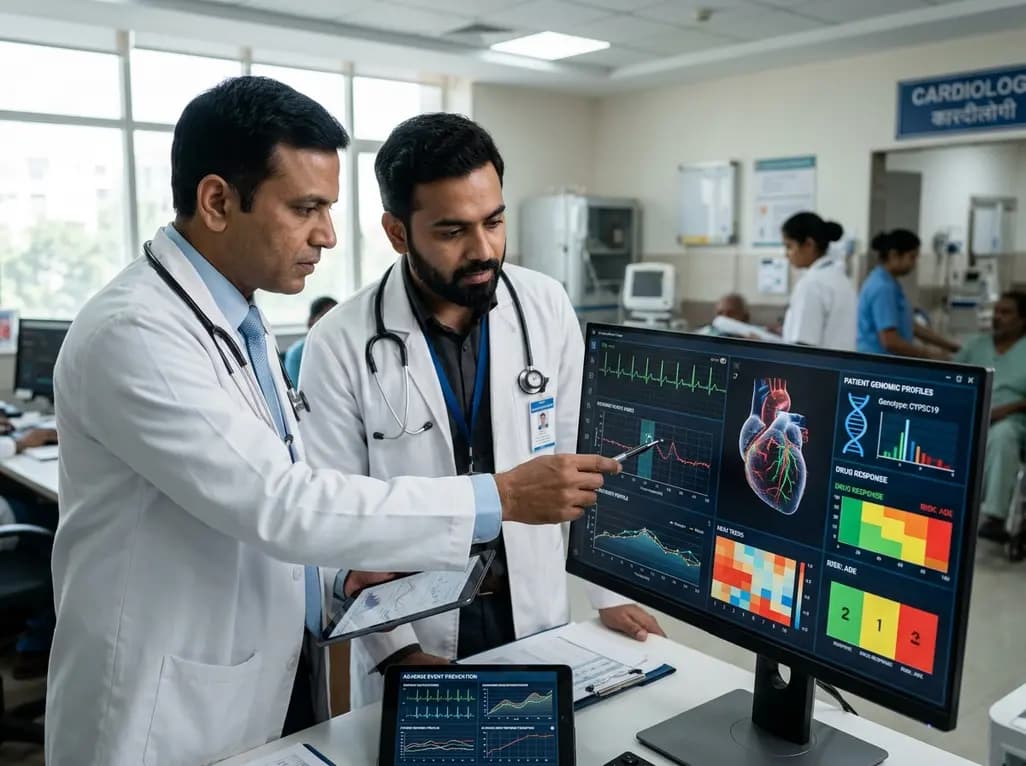
Pharmacogenomics and artificial intelligence are revolutionizing cardiology by tailoring therapies to individual genetic profiles and clinical data, reducing adverse drug events, and improving cardiovascular patient outcomes.
Today
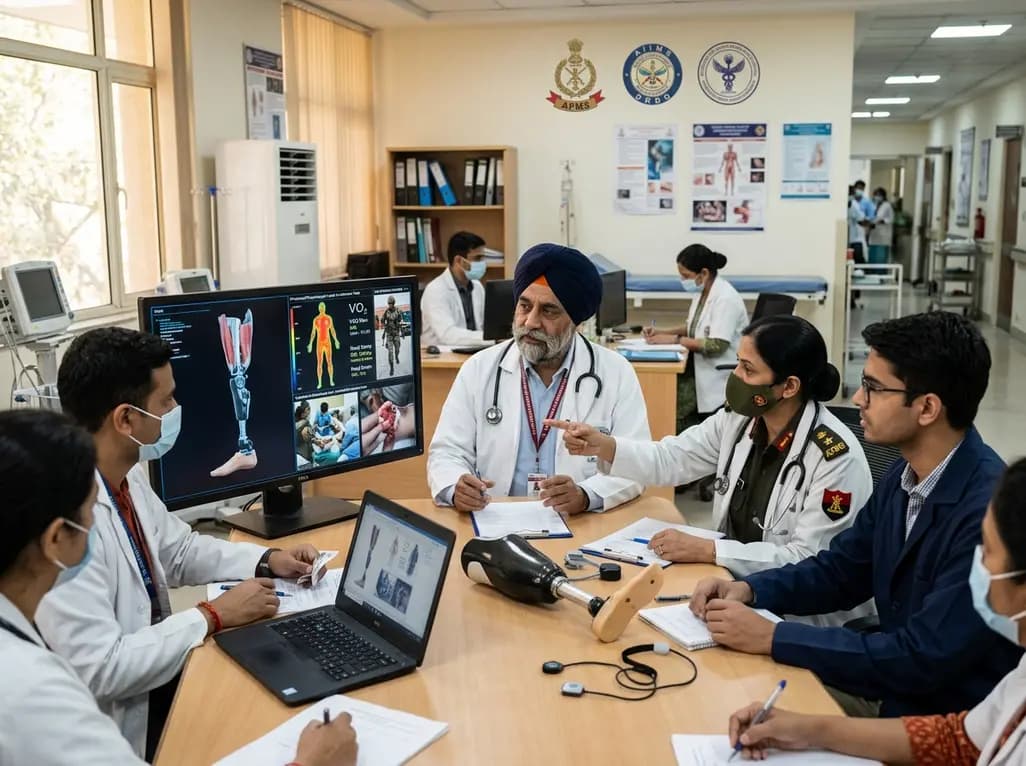
India's premier scientific bodies have joined the Armed Forces Medical Services to solve unique physiological and operational challenges faced by soldiers. The national collaboration covers combat casualty care, artificial intelligence diagnostics, bionic prosthetics, and extreme-environment physiological resilience.
Today
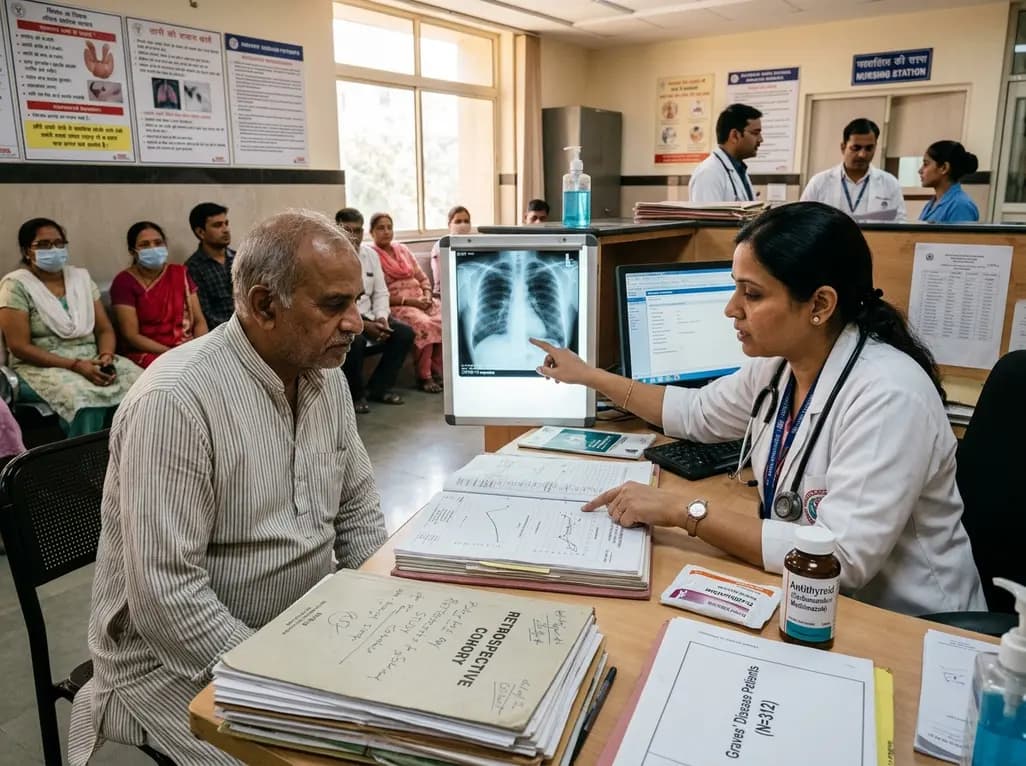
A retrospective cohort study evaluates the short- and long-term impacts of SARS-CoV-2 infection on patients with Graves' disease receiving antithyroid drug therapy, highlighting thyroid status destabilization, clinical symptom exacerbations, and post-viral sequelae.
Today
