

Loading, please wait...
Loading, please wait...
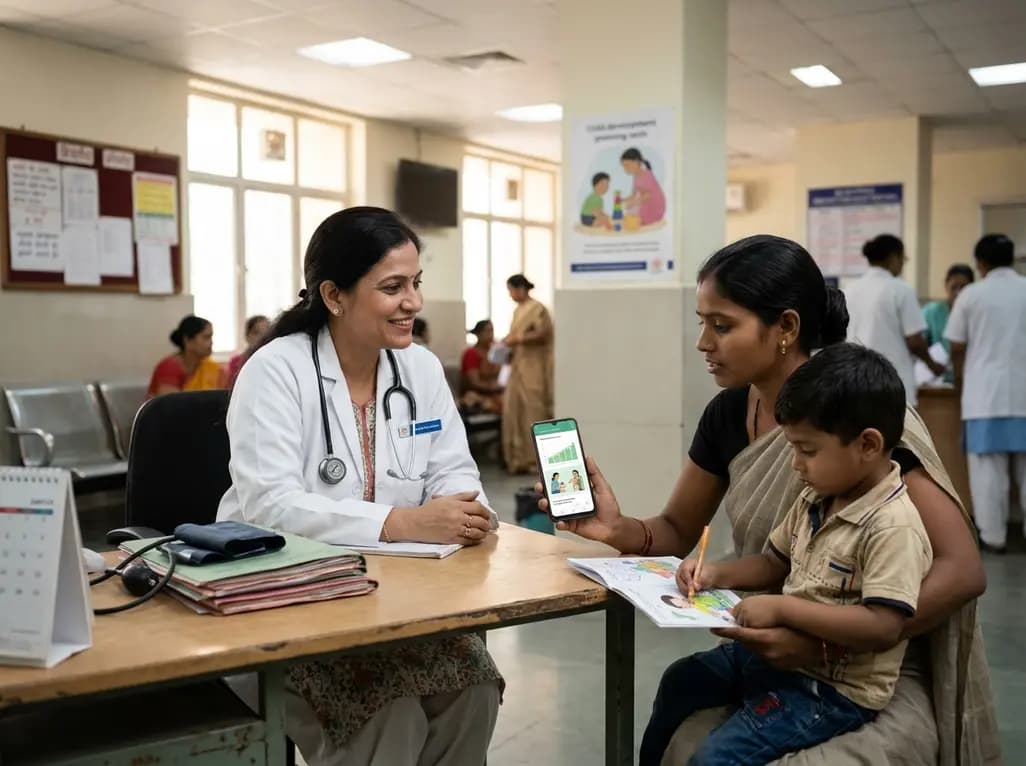
Early childhood behavioral difficulties present significant management challenges for primary care physicians, pediatricians, and child psychiatrists globally. Disruptive behaviors, including persistent aggression and intense emotional reactivity, frequently disrupt family environments and impair social development. Consequently, clinicians need evidence-based interventions that target root behavioral dynamics rather than isolated symptoms. Recent advances highlight digital parent training as a powerful, scalable therapeutic modality designed to empower caregivers with proactive behavioral strategies. Traditional clinic-based therapies often face severe barriers, such as geographical distance, high financial burdens, and parental stigma.
In contrast, remote digital platforms seamlessly integrate structured psychoeducation, interactive skill training, and remote coaching into everyday home routines. Furthermore, these digital programs encourage consistent parental engagement across diverse socioeconomic demographics. Modern pediatric research confirms that treating early behavioral dysregulation substantially reduces future risks of severe conduct disorders and academic underachievement. Therefore, understanding the precise mechanisms through which digital interventions reorganize family interactions remains clinically crucial. By shifting focus toward interactive family systems, clinicians can better appreciate how targeted digital programs transform early behavioral trajectories. Ultimately, these innovative tools offer clinicians sustainable strategies for expanding developmental pediatric healthcare.
A landmark nationwide implementation study conducted in Finland provides rigorous insights into real-world parenting interventions within primary healthcare systems. Healthcare providers screened 36,591 families of 4-year-old children during routine pediatric well-child visits. Among these families, 4,665 met screening criteria for disruptive behavioral challenges, representing approximately 12.7 percent of the screened cohort. Subsequently, 2,900 families enrolled in a specialized 11-week digital-assisted parenting program embedded within public healthcare clinics. The program delivered structured online psychoeducational modules alongside telephone coaching provided by trained healthcare nurses.
Parents completed standardized behavioral assessments at baseline, with comprehensive follow-up evaluations scheduled at 6 months and 24 months. Importantly, this population-based approach eliminated clinical referral bottlenecks and reached families before disruptive patterns became deeply entrenched. In addition, the longitudinal design enabled investigators to observe sustained behavioral reorganization over a two-year period. Most previous clinical trials evaluated parent training only in controlled settings with brief observation windows. However, this nationwide initiative captured real-world therapeutic engagement across diverse family backgrounds. Consequently, the study yields unprecedented epidemiological validity, demonstrating how public primary care infrastructures can effectively deliver scalable behavioral healthcare.
Rather than viewing psychological symptoms in isolation, network analysis models behavioral syndromes as dynamic, interacting systems of interconnected nodes. In this study, investigators utilized mixed graphical models to examine complex relationships between parenting styles and child symptoms. At baseline, child aggressive behavior emerged as the most central node within the symptom network, showing a strength centrality of 1.35. Aggression demonstrated particularly strong connections to child callousness, with an edge weight of 0.45. Furthermore, aggressive behavior linked closely with emotional reactivity, showing an edge weight of 0.34.
These findings indicate that callous-unemotional traits and acute emotional dysregulation directly reinforce aggressive conduct in young children. In contrast, parental behaviors occupied peripheral network positions at baseline before therapeutic intervention commenced. This peripheral placement suggests that parenting practices do not directly cause every individual symptom in isolation. Instead, parenting styles interact reciprocally with the broader emotional ecosystem of the family home. Therefore, managing preschool conduct problems requires clinicians to dismantle interconnected symptom bridges that sustain chronic behavioral escalation. Notably, advanced network metrics offer clinicians novel mechanistic clarity regarding how early childhood disruptive patterns maintain clinical severity.
The most compelling discovery emerged when researchers evaluated longitudinal network modifications following the digital training program. Specifically, reductions in parental overreactivity directly correlated with decreases in child aggressive behaviors across both follow-up intervals. The network edge weight connecting changes in parental overreactivity and child aggression measured 0.18 at 6 months. Furthermore, this therapeutic association remained statistically significant at 24 months, maintaining an edge weight of 0.14. These results demonstrate that coaching parents to avoid explosive emotional reactions exerts durable, long-term therapeutic effects.
When caregivers replace punitive hostility with calm, predictable boundary enforcement, children gradually de-escalate aggressive response tendencies. In addition, the longitudinal network revealed that reductions in parental laxness further supported overall behavioral stabilization. As parental overreactivity diminished, the central positioning of aggressive behavior within the symptom network also weakened substantially. Consequently, targeting caregiver regulation serves as a powerful therapeutic lever for dismantling complex externalizing psychopathology. This long-term persistence confirms that digital parent training creates durable structural shifts rather than temporary symptomatic improvements. Thus, digital interventions fundamentally alter the developmental trajectory of at-risk preschool children.
For healthcare practitioners in India, these network insights carry profound implications for routine outpatient pediatric practice. Behavioral and emotional complaints frequently manifest during pediatric visits, yet Indian clinicians often face severe shortages of specialized child psychologists. Moreover, traditional cultural norms in many households inadvertently tolerate authoritarian disciplinary tactics or inconsistent, harsh parental overreactivity. By recognizing that parental overreactivity directly sustains child aggression, pediatricians can deliver focused, actionable guidance during routine clinic visits. Clinicians should reassure parents that harsh reactivity often exacerbates defiance, creating mutually exhausting conflict cycles.
Furthermore, adopting digital behavioral training modules can bridge massive healthcare disparities across semi-urban and rural Indian communities. Smartphone penetration throughout India provides an ideal technological highway for delivering structured, culturally adapted parenting curricula. In addition, integration with primary health centres and community health workers can facilitate widespread population-level pediatric screening. As families gain remote access to evidence-based parenting skills, primary care providers can reduce downstream psychiatric morbidity. Therefore, investing in digital parent-training infrastructure aligns with national digital health priorities, ensuring equitable behavioral care. Accordingly, Indian medical professionals can champion scalable digital interventions to transform child mental health nationwide.
Digital parent training provides caregivers with structured behavioral frameworks to manage early disruptive conduct effectively. Through interactive modules, parents learn positive reinforcement techniques, active listening, and calm de-escalation strategies. Consequently, these newly acquired skills disrupt reciprocal hostility between parent and child. By establishing consistent, predictable household boundaries, caregivers reduce emotional triggers that precipitate severe aggressive outbursts. Over time, these positive parental adjustments weaken the central role of aggression within the child's overall behavioral presentation.
Parental overreactivity, characterized by emotional outbursts and harsh yelling, acts as a primary maintenance factor for externalizing childhood behaviors. When parents react with hostility, children often mirror this emotional dysregulation through heightened aggression and persistent defiance. Therefore, clinical programs that target parental self-regulation successfully interrupt escalating coercive family cycles. As caregivers replace explosive reprimands with composed, authoritative guidance, children experience greater psychological safety. Consequently, this parental shift promotes durable symptom reduction.
Yes, digital parenting interventions demonstrate exceptional versatility and cost-effectiveness across varied clinical environments. Healthcare systems can easily integrate web platforms into primary pediatric clinics and community outreach networks. Furthermore, digital programs transcend geographical obstacles, allowing rural and underserved families to receive high-quality behavioral guidance. When clinicians combine remote digital modules with brief, supportive telephone check-ins, treatment retention and parental satisfaction remain remarkably high. Consequently, this model provides an ideal blueprint for global pediatric practice.
Disclaimer: This content is for informational and educational purposes only... Refer to the latest local and national guidelines for clinical practice.
References

Read summarized clinical updates, watch expert medical content, and earn CME certifications right from your smartphone.
Open your smartphone camera to scan and install.





A nationwide implementation study demonstrates that digital parent training disrupts core networks of early childhood aggression by reducing parental overreactivity. These positive behavioral shifts persist up to 24 months, offering scalable interventions for primary pediatric healthcare.
Today
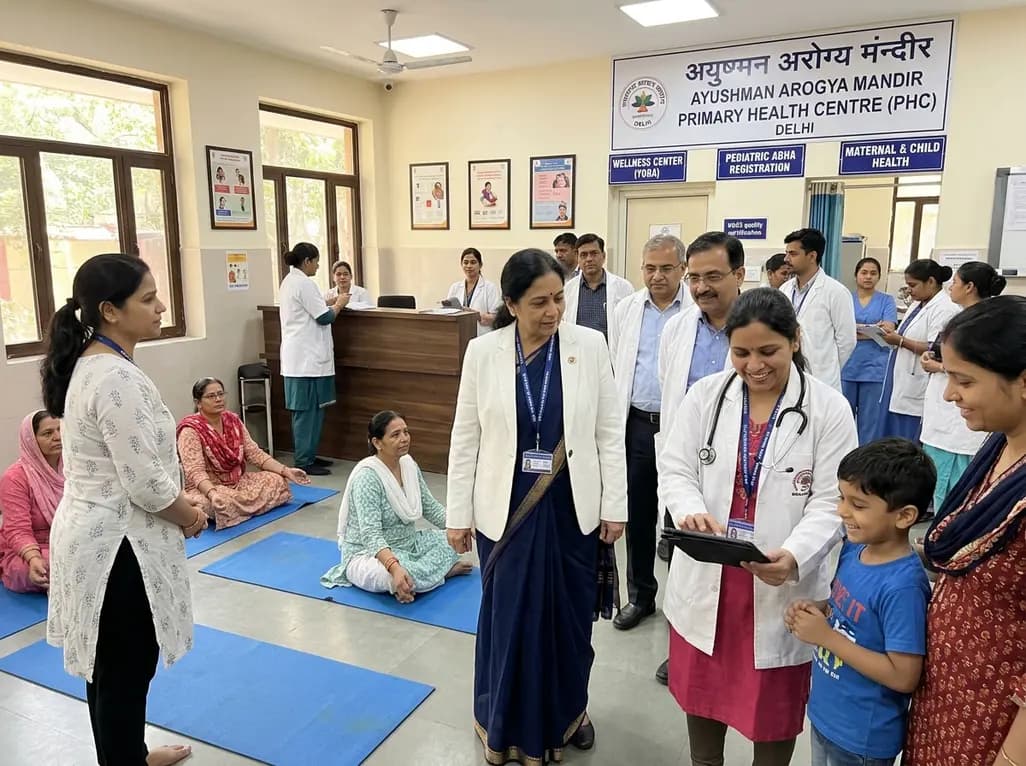
Union Health Secretary Punya Salila Srivastava recently inspected primary healthcare facilities in Delhi, mandating weekly yoga sessions, Baal ABHA digital IDs for pediatric cohorts, and NQAS quality certification for urban centers to strengthen preventive clinical workflows and early chronic disease management.
Today

A multicenter study evaluates an XGBoost machine learning model to predict miscarriage risk in PCOS after fresh embryo transfer. While discrimination was strong internally, cross-cohort calibration drift emphasizes its role as a risk-ranking tool rather than a standalone diagnostic instrument.
Today

A major World Health Organization study reveals that one in four teenagers globally records zero active days per week. Discover the epidemiological data, cardiometabolic consequences of adolescent sedentary behavior, and practical guidance for clinicians to promote healthy lifestyle habits among youth.
Today

Engineered 3D piezoelectric PHBV scaffolds generate electrical charges during mechanical strain, mimicking native muscle electromechanics to promote cellular alignment, myogenic differentiation, and functional tissue repair in severe volumetric muscle loss.
Today

A study in aged rats reveals that caloric restriction broadly upregulates adipose macrophage genes, whereas concurrent endurance training buffers this response. Despite these tissue-level transcriptional changes, systemic glycemic and lipid markers remain unchanged, highlighting the complexity of geriatric metabolism.
Today
