

Loading, please wait...
Loading, please wait...

Major depressive disorder and anxiety represent leading contributors to global chronic disability. In recent years, nutritional psychiatry has gained momentum as clinicians evaluate how dietary habits influence neuropsychiatric health. Compelling evidence indicates that nutritional patterns modulate mood regulation, neurogenesis, and systemic inflammation. A comprehensive cross-sectional study evaluated the association of diet quality and depression alongside anxiety severity in a large adult cohort. Using the Dietary Quality Index-International (DQI-I), investigators examined whether multifaceted nutritional quality protects against affective morbidity. Understanding these dietary interactions offers clinicians valuable opportunities to integrate evidence-based lifestyle counseling into routine outpatient care.
The relationship linking diet quality and depression involves multifaceted biological pathways. Modern diets frequently supply excessive refined carbohydrates, saturated fats, and processed foods that provoke chronic systemic inflammation. In contrast, nutrient-dense diets provide essential polyphenols, vitamins, and unsaturated fats that support neuronal integrity. Specifically, the Dietary Quality Index-International assesses four distinct dietary domains: variety across food groups, nutritional adequacy, moderation of unhealthy components, and overall macronutrient balance. Rather than isolating single micronutrients, this multidimensional metric captures the synergistic effects of whole foods across diverse culinary settings. Furthermore, persistent systemic inflammation impairs monoaminergic neurotransmission and suppresses brain-derived neurotrophic factor levels in susceptible individuals. When patients consume unbalanced diets deficient in dietary fiber and essential micronutrients, gut dysbiosis occurs, disrupting bidirectional gut-brain signaling. Therefore, evaluating overall nutritional quality provides crucial biological insight into mood regulation. Clinicians now appreciate that poor dietary choices do not merely represent secondary consequences of emotional distress; instead, subtherapeutic nutrition actively accelerates depressive pathology. By evaluating comprehensive nutritional indices, healthcare professionals can better contextualize individual psychological vulnerability during routine medical examinations.
To evaluate how composite dietary patterns correlate with psychiatric morbidity, Abdollahpour and colleagues analyzed data from the Mashhad Stroke and Heart Atherosclerotic Disorder cohort. This large population-based investigation included 6,472 Iranian individuals between the ages of 35 and 65 years. The investigators recorded habitual nutritional intake using a validated 160-item food frequency questionnaire tailored to regional dietary habits. Subsequently, the researchers calculated DQI-I scores across four major dimensions: dietary diversity, nutritional adequacy, moderation of harmful foods, and overall macronutrient balance. Concurrently, the study team measured psychological symptom severity using established psychometric questionnaires. Specifically, they utilized the Beck Depression Inventory to quantify depressive severity and the Beck Anxiety Inventory to score anxiety levels. In their statistical analysis, the authors systematically adjusted for multiple confounding factors, including age, biological sex, total energy intake, physical activity, smoking status, and socioeconomic background. Consequently, this rigorous methodological design allowed the researchers to isolate independent associations between dietary indices and mood scores. By evaluating such a large population cohort, the research team minimized random sampling variation and provided robust real-world data for psychiatric epidemiology.
The investigation revealed striking differences between unadjusted observations and multivariable-adjusted outcomes. In crude analyses, participants in the highest DQI-I tertile exhibited significantly lower scores for both anxiety and depression compared to peers in lower tertiles. However, multivariable adjustments demonstrated notable distinctions between both conditions. After controlling for confounding variables, the overall DQI-I score retained a statistically significant inverse association solely with depression severity. Specifically, individuals in the highest dietary quality tertile experienced a fifteen percent reduction in the odds of elevated depression scores. Among individual subcomponents, only overall dietary balance showed an independent protective association against depressive symptoms, conferring a fourteen percent reduction in odds. Conversely, the global DQI-I score lost its significant association with anxiety after adjusting for lifestyle confounders. Nevertheless, granular subdomain analyses indicated that higher dietary variety and adequacy significantly reduced anxiety severity. Participants achieving superior food variety experienced a twenty-five percent reduction in anxiety odds, whereas adequate nutrient intake conferred a twenty-one percent reduction. These data indicate that while macronutrient balance protects against depression, dietary diversity and nutrient adequacy primarily attenuate anxiety symptoms.
Several biological mechanisms clarify why high diet quality protects against depressive disorders and anxiety manifestations. First, balanced diets profoundly influence the gut microbiome, which synthesizes essential neuroactive compounds such as serotonin precursors and gamma-aminobutyric acid. Diverse food choices deliver prebiotic soluble fibers and plant polyphenols that nourish beneficial commensal taxa. In contrast, ultra-processed foods trigger intestinal dysbiosis, which impairs mucosal barrier integrity and allows lipopolysaccharide translocation into the circulation. This endotoxemia stimulates peripheral immune cells, triggering the release of pro-inflammatory cytokines, including interleukin-6 and tumor necrosis factor-alpha. These circulating cytokines breach the blood-brain barrier, activating microglia and altering hypothalamic-pituitary-adrenal axis regulation. Furthermore, neuroinflammation activates the enzyme indoleamine 2,3-dioxygenase, diverting tryptophan away from serotonin synthesis toward neurotoxic kynurenine metabolites. Conversely, nutrient-dense foods supply critical micronutrient cofactors, including magnesium, zinc, B vitamins, and omega-3 polyunsaturated fatty acids, which facilitate monoamine neurotransmission and stimulate neuroplasticity. Consequently, consuming balanced meals reinforces neural resilience against chronic psychosocial stress. Additionally, sustained antioxidant consumption mitigates cerebral oxidative stress, preventing lipid peroxidation and preserving synaptic communication pathways.
These clinical findings provide valuable insights for primary care physicians, internists, and psychiatrists managing mental health disorders. In everyday clinical practice, healthcare providers frequently treat patients presenting with overlapping metabolic derangements and affective symptoms. Although standard pharmacotherapy and psychotherapy remain essential cornerstones, structured nutritional guidance serves as an effective, evidence-based adjunctive treatment. Therefore, clinicians should routinely evaluate dietary patterns during psychiatric and general medical intake examinations. Rather than prescribing restrictive weight-loss regimens, practitioners should promote balanced nutrition, dietary variety, and adequate nutrient intake. For example, clinicians can encourage patients to consume diverse colorful vegetables, legumes, whole grains, nuts, and lean proteins while minimizing refined sugars. Furthermore, presenting nutritional improvements as tangible mental health interventions empowers patients and fosters personal agency. Because depressive illness often impairs motivation and executive function, clinicians should offer gradual, realistic goals rather than overwhelming dietary changes. Partnering with certified dietitians can facilitate tailored nutritional plans that respect socioeconomic and cultural traditions. Ultimately, addressing diet quality bridges metabolic health and psychiatric care, supporting comprehensive, whole-person clinical recovery.
The Dietary Quality Index-International is a standardized nutritional assessment tool designed for cross-cultural comparisons. It assesses overall diet quality across four core domains: dietary variety, nutritional adequacy, moderation of unhealthy components, and overall macronutrient balance. This multidimensional approach evaluates total dietary patterns rather than isolated single nutrients.
Diet quality directly influences depression through neuroinflammation, oxidative stress, and gut microbiome modulation. High-quality diets provide essential polyphenols, antioxidants, and fiber that preserve the intestinal mucosal barrier, suppress systemic cytokine production, and enhance monoamine neurotransmission. Conversely, nutrient-poor diets induce dysbiosis and microglial activation, exacerbating emotional distress and depressive severity.
No, dietary modification cannot replace standard psychiatric medications or psychotherapy for clinical disorders. Instead, nutritional optimization acts as a powerful adjunctive therapy that complements pharmacotherapy. Improving diet quality enhances physiological resilience, reduces chronic inflammation, and supports metabolic health, potentially augmenting treatment responsiveness and overall functional recovery in psychiatric patients.
Disclaimer: This content is for informational and educational purposes only and should not be considered as medical advice. Always consult a qualified healthcare professional regarding any medical condition or treatment. Refer to the latest local and national guidelines for clinical practice.
References

Read summarized clinical updates, watch expert medical content, and earn CME certifications right from your smartphone.
Open your smartphone camera to scan and install.





A cross-sectional population study of 6,472 adults demonstrates that higher diet quality, measured by the DQI-I, significantly reduces the odds of severe depression. While overall balance protects against depressive symptoms, food variety and adequacy specifically reduce anxiety severity.
Today

A landmark Nature study reveals that only 27% of individuals with obesity have active clinical disease. By incorporating waist circumference and organ dysfunction, this new diagnostic framework moves beyond BMI to prevent widespread misclassification and guide personalized metabolic intervention.
Today

A breakthrough blood test measuring the RNA biomarker Tu-Stroma detects microscopic serous tubal intraepithelial carcinoma (STIC) lesions with remarkable accuracy. This non-invasive diagnostic tool offers crucial biological insight to guide prophylactic surgery decisions for women carrying high-risk genetic mutations.
Today

Thoracic aortic aneurysm lacks etiologic medical therapy. A new study reveals that targeting specific αV integrins with Cilengitide attenuates TGF-β and mechanotransduction pathways, effectively limiting pro-fibrotic remodeling and aortic bulb dilation in both syndromic and sporadic disease models.
Today
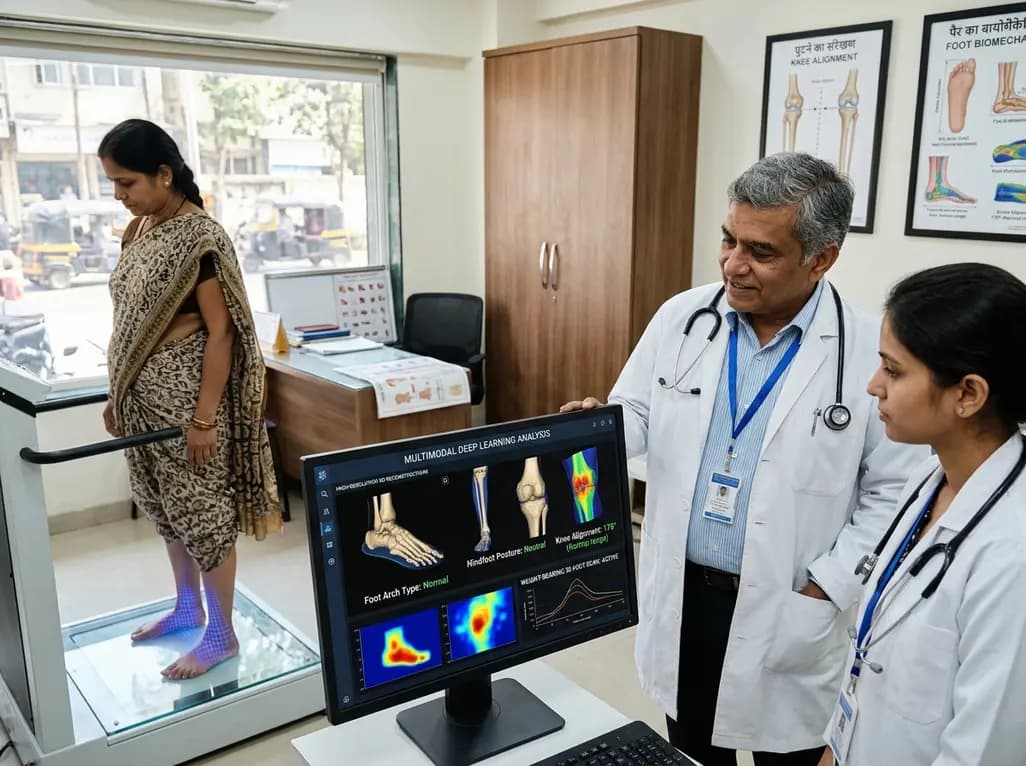
A multimodal deep learning framework utilizing weight-bearing 3D foot scans accurately screens lower-limb alignment, including arch type, hindfoot posture, and knee alignment, offering an accessible, radiation-free alternative to radiography for early biomechanical triage.
Today

A real-world retrospective study demonstrates that combining intravitreal ranibizumab with focal/grid macular laser significantly improves visual acuity and central macular thickness compared to laser monotherapy in patients with center-involved diabetic macular edema.
Today
