.webp&w=384&q=75)

Loading, please wait...
Loading, please wait...
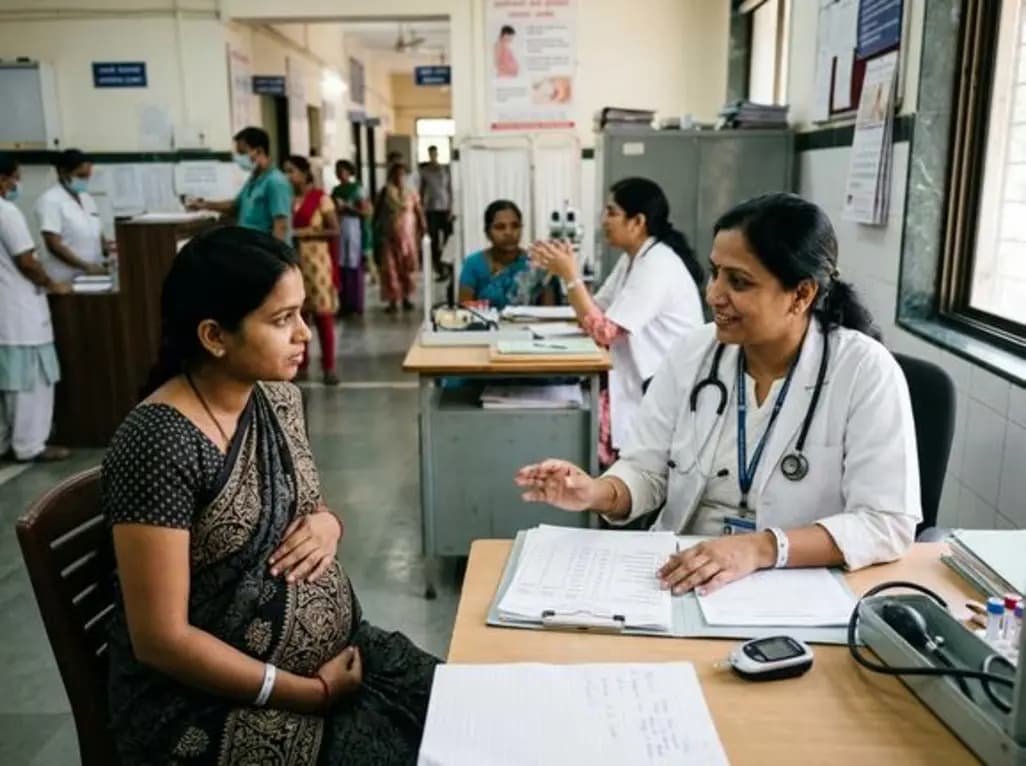
Recent research highlights a significant rise in diabetes in pregnancy risks, specifically regarding gestational diabetes mellitus (GDM) and pregestational type 2 diabetes. According to data from the Healthcare Cost and Utilization Project, GDM prevalence increased from 7.1 to 9.5 per 100 deliveries between 2016 and 2022. Consequently, healthcare providers must address these trends to prevent adverse outcomes. Furthermore, the rising incidence of diabetes mirrors a broader increase in severe maternal morbidity (SMM) across the United States.
While GDM is the most common form of the condition, pregestational diabetes presents even higher clinical challenges. Specifically, type 1 diabetes was associated with the highest risk of nontransfusion SMM. However, type 2 diabetes and GDM also showed clear associations with increased morbidity. Therefore, comprehensive monitoring is essential for all pregnant women with glycemic disorders. Additionally, multidisciplinary care teams should focus on cardiometabolic risk management during both the pregnancy and the delivery stages.
Moreover, the study revealed that overall SMM increased from 160.0 to 220.3 per 10,000 deliveries during the study period. This upward trend underscores the need for localized clinical interventions. Since the prevalence of type 2 diabetes continues to rise, clinicians must be proactive. In conclusion, managing these conditions requires a robust framework of specialized care to safeguard maternal health.
Pregestational type 1 diabetes is associated with the highest relative risk for nontransfusion severe maternal morbidity, followed by type 2 diabetes and gestational diabetes.
The prevalence of gestational diabetes in delivery hospitalizations rose from 7.1 per 100 deliveries in 2016 to 9.5 per 100 deliveries in 2022.
Multidisciplinary care is crucial because all forms of diabetes in pregnancy are linked to increased morbidity, requiring coordinated management of cardiometabolic and obstetric risks.
Disclaimer: This content is for informational and educational purposes only. It does not constitute professional medical advice, diagnosis, or treatment. Always seek the advice of your physician or other qualified healthcare provider with any questions you may have regarding a medical condition. Refer to the latest local and national guidelines for clinical practice.
References

Read summarized clinical updates, watch expert medical content, and earn CME certifications right from your smartphone.
Open your smartphone camera to scan and install.





A large-scale retrospective study reveals a sharp rise in gestational and type 2 diabetes alongside severe maternal morbidity between 2016 and 2022. While gestational diabetes is most prevalent, type 1 diabetes poses the highest risk for maternal complications, necessitating multidisciplinary care.
4 months ago

As monsoon seasons elevate arboviral disease threats, Tamil Nadu has initiated an ICMR-monitored evaluation of the tetravalent dengue vaccine in Tenkasi district. Clinicians emphasize clinical monitoring, public prevention, and high-quality early pediatric care to reduce disease morbidity across endemic regions.
Today

Leucine Rich Bio has introduced South Asia's first comprehensive vaginal microbiome test, BugSpeaks. By profiling microbial dysbiosis, pathogens, and antimicrobial resistance, this next-generation diagnostic platform provides clinicians with deeper insights into recurrent infections, fertility, and reproductive health.
Today

Review how tailored exercise programs benefit frail older patients with heart failure. Explore pathophysiological mechanisms, individualized training prescriptions, and strategies to overcome adherence barriers in clinical practice.
Today

This comparative study evaluates posterior labral tears with and without glenohumeral instability, highlighting distinct demographic patterns, MRI underestimation in stable shoulders, and successful arthroscopic repair outcomes.
Today

A clinical study demonstrates that early intervention with tocilizumab, either as monotherapy or bridged with corticosteroids, achieves significant proptosis reduction and resolves active inflammation in treatment-naive thyroid eye disease.
Today
