

Loading, please wait...
Loading, please wait...
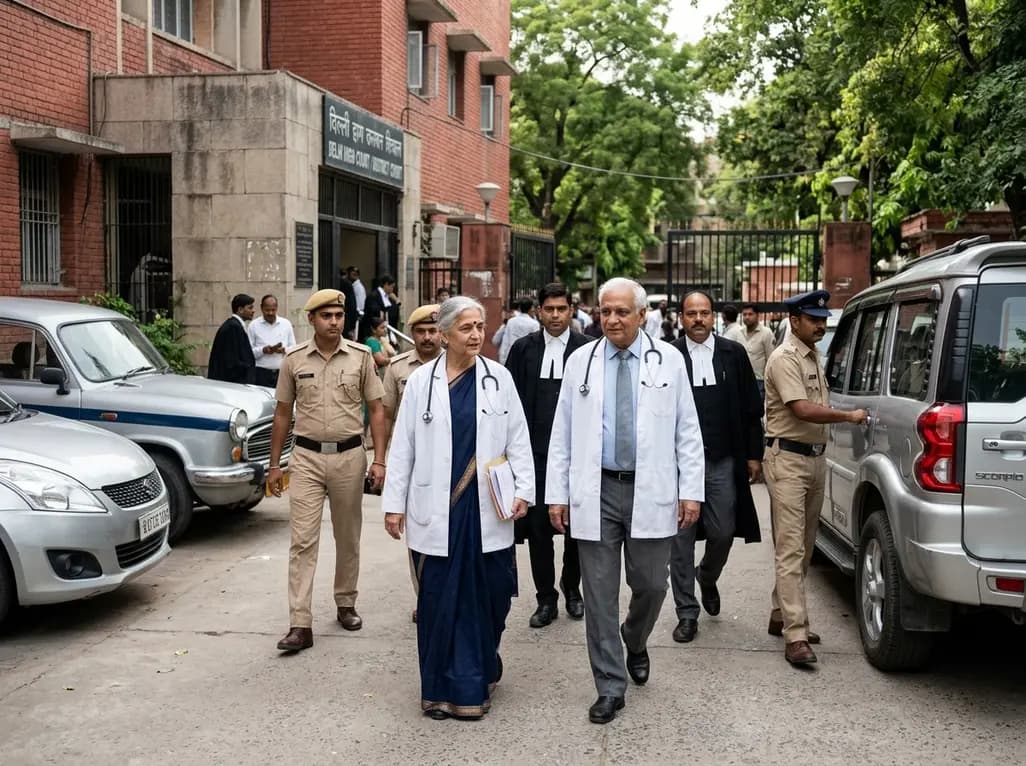
The Delhi High Court recently granted regular bail to two senior medical administrators in the DGHS procurement case. Specifically, Justice Sachin Datta approved bail for Dr. Vatsala Aggarwal and Dr. Vinod Kumar Ranga. Dr. Aggarwal previously served as Director General of Health Services. Meanwhile, Dr. Ranga led the Central Procurement Agency. Consequently, this key ruling addresses significant questions regarding pre-trial detention in public health administration.
The High Court carefully evaluated the necessity of continued custodial detention in the DGHS procurement case. Justice Sachin Datta emphasized that pre-trial custody must never serve as anticipatory punishment. Consequently, the court scrutinized whether ongoing investigations truly demanded the physical detention of the accused doctors. Authorities had arrested Dr. Ranga on June 18 and Dr. Aggarwal on June 27. Therefore, both senior medical officers spent several months in judicial custody during initial proceedings. Furthermore, state investigators had already seized the vast majority of official files and relevant records. The court observed that pending inquiries focus mainly on forensic analyses and third-party financial trails. In addition, police must examine the peripheral roles of private commercial contractors. Because these inquiries rely on technical data, continued custody serves no genuine investigative objective. Thus, the bench held that releasing the applicants would not prejudice ongoing proceedings. Moreover, this decision upholds fundamental constitutional rights protecting personal liberty before conviction. Ultimately, the High Court determined that regular bail was entirely justified under these legal parameters. Accordingly, Justice Datta set aside the trial court order that had previously denied them relief.
The prosecution vigorously opposed bail by highlighting the enormous scale of the alleged procurement fraud. Specifically, state prosecutors alleged that corrupt practices caused a wrongful loss of 842 crore rupees. Investigators claimed that administrative officials colluded with private suppliers to rig competitive medical tenders. In particular, authorities highlighted the contentious purchase of 448 portable X-ray units for Delhi hospitals. According to investigators, the original manufacturer quoted approximately 14.92 lakh rupees per machine plus taxes. However, the contracted intermediary firm, F-Med Devices, sold each machine for 37.8 lakh rupees. Consequently, prosecutors argued that this price difference created substantial illegal profits for favoured vendors. Furthermore, the probe identified pharmaceutical distributor Rajiv Kumar, known as Rajiv Rangeela, as the central mastermind. Authorities alleged that Rangeela operated several corporate front entities to capture lucrative public hospital contracts. Therefore, the prosecution contended that releasing the administrators could compromise ongoing recovery efforts. Nevertheless, the court noted that final financial losses require thorough accounting reconciliation during trial. Meanwhile, formal charges remain unconfirmed while forensic examiners complete their ongoing audits. Thus, the prosecution could not justify indefinite detention based solely on initial financial estimates.
A central prosecution argument involved several missing tender files and unrecovered mobile phones. State attorneys alleged that the accused doctors deliberately withheld or concealed these critical administrative documents. However, the High Court firmly rejected this argument as a valid reason for continued detention. Justice Datta observed that police teams had already searched eight different official and private locations. Despite months of physical custody and exhaustive searches, investigators failed to find the missing records. Consequently, the court ruled that custody cannot serve to coerce an accused into producing documents. In addition, the bench explained that establishing document removal remains a matter for substantive trial. Pre-trial detention cannot operate as a tool to extract evidence from government personnel. Furthermore, defense lawyers stressed that subordinate procurement divisions maintained routine custody of tender paperwork. In fact, earlier internal department evaluations found no overt pricing irregularities during initial procurement reviews. Therefore, prolonged confinement without fresh evidence violated basic principles of procedural fairness. Ultimately, the bench held that unrecovered files cannot justify indefinite deprivation of personal freedom. Accordingly, the court dismissed the state's objections concerning unrecovered physical paperwork.
When granting regular bail, the High Court carefully assessed potential flight risks and witness tampering. The bench highlighted that both Dr. Aggarwal and Dr. Ranga are senior medical doctors. Moreover, both professionals have established permanent residences in Delhi and possess zero criminal antecedents. Dr. Aggarwal had previously complied with all interim bail terms and surrendered on schedule. Consequently, the court found no credible reason to treat either applicant as a flight risk. Accordingly, Justice Datta directed their release upon furnishing personal bonds of 50,000 rupees each. However, the court imposed strict legal conditions to ensure full cooperation with continuing inquiries. Specifically, both doctors must immediately surrender their passports to the designated trial court. Furthermore, they cannot leave the National Capital Region or travel abroad without explicit prior permission. Additionally, the court strictly barred both individuals from entering health department or procurement agency premises. Thus, the applicants cannot access government offices except with direct approval from the trial court. Finally, the court prohibited them from contacting prosecution witnesses or influencing departmental colleagues. These stringent directives strike an equitable balance between individual liberty and judicial integrity.
This corruption case highlights severe operational vulnerabilities within centralized public healthcare procurement agencies. In modern healthcare systems, senior clinicians frequently assume heavy administrative and financial management responsibilities. However, medical training rarely equips physicians with thorough expertise in commercial procurement laws. Consequently, administrative doctors often become entangled in complicated contractual disputes and vendor manipulations. Furthermore, this incident underscores the urgent necessity of independent pricing audits within public hospitals. Central procurement agencies must implement automated price comparison tools and transparent digital tender frameworks. In addition, healthcare departments should establish specialized committees to verify technical specifications for diagnostic equipment. Hospital networks must also establish clear separation between clinical leadership and commercial vendor negotiations. Meanwhile, robust digital documentation systems can prevent critical tender paperwork from going missing. Therefore, healthcare administrators should adopt stringent compliance protocols to protect institutional integrity. Ultimately, systemic procurement reforms remain essential to safeguard public funds and maintain patient trust. Similarly, regular internal audits ensure that public resources directly benefit frontline clinical care. Thus, comprehensive administrative checks protect honest doctors while deterring fraudulent commercial practices. In conclusion, strong institutional governance forms the bedrock of reliable public health delivery.
Q1: Why did the Delhi High Court grant bail to the former health administrators?
The High Court granted bail because the Anti-Corruption Bureau had already seized most essential official records. Justice Sachin Datta ruled that prolonged detention cannot function as pre-trial punishment, especially when trials take years. Furthermore, both accused are established doctors with permanent Delhi residences and no flight risk. Because remaining inquiries focus on forensic trails and third-party firms, ongoing custodial detention was deemed legally unnecessary for completing the case.
Q2: What specific procurement irregularities form the core of the allegations?
The allegations center on inflated equipment purchases and manipulated tendering processes within the Central Procurement Agency. Specifically, investigators highlighted the acquisition of 448 portable X-ray machines for government hospitals. While the original manufacturer quoted roughly 14.92 lakh rupees per unit, the intermediary vendor allegedly billed 37.8 lakh rupees each. Additionally, prosecutors claim private syndicates floated dummy front companies to bypass competitive public bidding guidelines and secure government orders.
Q3: What conditions must the accused doctors follow while on bail?
The court imposed strict compliance conditions to ensure the accused cooperate fully with investigators. Specifically, both doctors must furnish a personal bond of 50,000 rupees with an equivalent surety. Furthermore, they had to surrender their passports and cannot leave the National Capital Region without judicial clearance. Additionally, the bench barred them from entering departmental procurement offices. Moreover, they cannot contact any prosecution witnesses during the ongoing legal proceedings.
Disclaimer: This content is for informational and educational purposes only. It does not constitute medical advice or replace professional judgment. Refer to the latest local and national guidelines for clinical practice.
References

Read summarized clinical updates, watch expert medical content, and earn CME certifications right from your smartphone.
Open your smartphone camera to scan and install.





The Delhi High Court granted regular bail to former health director Dr Vatsala Aggarwal and procurement chief Dr Vinod Kumar Ranga. Justice Sachin Datta ruled that prolonged pre-trial custody was unnecessary because investigators had already seized key records, while financial reconciliation remains pending.
Today
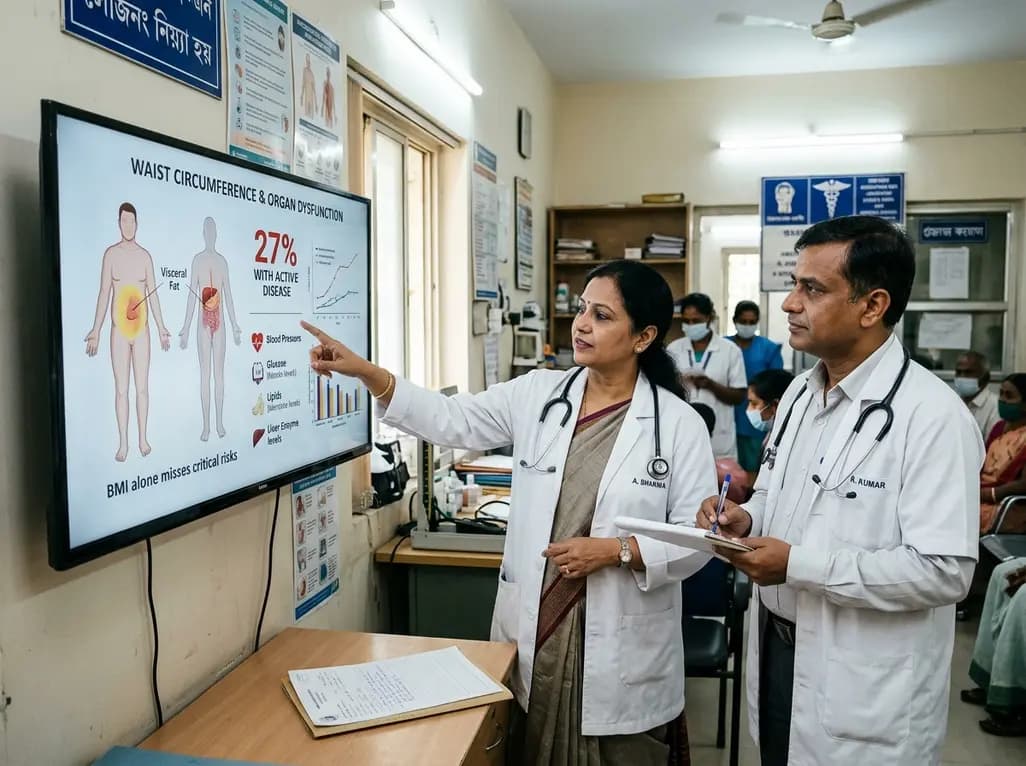
A landmark Nature study reveals that only 27% of individuals with obesity have active clinical disease. By incorporating waist circumference and organ dysfunction, this new diagnostic framework moves beyond BMI to prevent widespread misclassification and guide personalized metabolic intervention.
Today
A breakthrough blood test measuring the RNA biomarker Tu-Stroma detects microscopic serous tubal intraepithelial carcinoma (STIC) lesions with remarkable accuracy. This non-invasive diagnostic tool offers crucial biological insight to guide prophylactic surgery decisions for women carrying high-risk genetic mutations.
Today
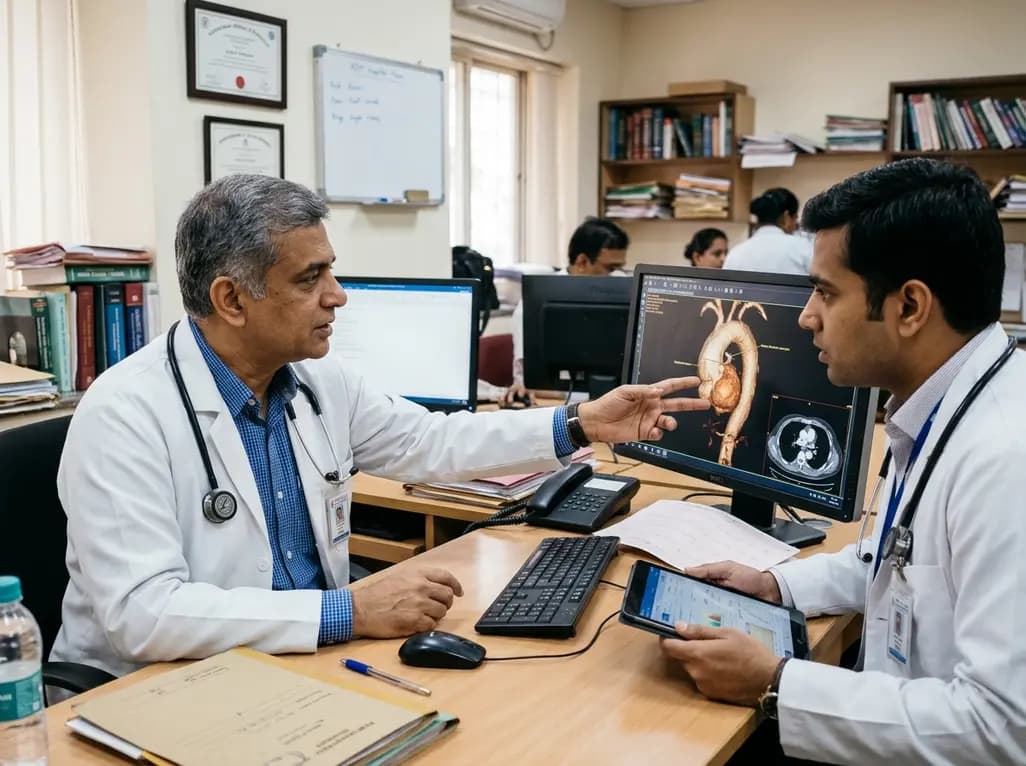
Thoracic aortic aneurysm lacks etiologic medical therapy. A new study reveals that targeting specific αV integrins with Cilengitide attenuates TGF-β and mechanotransduction pathways, effectively limiting pro-fibrotic remodeling and aortic bulb dilation in both syndromic and sporadic disease models.
Today
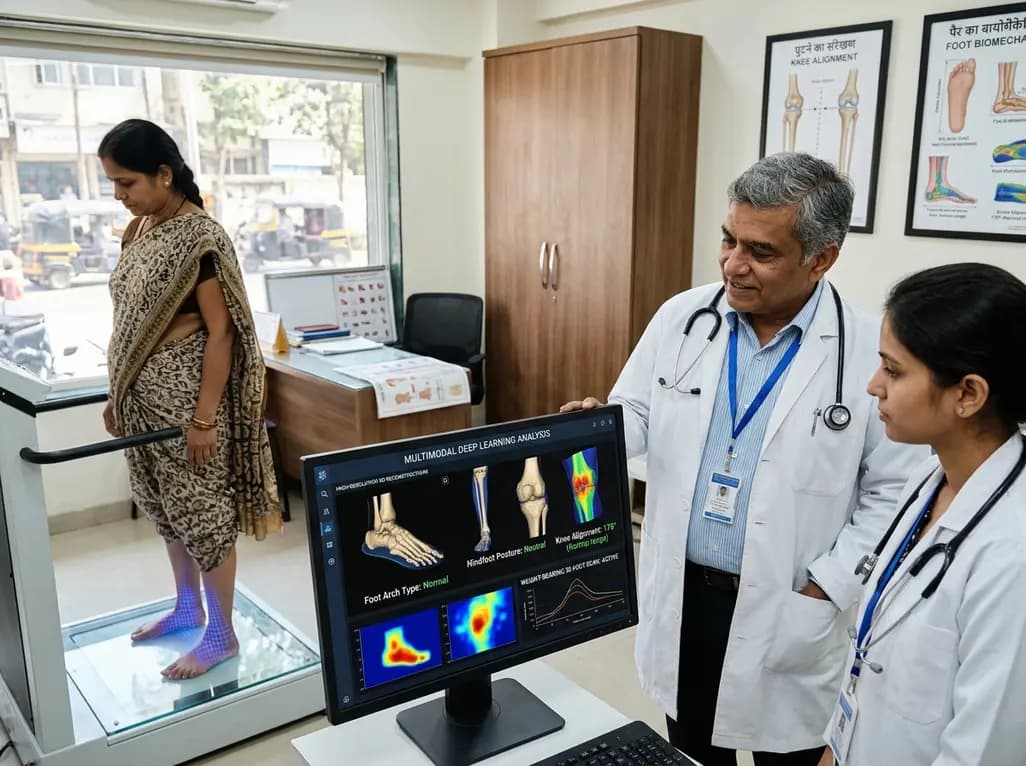
A multimodal deep learning framework utilizing weight-bearing 3D foot scans accurately screens lower-limb alignment, including arch type, hindfoot posture, and knee alignment, offering an accessible, radiation-free alternative to radiography for early biomechanical triage.
Today
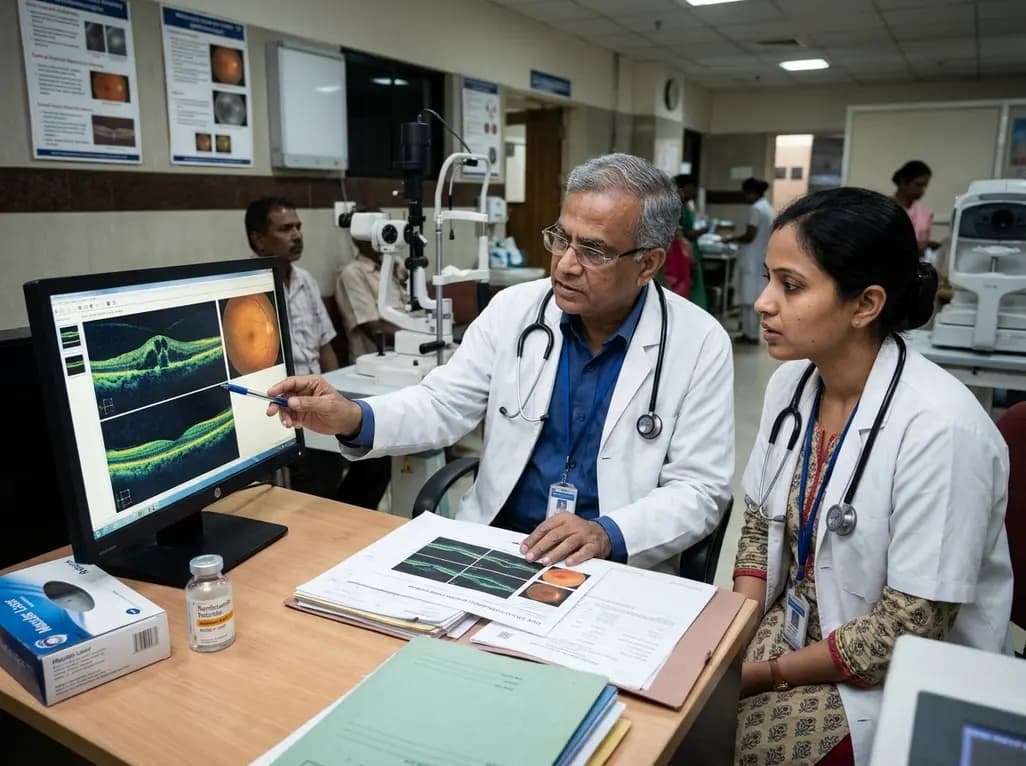
A real-world retrospective study demonstrates that combining intravitreal ranibizumab with focal/grid macular laser significantly improves visual acuity and central macular thickness compared to laser monotherapy in patients with center-involved diabetic macular edema.
Today
