

Loading, please wait...
Loading, please wait...

Relational competence is the therapist's ability to build and maintain a strong therapeutic alliance. It involves empathy, self-regulation, and the capacity to handle complex interpersonal dynamics to improve clinical outcomes.
Most trainees develop relational skills through experiential learning and direct clinical practice. Reflective supervision and feedback also play critical roles in helping them move from external validation to internalized professional standards.
Disclaimer: This content is for informational and educational purposes only. It does not constitute medical advice or establish a doctor-patient relationship. Refer to the latest local and national guidelines for clinical practice.
References
1. Trimoldi G et al. Developing relational competence in psychotherapy training: a qualitative study of trainees' perspectives. Res Psychother. 2026 Apr 22. doi: 10.4081/ripppo.2026.890. PMID: 42023480.
2. Norcross JC, Lambert MJ. Psychotherapy relationships that work III. Psychotherapy. 2018;55(4):303-315.
3. Wampold BE. How important are the common factors in psychotherapy? An update. World Psychiatry. 2015;14(3):270-277.

Read summarized clinical updates, watch expert medical content, and earn CME certifications right from your smartphone.
Open your smartphone camera to scan and install.





A qualitative study explores how psychotherapy trainees develop relational competence, highlighting the role of experiential learning and professional ident...
6 months ago
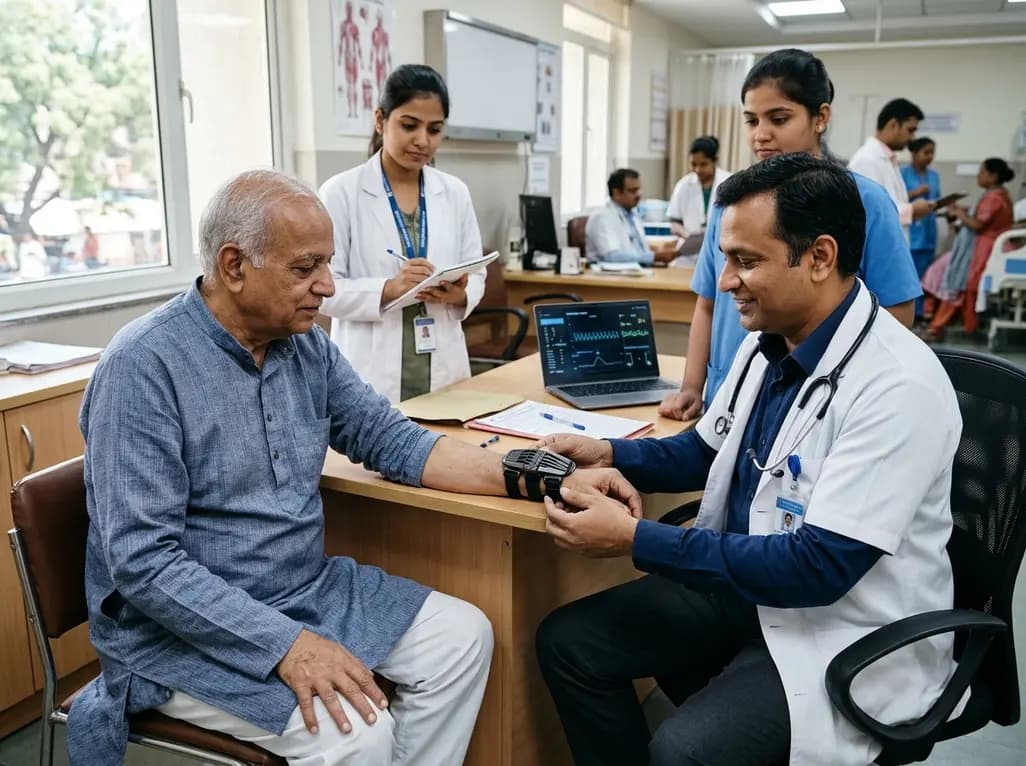
The TREM-AB open-label pilot study evaluated a wearable passive nonlinear vibration absorber for essential tremor. The Nonlinear Energy Sink bracelet reduced clinical Fahn-Tolosa-Marin tremor scores by 32.1% and electrophysiological tremor power by 49.2% with no adverse effects reported.
Today

A population-based study of 20,928 children reveals that small vulnerable newborns face sex-divergent mental capital outcomes at ages 6-7: term SGA girls show higher behavioral difficulties and lower resilience, while preterm non-SGA boys experience increased behavioral problems.
Today
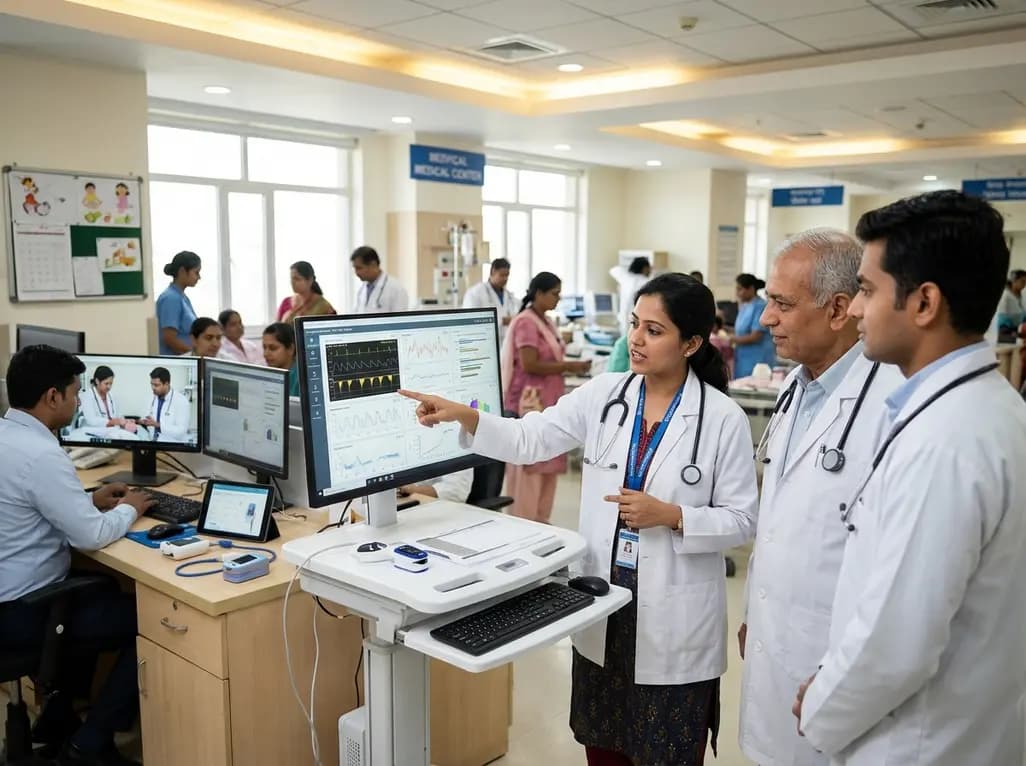
A landmark study details how an enterprise pediatric remote patient management model expanded from a single cardiology pilot to 16 diverse specialty programs by combining centralized digital operations with specialty clinical leadership.
Today

A comparative review of tension band wiring and intramedullary screw fixation in thumb metacarpophalangeal arthrodesis, evaluating union rates, hardware complications, and clinical outcomes.
Today
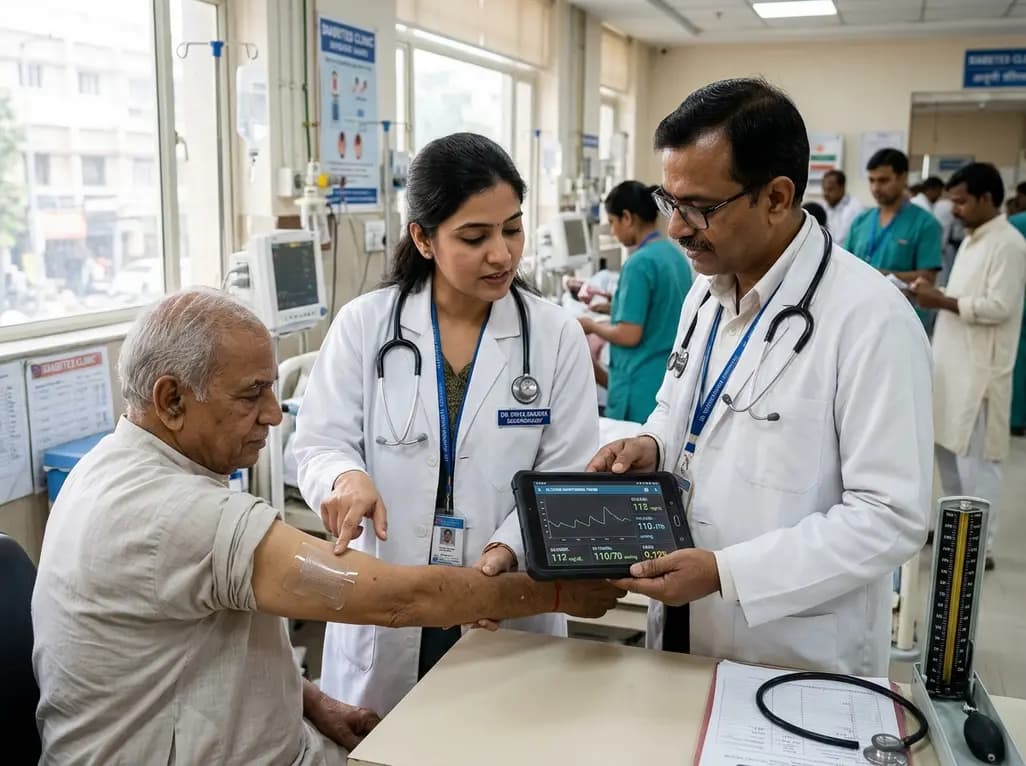
A breakthrough ultrathin multimodal sensor decouples physical hemodynamic monitoring from disposable electrochemical calibration, achieving long-term wearable glucose prediction with 81.36% accuracy and a 9.12% MARD. This offers a robust, drift-free solution for outpatient metabolic surveillance.
Today
