.webp&w=384&q=75)

Loading, please wait...
Loading, please wait...

Recent clinical evidence highlights a shifting landscape for long-term patient care. Specifically, Dementia in Type 2 Diabetes is becoming a major cause of mortality in developed nations. While modern medications effectively protect the heart, cognitive health remains a growing concern. Therefore, clinicians must now pivot their focus toward brain preservation as the next frontier of care.
A large-scale analysis covering 2.7 million deaths shows a clear epidemiological trend. Deaths from cardiovascular disease are declining significantly. Conversely, dementia-related mortality is on the rise. Modern therapies like GLP-1 agonists and SGLT-2 inhibitors provide excellent cardiac protection. However, these specific therapies do not yet target neurodegeneration directly.
Clinical data indicates that the medical community is entering a new era of metabolic management. Previously, practitioners prioritized heart health and blood sugar control above all else. Now, preserving cognitive function is becoming equally essential. Since patients live longer due to superior cardiac care, they face higher risks of age-related cognitive decline. Consequently, future personalized treatment goals must incorporate proactive brain health screenings.
New research also explores how hormonal factors influence oncology outcomes. Men choosing active surveillance for prostate cancer face unique challenges in risk assessment. Specifically, baseline testosterone levels of 300 ng/dL or lower correlate with a higher risk of aggressive progression to Grade 3 disease. Doctors can use this hormonal marker to tailor monitoring strategies more effectively. Thus, routine hormonal assessments may help refine surveillance protocols for early-stage patients.
The environment significantly impacts psychological well-being across various demographics. Recent projections suggest that climate change could cause billions of additional days of anxiety and depression. Low-income communities will likely face the heaviest economic and health burdens. Consequently, healthcare systems require increased investment in mental health resources. Promoting individual and community resilience is now a clinical necessity.
Q1: Why are dementia deaths rising in patients with type 2 diabetes?
A1: As cardiovascular treatments like GLP-1s and SGLT-2 inhibitors improve survival rates, patients live longer. This extended lifespan increases their exposure to neurodegenerative risks that current diabetes medications do not specifically prevent.
Q2: How does low testosterone affect prostate cancer monitoring?
A2: Studies show that testosterone levels at or below 300 ng/dL are linked to a higher probability of the cancer progressing to more aggressive forms, helping doctors identify high-risk patients during active surveillance.
Q3: What are the economic implications of climate change on mental health?
A3: Research estimates that rising temperatures and severe weather could lead to over $104 billion in economic damages due to increased symptoms of anxiety and depression.
Disclaimer: This content is for informational and educational purposes only. It does not constitute medical advice or replace professional judgment. Refer to the latest local and national guidelines for clinical practice.
References

Read summarized clinical updates, watch expert medical content, and earn CME certifications right from your smartphone.
Open your smartphone camera to scan and install.





New research highlights rising dementia mortality in type 2 diabetes, low testosterone risks in prostate cancer, and climate change's mental health impact....
7 months ago

A landmark 12-year longitudinal study highlights significant reductions in opioid prescribing for nonspecific low back pain following clinical guidelines and prescription monitoring systems, emphasizing non-opioid multimodal pain care.
Today

A study in Ultrasound in Obstetrics & Gynecology shows that quantitative vascularization of the anterior fornix/cervix with transvaginal ultrasound reliably identifies placenta accreta spectrum and predicts severe intraoperative hemorrhage, offering vital objective risk stratification.
Today
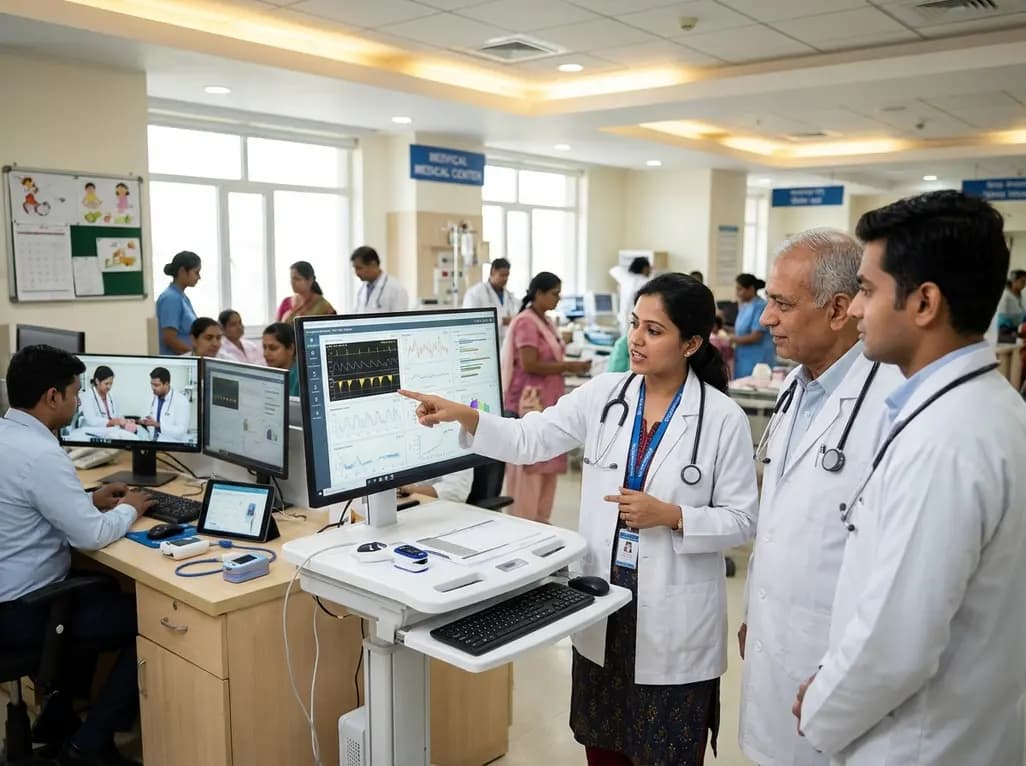
A landmark study details how an enterprise pediatric remote patient management model expanded from a single cardiology pilot to 16 diverse specialty programs by combining centralized digital operations with specialty clinical leadership.
Yesterday
A study evaluates vastus lateralis twitch kinetics, neural activation, and muscle architecture in 44 soccer players, showing dynamic neuromuscular measures predict jump and squat performance far better than ultrasound architecture alone.
Today

Protein O-GlcNAcylation couples cellular nutrient status to vital neuronal functions. This review explores how disrupted O-GlcNAc cycling drives both neurodevelopmental delays and neurodegenerative cascades, positioning metabolic post-translational modifications as therapeutic targets in clinical neurology.
Today
