.webp&w=384&q=75)

Loading, please wait...
Loading, please wait...

Supporting family members during the transition of a relative into long-term care is a critical aspect of geriatric practice. A recent study evaluated the dementia caregiver support intervention known as the Residential Care Transition Module (RCTM). This 12-month telehealth program provides psychosocial and psychoeducational resources to caregivers. Researchers utilized a post-hoc, mixed-methods analysis to determine how the intervention specifically helps families navigate the complexities of dementia care.
Consequently, the analysis focused on 240 caregivers who were randomly assigned to either the RCTM treatment or usual care. While initial quantitative findings may appear limited, the mixed-methods approach revealed deeper benefits. Participants in the treatment group reported significantly higher confidence in their ability to manage care transitions. Moreover, they felt better equipped to arrange legal and financial planning for their relatives.
The findings highlight two primary areas of improvement for caregivers. First, those receiving the dementia caregiver support intervention demonstrated greater self-efficacy in obtaining vital information. They successfully navigated resources such as the long-term care ombudsman and financial services. Additionally, caregivers reported a notable reduction in annoyance regarding the care recipient's behaviors. This suggests that the psychoeducational component effectively helps families process and manage common dementia symptoms.
Therefore, integrating such telehealth modules into routine clinical practice could significantly alleviate caregiver burden. The RCTM demonstrates that structured support remains beneficial even after a patient moves to a residential facility. Furthermore, clinicians should recognize that qualitative feedback often provides insights that standardized scales might overlook. Adopting these methodologies allows for a more comprehensive understanding of why certain interventions succeed.
Healthcare providers should consider referring families to psychosocial support programs during the transition to residential care. Because the RCTM is delivered via telehealth, it remains highly accessible for busy caregivers. By improving communication skills and resource navigation, this dementia caregiver support intervention fosters a more resilient care environment. In conclusion, addressing the psychological needs of the family is just as important as the clinical management of the patient.
The RCTM is a 12-month telehealth-based intervention. It offers psychosocial support and psychoeducation to caregivers whose relatives with dementia have moved into residential care settings.
The intervention increases caregiver confidence in navigating services like legal and financial planning. It also helps reduce the emotional frustration or annoyance that caregivers feel toward a patient’s behavioral symptoms.
Yes, telehealth delivery makes these services more accessible. Research indicates that remote psychosocial support can achieve results comparable to in-person counseling while saving caregivers time and travel costs.
Disclaimer: This content is for informational and educational purposes only and does not constitute medical advice or a professional relationship. Always seek the advice of a physician or other qualified health provider with any questions you may have regarding a medical condition. Refer to the latest local and national guidelines for clinical practice.
References
Gaugler JE et al. A mixed methods evaluation of the Residential Care Transition Module. Aging Ment Health. 2026 Feb 19. doi: 10.1080/13607863.2026.2631437. PMID: 41711094.
Laver K et al. Tele-Health Intervention for Carers of Dementia Patients—A Systematic Review and Meta-Analysis of Randomized Controlled Trials. Front Public Health. 2021 Feb 9;8:575977. doi: 10.3389/fpubh.2020.575977.
Gaugler JE et al. A Qualitative Analysis of Mechanisms of Benefit in the Residential Care Transition Module: A Telehealth Intervention for Caregivers of Relatives With Dementia Living in Residential Long-Term Care. Res Gerontol Nurs. 2023 Dec 24;16(5):225-236.
"
Read summarized clinical updates, watch expert medical content, and earn CME certifications right from your smartphone.
Open your smartphone camera to scan and install.





The Residential Care Transition Module (RCTM) improves dementia caregiver confidence in service navigation and reduces behavioral annoyance, per a new study...
8 months ago

A prospective multicenter trial demonstrates that a 15-day factory-calibrated continuous glucose monitoring system provides high analytical accuracy (MARD ~7.7%) and safety in pregnant women with gestational diabetes mellitus.
Today
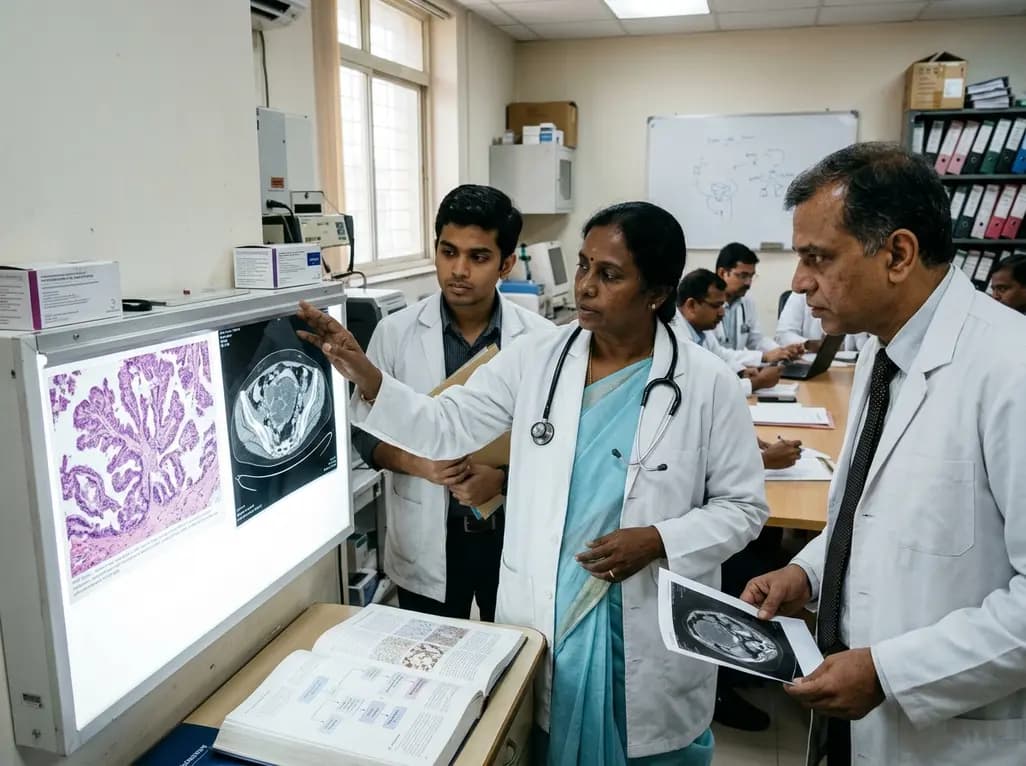
A rare presentation of cervical villoglandular adenocarcinoma metastasizing to the ovary mimicked a borderline ovarian tumor. Multimodal testing with immunohistochemistry and HPV16 DNA confirmed metastatic origin, guiding optimal surgical and chemoradiotherapy intervention.
Today
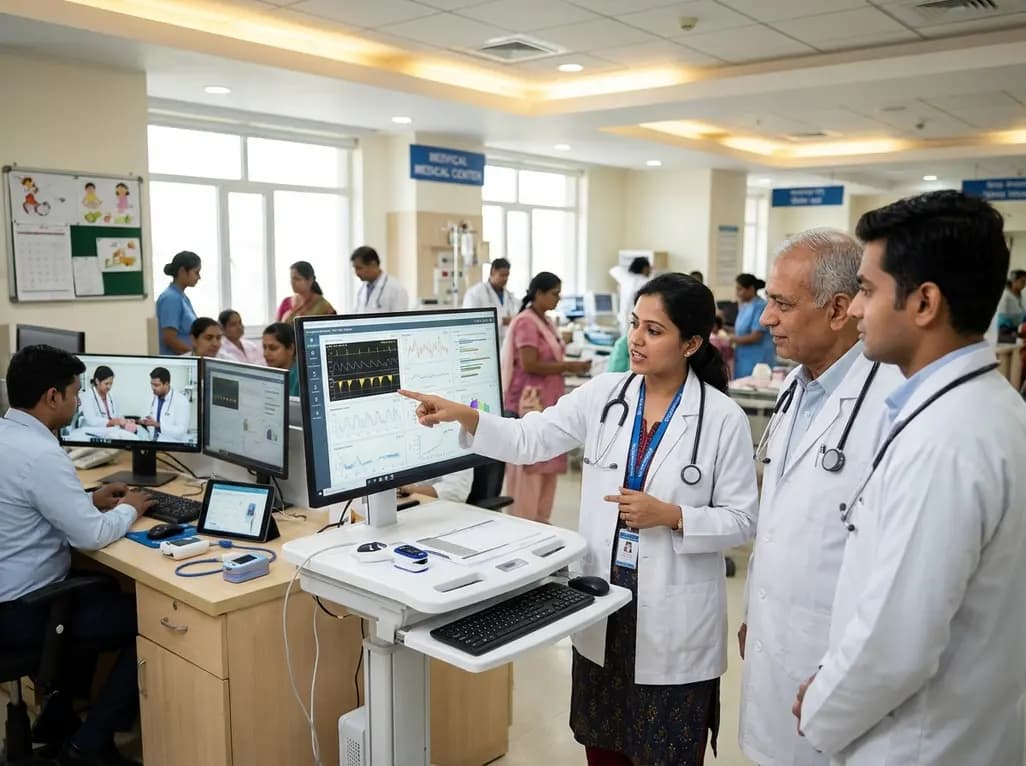
A landmark study details how an enterprise pediatric remote patient management model expanded from a single cardiology pilot to 16 diverse specialty programs by combining centralized digital operations with specialty clinical leadership.
Yesterday

A collegiate hurdler with a 2-year neglected Degan type III anterior process calcaneus fracture achieved complete pain resolution and bony bridging using focused extracorporeal shock wave therapy, returning to competition without invasive surgery.
Today
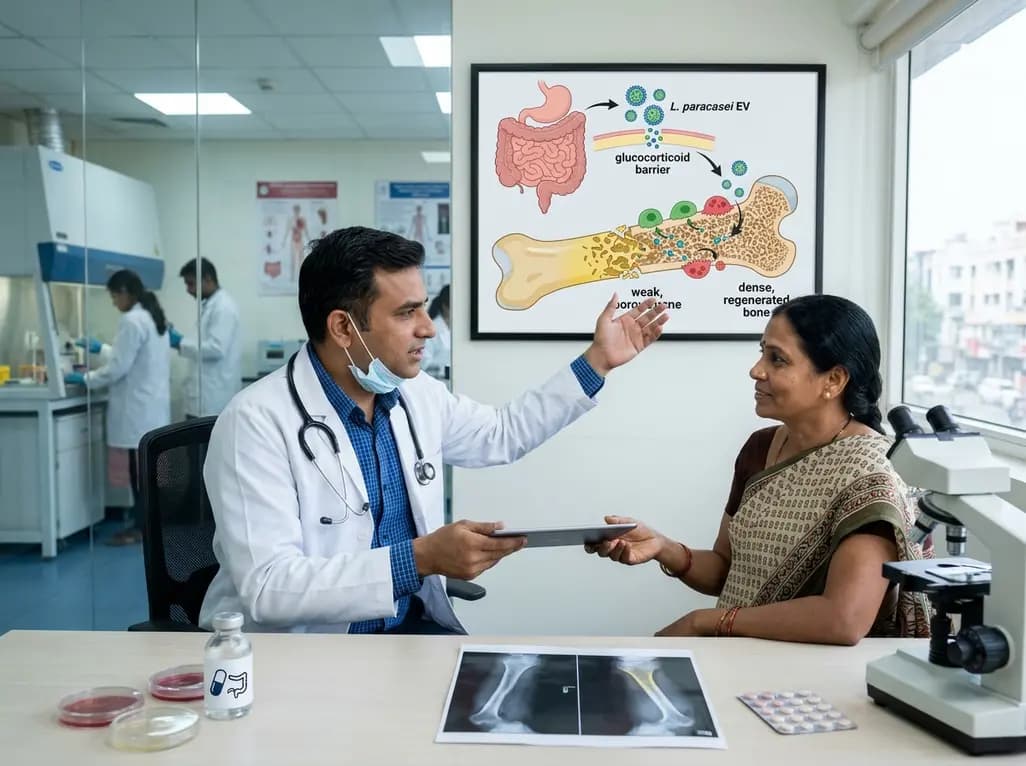
A novel oral nanoplatform using Lacticaseibacillus paracasei-derived extracellular vesicles delivers alendronate, reversing glucocorticoid-induced bone loss and restoring gut-immune-bone homeostasis.
Today
