

Loading, please wait...
Loading, please wait...

The Delhi government recently announced a significant Delhi medical training expansion to bolster the city's healthcare workforce. Specifically, the initiative introduces specialized programs at two major government hospitals. Health Minister Pankaj Kumar Singh emphasized that these additions will improve access to quality medical services. Consequently, local clinicians can pursue advanced certifications without leaving the capital. This strategic move aligns with broader efforts to modernize patient care infrastructure.
Guru Teg Bahadur (GTB) Hospital will host a new gynaecological oncology fellowship. This program operates under the Association of Gynecologic Oncologists of India. Furthermore, it offers one dedicated seat for specialized training. Candidates will focus on the diagnosis and treatment of gynaecological cancers. As a result, the hospital aims to become a center of excellence for tertiary oncology care. Doctors will gain hands-on expertise in complex surgical and medical interventions.
Sanjay Gandhi Memorial Hospital is set to introduce a Diplomate of National Board (DNB) primary course. This program focuses on family medicine and offers four post-MBBS seats. Notably, the course requires accreditation from the National Board of Examinations. Specialists in family medicine play a vital role in primary healthcare delivery. Therefore, this expansion addresses the shortage of trained generalists in urban settings. The government hopes this will streamline patient triage and improve community health outcomes.
An expert committee has already examined these proposals. Dr. B.R. Ambedkar Medical College's director-principal chaired this committee. Currently, the proposals await final administrative approval. Singh reiterated that the government remains committed to strengthening both medical education and patient care infrastructure.
Q1: Which hospitals are included in the new training plan?
The programs will be at Guru Teg Bahadur (GTB) Hospital and Sanjay Gandhi Memorial Hospital.
Q2: What is the focus of the GTB Hospital fellowship?
The fellowship focuses on gynaecological oncology, specifically the diagnosis and treatment of female reproductive system cancers.
Q3: How many seats are available for the DNB course?
The DNB primary course in family medicine at Sanjay Gandhi Memorial Hospital will offer four seats.
Disclaimer: This content is for informational and educational purposes only. It does not constitute medical advice or replace professional judgment. Refer to the latest local and national guidelines for clinical practice.
References

Read summarized clinical updates, watch expert medical content, and earn CME certifications right from your smartphone.
Open your smartphone camera to scan and install.





The Delhi government is introducing a gynaecological oncology fellowship and DNB family medicine courses at two major state-run hospitals to boost healthcar...
7 months ago
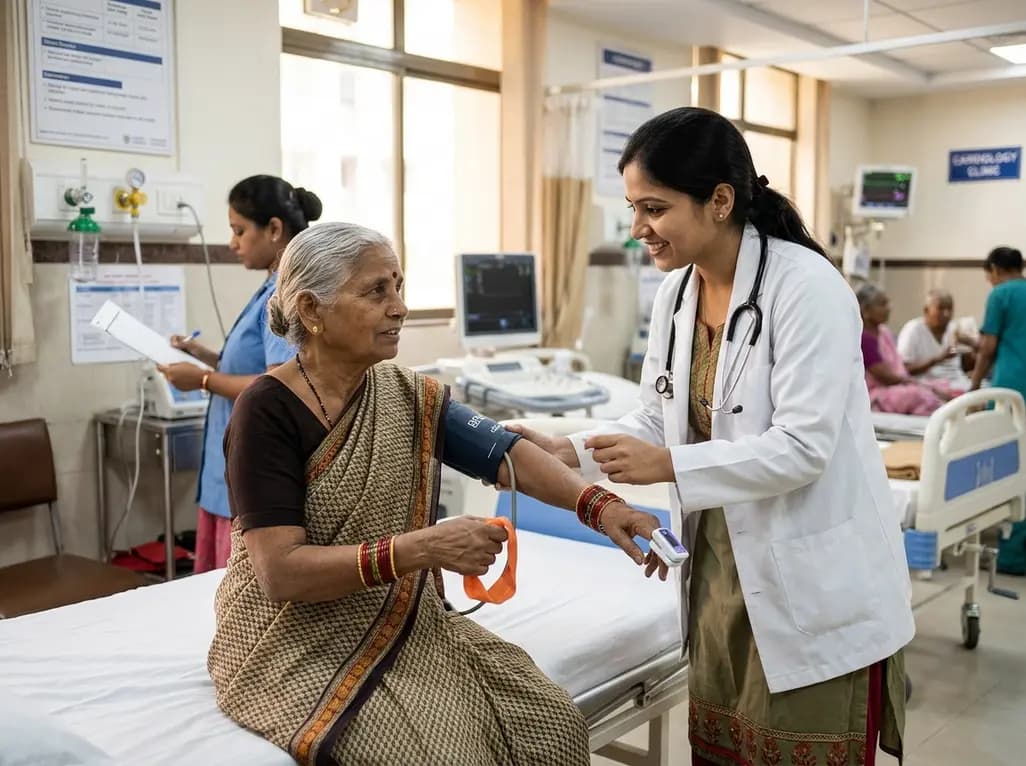
Review how tailored exercise programs benefit frail older patients with heart failure. Explore pathophysiological mechanisms, individualized training prescriptions, and strategies to overcome adherence barriers in clinical practice.
Today
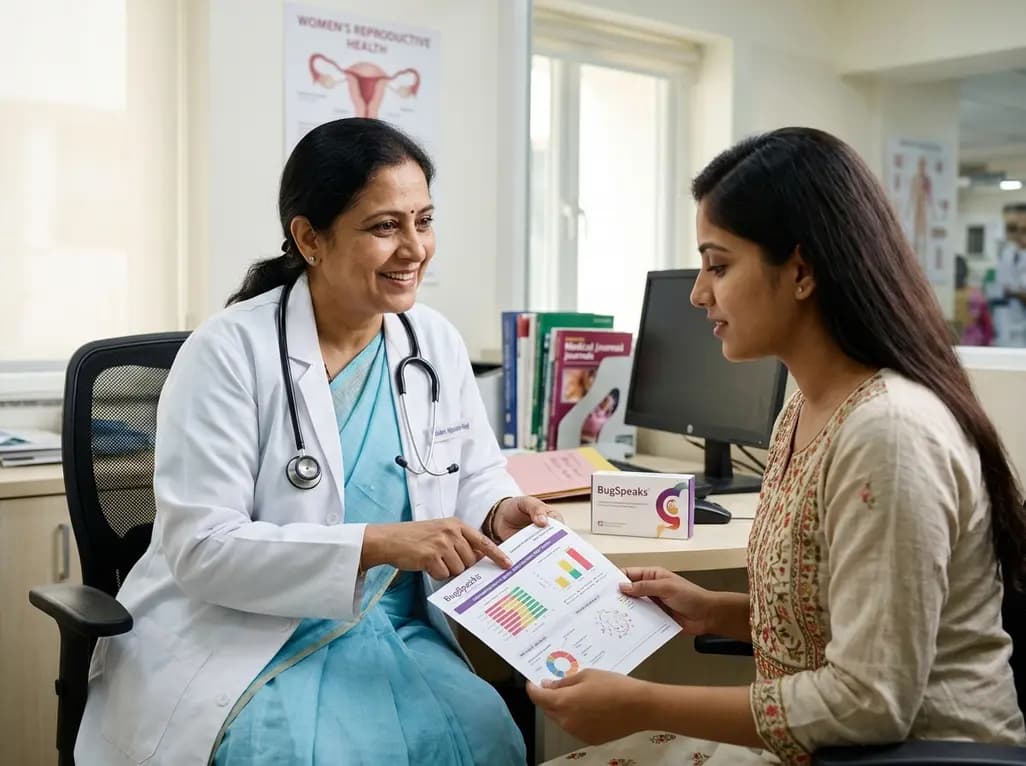
Leucine Rich Bio has introduced South Asia's first comprehensive vaginal microbiome test, BugSpeaks. By profiling microbial dysbiosis, pathogens, and antimicrobial resistance, this next-generation diagnostic platform provides clinicians with deeper insights into recurrent infections, fertility, and reproductive health.
Today
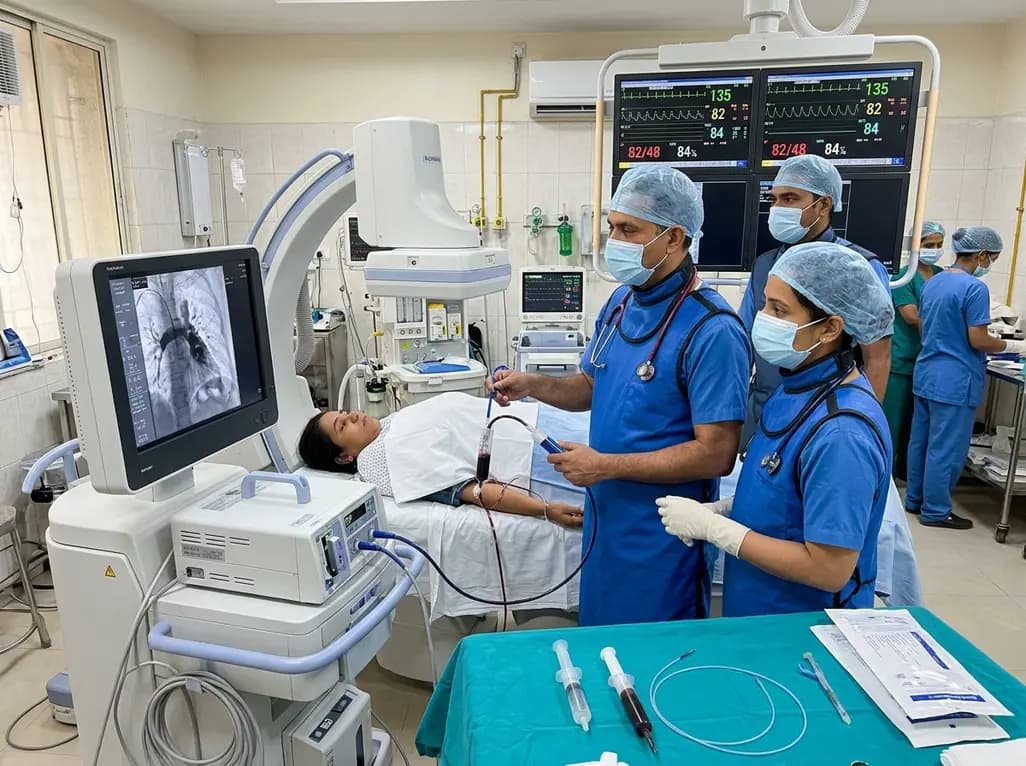
In high-risk pulmonary embolism complicated by severe anemia and active uterine bleeding, systemic thrombolysis is contraindicated. Large-bore aspiration thrombectomy provides rapid hemodynamic rescue without fibrinolysis, supported by inferior vena cava filter placement and multidisciplinary critical care.
Today

This comparative study evaluates posterior labral tears with and without glenohumeral instability, highlighting distinct demographic patterns, MRI underestimation in stable shoulders, and successful arthroscopic repair outcomes.
Today
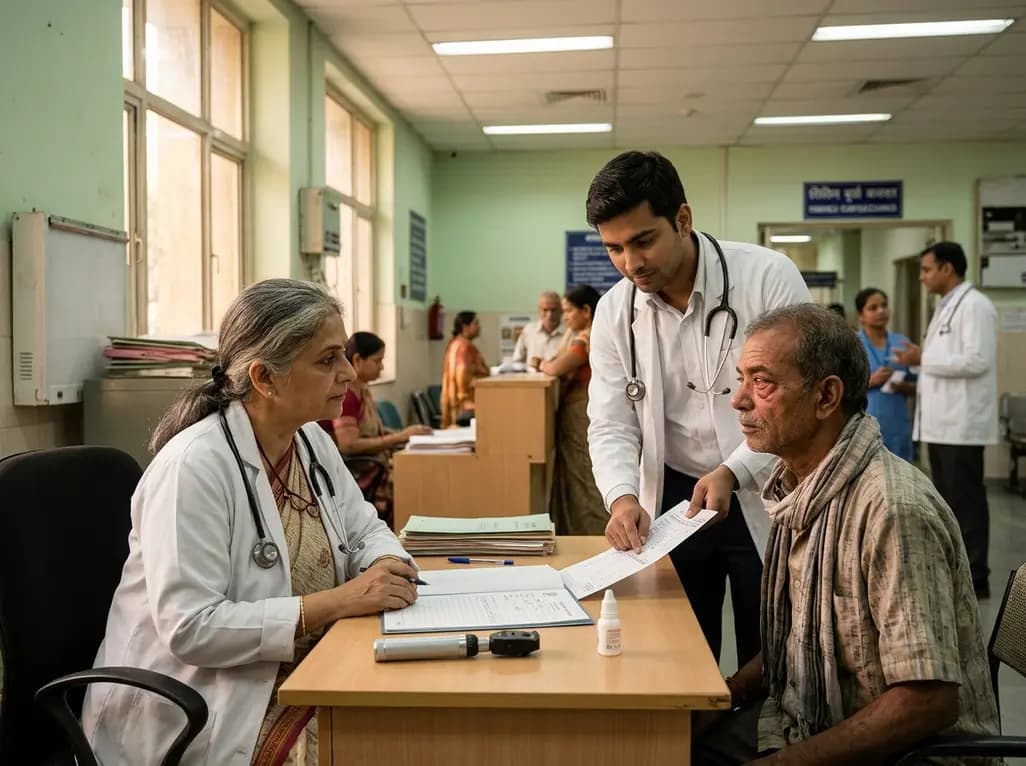
A clinical study demonstrates that early intervention with tocilizumab, either as monotherapy or bridged with corticosteroids, achieves significant proptosis reduction and resolves active inflammation in treatment-naive thyroid eye disease.
Today
