.webp&w=384&q=75)

Loading, please wait...
Loading, please wait...
The Delhi High Court recently issued a landmark judgment in the long-running dispute between Japanese pharmaceutical firm Daiichi Sankyo and the former promoters of Ranbaxy. In this significant development, the court mandated an exhaustive forensic investigation into historic share movements. Consequently, the healthcare network is assessing its legal remedies. Understanding the background and legal implications of the Fortis Daiichi arbitration ruling is essential for healthcare administrators, medical practitioners, and industry stakeholders across India.
The origins of this dispute trace back to 2008 when Daiichi Sankyo acquired a majority stake in Ranbaxy Laboratories from former promoters Malvinder Mohan Singh and Shivinder Mohan Singh. Soon after the acquisition, regulatory investigations by international authorities revealed undisclosed compliance failures. As a result, Daiichi initiated international arbitration proceedings in Singapore, alleging concealment of crucial regulatory information during the share purchase.
In April 2016, the Singapore arbitral tribunal ruled in favor of Daiichi Sankyo, granting an award of over 2,562 crore rupees. Daiichi subsequently initiated enforcement proceedings in India to recover these funds. Over the subsequent decade, interest and penalties caused the total outstanding claim to swell to approximately 5,300 crore rupees. Meanwhile, multiple legal battles unfolded across the Delhi High Court and the Supreme Court of India regarding the preservation and execution of the debtors' underlying assets.
Justice Subramonium Prasad delivered a detailed 213-page judgment directing an independent chartered accountancy firm, S Ramanand Aiyar & Co, to conduct an exhaustive forensic audit. The primary objective of this enquiry is to reconstruct the entire chain of transactions involving Fortis Healthcare Limited shares from May 2016 onwards. In addition, the court directed the forensic auditors to complete this investigation within a strict six-month timeframe.
The investigation aims to determine whether former promoters, downstream companies, or financial institutions actively dissipated shares that were committed to satisfying the arbitral decree. The court observed with grave concern that judgment debtors often deploy procedural maneuvers to delay execution. Therefore, the forensic enquiry will identify all individuals and corporate entities that participated in asset depletion. Furthermore, the court seeks to establish absolute accountability regarding whether subsisting judicial orders were intentionally circumvented.
A central question arising from the Fortis Daiichi arbitration ruling pertains to the legal standing of current corporate leadership. In 2018, Malaysia-based IHH Healthcare Berhad acquired a controlling interest in Fortis Healthcare through an open bidding process. Current management has consistently maintained that Fortis was not an original judgment debtor and that day-to-day healthcare operations remain entirely independent of past promoter liabilities.
Nevertheless, the High Court held that corporate entities under new ownership cannot entirely claim ignorance regarding past institutional transactions. The judgment emphasized that if financial institutions or corporate structures actively aided in frustrating judicial decrees, the court retains the authority to explore legal remedies. Consequently, the court noted under paragraph 269 that it possesses powers to reverse unlawful transactions. Therefore, Fortis Healthcare announced that it is reviewing the full judgment and may approach the Supreme Court of India for urgent appellate relief.
This judicial directive carries notable broader lessons for hospital management and institutional healthcare governance in India. Modern corporate hospital networks require substantial capital investment, transparent financial structures, and strict regulatory compliance. When complex corporate litigation surrounds hospital promoter holdings, management teams must work diligently to protect clinical delivery from administrative distractions.
Fortunately, ongoing clinical services, patient care standards, and hospital operations across the network continue without interruption. Hospital administrators must maintain robust corporate governance frameworks and distinct firewalls between corporate shareholding matters and clinical workflows. In addition, strong institutional controls ensure that clinical staff and diagnostic facilities operate efficiently despite external legal developments. Clear internal communication helps alleviate anxiety among medical personnel and institutional partners during prolonged corporate litigations.
In the coming weeks, the forensic auditor will issue documentation requisitions to the involved entities, initiating the six-month evidentiary audit. Concurrently, legal teams representing Fortis Healthcare and IHH Healthcare are preparing their legal strategy to challenge adverse observations before the Supreme Court. The highest court had previously issued directions in 2022 regarding asset evaluation, making an appellate review highly pertinent.
Meanwhile, healthcare market analysts and institutional investors are tracking developments closely to evaluate any potential contingent financial liabilities. Transparent disclosures by hospital leadership will remain vital to preserving stakeholder trust and ensuring stability. As the judicial process continues, regulatory authorities and healthcare professionals alike will observe how the Indian legal system balances corporate debt enforcement with institutional continuity in essential health services.
Q1: What did the Delhi High Court order in the Fortis-Daiichi arbitration case?
The Delhi High Court appointed an independent accounting firm to conduct a comprehensive six-month forensic audit into Fortis Healthcare share transactions. The court seeks to reconstruct historic share movements, identify any dissipation of assets committed toward satisfying Daiichi Sankyo's arbitral award, and determine whether earlier judicial orders were intentionally violated by previous promoters or financial entities.
Q2: How does this ruling affect current hospital operations and patient care?
The High Court ruling centers entirely on historic financial transactions, share transfers, and corporate asset recovery. Consequently, clinical operations, inpatient treatments, emergency medical services, and doctor consultations across the Fortis network continue without disruption. Hospital administration and parent promoter IHH Healthcare maintain strict operational continuity while their legal teams address the corporate litigation.
Q3: Why might Fortis Healthcare approach the Supreme Court regarding this decision?
Fortis Healthcare is reviewing the 213-page judgment because the court noted potential remedies involving past transactions and new management responsibilities. To protect corporate balance sheets and clarify contingent liabilities, Fortis may seek appellate intervention from the Supreme Court of India. An appeal aims to stay or modify observations that could impact current stakeholder rights.
Disclaimer: This content is for informational and educational purposes only. It does not constitute medical advice or replace professional judgment. Refer to the latest local and national guidelines for clinical practice.
References

Read summarized clinical updates, watch expert medical content, and earn CME certifications right from your smartphone.
Open your smartphone camera to scan and install.





The Delhi High Court ordered a six-month forensic audit into Fortis Healthcare share transactions in the Daiichi Sankyo dispute. Fortis is reviewing the ruling and evaluating an appeal before the Supreme Court, while examining governance, institutional obligations, and operational impacts.
4 weeks back
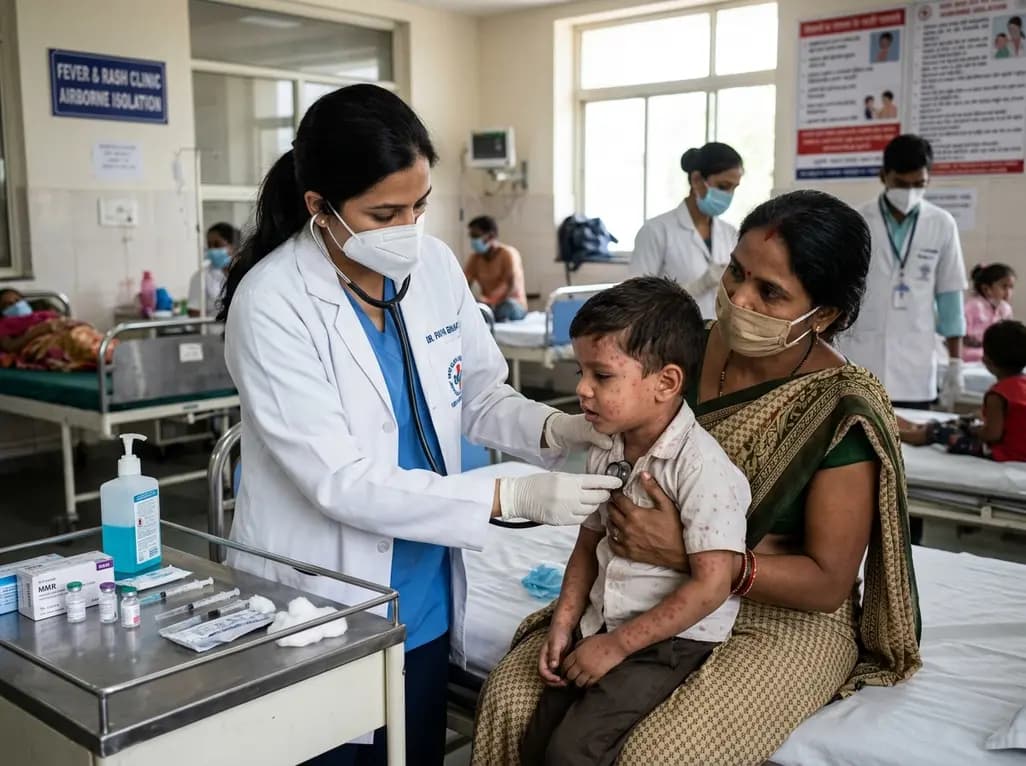
Measles cases are escalating rapidly, driven by declining vaccination rates and high transmissibility. Healthcare providers must remain alert to prodromal symptoms, implement prompt airborne isolation, deliver post-exposure prophylaxis, and promote two-dose MMR coverage to curb morbidity and severe complications.
Today
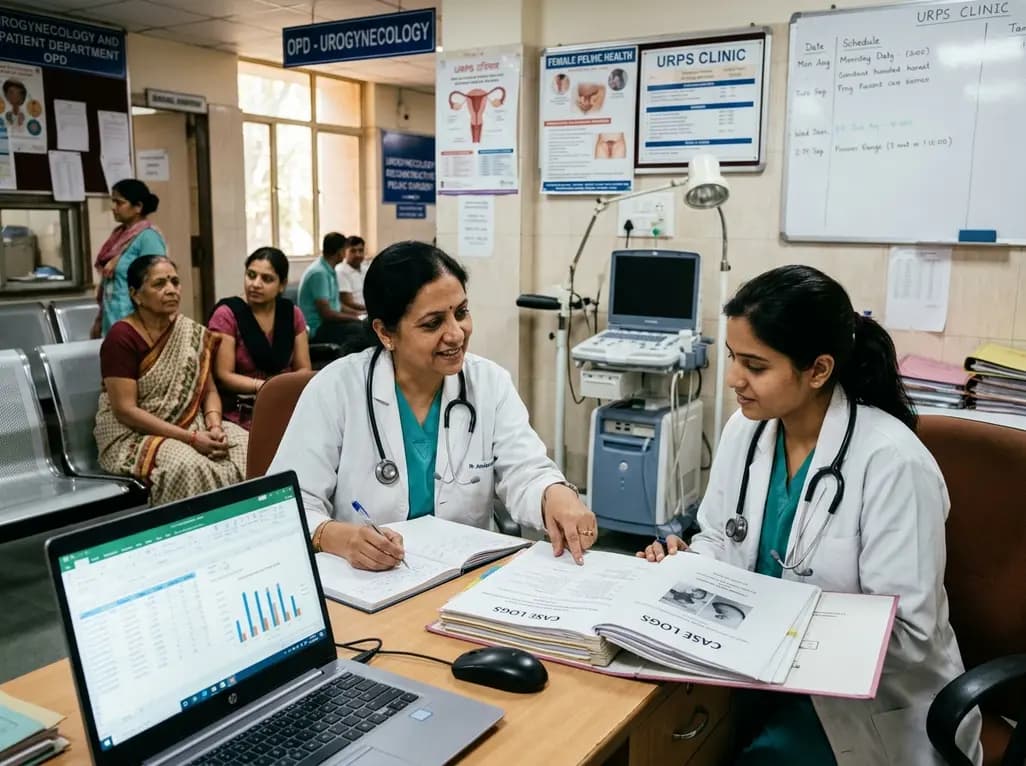
A ten-year cohort study of ABU case logs reveals that URPS fellowship training significantly drives higher annual case volumes, advanced surgical complexity, and increased female representation in pelvic floor reconstruction, underscoring the vital need for structured subspecialty training.
Today

Systemic amyloidosis management is undergoing a therapeutic revolution. This clinical review synthesizes updates from the International Society of Amyloidosis, detailing novel plasma cell therapies, TTR stabilizers, silencers, translational models, and artificial intelligence in drug development.
Today
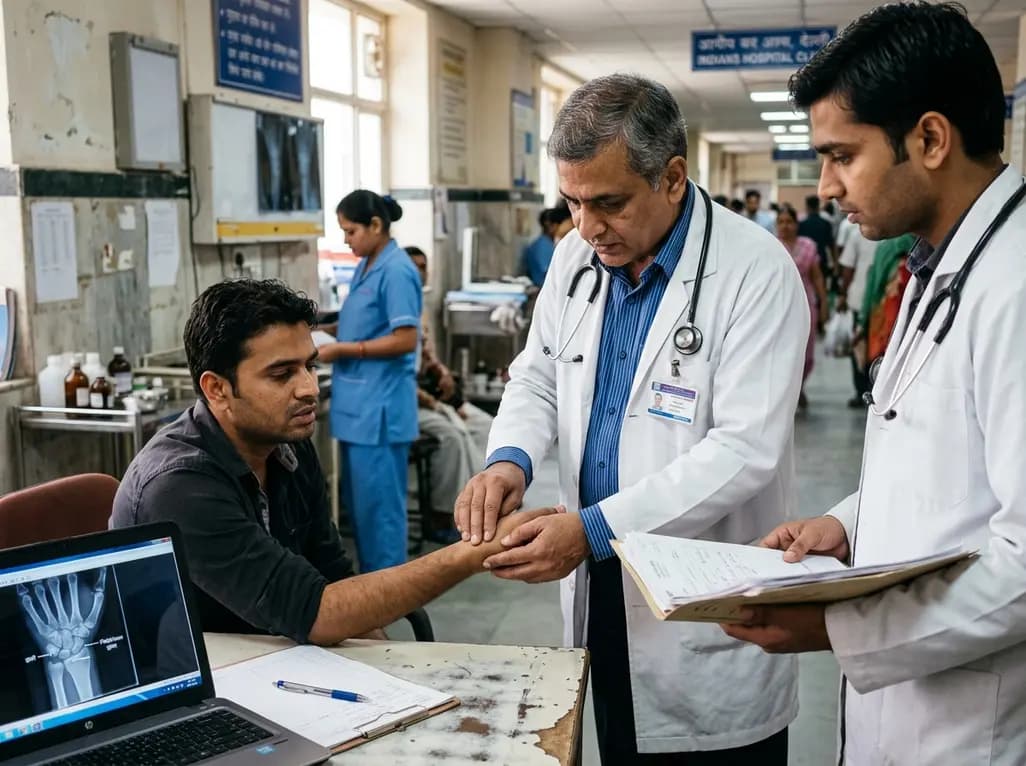
Posttraumatic pisotriquetral instability is a rare wrist injury causing severe hypothenar pain and weakness. Explore clinical examination, imaging, and pisiformectomy.
Today
A comprehensive review analyzes periconceptional GLP-1 receptor agonist exposure, revealing reassuring data on congenital anomalies and adverse perinatal outcomes while emphasizing the need for cautious patient counseling.
Yesterday
