.webp&w=384&q=75)

Loading, please wait...
Loading, please wait...
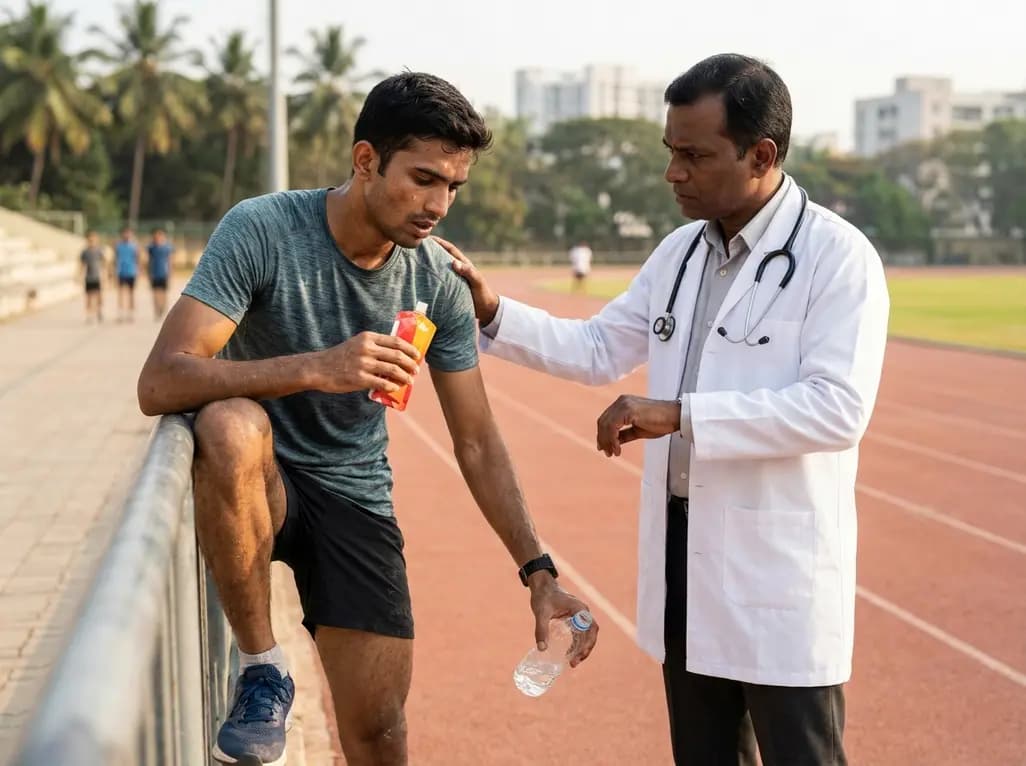
Endurance performance fundamentally relies on the body's ability to maintain energy production through substrate oxidation. For decades, athletes have utilized exogenous carbohydrate supplementation to spare internal glycogen stores and delay the onset of fatigue. However, the efficiency of this fueling strategy is not just a matter of ingestion but of metabolic processing. A critical factor influencing this process is the athlete's hydration status. Recent research, specifically focusing on exogenous glucose oxidation, has shed new light on how exercise-induced fluid loss can hinder the body's capacity to utilize ingested fuels. This is particularly relevant when exercising for prolonged periods, where the cumulative effects of sweat loss can lead to significant physiological strain. While many athletes focus solely on the gram-per-hour carbohydrate intake, understanding the role of water in facilitating glucose use is equally vital. In a landmark study by Macrae HZ et al., researchers investigated these dynamics in a temperate environment, providing essential data for clinicians and sports nutritionists. This research underscores that even without the extreme stress of heat, dehydration can substantially impair the metabolic availability of ingested glucose during steady-state exercise.
The study conducted by Macrae and colleagues involved trained male cyclists performing 160 minutes of cycling at a moderate intensity. The trial compared two distinct hydration states: low fluid intake (DEH) and high fluid intake (EUH). In both scenarios, the participants ingested a standard 60 grams of glucose per hour, a common target for endurance events. The researchers utilized isotopic labeling with [U-C]-glucose to track exactly how much of that ingested sugar was actually being oxidized by the muscles. Consequently, the results were striking. The peak rates of exogenous glucose oxidation were significantly lower in the dehydrated group compared to the euhydrated group. Specifically, the peak oxidation reached approximately 0.79 g/min in the well-hydrated state but dropped to 0.70 g/min under dehydration. Moreover, the mean oxidation rate over the primary exercise window showed a reduction of nearly 16%. Notably, the most pronounced difference between the two conditions appeared at the 60-minute mark. These findings demonstrate that a body mass loss of approximately 2.8% is sufficient to measurably reduce the metabolic utility of carbohydrate supplements, highlighting a critical bottleneck in performance nutrition that occurs well before extreme clinical dehydration sets in.
Why does a lack of water prevent the body from burning ingested sugar? The physiological explanation likely involves the complex interplay between blood volume, cardiovascular strain, and gastrointestinal function. When an athlete becomes dehydrated, plasma volume typically decreases, leading to an increase in blood viscosity and a potential reduction in peripheral and splanchnic blood flow. This shift in circulation can impair the rate at which the small intestine absorbs glucose. Furthermore, dehydration can alter the transit time of fluids in the gut, potentially slowing gastric emptying or reducing the efficiency of glucose transporters. Although the study by Macrae noted that subjective GI symptoms and core temperatures did not differ drastically between the trials, the metabolic isotope data revealed a hidden impairment. Therefore, the reduction in exogenous glucose oxidation suggests that the limitation is likely rooted in the transport and absorption phase rather than the muscle's capacity to burn the fuel once it reaches the cell. Effectively, dehydration creates a physical barrier to fuel delivery, meaning that even if an athlete continues to consume gels or drinks, the body cannot access the energy as efficiently as it would in a hydrated state.
For medical educators and sports medicine practitioners, especially those working with athletes in diverse climates like India, these findings carry significant weight. In many parts of India, even during cooler months, high humidity and intensity can lead to substantial sweat rates. This study clarifies that exogenous glucose oxidation is compromised even in temperate conditions when fluid intake is inadequate. Clinicians should advise endurance athletes that fueling and hydration are not separate silos but are synergistic components of a single metabolic system. If an athlete is struggling with "hitting the wall" or experiencing unexpected fatigue despite high carbohydrate intake, the root cause might be a secondary failure of glucose oxidation due to mounting dehydration. Therefore, practitioners should emphasize the importance of maintaining body mass loss at less than 2% to preserve metabolic efficiency. This research provides a clear evidence base for recommending aggressive fluid replacement strategies alongside carbohydrate ingestion. By ensuring adequate plasma volume, athletes can maximize the return on investment from every gram of carbohydrate they consume, ultimately leading to better performance outcomes and reduced metabolic stress during competition and training cycles.
To translate these scientific findings into practice, athletes must adopt a dual-focus strategy for hydration and fueling. The study utilized a 27% mass:mass glucose solution, which is relatively concentrated, followed by small amounts of water. For optimal exogenous glucose oxidation, athletes should aim for a more diluted solution or ensure significant additional water intake to facilitate gut absorption. Current guidelines often suggest 60 to 90 grams of carbohydrate per hour, but these amounts must be balanced with enough fluid to keep body mass loss minimal. Athletes should conduct sweat rate tests in various environments to understand their specific fluid needs. Moreover, during the first hour of exercise—where the Macrae study saw the largest oxidation difference—maintaining early hydration is crucial. Waiting until thirst sets in is often too late to prevent the metabolic slowdown observed in the data. Consequently, a proactive approach to fluid intake ensures that the intestinal transporters remain saturated and functional. By integrating these strategies, endurance cyclists and triathletes can protect their metabolic capacity and ensure that their fueling plan works as intended, rather than being stymied by the physiological consequences of dehydration.
The relationship between fluid balance and carbohydrate metabolism is more intricate than previously understood. The evidence from Macrae HZ et al. proves that dehydration is an independent inhibitor of exogenous glucose oxidation during prolonged exercise. While endogenous stores like muscle glycogen are limited, the ability to utilize external fuel sources is a cornerstone of endurance success. When this pathway is throttled by dehydration, performance inevitably suffers. This research serves as a reminder that the gut is a functional organ that requires adequate perfusion and hydration to perform its role as a nutrient gatekeeper. Therefore, the goal for any high-performance athlete should be to maintain a state as close to euhydration as possible to ensure peak metabolic flexibility. As we continue to refine sports nutrition, the focus must remain on the holistic physiological environment. By addressing hydration and carbohydrate intake as a combined intervention, clinicians can help athletes achieve higher oxidation rates and sustained power. Ultimately, this leads to a more resilient physiological state, allowing the athlete to push harder and longer regardless of the environmental challenges they may face.
Dehydration reduces the rate of exogenous glucose oxidation primarily by impairing the intestinal absorption and transport of ingested carbohydrates. When fluid levels drop, plasma volume decreases, which can limit blood flow to the gastrointestinal tract. This reduction in circulation slows the movement of glucose from the gut into the bloodstream. Consequently, even if glucose is consumed at high rates, the muscles cannot access and burn it as effectively as when the body is well-hydrated.
No, consuming more carbohydrates cannot compensate for the metabolic impairments caused by dehydration. In fact, increasing carbohydrate intake without sufficient water may exacerbate gastrointestinal distress. Since the study shows that dehydration creates a bottleneck in the absorption and oxidation process, the body simply cannot process the extra fuel. The most effective strategy is to restore fluid balance, which allows the body to maximize the oxidation of the carbohydrates already being consumed during exercise.
While heat and humidity certainly accelerate fluid loss, this specific study demonstrated that significant reductions in exogenous glucose oxidation occur even in temperate environments. This indicates that the physiological strain of dehydration itself, independent of extreme heat stress, is enough to hinder metabolic performance. Therefore, athletes should prioritize consistent hydration strategies across all climatic conditions, as the metabolic cost of a 2.8% body mass loss remains a factor regardless of the outside temperature.
Disclaimer: This content is for informational and educational purposes only. It is not intended as medical advice or to replace the professional judgment of a healthcare provider. Always consult a qualified medical professional for personal health concerns. Refer to the latest local and national guidelines for clinical practice.
References
Macrae HZ et al. Exercise-induced dehydration decreases exogenous glucose oxidation during prolonged cycling in a temperate environment. J Appl Physiol (1985). 2026 Jul 08. doi: 10.1152/japplphysiol.01192.2025. PMID: 42420769.
Jeukendrup AE. Carbohydrate intake during exercise and performance. Nutrition. 2004;20(7-8):669-677.
James LJ et al. Hypohydration impairs endurance performance: a blinded study. Physiol Rep. 2019;7(12):e14158.

Read summarized clinical updates, watch expert medical content, and earn CME certifications right from your smartphone.
Open your smartphone camera to scan and install.





A recent study highlights that dehydration reduces the body’s ability to use ingested glucose during exercise, even in temperate climates. This finding underscores the critical need for simultaneous fluid and carbohydrate management to maintain peak metabolic performance in endurance athletes.
3 months ago

Review how tailored exercise programs benefit frail older patients with heart failure. Explore pathophysiological mechanisms, individualized training prescriptions, and strategies to overcome adherence barriers in clinical practice.
Today

Leucine Rich Bio has introduced South Asia's first comprehensive vaginal microbiome test, BugSpeaks. By profiling microbial dysbiosis, pathogens, and antimicrobial resistance, this next-generation diagnostic platform provides clinicians with deeper insights into recurrent infections, fertility, and reproductive health.
Today

In high-risk pulmonary embolism complicated by severe anemia and active uterine bleeding, systemic thrombolysis is contraindicated. Large-bore aspiration thrombectomy provides rapid hemodynamic rescue without fibrinolysis, supported by inferior vena cava filter placement and multidisciplinary critical care.
Today

This comparative study evaluates posterior labral tears with and without glenohumeral instability, highlighting distinct demographic patterns, MRI underestimation in stable shoulders, and successful arthroscopic repair outcomes.
Today

A clinical study demonstrates that early intervention with tocilizumab, either as monotherapy or bridged with corticosteroids, achieves significant proptosis reduction and resolves active inflammation in treatment-naive thyroid eye disease.
Today
