.webp&w=384&q=75)

Loading, please wait...
Loading, please wait...
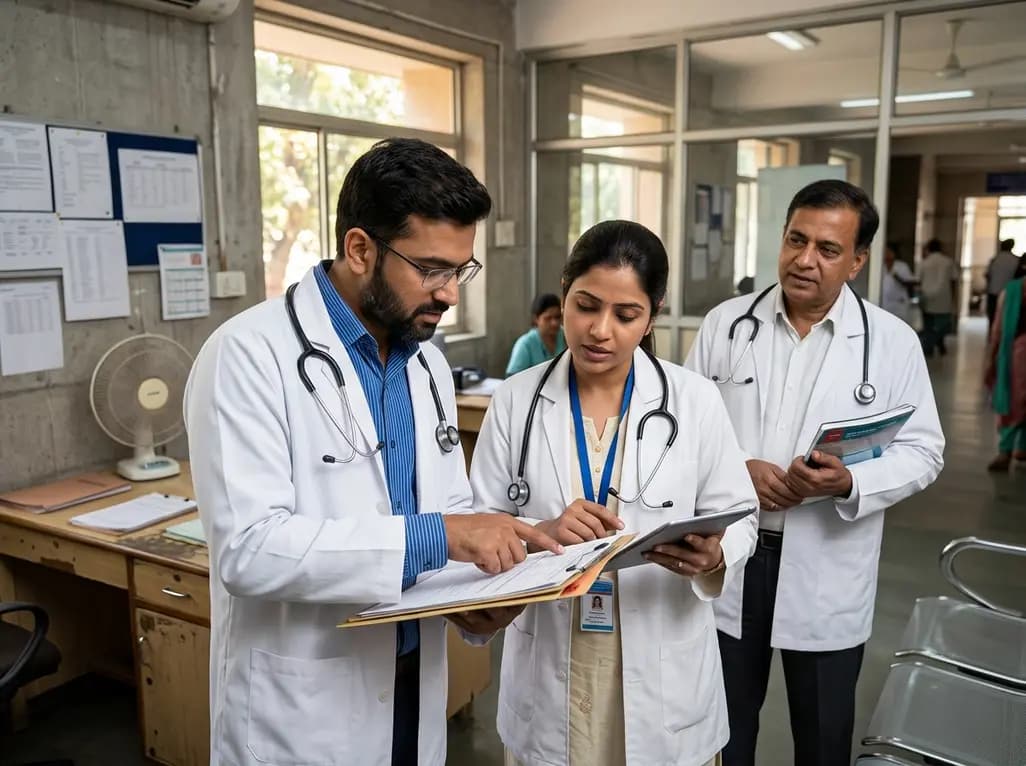
In the modern clinical landscape, the concept of death literacy in healthcare has emerged as a fundamental pillar of compassionate practice. It encompasses the collective knowledge and skills required to navigate the complex systems surrounding end-of-life care. While medical training historically focuses on the preservation of life, clinicians frequently find themselves ill-equipped to manage the inevitability of death. Consequently, practitioners may experience significant moral distress when supporting patients and families during their most vulnerable moments. This literacy is not merely about understanding physiological decline; rather, it involves a multifaceted approach to communication, legal navigation, and emotional support. By fostering a deep understanding of the dying process, healthcare education can transform from a disease-centric model into a holistic framework that honors the dignity of the individual. Developing these competencies allows doctors and nurses to provide a higher standard of care while maintaining their own professional resilience in high-pressure environments like oncology or critical care units.
Effective interventions in this field typically categorize knowledge into four distinct components. Factual literacy represents the baseline understanding of the biological stages of dying and the regulatory frameworks governing end-of-life decisions. Practical literacy extends this by focusing on the tangible skills needed, such as managing palliative medications or coordinating hospice services. Meanwhile, experiential literacy is cultivated through direct encounters with terminal illness and the subsequent reflection on those experiences. Notably, the final component, community literacy, emphasizes the importance of social networks and external support systems. Recent research suggests that while factual knowledge is frequently addressed in medical school curricula, community-based literacy remains significantly underrepresented. This imbalance often leaves clinicians focused on the hospital setting while neglecting the patient's transition back to their home or local support group. Therefore, a comprehensive curriculum must balance these four pillars to ensure that healthcare providers can bridge the gap between clinical intervention and social support for the bereaved and the dying.
A recent scoping review conducted by Decker and colleagues highlighted that most end-of-life interventions currently target nursing and medical students. These programs utilize diverse pedagogical strategies, including didactic lectures, simulation-based activities, and reflective writing. However, the rigor of these studies remains limited, as many rely on single-site, quasi-experimental designs. Furthermore, the integration of culturally informed content varies drastically between institutions. This variability indicates that while educators recognize the need for death literacy, they lack a standardized, evidence-based approach to implementation. Additionally, the focus remains largely on the clinician's immediate response rather than long-term community engagement. This research gap suggests that current educational models might not fully prepare students for the complexities of real-world practice. Moving forward, the academic community must prioritize multi-site studies and longitudinal assessments to determine which intervention strategies truly lead to better patient outcomes and reduced clinician burnout over time.
In the context of the Indian healthcare system, the necessity for improved death literacy is particularly acute. India faces unique challenges, including a massive burden of non-communicable diseases and limited access to formal palliative services in rural areas. Traditionally, medical education in India has been curative, often leaving the palliative aspect as an afterthought. Moreover, cultural nuances in South Asia frequently place the burden of decision-making on the family rather than the individual patient. This collective approach requires clinicians to possess exceptional communication skills to navigate family dynamics without compromising patient dignity. Legal hurdles, such as the complexities surrounding the Narcotic Drugs and Psychotropic Substances Act, further complicate pain management efforts. Consequently, Indian medical graduates need specific training that addresses these local regulatory and cultural realities. By incorporating death literacy into the national competency-based curriculum, the Indian healthcare system can begin to address the immense suffering of millions who currently lack access to dignified terminal care.
To improve practitioner readiness, educational programs must move beyond traditional classroom settings. Experiential activities, such as shadowing palliative care teams or participating in home visits, provide invaluable insights that textbooks cannot offer. Similarly, reflective writing exercises allow students to process their emotional reactions to death, which is essential for preventing long-term compassion fatigue. Peer discussions and expert-led debriefs also play a crucial role in normalizing conversations about mortality within the professional sphere. Furthermore, the use of narrative pedagogy—where students engage with the stories of patients and caregivers—can foster a deeper sense of empathy and cultural humility. When healthcare professionals are trained to view death as a natural part of life rather than a clinical failure, their ability to provide supportive care increases significantly. These strategies not only enhance the technical skills of the provider but also bolster their emotional capacity to handle the weight of end-of-life scenarios without succumbing to professional exhaustion.
As the field of healthcare education evolves, a greater emphasis on community death literacy will be paramount. Future interventions should seek to involve community leaders and patient advocacy groups directly in the training process. This collaborative approach ensures that clinicians understand the social determinants that influence how people die in different settings. Additionally, leveraging digital platforms and e-health tools can help disseminate death literacy resources to underserved populations and busy practitioners alike. Integrating cultural context into every level of training will also ensure that care is equitable and respectful of diverse traditions and beliefs. By fostering a culture of openness and community engagement, healthcare institutions can become leaders in the compassionate communities movement. Ultimately, the goal is to create a healthcare workforce that is not only scientifically proficient but also profoundly human in its approach to the end of life. This shift will lead to more resilient practitioners and a society that is better prepared to face the universal experience of loss with dignity and support.
Death literacy significantly enhances clinical readiness by providing healthcare professionals with the emotional tools and practical skills needed for end-of-life care. By mastering these competencies, clinicians can reduce their own moral distress and prevent professional burnout. Furthermore, high death literacy allows for more effective communication with grieving families, ensuring that medical decisions align with the patient’s personal values. Consequently, this leads to higher job satisfaction and improved quality of care for terminally ill patients.
Cultural context is vital because beliefs regarding death, mourning, and medical ethics vary widely across different populations. A culturally informed approach ensures that healthcare providers respect diverse traditions, such as family-centric decision-making common in many Asian cultures. Without this understanding, clinicians may inadvertently cause distress or ignore important spiritual needs. Therefore, integrating cultural humility into training programs is necessary to provide equitable, patient-centered care that honors the unique worldview of every individual facing the end of life.
The primary barriers include an overcrowded curriculum, a historical focus on curative medicine, and a lack of standardized assessment tools for death literacy. Additionally, many educators feel uncomfortable discussing mortality due to their own lack of training. This often results in death being treated as a clinical failure rather than a natural process. Overcoming these obstacles requires institutional commitment, the integration of interprofessional education, and the use of evidence-based pedagogical strategies like narrative pedagogy and simulation.
Disclaimer: This content is for informational and educational purposes only. It is not intended as medical advice or as a substitute for the professional judgment of a healthcare provider. Refer to the latest local and national guidelines for clinical practice.
References
Decker A et al. Educating for the end: A decade of death literacy interventions in U.S. health professions training. Death Stud. 2026 Jun 27. doi: 10.1080/07481187.2026.2693535. PMID: 42364086.
Noonan K, Horsfall D, Leonard R, Rosenberg J. Developing death literacy. Progress in Palliative Care. 2016;24(1):31-35. doi:10.1080/09699260.2015.1103498.
Khosla D, Patel FD, Sharma SC. Palliative care in India: current progress and future needs. Indian J Palliat Care. 2012 Sep-Dec;18(3):149-54. doi: 10.4103/0973-1075.105683.

Read summarized clinical updates, watch expert medical content, and earn CME certifications right from your smartphone.
Open your smartphone camera to scan and install.





Death literacy is an essential competency for healthcare professionals. This review examines how targeted interventions in medical and nursing education can improve end-of-life care outcomes through cultural awareness and community engagement.
3 months ago

As monsoon seasons elevate arboviral disease threats, Tamil Nadu has initiated an ICMR-monitored evaluation of the tetravalent dengue vaccine in Tenkasi district. Clinicians emphasize clinical monitoring, public prevention, and high-quality early pediatric care to reduce disease morbidity across endemic regions.
Today

Leucine Rich Bio has introduced South Asia's first comprehensive vaginal microbiome test, BugSpeaks. By profiling microbial dysbiosis, pathogens, and antimicrobial resistance, this next-generation diagnostic platform provides clinicians with deeper insights into recurrent infections, fertility, and reproductive health.
Today

Review how tailored exercise programs benefit frail older patients with heart failure. Explore pathophysiological mechanisms, individualized training prescriptions, and strategies to overcome adherence barriers in clinical practice.
Today

This comparative study evaluates posterior labral tears with and without glenohumeral instability, highlighting distinct demographic patterns, MRI underestimation in stable shoulders, and successful arthroscopic repair outcomes.
Today

A clinical study demonstrates that early intervention with tocilizumab, either as monotherapy or bridged with corticosteroids, achieves significant proptosis reduction and resolves active inflammation in treatment-naive thyroid eye disease.
Today
