.webp&w=384&q=75)

Loading, please wait...
Loading, please wait...
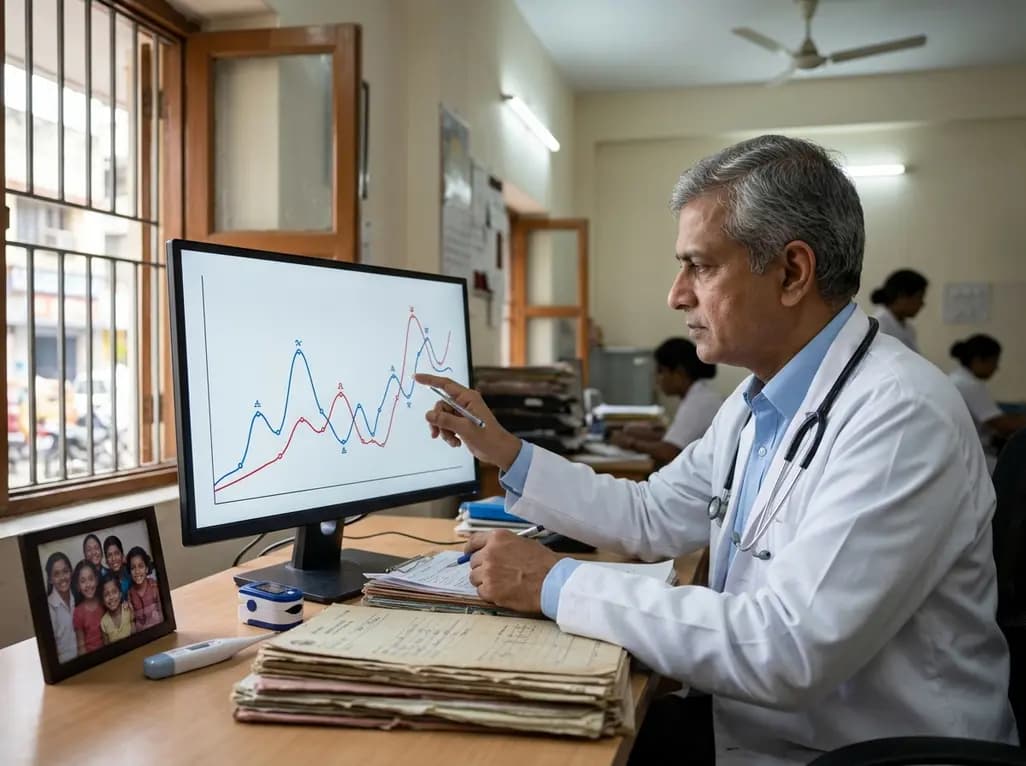
Febrile seizures and cytokines are increasingly recognized as critical factors in the pediatric immune response during common respiratory infections. While most febrile seizures are benign, understanding the underlying inflammatory markers can help clinicians identify children at higher risk. A recent retrospective study investigated the relationship between specific cytokine levels and the occurrence of these neurological events in children following respiratory tract infections.
The researchers conducted the study at Shaoxing People’s Hospital between January 2023 and March 2024. They enrolled 209 children who experienced febrile seizures (FS) secondary to respiratory infections and compared them to a control group of 108 children with similar infections but no history of seizures. By analyzing blood samples taken during the acute phase, the team aimed to pinpoint specific immune mediators that might trigger seizure activity.
The results showed significant differences in the immune profiles of the two groups. Specifically, Interleukin-2 (IL-2) and Interleukin-6 (IL-6) levels were markedly higher in children who experienced seizures compared to those who did not. Furthermore, the FS group exhibited higher white blood cell (WBC) counts and C-reactive protein (CRP) levels, suggesting a more robust inflammatory state. Notably, the study found a positive correlation between IL-2, IL-6, and the duration of fever before the seizure onset.
Moreover, the researchers observed that cytokine levels could serve as potential predictors for seizure recurrence. Children with significantly elevated IL-6 levels were more likely to have a family history of febrile seizures or experience complex seizures. Therefore, these findings suggest that the cytokine storm initiated by respiratory viruses might lower the seizure threshold in susceptible children.
For pediatricians and neurologists, these markers offer a glimpse into the pathophysiology of febrile convulsions. Identifying elevated IL-2 and IL-6 levels early in a febrile illness could potentially guide closer monitoring. Additionally, understanding this correlation may pave the way for future targeted therapies aimed at modulating the immune response to prevent seizure-related complications.
Pro-inflammatory cytokines like IL-6 can cross the blood-brain barrier or act on the hypothalamus to increase body temperature. They also enhance neuronal excitability, which directly lowers the threshold for seizure activity during a high fever.
While testing is not yet standard clinical practice, research indicates that higher levels of IL-6 and IL-2 are associated with an increased risk of recurrent and complex febrile seizures. This makes them valuable markers for future risk stratification.
Most infections trigger an immune response; however, the degree of cytokine release varies. Children who develop febrile seizures appear to have a more pronounced or dysregulated inflammatory response compared to their peers.
Disclaimer: This content is for informational and educational purposes only. It is not a substitute for professional medical advice, diagnosis, or treatment. Always seek the advice of your physician or other qualified health provider with any questions you may have regarding a medical condition. Refer to the latest local and national guidelines for clinical practice.
References
1. Yu D et al. Correlation between febrile seizures and cytokines in children: a retrospective study. Brain Dev. 2026 Jun 05. doi: undefined. PMID: 42247727.
2. Chen R et al. Analysis of cytokines and trace elements in children with febrile seizures. World J Clin Cases. 2020;8(24):6273-6282.
3. Gupta S et al. Serum Interleukin-6 Levels in Children with Febrile Seizures. Indian Pediatr. 2018;55(2):162-163.

Read summarized clinical updates, watch expert medical content, and earn CME certifications right from your smartphone.
Open your smartphone camera to scan and install.





This retrospective study examines the correlation between IL-2, IL-6 levels, and febrile seizures in children following respiratory tract infections....
4 months ago

As monsoon seasons elevate arboviral disease threats, Tamil Nadu has initiated an ICMR-monitored evaluation of the tetravalent dengue vaccine in Tenkasi district. Clinicians emphasize clinical monitoring, public prevention, and high-quality early pediatric care to reduce disease morbidity across endemic regions.
Today

Leucine Rich Bio has introduced South Asia's first comprehensive vaginal microbiome test, BugSpeaks. By profiling microbial dysbiosis, pathogens, and antimicrobial resistance, this next-generation diagnostic platform provides clinicians with deeper insights into recurrent infections, fertility, and reproductive health.
Today

Review how tailored exercise programs benefit frail older patients with heart failure. Explore pathophysiological mechanisms, individualized training prescriptions, and strategies to overcome adherence barriers in clinical practice.
Today

This comparative study evaluates posterior labral tears with and without glenohumeral instability, highlighting distinct demographic patterns, MRI underestimation in stable shoulders, and successful arthroscopic repair outcomes.
Today

A clinical study demonstrates that early intervention with tocilizumab, either as monotherapy or bridged with corticosteroids, achieves significant proptosis reduction and resolves active inflammation in treatment-naive thyroid eye disease.
Today
