

Loading, please wait...
Loading, please wait...

Manufacturers frequently use Bisphenol AF (BPAF) as a primary substitute for Bisphenol A in the global plastics industry. Despite its widespread application, recent evidence indicates that BPAF causes significant reproductive toxicity in both human and animal models. A groundbreaking study reveals that curcumin, a natural polyphenolic compound from turmeric, effectively mitigates BPAF-induced ferroptosis in endometrial epithelial cells. This finding suggests that curcumin provides a potent protective barrier against chemical-induced uterine damage and oxidative stress.
Iron accumulation and lipid peroxidation primarily drive ferroptosis, a specific type of programmed cell death. During this process, BPAF upregulates critical factors like COX2 and NCOA4, which disrupt cellular iron homeostasis. Furthermore, BPAF induces endoplasmic reticulum (ER) stress and autophagy, leading to severe cellular injury. However, curcumin pretreatment significantly alleviates these toxic effects. By inhibiting the ER stress-autophagy pathway, curcumin effectively prevents the accumulation of harmful intracellular iron. Consequently, it restores cellular balance and improves overall viability.
Additionally, curcumin activates vital signaling pathways such as PI3K/AKT/mTOR and Nrf2/HO-1. These pathways help maintain cell survival and suppress lipid peroxidation during toxic exposure. Moreover, curcumin promotes iron homeostasis by suppressing NCOA4-mediated ferritinophagy. Therefore, this natural intervention offers a potential therapeutic strategy for managing uterine diseases related to environmental pollutants. Researchers emphasized that understanding these mechanisms is vital for developing targeted treatments in reproductive medicine.
BPAF is a chemical substitute for BPA used in plastics. It is harmful because it acts as an endocrine disruptor and induces ferroptosis, causing reproductive toxicity and uterine cell damage.
Curcumin protects these cells by inhibiting endoplasmic reticulum stress and the autophagy process. It restores iron balance and activates antioxidant pathways like Nrf2 to prevent cell death.
Disclaimer: This content is for informational and educational purposes only. It does not constitute professional medical advice, diagnosis, or treatment. Always seek the advice of your physician or other qualified healthcare provider with any questions you may have regarding a medical condition. Refer to the latest local and national guidelines for clinical practice.
References
Liu M et al. Curcumin alleviates BPAF-induced ferroptosis in caprine endometrial epithelial cells through inhibition of endoplasmic reticulum stress and autophagy. Ecotoxicol Environ Saf. 2026 May 14. doi: undefined. PMID: 42134007.
Liang S et al. Effects of Bisphenol A and its Analogs on Reproductive Health: A Mini Review. NIH Public Access. 2020.
Foroutan Z et al. Curcumin and Ferroptosis: a Promising Target for Disease Prevention and Treatment. Journal of Clinical Medicine. 2024.

Read summarized clinical updates, watch expert medical content, and earn CME certifications right from your smartphone.
Open your smartphone camera to scan and install.





Research demonstrates that curcumin mitigates BPAF-induced ferroptosis in endometrial cells by suppressing ER stress and restoring iron homeostasis....
5 months ago
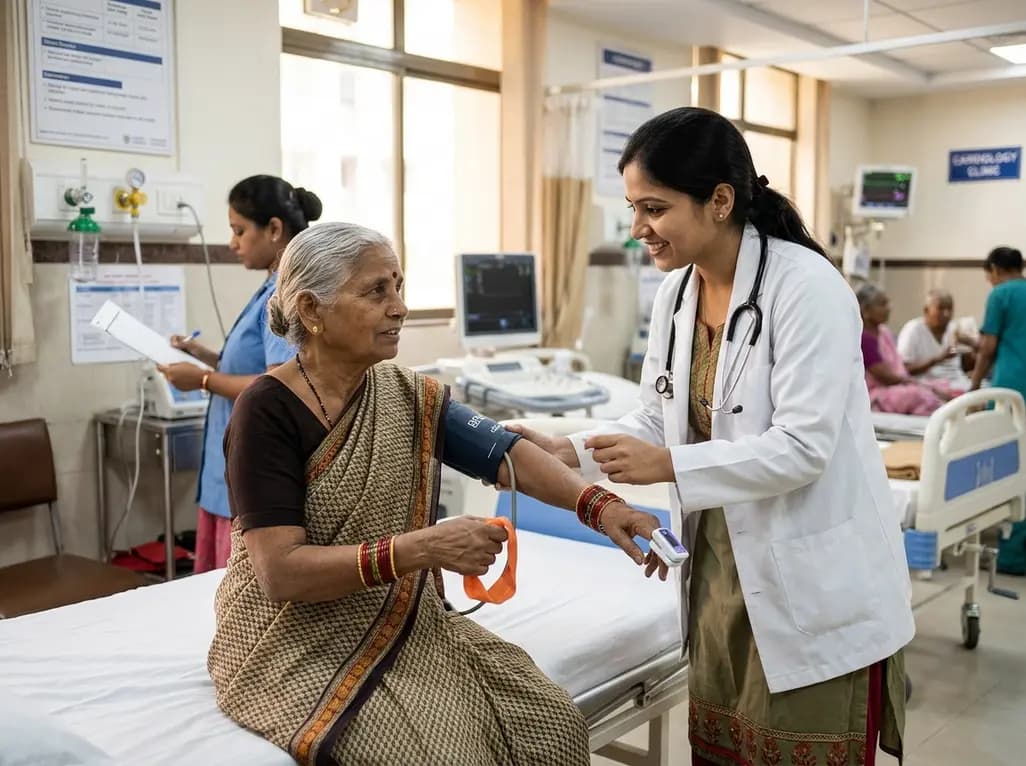
Review how tailored exercise programs benefit frail older patients with heart failure. Explore pathophysiological mechanisms, individualized training prescriptions, and strategies to overcome adherence barriers in clinical practice.
Today
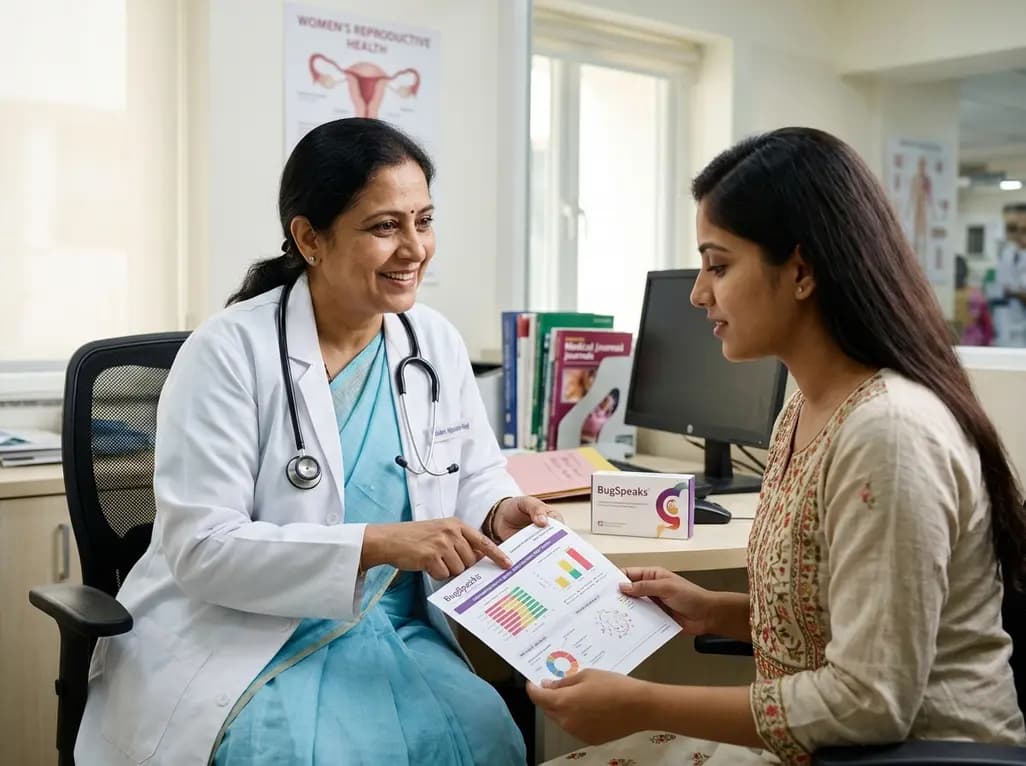
Leucine Rich Bio has introduced South Asia's first comprehensive vaginal microbiome test, BugSpeaks. By profiling microbial dysbiosis, pathogens, and antimicrobial resistance, this next-generation diagnostic platform provides clinicians with deeper insights into recurrent infections, fertility, and reproductive health.
Today
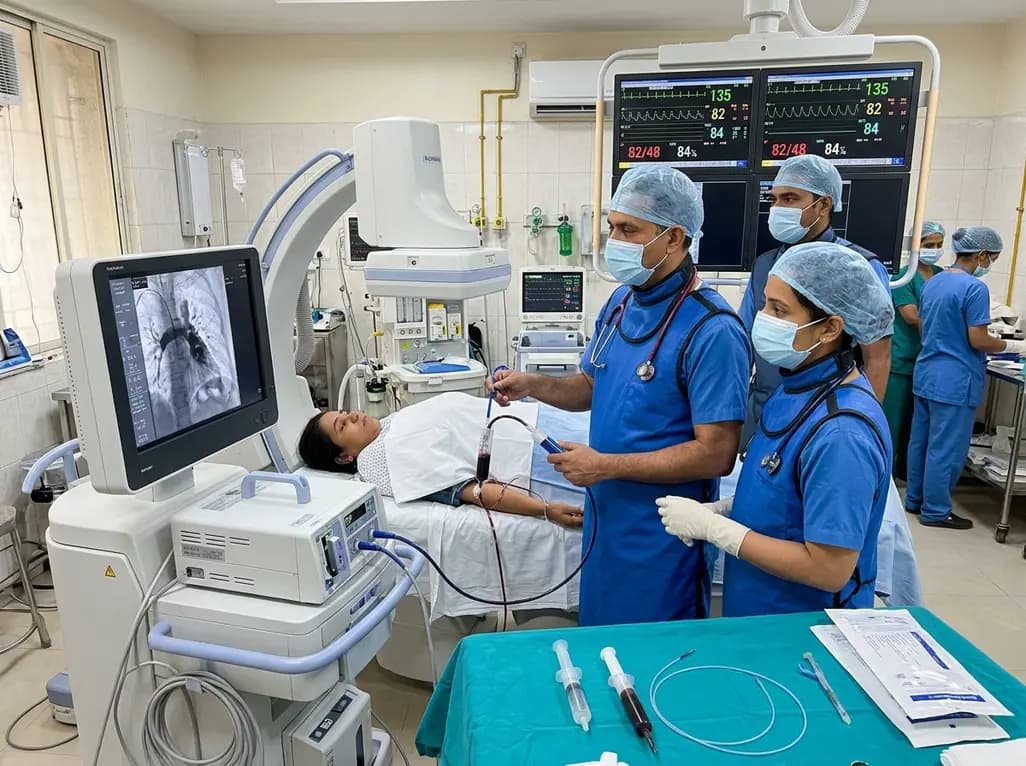
In high-risk pulmonary embolism complicated by severe anemia and active uterine bleeding, systemic thrombolysis is contraindicated. Large-bore aspiration thrombectomy provides rapid hemodynamic rescue without fibrinolysis, supported by inferior vena cava filter placement and multidisciplinary critical care.
Today
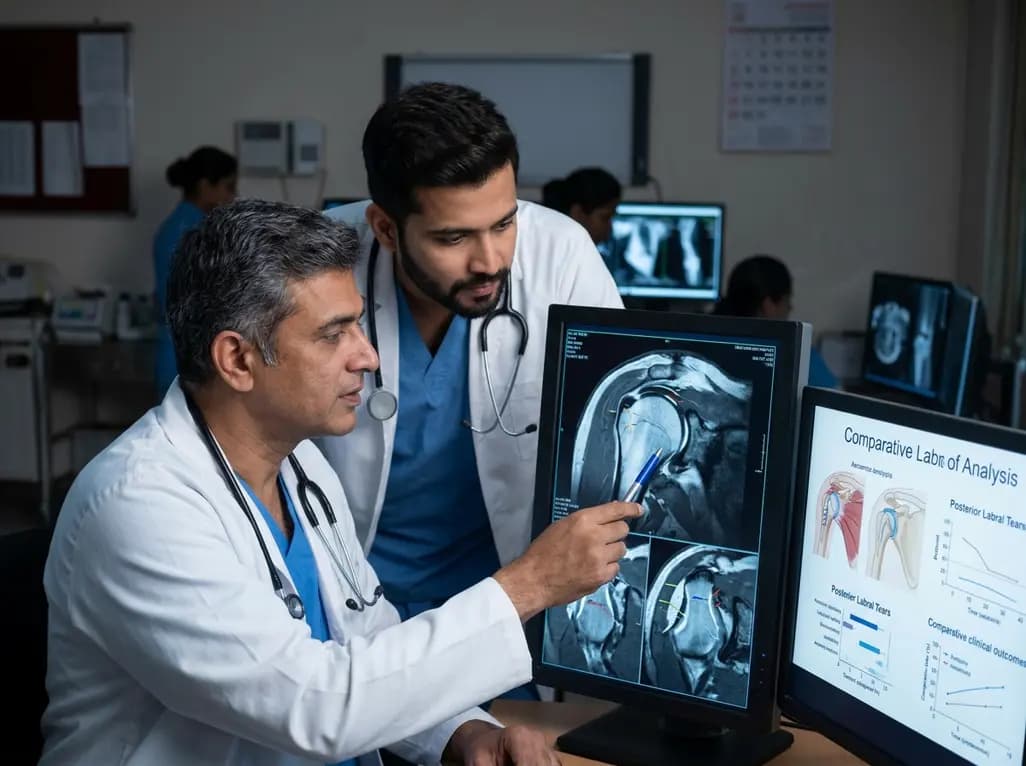
This comparative study evaluates posterior labral tears with and without glenohumeral instability, highlighting distinct demographic patterns, MRI underestimation in stable shoulders, and successful arthroscopic repair outcomes.
Today
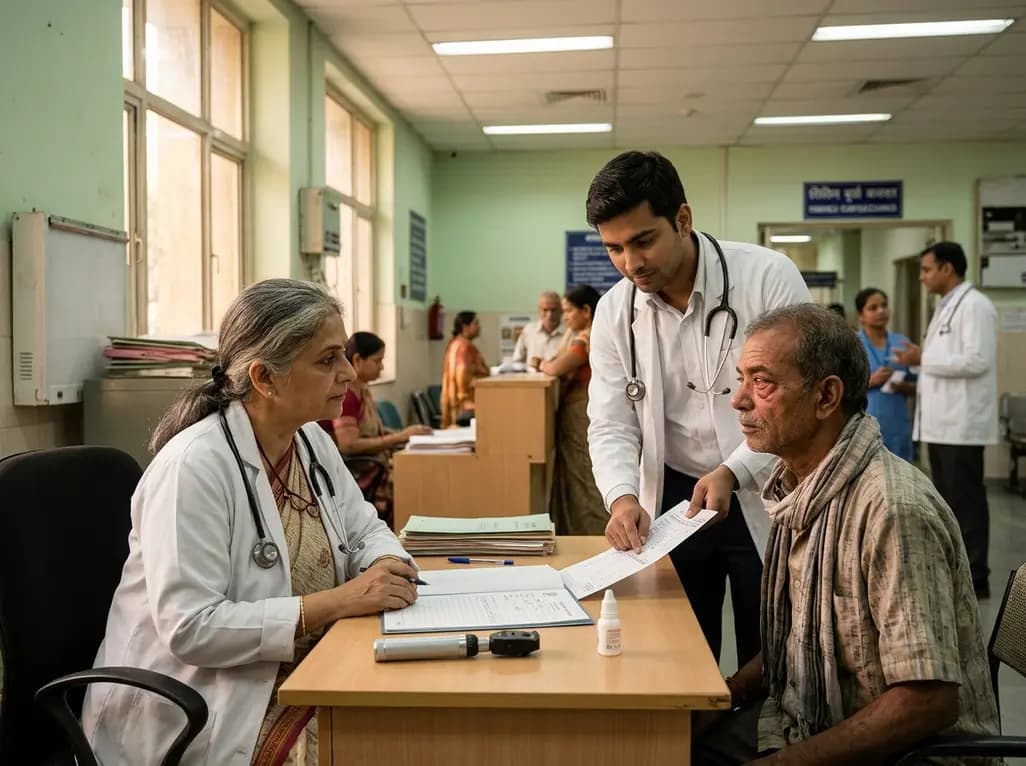
A clinical study demonstrates that early intervention with tocilizumab, either as monotherapy or bridged with corticosteroids, achieves significant proptosis reduction and resolves active inflammation in treatment-naive thyroid eye disease.
Today
