.webp&w=384&q=75)

Loading, please wait...
Loading, please wait...
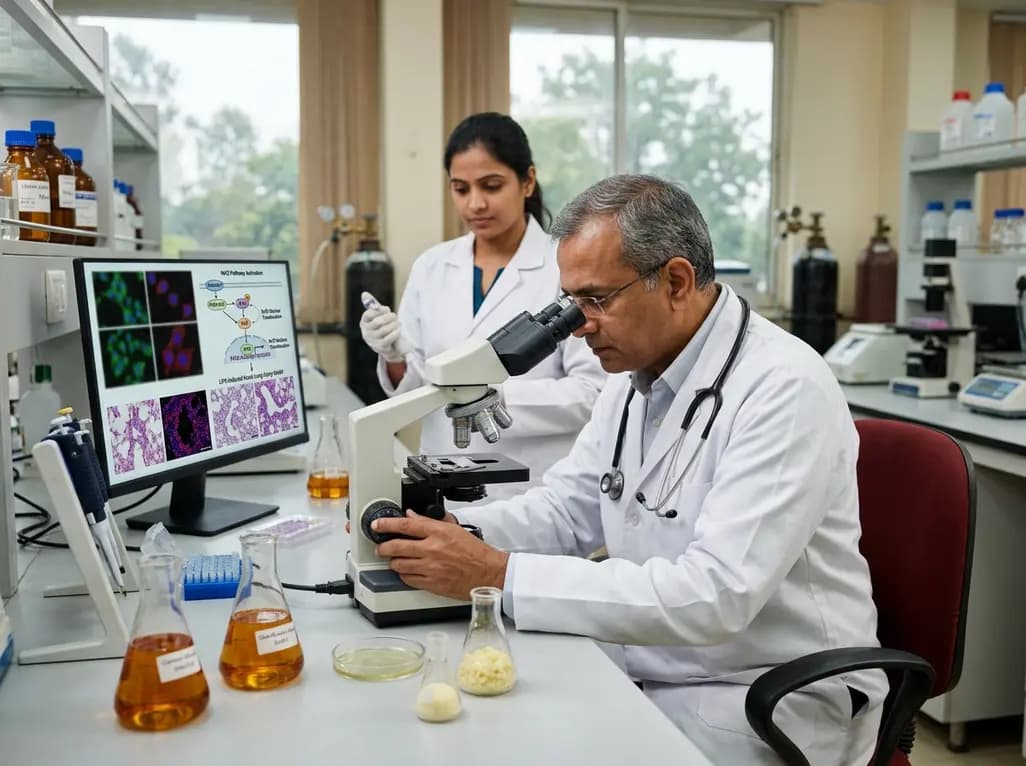
Acute lung injury remains a major clinical challenge in critical care medicine due to rapid alveolar damage, intense inflammation, and severe hypoxemia. Disrupted redox balance and excessive reactive oxygen species drive this destructive inflammatory cascade. Although natural curcumin exhibits well-documented antioxidant and anti-inflammatory properties, poor aqueous solubility, rapid metabolic degradation, and low systemic bioavailability have hindered its therapeutic use. To overcome these pharmacological hurdles, researchers developed the novel curcumin analog sAc15 to provide enhanced chemical stability and biological activity. Recent experimental evidence reveals that this compound effectively mitigates lipopolysaccharide-induced pulmonary epithelial damage, offering a promising therapeutic approach for critical pulmonary conditions.
Acute respiratory distress syndrome and acute lung injury present significant management dilemmas in intensive care units across India and globally. When bacterial endotoxins such as lipopolysaccharide infiltrate the pulmonary parenchyma, they trigger massive alveolar macrophage activation and robust neutrophil recruitment. Consequently, these activated immune cells generate large amounts of reactive oxygen species. This sudden oxidative surge overwhelms the endogenous antioxidant defenses of alveolar epithelial and endothelial cells.
Furthermore, persistent oxidative stress disrupts essential cellular structures, promotes lipid peroxidation, and causes severe mitochondrial damage. As a result, pulmonary epithelial cells undergo apoptosis, which severely compromises the integrity of the alveolar-capillary barrier. Protein-rich fluid subsequently leaks into the alveolar spaces, causing refractory hypoxemia, reduced lung compliance, and impaired gas exchange. Additionally, oxidative stress amplifies pro-inflammatory cytokine expression, creating a self-sustaining cycle of tissue destruction. Clinicians currently rely primarily on lung-protective mechanical ventilation and supportive interventions, as targeted pharmacotherapies capable of reversing oxidative epithelial destruction remain elusive. Therefore, identifying targeted cytoprotective agents that restore cellular redox equilibrium represents a critical research priority in pulmonary critical care.
Natural curcumin has attracted widespread scientific interest for decades because of its diverse anti-inflammatory, cytoprotective, and antioxidant capabilities. However, its translation into bedside clinical practice has stalled due to unstable pharmacokinetic characteristics, rapid systemic clearance, and poor aqueous bioavailability. To resolve these challenges, synthetic medicinal chemistry has yielded modified derivatives designed for improved target engagement and superior pharmacological stability.
Among these innovative candidates, the novel curcumin analog sAc15 demonstrates remarkable enhancements in both safety and functional potency. In recent comparative laboratory evaluations, sAc15 exhibited broader therapeutic safety margins than parent curcumin molecules. Moreover, sAc15 showed markedly superior capacity in suppressing intracellular reactive oxygen species accumulation within injured human bronchial epithelial cells. Surface plasmon resonance assays confirmed that sAc15 binds directly to recombinant nuclear factor erythroid 2-related factor 2 with a binding affinity constant of 2.68 micromolar. This direct molecular interaction ensures robust intracellular engagement without causing significant cytotoxic side effects. Consequently, sAc15 maintains stable chemical characteristics while delivering potent antioxidant activity, thereby overcoming the key structural limitations that historically restricted natural curcumin from clinical critical care applications.
The therapeutic efficacy of sAc15 relies on precise intracellular signaling cascade modulation within injured alveolar epithelial cells. Under physiological conditions, nuclear factor erythroid 2-related factor 2 remains sequestered in the cytoplasm by its inhibitory binding partner. However, exposure to oxidative stress or specific pharmacological activators prompts its dissociation, nuclear translocation, and subsequent transcriptional activation of antioxidant defense genes.
Experimental data show that sAc15 actively promotes the phosphorylation of phosphoinositide 3-kinase and protein kinase B. This upstream phosphorylation directly facilitates the nuclear translocation and stabilization of Nrf2. Once translocated into the nucleus, Nrf2 orchestrates the upregulation of vital downstream antioxidant enzymes, including heme oxygenase-1 and NAD(P)H quinone oxidoreductase-1. Notably, laboratory investigations utilizing the PI3K chemical inhibitor LY294002 and Nrf2-specific small interfering RNA confirmed this precise mechanism. When researchers inhibited PI3K or silenced Nrf2, sAc15-mediated cytoprotective, anti-apoptotic, and antioxidant benefits diminished significantly. Thus, these molecular findings confirm that sAc15 exerts its protective actions through the coordinated PI3K/AKT/Nrf2 signaling axis, highlighting an actionable pathway for therapeutic intervention against acute pulmonary oxidative injury.
In preclinical animal models of acute lung injury induced by intratracheal lipopolysaccharide administration, sAc15 demonstrated profound therapeutic protection across multiple histopathological and physiological parameters. Administration of sAc15 significantly attenuated histological lung architecture disruption, reduced alveolar wall thickening, and curtailed excessive inflammatory cell infiltration into bronchoalveolar spaces.
Furthermore, sAc15 effectively preserved mitochondrial membrane potential and suppressed pro-apoptotic signaling cascades within pulmonary cells. By preventing cellular apoptosis in alveolar type I and type II epithelial cells, sAc15 protected the structural integrity of the alveolar-capillary barrier. This barrier stabilization prevented capillary leakage and suppressed proteinaceous fluid accumulation in the alveoli. Additionally, sAc15 lowered pulmonary tissue lipid peroxidation markers while restoring endogenous glutathione levels and superoxide dismutase activity. In cellular models subjected to tert-butyl hydroperoxide-induced oxidative damage, sAc15 consistently preserved cell viability and prevented mitochondrial collapse. Consequently, sAc15 halts the progressive cycle of oxidative stress and epithelial apoptosis. These comprehensive cellular and in vivo benefits demonstrate that restoring redox balance is vital for preserving functional pulmonary architecture during acute inflammatory insults.
The discovery of sAc15 provides valuable insights for critical care practitioners managing severe acute respiratory distress syndrome and sepsis-induced lung injury. In clinical intensive care settings, acute lung injury frequently complicates severe pneumonia, sepsis, polytrauma, and systemic inflammatory response syndromes. Because oxidative injury and epithelial necrosis accelerate respiratory failure, targeted pharmacotherapies capable of shielding alveolar cells could significantly improve clinical outcomes.
Moreover, natural bioactive compounds have historically faced skepticism due to erratic bioavailability and unproven pharmacological targets. However, the development of stabilized analogs like sAc15, characterized by established binding kinetics and verified signaling pathways, bridges the gap between natural product chemistry and modern critical care pharmacology. Future research must evaluate the pharmacokinetics, pulmonary delivery modalities, optimal dosing regimens, and safety profiles of sAc15 in larger translational animal models. Additionally, evaluating inhaled or nebulized formulations could allow direct alveolar delivery while minimizing systemic drug exposure. As translational pulmonary research advances, compounds targeting the PI3K/AKT/Nrf2 axis could eventually complement existing lung-protective ventilation strategies and provide intensivists with effective pharmacological options for acute respiratory failure.
The novel compound sAc15 is a chemically modified, stable curcumin analog designed to overcome the pharmacological limitations of natural curcumin. While natural curcumin suffers from poor aqueous solubility, rapid metabolic degradation, and low systemic bioavailability, sAc15 exhibits enhanced chemical stability, broader safety margins, and superior capacity to suppress reactive oxygen species in injured pulmonary epithelial cells.
The agent sAc15 binds directly to the transcription factor Nrf2 and stimulates upstream PI3K/AKT phosphorylation. This activation promotes the nuclear translocation of Nrf2, upregulating essential antioxidant defense enzymes, including heme oxygenase-1 and NAD(P)H quinone oxidoreductase-1. Consequently, these enzymes effectively neutralize reactive oxygen species, preserve mitochondrial membrane integrity, suppress alveolar epithelial cell apoptosis, and preserve critical alveolar-capillary barrier function during acute inflammatory injury.
Currently, intensive care management for acute lung injury and acute respiratory distress syndrome focuses primarily on lung-protective mechanical ventilation, with few effective pharmacological interventions available. By targeting the PI3K/AKT/Nrf2 antioxidant axis, sAc15 provides a promising translational foundation for novel therapeutics that could shield alveolar epithelial architecture, attenuate severe pulmonary inflammation, and improve clinical recovery in critically ill patients.
Disclaimer: This content is for informational and educational purposes only and is intended solely for healthcare professionals. It does not constitute formal clinical guidance, diagnosis, or treatment recommendations. Refer to the latest local and national guidelines for clinical practice.
References

Read summarized clinical updates, watch expert medical content, and earn CME certifications right from your smartphone.
Open your smartphone camera to scan and install.





A preclinical study shows that sAc15, a stable novel curcumin analog, protects against LPS-induced acute lung injury by activating the PI3K/AKT/Nrf2 pathway, mitigating oxidative stress, mitochondrial collapse, and pulmonary epithelial apoptosis.
last month
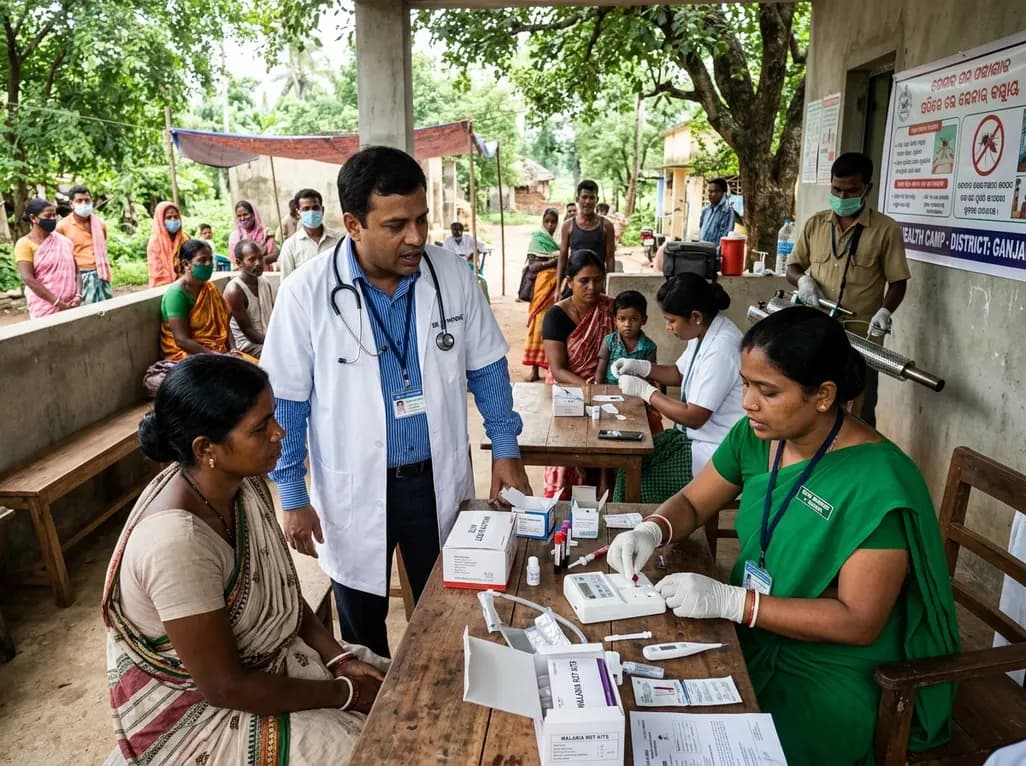
Following 37,899 reported cases and 9 deaths, Odisha has scaled up active case detection, rapid diagnostic testing, and vector control across high-burden districts. Here is a comprehensive clinical breakdown of the state's aggressive containment protocols, diagnostic pathways, and targeted field management.
Today
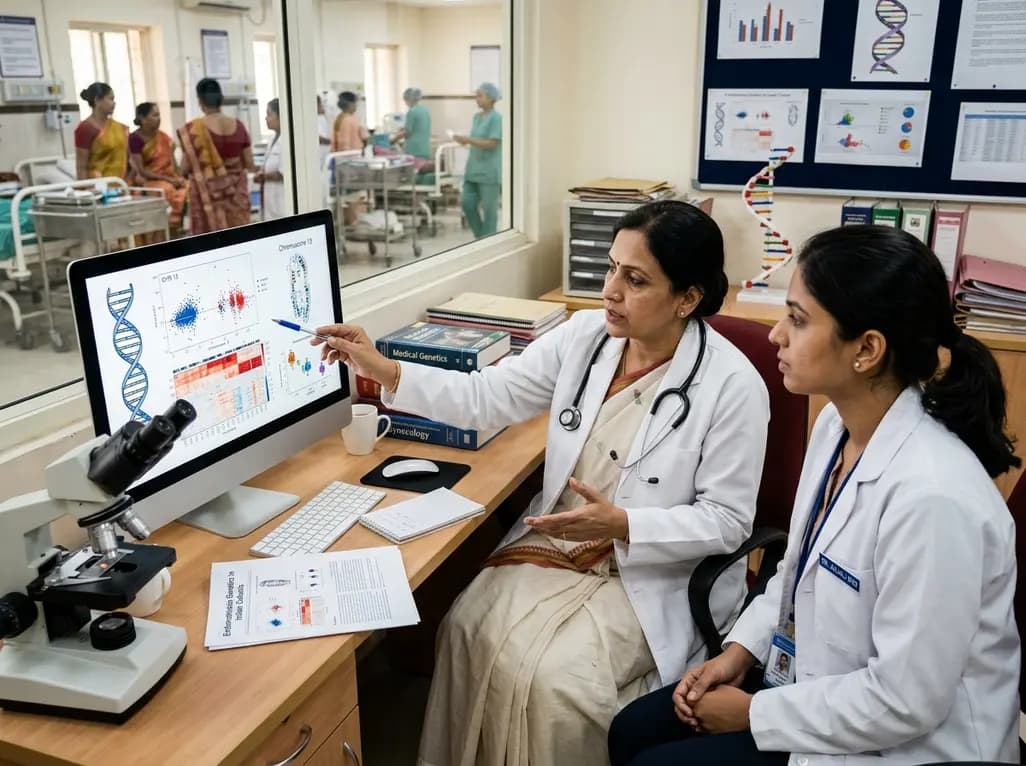
Endometriosis affects millions of women across India, yet diagnostic delays frequently exceed five years. Recent multi-centre genomic research has identified 21 novel genetic regions, notably on chromosome 13, establishing crucial population-specific insights to transform clinical screening and therapeutic strategies.
Today
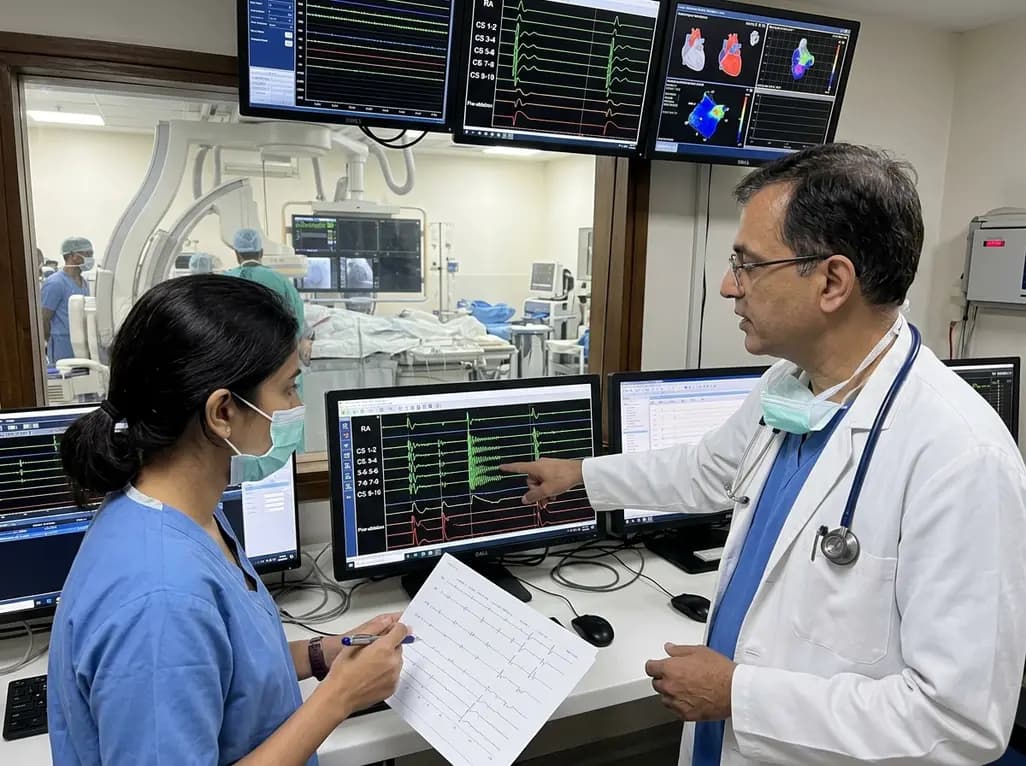
Radiofrequency catheter ablation of the cavotricuspid isthmus successfully terminates typical atrial flutter. This article reviews the mechanisms driving coronary sinus electrogram changes, wavefront activation pathways, and clinical criteria to verify bidirectional block during electrophysiology studies.
Today
A study comparing four knee flexion strength tests after ACL reconstruction using hamstring tendon autografts reveals marked variability in limb symmetry indices. Clinicians must recognize that different strength testing modalities yield divergent return-to-sport clearance rates.
Today
Discover how to identify superimposed entrapment neuropathy in diabetic patients. This review details clinical evaluation, surgical decompression evidence, and a structured algorithm for primary care referrals to prevent ulcers and preserve limb function.
Yesterday
