.webp&w=384&q=75)

Loading, please wait...
Loading, please wait...
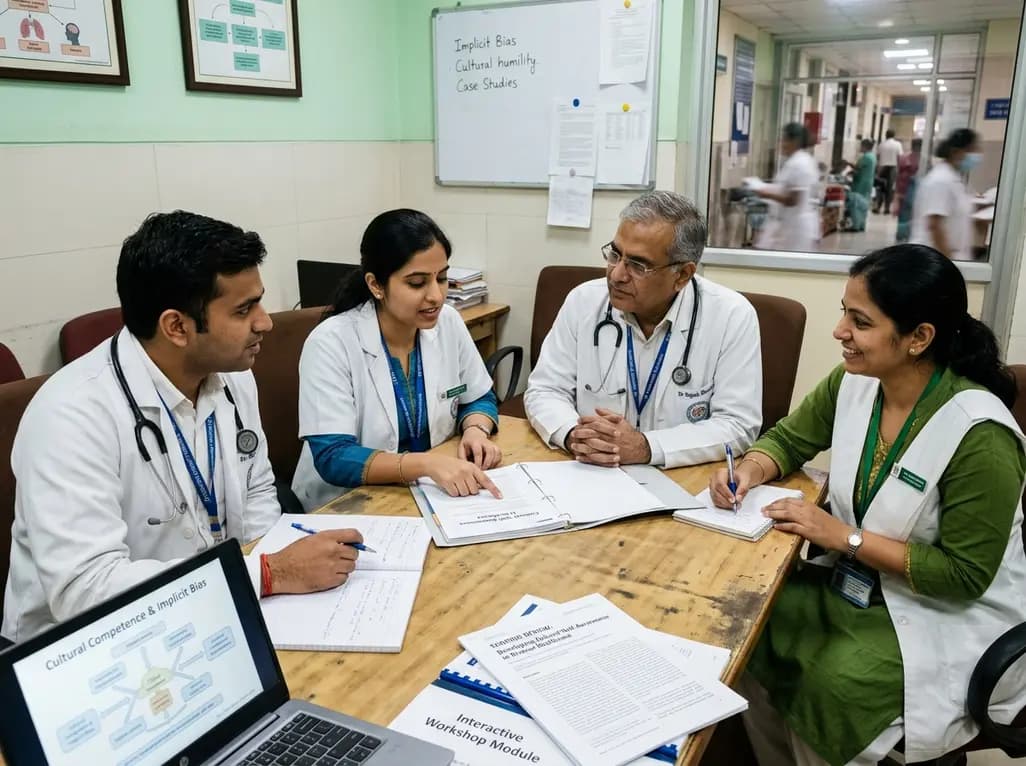
Modern clinical practice increasingly demands that clinicians care for diverse patient populations with complex cultural, linguistic, and socioeconomic backgrounds. Consequently, developing cultural self-awareness has emerged as a cornerstone of culturally competent and equitable healthcare delivery. While many conventional training programs emphasize learning about specific traditions, this approach can unintentionally reinforce unhelpful stereotypes. Instead, cultural self-awareness requires practitioners to examine their own cultural lens, subconscious assumptions, and personal values. When healthcare providers understand how their background shapes clinical decisions, they can better identify implicit biases before those biases compromise patient communication. A recent scoping review highlighted that cultural self-awareness remains one of the least explored facets of intercultural competence, despite its critical role in reducing disparities. Therefore, medical educators and healthcare organizations must prioritize reflective learning models that encourage clinicians to analyze their personal identity. By fostering an ongoing commitment to self-examination, medical teams can establish psychological safety, build trust with diverse communities, and provide patient-centered care. Ultimately, reflective practice bridges the gap between medical knowledge and empathetic cross-cultural engagement.
Every clinician operates within a cognitive framework shaped by personal upbringing, formal education, and societal norms. However, these background experiences often generate implicit biases that subconsciously influence clinical assessments, diagnostic choices, and treatment recommendations. For instance, diagnostic overshadowing and misinterpretations of patient symptoms frequently occur when practitioners make assumptions based on socioeconomic status or communication style. In addition, communication breakdowns often arise when clinicians assume their own worldview represents an objective baseline of rationality. When doctors fail to acknowledge their cultural vantage point, they may mistakenly label non-adherent patients as uncooperative. Consequently, such unrecognized biases undermine the therapeutic alliance and worsen health disparities among vulnerable demographics. Developing intentional self-reflection helps clinicians recognize cognitive shortcuts and emotional reactions during patient encounters. Furthermore, active self-scrutiny encourages practitioners to question initial diagnostic impressions and remain receptive to alternative explanations. By actively mitigating cognitive biases through self-awareness, healthcare professionals can make more objective clinical decisions and foster collaborative partnerships with patients.
A recent comprehensive scoping review evaluating diversity interventions identified structured interactive workshops as highly effective tools for cultivating self-reflection among healthcare professionals and trainees. Unlike passive didactic lectures, interactive workshops engage participants in small-group discussions, role-playing scenarios, and critical self-assessment exercises. Furthermore, these collaborative sessions provide a safe environment where clinicians can explore personal prejudices, confront uncomfortable blind spots, and receive constructive feedback from peers. Specifically, structured dialogue allows practitioners to observe how colleagues from diverse backgrounds perceive identical clinical scenarios. As a result, participants gain deeper insight into the subjective nature of their own clinical communication habits. The scoping review demonstrated that interactive interventions successfully enhance self-reflection across multiple healthcare disciplines, including medicine, nursing, and social work. Moreover, longitudinal follow-ups indicate that experiential workshops produce durable shifts in professional attitudes rather than short-lived awareness. Therefore, healthcare institutions should move away from one-off compliance training and invest in sustained, peer-led interactive learning environments that foster continuous personal growth.
In highly diverse clinical environments, the practical application of cultural self-awareness directly influences diagnostic accuracy, adherence, and patient satisfaction. For example, when treating chronic illnesses such as diabetes, cardiovascular disease, or psychiatric conditions, healthcare providers must navigate complex dietary habits, religious beliefs, and family dynamics. If a clinician lacks self-awareness, they may dismiss traditional dietary preferences or complementary healing practices without exploring their therapeutic relevance. Conversely, a self-aware physician approaches these differences with genuine curiosity, cultural humility, and clinical flexibility. In addition, self-reflective practitioners can tailor treatment plans to fit the patient’s lived reality, which substantially improves medication adherence and follow-up compliance. Furthermore, acute care and emergency settings benefit significantly from self-aware clinical teams. High-stress environments often amplify reliance on cognitive heuristics, increasing the risk of biased triage decisions. By maintaining heightened self-awareness under pressure, emergency clinicians can deliver equitable care to all patients regardless of background. Thus, self-reflective competence serves as an essential clinical safeguard across primary care, acute specialties, and hospital medicine.
Despite the recognized value of reflective learning, medical institutions frequently encounter significant systemic barriers when implementing cultural training. First, heavy clinical workloads and administrative demands leave healthcare providers with minimal time for structured self-reflection. Consequently, many institutions reduce diversity training to brief, superficial e-learning modules that fail to promote genuine introspection. Moreover, hierarchical hospital cultures often discourage vulnerability, making clinicians hesitant to admit personal biases or knowledge gaps openly. In addition, standard medical curricula historically prioritize biomedical metrics over interpersonal and self-reflective competencies. As a result, trainees may view cultural competence as a secondary skill rather than a core clinical requirement. To dismantle these structural barriers, healthcare leadership must actively endorse protected time for reflective practice and multidisciplinary debriefs. Furthermore, hospital administrators should reward empathetic communication and inclusive leadership within clinical departments. When institutions normalize candid discussions about bias and psychological safety, healthcare workers can engage in authentic self-examination without fear of professional stigma.
To establish sustainable improvements in patient care, academic medical centers must integrate cultural self-awareness throughout undergraduate and postgraduate medical education. Rather than isolating cultural topics into single standalone courses, educators should weave reflective exercises into clinical rotations, morbidity and mortality rounds, and simulation labs. For example, structured debriefing sessions following complex patient encounters allow trainees to examine how their assumptions influenced communication and management choices. In addition, incorporating regular journaling, narrative medicine, and multi-source feedback encourages lifelong reflective habits among rising clinicians. Faculty development is equally essential, as clinical educators must model cultural humility and reflective communication during daily bedside rounds. Furthermore, academic institutions should evaluate cultural competence using validated assessment tools that measure behavioural change rather than simple knowledge recall. By embedding continuous self-reflection into the medical education pipeline, healthcare systems can cultivate a new generation of resilient, empathetic, and culturally conscious physicians equipped to serve diverse communities effectively.
Cultural self-awareness is the conscious ability of healthcare providers to recognize and examine their own cultural values, assumptions, and implicit biases. Rather than focusing solely on patient characteristics, self-awareness prompts clinicians to evaluate how their personal background influences their clinical decisions, communication styles, and diagnostic perceptions. This reflective practice helps clinicians deliver equitable, patient-centered care and avoid unhelpful stereotypes during cross-cultural medical encounters.
When clinicians practice cultural self-awareness, they communicate more effectively, establish stronger therapeutic rapport, and avoid cognitive biases that can lead to diagnostic errors. Furthermore, self-aware practitioners collaborate with patients to develop realistic, culturally congruent treatment plans. This collaborative approach enhances patient trust, improves medication adherence, and reduces health disparities across culturally and linguistically diverse patient populations.
Research indicates that interactive workshops featuring small-group discussions, role-playing simulations, and guided self-reflection are significantly more effective than passive lectures. Furthermore, integrating narrative medicine, structured debriefing after clinical encounters, and peer feedback into regular training fosters lasting introspection. These experiential methods create safe environments where clinicians can comfortably examine personal biases and refine their communication skills.
Disclaimer: This content is for informational and educational purposes only and does not constitute medical advice, diagnosis, or treatment. Healthcare professionals should exercise their independent clinical judgment. Refer to the latest local and national guidelines for clinical practice.
References

Read summarized clinical updates, watch expert medical content, and earn CME certifications right from your smartphone.
Open your smartphone camera to scan and install.





A recent scoping review highlights that developing cultural self-awareness is essential for reducing unconscious bias and improving cross-cultural care. Interactive workshops across disciplines offer an effective method for fostering self-reflection and enhancing patient-centered outcomes in diverse clinical settings.
last month
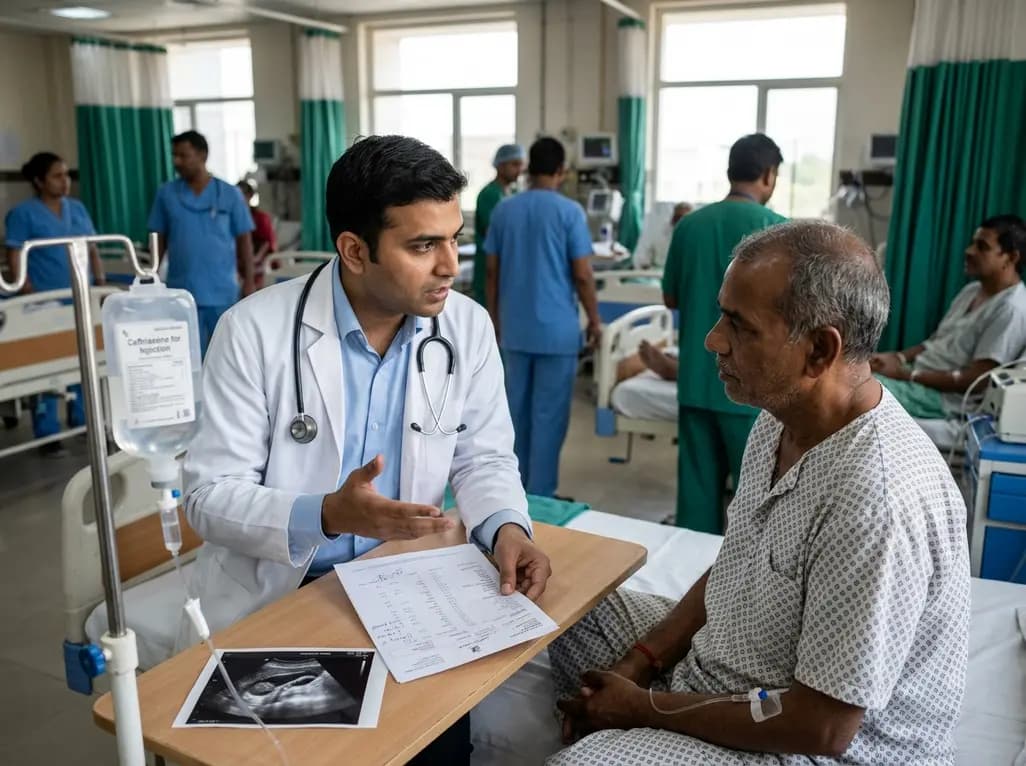
Ceftriaxone therapy can lead to biliary sludge and gallstone formation due to calcium-ceftriaxone precipitation. A recent cohort study shows that the noninvasive Fibrosis-4 (FIB-4) index, alongside treatment duration, independently predicts lithogenesis, enabling proactive risk stratification.
Today
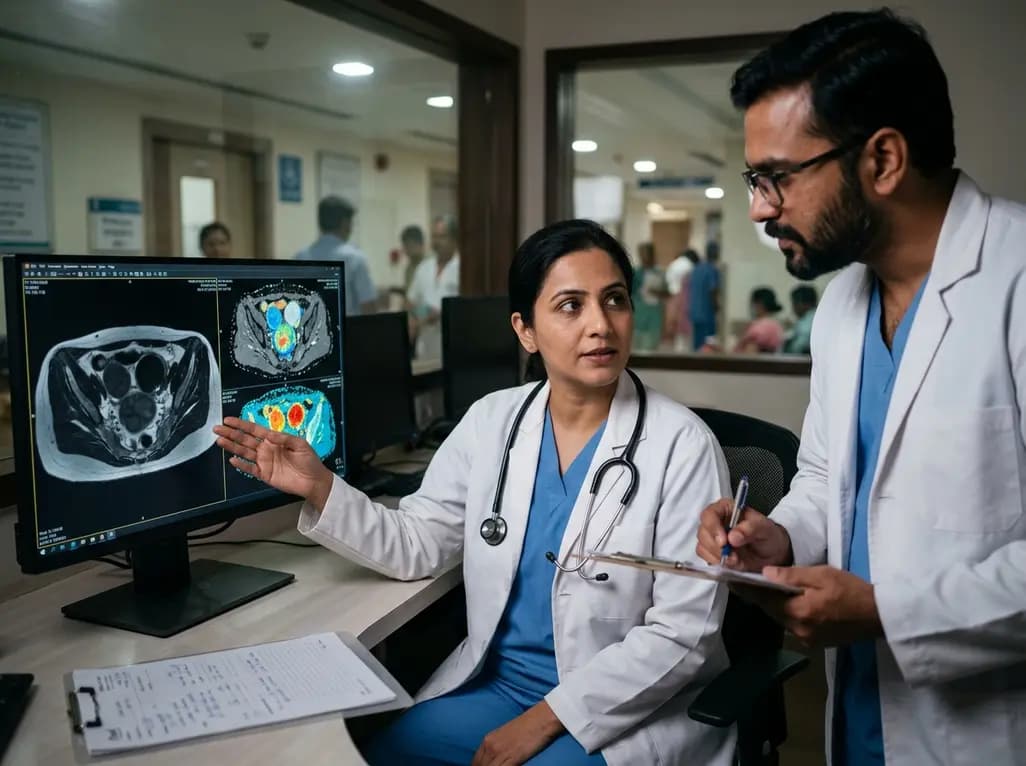
A multiparametric MRI approach combining quantitative T2 shading, apparent diffusion coefficient (ADC) measurements, and morphological signs provides superior diagnostic accuracy over subjective evaluation to differentiate ovarian endometriomas from benign hemorrhagic cysts.
Today
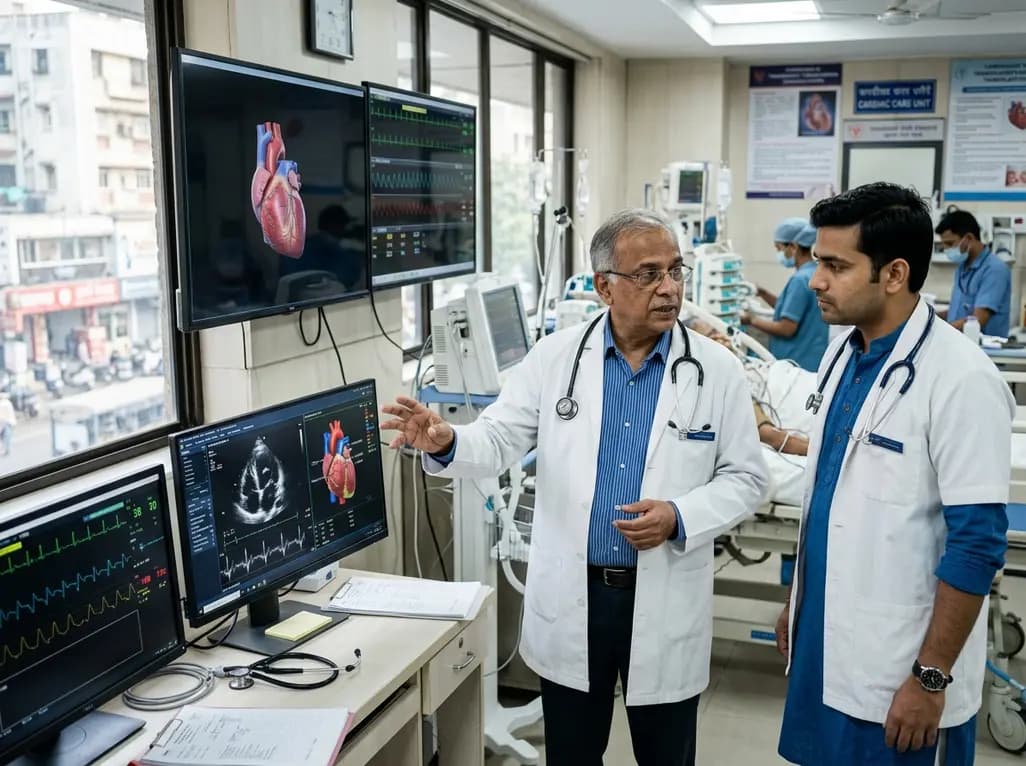
A landmark case report reveals a donor heart beating for a century in a 63-year-old recipient, challenging conventional age limits in cardiac transplantation and offering critical lessons on organ longevity, donor selection, and long-term graft survival.
Today
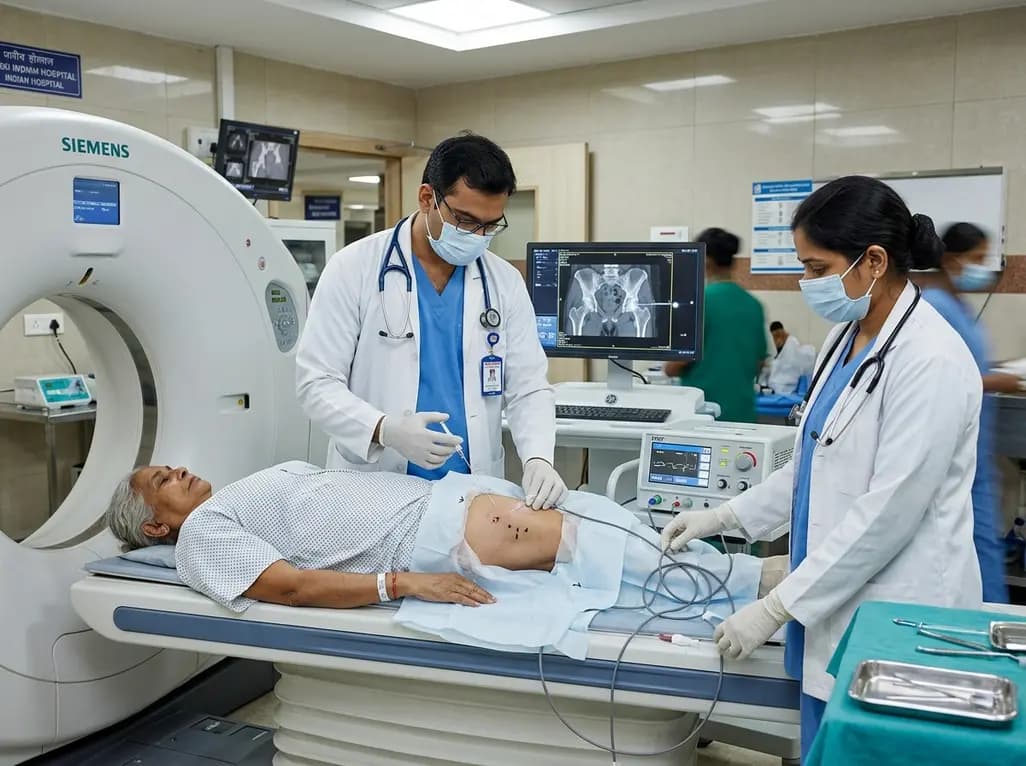
CT-guided pulsed radiofrequency ablation of the obturator nerve delivers durable pain relief up to 12 months in mild-to-moderate hip osteoarthritis, while offering a safe short-term palliative bridge for severe grade 4 disease without procedural complications.
Today
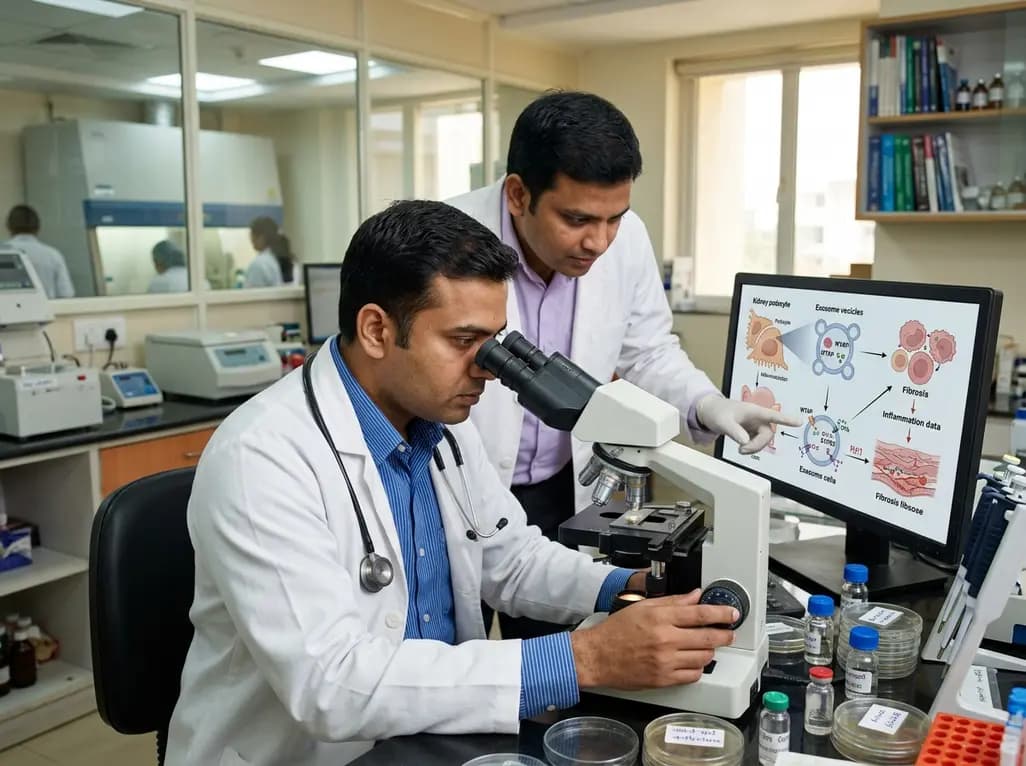
New research reveals that M1 macrophage-derived exosomes aggravate diabetic nephropathy by transferring WTAP to stabilize S1PR2 mRNA. Silencing WTAP in these vesicles attenuates endothelial injury and renal fibrosis, pointing toward innovative nanomedicine therapies.
Yesterday
