.webp&w=384&q=75)

Loading, please wait...
Loading, please wait...
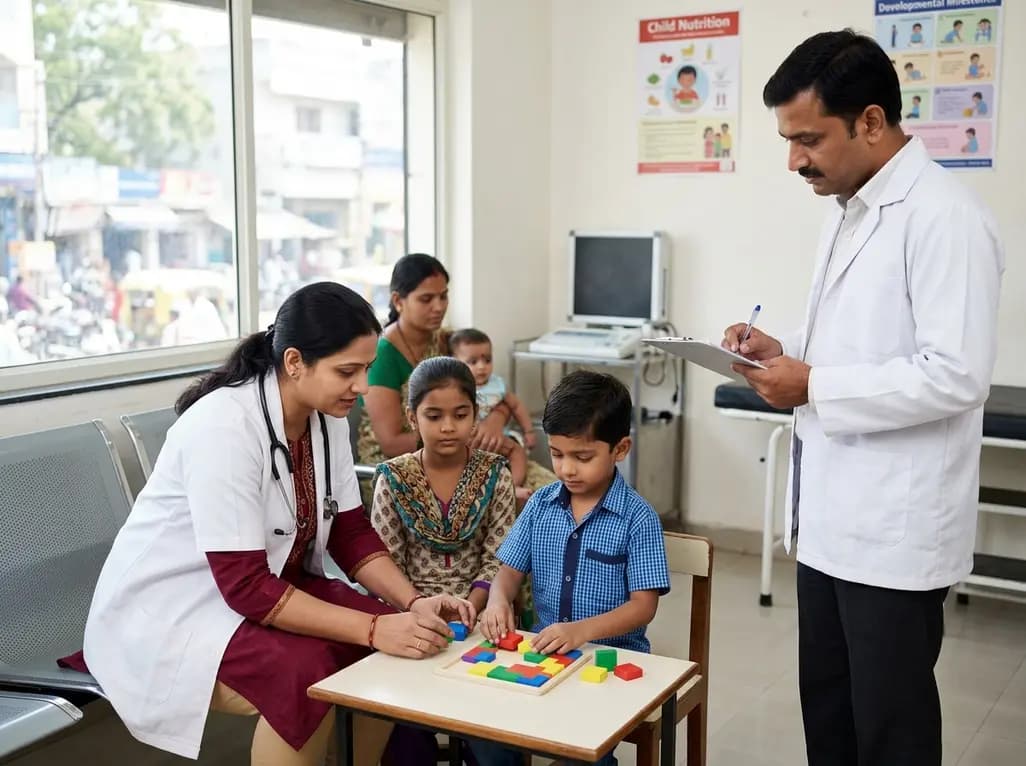
For decades, the field of developmental psychology has operated under the implicit assumption that psychological processes observed in one population apply universally to all humans. However, recent crowd-sourced replication initiatives have fundamentally challenged this notion. These studies suggest that while cultural differences are undoubtedly significant, they are often smaller and less systematic than previously presumed. Consequently, the cross-cultural generalizability in psychology has transitioned from an armchair assumption to an exigent empirical question. For medical professionals in India, understanding these nuances is critical, as many clinical theories and diagnostic tools were originally developed in Western contexts. Relying on unverified universalisms can lead to misdiagnosis or inappropriate intervention strategies in diverse pediatric and psychiatric populations.
Historical research in psychology has suffered from a profound over-reliance on samples drawn from Western, Educated, Industrialized, Rich, and Democratic (WEIRD) societies. Despite representing only a small fraction of the global population, these groups have provided the vast majority of data for developmental theories. Furthermore, the persistent sampling bias often leads researchers to misattribute culturally specific findings as universal human traits. For instance, basic cognitive processes and social behaviors observed in American or European children are frequently presented as the standard developmental path. In reality, these populations may actually represent outliers rather than the human norm. Therefore, clinicians must remain cautious when applying these benchmarks to children in non-Western environments. Addressing this bias requires a conscious shift toward broader participation from diverse global communities. Only by diversifying the participant pool can we begin to understand the true variance in human development. This shift is not merely a theoretical exercise; it is a practical necessity for global health equity. As a result, the medical community must demand more representative data before accepting new psychological theories as globally valid.
The movement toward large-scale replication projects has revealed a complex picture of human behavior. While some psychological phenomena appear remarkably robust across cultures, others vary significantly based on local environmental factors. Consequently, the degree of cross-cultural generalizability in psychology depends heavily on the specific domain under investigation. For example, some visual perception tasks show high variability, whereas certain aspects of social cooperation may be more consistent across groups. This complexity highlights why empirical testing is superior to simple presumption. Instead of assuming that a finding will or will not replicate in India, researchers must conduct rigorous, localized studies. Moreover, these investigations should utilize standardized methods to ensure that differences are not merely the result of methodological artifacts. By moving away from anecdotal evidence and toward systematic data collection, the field can build a more reliable framework for understanding human nature. This evidence-based approach is particularly relevant for Indian practitioners who work with a vast array of socio-economic and linguistic backgrounds. Ultimately, empirical testing provides the clarity needed to distinguish between universal human traits and culturally contingent behaviors.
In clinical pediatrics, developmental milestones serve as the primary guide for assessing a child\'s progress. However, many of these milestones are calibrated based on Western developmental timelines. Studies have shown that children in different cultures may achieve specific motor or social skills at varying ages due to different child-rearing practices and environmental demands. For example, some cultures prioritize early independent locomotion, while others focus on social integration or linguistic development. Therefore, a child who does not meet a Western milestone might still be developing perfectly within their own cultural context. This variation suggests that milestones should be viewed as flexible guidelines rather than rigid laws. Furthermore, clinicians should integrate local cultural knowledge when evaluating developmental delays. By doing so, they can avoid unnecessary parental anxiety and provide more culturally sensitive care. The goal is not to abandon global standards but to refine them through the inclusion of diverse data points. Consequently, more research is needed to establish localized norms for milestones in countries like India. This will ensure that pediatric care is both scientifically rigorous and culturally appropriate.
Applying Western psychometric tools in an Indian clinical setting presents several significant challenges. Many diagnostic instruments for conditions like ADHD, autism, or depression contain culturally specific language or scenarios that may not resonate with Indian patients. Consequently, a patient\'s performance on these tests might reflect a lack of familiarity with the context rather than an underlying psychological condition. This issue underscores the importance of cross-cultural generalizability in psychology when selecting diagnostic tools. Clinicians must often adapt these instruments, which requires a deep understanding of both the original construct and the local culture. However, simply translating a test is rarely sufficient; the underlying concepts must also be validated in the target population. Furthermore, the social stigma associated with mental health in different cultures can influence how symptoms are reported. Therefore, Indian psychiatrists and psychologists must remain vigilant against the limitations of imported diagnostic frameworks. Using tools that lack local validation can lead to significant errors in clinical judgment. To mitigate this risk, the development of indigenous scales and the rigorous adaptation of global tools must become a priority.
The path forward for developmental science lies in small- and large-scale collaborations between partner laboratories across the world. Such global networks allow for the simultaneous testing of theories in multiple cultural settings, providing a robust measure of generalizability. By including laboratories from India and other non-Western nations, these collaborations ensure that findings are representative of the global population. Moreover, these partnerships foster the exchange of expertise and resources, strengthening the scientific infrastructure in developing regions. Consequently, global collaboration is the most effective way to answer the exigent empirical questions facing the field today. These efforts also help to standardize research protocols, making it easier to compare results across different sites. For the individual clinician, the data generated by these global initiatives offers a more nuanced understanding of patient care. It allows for the application of theories that have been vetted against diverse human experiences. Ultimately, the future of psychology depends on our ability to work across borders to uncover the commonalities and differences that define the human condition.
Cultural values significantly influence what is considered "normal" or "problematic" behavior in children. For instance, high activity levels might be viewed as a sign of vitality in one culture but as a symptom of hyperactivity in another. Therefore, clinicians must consider the cultural context and parental expectations when assessing pediatric patients. This cultural sensitivity helps prevent the misdiagnosis of behavioral patterns that are actually adapted to the child\'s specific social environment.
Relying on data from Western, Educated, Industrialized, Rich, and Democratic (WEIRD) populations is problematic because these groups are often outliers in terms of their psychological and social behaviors. Using such a narrow sample to establish global standards can lead to inaccurate theories that do not apply to the majority of the world\'s population. For medical practitioners, this may result in ineffective treatments or diagnostic criteria that fail to account for the diversity of human development.
Indian medical professionals are uniquely positioned to contribute to global research by providing data from one of the world\'s most diverse populations. By participating in international collaborations and conducting localized replication studies, they can help validate or refine existing developmental theories. This involvement ensures that global medical guidelines are inclusive of Indian demographics, leading to more accurate diagnostic tools and better clinical outcomes for patients in the Indian subcontinent.
Disclaimer: This content is for informational and educational purposes only and does not constitute medical advice or a professional relationship. Always seek the advice of your physician or other qualified health provider with any questions you may have regarding a medical condition. Refer to the latest local and national guidelines for clinical practice.
References
Chan SKS et al. Cross-cultural generalizability is an empirical question. Behav Brain Sci. 2026 Jul 03. doi: 10.1017/S0140525X25104135. PMID: 42396701.
Henrich J, Heine SJ, Norenzayan A. The weirdest people in the world? Behav Brain Sci. 2010 Jun;33(2-3):61-83. doi: 10.1017/S0140525X0999152X. PMID: 20550733.
Nielsen M, Haun D, Kärtner J, Legare CH. The persistent sampling bias in developmental psychology: A call to action. J Exp Child Psychol. 2017 Oct;162:31-38. doi: 10.1016/j.jecp.2017.04.017. PMID: 28575664.
"
Read summarized clinical updates, watch expert medical content, and earn CME certifications right from your smartphone.
Open your smartphone camera to scan and install.





Replication initiatives suggest cultural differences in psychology findings are often smaller than assumed. This article explores why empirical testing through global collaboration is essential for validating developmental theories and clinical practices in diverse populations like India.
3 months ago

Following regulatory scrutiny from FSSAI regarding promotional representations and lean muscle preservation claims, Dr. Reddy's Laboratories and Nestlé Health Science are currently reviewing the branding and marketing strategy for their joint nutritional supplement Celevida GLP+.
Today
A comprehensive scoping review synthesises evidence linking prenatal maternal mental health to long-term offspring neurodevelopment, evaluating neuroendocrine, inflammatory, and epigenetic pathways while highlighting clinical screening and future research priorities.
Today

The Directorate General of Health Services directs Indian states to halt the hazardous reuse and reprocessing of single-use medical devices. Discover regulatory implications under the Drugs and Cosmetics Act, critical infection risks, legal liabilities, and operational changes required across clinical specialties.
Today
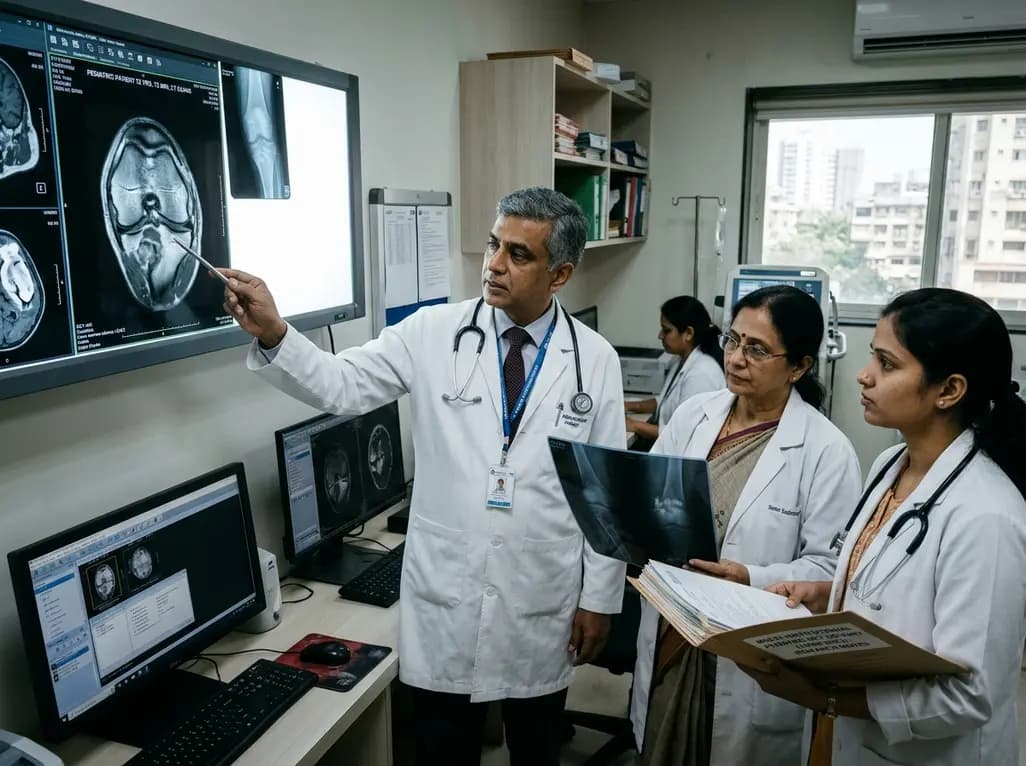
A 25-year multi-institutional cohort reveals high recurrence rates in pediatric giant cell tumor of bone, particularly in patients with open physes and bone marrow edema on preoperative MRI. Early surveillance and careful balance between growth plate preservation and tumor clearance are essential.
Today

India is advancing preventive healthcare by integrating genomics, artificial intelligence, and quantum technologies. With the SANGAM programme sequencing one million Indian genomes, clinicians can unlock personalized therapies, detect cardiometabolic risks early, and curb the burden of diabetes and heart disease.
Today
