.webp&w=384&q=75)

Loading, please wait...
Loading, please wait...

Border surveillance remains a cornerstone of pandemic management and global health security. A recent retrospective study evaluated COVID-19 quarantine adherence among 380 adult travelers entering Lao PDR through major ground crossings between 2020 and 2021. The research highlights the critical success factors and barriers to maintaining strict quarantine protocols during a public health emergency. Consequently, these findings offer valuable insights for public health officials in India and other nations with high international mobility at land borders.
The study reported an overall quarantine performance (OQP) rate of 72.9%. While most travelers underwent initial screening, only 78.8% of those directed to facilities completed the full 14-day requirement. Furthermore, temperature screening identified fever in 3.7% of travelers, who were then promptly referred for clinical evaluation. Therefore, while initial screening at the point of entry was high, maintaining COVID-19 quarantine adherence throughout the isolation period proved more challenging for the surveillance system.
Multivariate analysis identified several significant predictors of adherence. Specifically, female travelers were 1.84 times more likely to complete the full procedures compared to their male counterparts. This gender difference aligns with global behavioral research suggesting that women often exhibit higher risk awareness and compliance with preventive health measures. Additionally, travelers destined for provinces other than the point of entry showed higher odds of completion. This suggests that logistical factors and local administrative oversight significantly impact traveler behavior. Ultimately, standardizing these procedures across all provinces could enhance future pandemic preparedness.
Enhancing communication strategies is essential for improving traveler cooperation. Clear instructions regarding the rationale for isolation can bolster perceived benefits and social norms. Moreover, researchers suggest that providing adequate support at facilities may reduce the likelihood of early departure. Because border health measures buy critical time for domestic healthcare systems, optimizing every step from screening to discharge is vital. Future strategies should focus on gender-specific outreach and uniform enforcement of surveillance standards.
Studies consistently show that women are more likely to comply with public health protocols. This is often attributed to higher perceived risk and a stronger inclination toward altruistic health behaviors during infectious disease outbreaks.
The study found that 72.9% of travelers achieved overall quarantine performance, which researchers classified as an acceptable level of compliance for the regional system.
Disclaimer: This content is for informational and educational purposes only. It does not constitute medical advice or a substitute for professional healthcare consultation. Refer to the latest local and national guidelines for clinical practice.
References

Read summarized clinical updates, watch expert medical content, and earn CME certifications right from your smartphone.
Open your smartphone camera to scan and install.





A retrospective study in Lao PDR shows a 72.9% COVID-19 quarantine completion rate, with females significantly more likely to adhere to protocols than males...
8 months ago
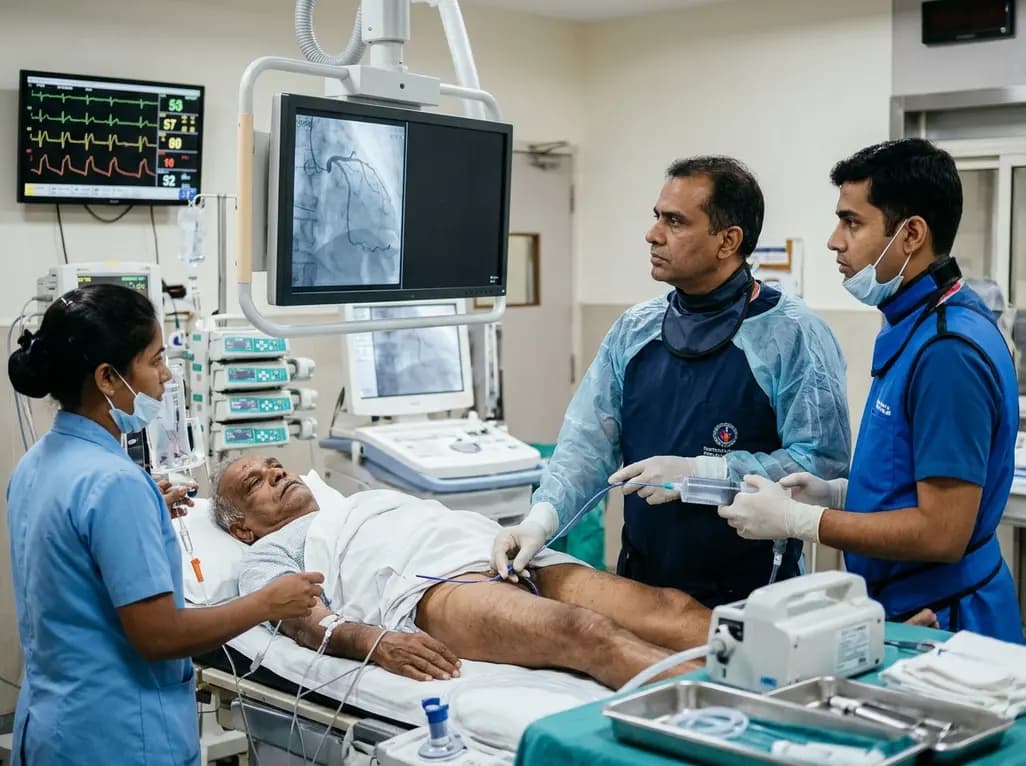
An elderly man with partially repaired Tetralogy of Fallot presented with STEMI caused by coronary embolism rather than atherosclerosis. Successful treatment with sustained mechanical aspiration thrombectomy underscores the vital need for high clinical vigilance in adult congenital heart disease.
Today

Demanding exhaustive hormonal profiling can inadvertently discourage clinical studies involving females. Methodological standards must align with the specific scientific question to expand, not restrict, equitable evidence for women.
Today

A recent study demonstrates that spinal oxygen sensors do not require mitochondrial electron transport to trigger sympathetic excitation during acute hypoxia, revealing new insights into how mitochondrial oxidative stress modulates autonomic tone in cardiovascular and neurological diseases.
Today

A comparative review of tension band wiring and intramedullary screw fixation in thumb metacarpophalangeal arthrodesis, evaluating union rates, hardware complications, and clinical outcomes.
Today
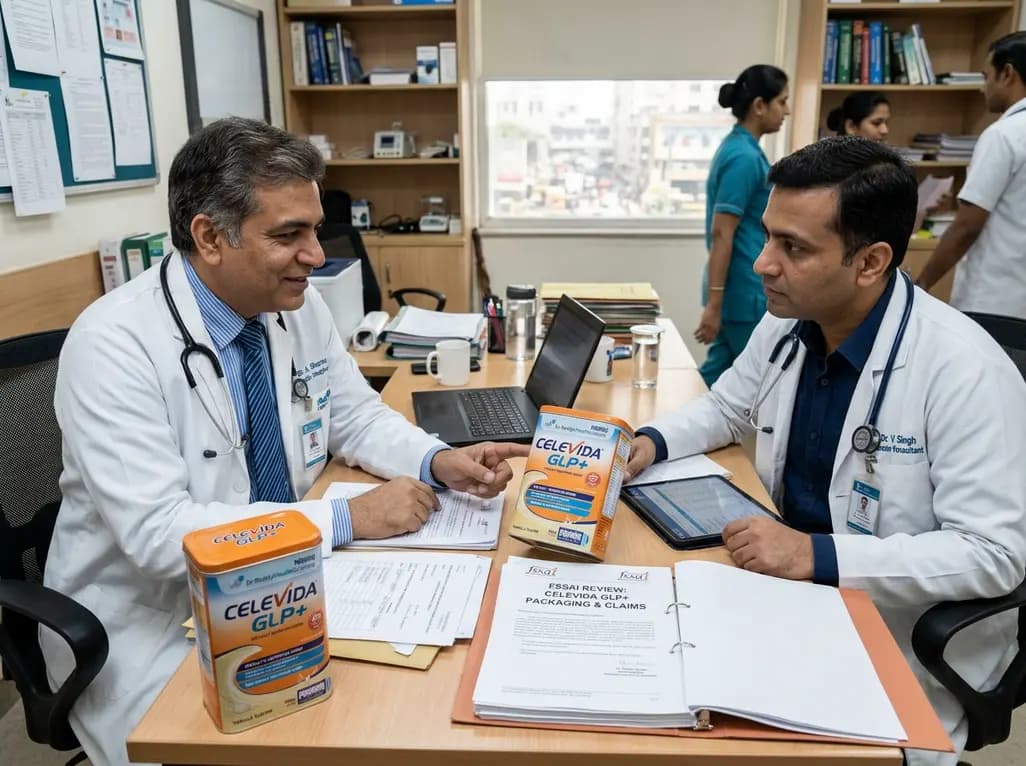
Following regulatory scrutiny from FSSAI regarding promotional representations and lean muscle preservation claims, Dr. Reddy's Laboratories and Nestlé Health Science are currently reviewing the branding and marketing strategy for their joint nutritional supplement Celevida GLP+.
Today
