.webp&w=384&q=75)

Loading, please wait...
Loading, please wait...
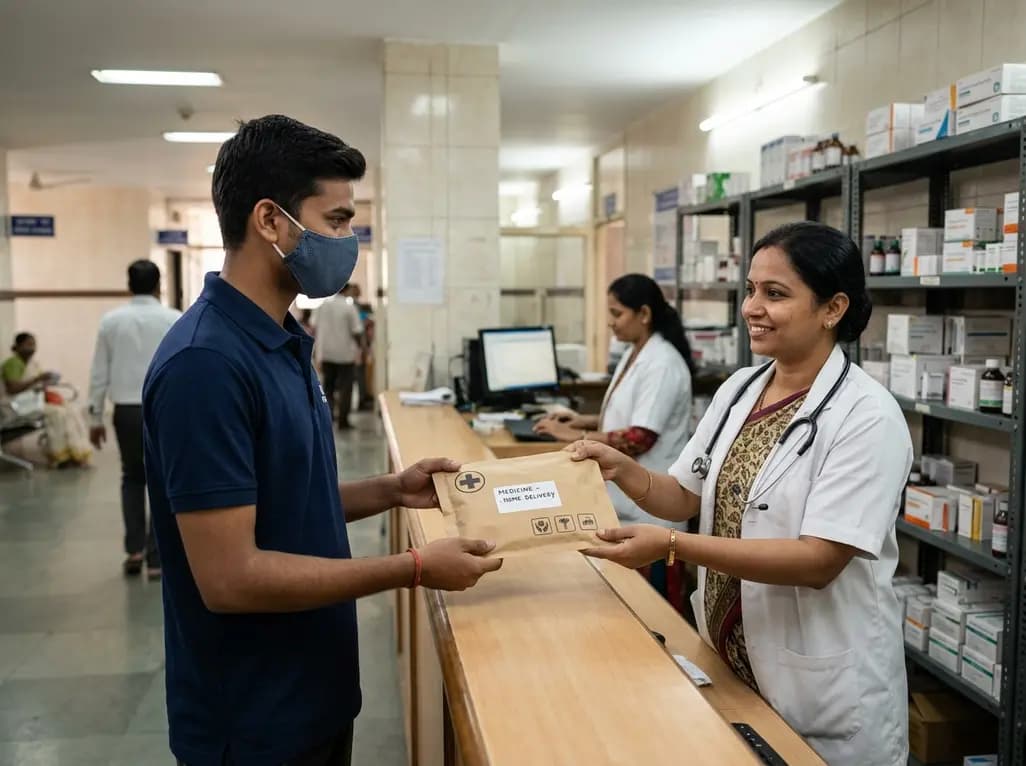
Effective outpatient management during pandemic surges demands rapid access to targeted therapeutics. In particular, timely administration of COVID-19 oral antivirals prevents clinical deterioration and hospitalization among vulnerable patients. However, traditional distribution channels often struggle with inventory bottlenecks and localized geographic inequities. When vulnerable patients face travel restrictions or acute illness, physical pharmacy visits become major hurdles. Consequently, health systems require centralized delivery strategies to bridge the gap between diagnosis and immediate prescription fulfillment. A major urban public health evaluation in New York City demonstrated that dedicated pharmacy home delivery creates a reliable pathway for acute pandemic care. This model offers vital insights for healthcare systems globally, emphasizing rapid therapeutic intervention within critical clinical windows.
Clinical efficacy for SARS-CoV-2 therapeutics depends heavily on prompt medication initiation. For instance, oral regimens like nirmatrelvir-ritonavir require administration within five days of symptom onset. If treatment begins after this window, therapeutic benefits decline drastically. Therefore, clinicians must overcome prescribing and dispensing delays immediately after confirming an infection. In outpatient care, high-risk patients often encounter multi-day delays while seeking testing, obtaining prescriptions, and finding stocking pharmacies. Moreover, frail elderly patients frequently lack reliable transportation or caregiver assistance during acute illness. Consequently, these compounding delays often push patients past the five-day cutoff, eliminating their eligibility for life-saving antivirals. When health authorities establish rapid home fulfillment, they protect this narrow clinical window. Indeed, swift dispensing prevents unnecessary clinical progression to severe lower respiratory tract disease. Furthermore, early therapeutic intervention significantly curbs emergency department utilization and intensive care admissions. By accelerating time-to-treatment, coordinated delivery models maximize the clinical potential of oral regimens. Prescribers can confidently diagnose and treat high-risk individuals, knowing therapy will begin without delay. Ultimately, protecting the therapeutic window represents the cornerstone of effective outpatient antiviral management during respiratory epidemics.
Urban healthcare environments present unique logistical challenges during public health emergencies. Although large cities contain thousands of retail pharmacies, drug supplies often concentrate unevenly across neighborhoods. In addition, economically disadvantaged communities frequently experience pharmacy deserts and chronic medication shortages. As a result, low-income patients face disproportionate delays when attempting to access novel therapeutics. The New York City initiative directly tackled this disparity by partnering with a dedicated central online pharmacy. Over the course of 2022, this single program delivered 48,159 antiviral prescriptions across the metropolitan area. Notably, these deliveries represented 22 percent of all antiviral dispensations citywide. Furthermore, data demonstrated that distributions to higher-need, vulnerable neighborhoods steadily increased over time. By centralizing inventory and dispatching couriers directly to residential doorsteps, the program bypassed local pharmacy deficits. Patients no longer needed to travel while contagious or search multiple stores for scarce medication. Similarly, healthcare providers in underserved clinics could direct prescriptions to a single reliable distributor. This structural intervention converted an inequitable retail supply chain into a synchronized public health lifeline. Consequently, targeted delivery infrastructure actively dismantles geographic disparities and promotes equitable disease management.
Rapid fulfillment velocity serves as the ultimate metric for acute antiviral distribution. In the evaluated metropolitan program, couriers achieved an impressive median delivery time of 17 hours. Specifically, the interquartile range spanned from 6 to 24 hours from prescription intake. Most importantly, staff successfully delivered 92 percent of all antiviral courses within 24 hours. Because COVID-19 viral replication peaks early, such rapid turnaround preserves crucial clinical time for patients. In contrast, standard mail-order services often require two to three business days for delivery. Standard delays can render oral antivirals virtually useless for patients who test positive several days after symptom onset. Therefore, same-day or next-day courier networks offer a decisive therapeutic advantage over conventional shipping methods. Telemedicine physicians can evaluate a symptomatic patient, generate an electronic prescription, and ensure medication arrival by evening. Additionally, digital tracking platforms allow care teams to confirm that patients actually received their medication packages. Couriers provide contact-free delivery, thereby minimizing pathogen transmission to delivery personnel and community members. Thus, combining digital prescribing with localized courier logistics establishes an optimal standard for rapid outpatient treatment. This velocity ensures that patients start therapy while viral loads remain controllable.
Elderly individuals consistently face the highest risks of severe illness, hospitalization, and mortality from acute viral infections. In this citywide delivery initiative, 32 percent of all recipients were adults aged 65 years or older. Older adults often suffer from multiple chronic comorbidities, including cardiovascular disease, diabetes, and chronic kidney dysfunction. Consequently, this demographic benefits most substantially from early antiviral suppression. However, geriatric patients also confront the greatest barriers when accessing conventional community pharmacies. Physical frailty, cognitive impairment, lack of transport, and fear of public exposure often impede access. In addition, isolated seniors living alone may lack family support to collect urgent medications. Pharmacy home delivery directly removes these physical barriers, delivering life-saving therapy straight to the patient's bedside. Prescribers can also pair courier distribution with telephone follow-up to support treatment adherence and monitor side effects. For example, clinical pharmacists can review potential drug-drug interactions remotely before dispatching the antiviral package. This comprehensive approach protects seniors from dangerous polypharmacy complications while securing prompt clinical benefit. Ultimately, prioritized home distribution shields vulnerable older adults from systemic healthcare failures during community outbreaks.
The success of centralized pharmacy home delivery extends far beyond the COVID-19 pandemic. In fact, this framework provides a practical blueprint for managing future respiratory pathogens and public health crises. As telemedicine adoption expands globally, remote consultations must connect seamlessly with reliable physical drug fulfillment. Otherwise, rapid digital diagnosis provides little clinical value if patients cannot obtain prescribed medications immediately. Furthermore, public health departments can replicate this centralized model to distribute other emergency medical countermeasures. For instance, health systems can deploy identical home delivery pipelines for influenza antivirals, mpox treatments, or prophylactic antibiotics. Integrating electronic health record systems with contracted courier pharmacies creates an agile, responsive infrastructure. Prescribers can track real-time inventory levels, eliminating confusion regarding drug availability during regional surges. Moreover, health authorities can direct resources dynamically toward emerging disease hotspots and historically underserved communities. By establishing these public-private partnerships before crises emerge, health systems build enduring institutional resilience. Clinicians gain confidence that vulnerable outpatients will receive prompt therapy regardless of neighborhood socioeconomic status. In summary, centralized home delivery modernizes emergency preparedness and bridges the divide between virtual consultations and clinical healing.
Clinicians must initiate oral antiviral therapy within five days of symptom onset to effectively suppress viral replication and prevent severe disease progression. Consequently, any delay in pharmacy fulfillment can cause patients to miss this narrow therapeutic window entirely. Rapid home delivery eliminates logistical obstacles, transportation hurdles, and local inventory shortages. Therefore, courier dispensing ensures that high-risk individuals receive treatment promptly, substantially reducing hospitalization rates and severe complications during acute community surges.
Traditional pharmacy models often disadvantage under-resourced neighborhoods where retail outlets face recurring inventory shortages or limited operational hours. In contrast, a centralized home delivery program uses unified inventory tracking to distribute therapeutics systematically across every district. Furthermore, eliminating physical pharmacy visits removes mobility challenges for marginalized populations and elderly citizens. Because couriers transport medications directly to patient residences, this service bridges socioeconomic gaps and ensures that high-need communities receive equal access to life-saving medications during public emergencies.
Prescribers must conduct thorough medication reconciliations before dispensing nirmatrelvir-ritonavir due to substantial cytochrome P450 3A interactions. For example, common cardiovascular agents, statins, and anticonvulsants frequently require temporary dose adjustments or discontinuation. Additionally, physicians must assess baseline renal function, modifying doses for moderate impairment and avoiding the regimen in severe renal failure. Clear patient counseling regarding adherence and prompt reporting of adverse reactions remains essential to optimize clinical outcomes while minimizing preventable toxicity.
Disclaimer: This content is for informational and educational purposes only... Refer to the latest local and national guidelines for clinical practice.
References

Read summarized clinical updates, watch expert medical content, and earn CME certifications right from your smartphone.
Open your smartphone camera to scan and install.





A New York City initiative successfully distributed over 48,000 COVID-19 oral antiviral prescriptions through rapid home delivery in 2022. With 92% delivered within 24 hours, the program safeguarded vulnerable and elderly populations, establishing an equitable framework for emergency drug distribution.
last month
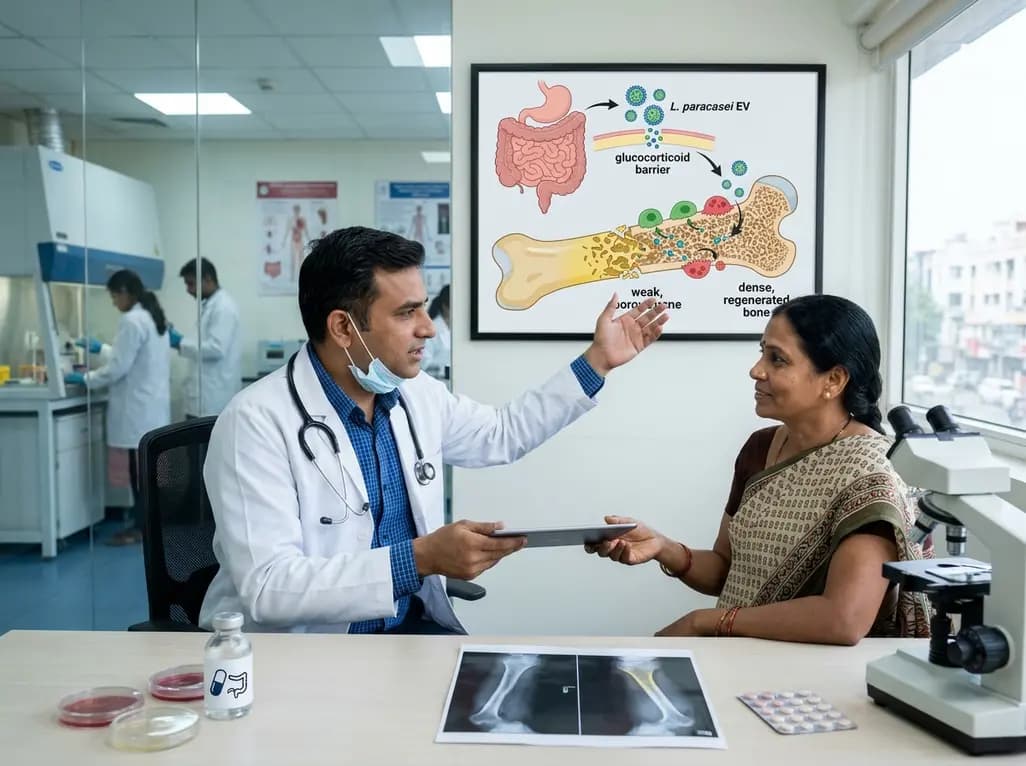
A novel oral nanoplatform using Lacticaseibacillus paracasei-derived extracellular vesicles delivers alendronate, reversing glucocorticoid-induced bone loss and restoring gut-immune-bone homeostasis.
Today

A rare presentation of cervical villoglandular adenocarcinoma metastasizing to the ovary mimicked a borderline ovarian tumor. Multimodal testing with immunohistochemistry and HPV16 DNA confirmed metastatic origin, guiding optimal surgical and chemoradiotherapy intervention.
Today
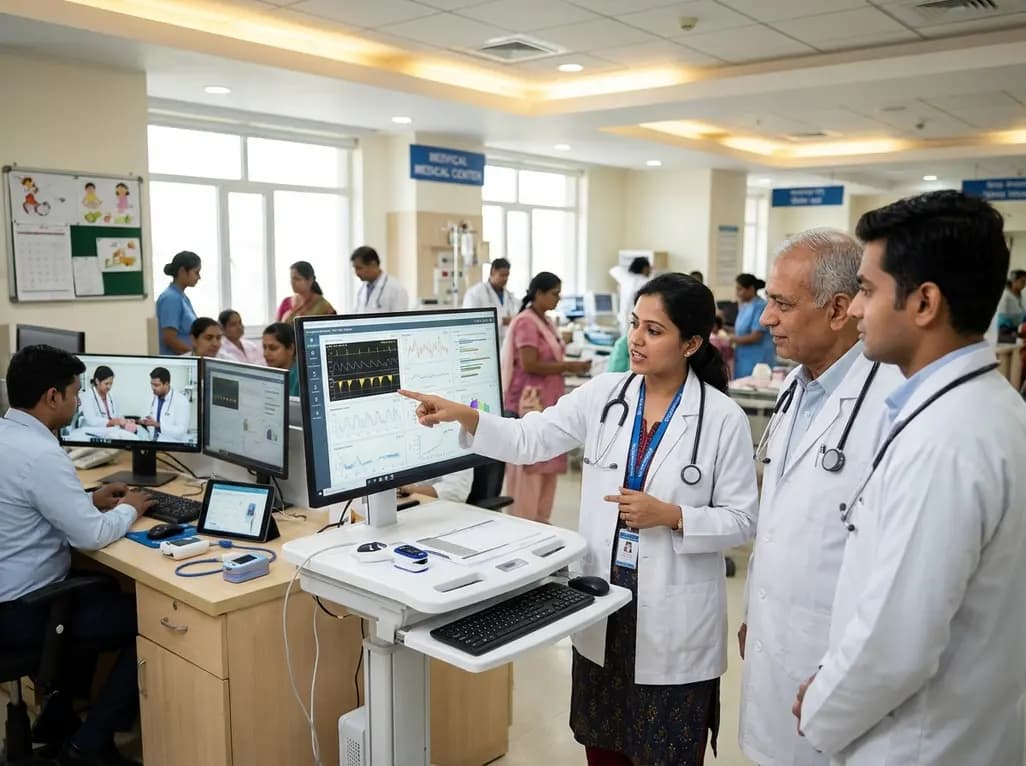
A landmark study details how an enterprise pediatric remote patient management model expanded from a single cardiology pilot to 16 diverse specialty programs by combining centralized digital operations with specialty clinical leadership.
Yesterday
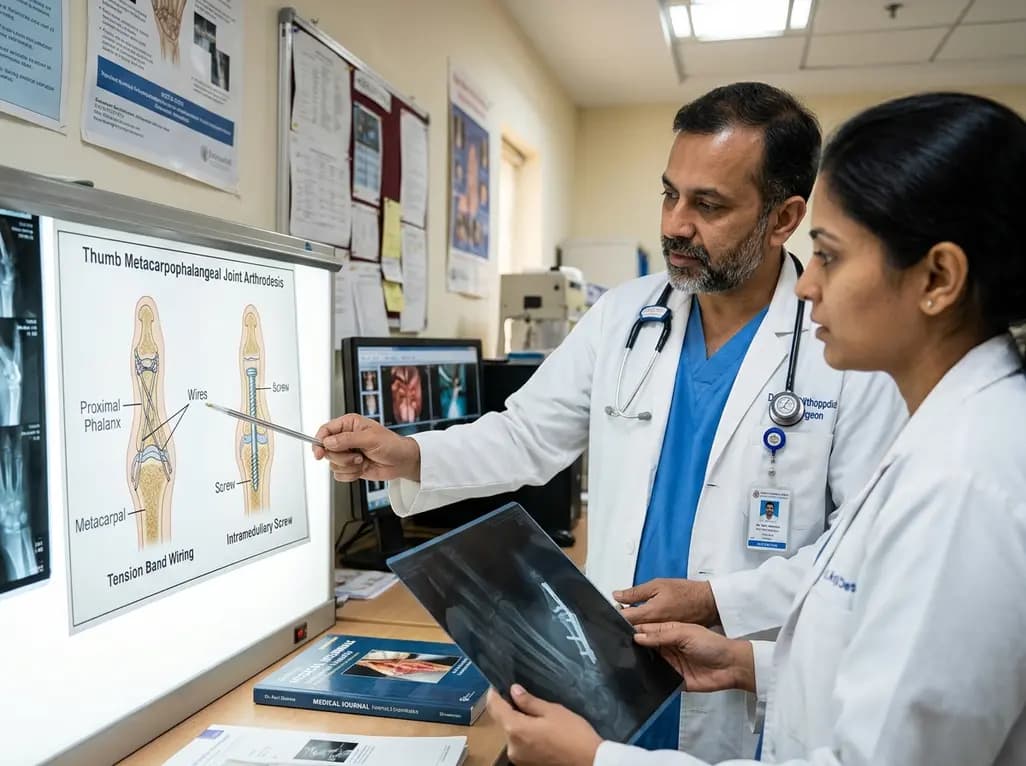
A comparative review of tension band wiring and intramedullary screw fixation in thumb metacarpophalangeal arthrodesis, evaluating union rates, hardware complications, and clinical outcomes.
Yesterday
A real-world trial evaluating a near-infrared spectroscopy noninvasive glucose monitoring device in adults with type 2 diabetes demonstrated a combined MAD/MARD of 16.3 across 2,616 paired readings, highlighting its clinical feasibility.
Today
