.webp&w=384&q=75)

Loading, please wait...
Loading, please wait...
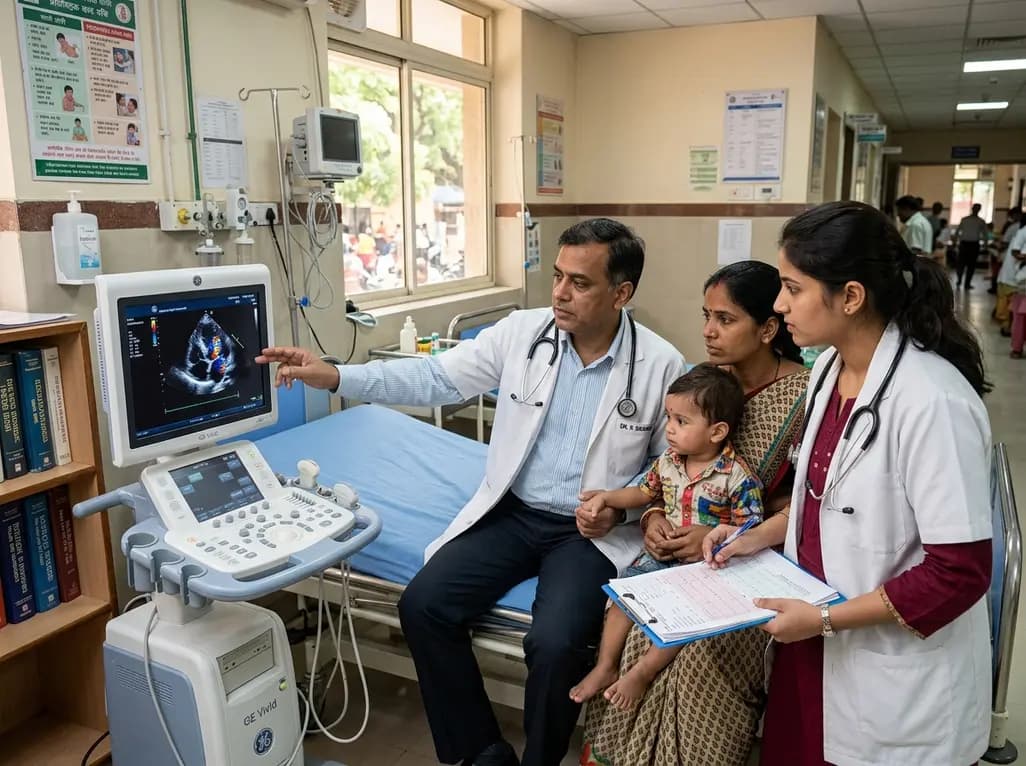
Kawasaki disease remains the primary cause of acquired heart disease among children across many nations. In this systemic vasculitis, coronary artery aneurysms represent the most feared and devastating cardiovascular consequence. Clinicians strive to prevent long-term arterial injury by initiating timely medical interventions. However, identifying which children face the highest risk of structural arterial damage remains a persistent challenge. A seminal international investigation now provides clear clarity regarding the major drivers of persistent arterial damage.
Kawasaki disease triggers intense acute transmural inflammation across medium-sized muscular arteries. Therefore, the coronary vasculature remains exceptionally vulnerable to progressive structural breakdown. When systemic inflammation compromises the internal elastic lamina, localized lumen expansion occurs rapidly. Consequently, coronary artery aneurysms can develop, predisposing vulnerable pediatric patients to thrombosis, coronary stenosis, and myocardial infarction.
Fortunately, primary therapy with high-dose intravenous immunoglobulin and aspirin suppresses systemic inflammation effectively in most children. However, a significant subset of patients still develops irreversible arterial lesions despite prompt treatment. In severe instances, children develop medium to giant aneurysms that carry lifelong cardiovascular risks. These catastrophic lesions often require lifelong antiplatelet or anticoagulant regimens to prevent luminal occlusion.
Furthermore, incomplete or atypical clinical presentations often delay early diagnostic suspicion. Because delayed intervention markedly elevates vascular damage, physicians must understand specific prognostic predictors before complications materialize. Early risk stratification allows clinicians to tailor adjunctive immunosuppressive therapy immediately. Thus, recognizing early clinical markers protects children from lifelong cardiovascular sequelae.
To establish robust, generalizable prognostic markers, investigators evaluated massive contemporary patient cohorts across diverse geographical regions. Specifically, the researchers examined data from 42,350 children enrolled in the Japanese Nationwide Kawasaki Disease Surveys between 2019 and 2022. Additionally, they analyzed a multiethnic cohort of 1,216 pediatric patients treated across major medical centers in the United States.
Through multivariable logistic regression modeling, investigators assessed clinical variables associated with persistent arterial damage one month after fever onset. The researchers defined coronary artery aneurysm formation as an internal lumen Z score of 2.5 or greater. Importantly, the comparative nature of this study enabled researchers to validate findings across genetically diverse populations.
Consequently, the results demonstrated striking parallels between both national patient groups. Despite demographic variations and regional practice patterns, the primary determinants of adverse vascular outcomes aligned remarkably well. Furthermore, the findings proved consistent not only for mild luminal enlargement, but also for clinically concerning medium and giant aneurysms. These findings confirm that primary vascular vulnerability transcends geographic borders. Therefore, clinicians worldwide can apply these insights directly to their daily bedside practice.
The study revealed that initial coronary artery enlargement at diagnosis represents the strongest independent predictor of persistent arterial damage. Children who presented with baseline coronary artery dilation—defined as a Z score of 2.5 or higher—faced dramatic odds of persistent aneurysms. In the Japanese cohort, baseline dilation correlated with a massive 22.7-fold increase in aneurysm risk at one month. Similarly, in the United States cohort, initial luminal dilation conferred an impressive 13.4-fold increased risk.
Therefore, an early abnormal echocardiogram serves as a powerful red flag for clinicians. Even subtle initial luminal stretching reflects intense local arterial wall inflammation. As a result, early microstructural damage impairs vascular remodeling and prevents spontaneous arterial recovery. Furthermore, baseline dilation strongly predicted the subsequent emergence of medium to giant aneurysms, which pose the greatest threat to pediatric survival.
Consequently, clinicians cannot consider initial coronary dilation as a benign, transient manifestation of acute febrile illness. Instead, physicians must view baseline arterial dilation as an urgent call for aggressive monitoring. Because these children experience accelerated arterial remodeling, early cardiovascular risk stratification becomes indispensable for guiding management.
Beyond initial arterial dilation, multivariable analysis identified two other critical determinants of coronary complications: age younger than six months and intravenous immunoglobulin resistance. Specifically, infants under six months demonstrated significantly elevated vulnerability to arterial aneurysms across both cohorts. Because young infants frequently present with atypical symptoms such as isolated fever and irritability, diagnostic delays occur frequently. Moreover, their smaller coronary caliber and developing immune system may amplify vascular inflammation.
Similarly, resistance to initial intravenous immunoglobulin therapy emerged as a potent independent predictor of arterial pathology. When initial therapy fails to extinguish systemic vasculitis, unmitigated inflammation continues to destroy arterial integrity. Interestingly, stratified analyses revealed a critical nuance regarding treatment failure. Intravenous immunoglobulin resistance showed its strongest association with subsequent aneurysms among children who possessed completely normal coronary arteries at baseline.
Therefore, when a child with normal baseline vessels develops persistent fever after initial treatment, clinicians must act aggressively. In these non-responsive patients, persistent inflammation rapidly attacks previously unaffected vessels. Consequently, vigilant monitoring and prompt escalation of anti-inflammatory therapies are mandatory to prevent sudden structural destruction.
These compelling findings provide actionable clinical guidance for pediatricians, cardiologists, and emergency physicians. In settings like India, where Kawasaki disease remains increasingly recognized yet frequently diagnosed late, prompt risk stratification is crucial. Because standard risk scoring systems developed in East Asia exhibit variable accuracy in South Asian populations, objective clinical indicators offer superior utility.
Clinicians must prioritize immediate baseline echocardiography for every suspected case of Kawasaki disease before starting primary treatment. When baseline imaging identifies coronary enlargement, clinicians should consider early intensified treatment protocols. For instance, combining corticosteroids or biologic agents with initial immunoglobulin therapy can mitigate high vascular risk in selected cases. Furthermore, physicians must maintain an exceptionally high index of suspicion in infants under six months who present with unexplained prolonged fever.
Additionally, close monitoring during the first 36 to 48 hours post-infusion remains essential. If fever persists or recrudesces, clinicians should immediately recognize treatment failure as an urgent cardiovascular emergency. By promptly initiating second-line therapies, healthcare teams can halt arterial degradation and preserve cardiac function. Ultimately, translating these findings into structured clinical protocols will reduce acquired heart disease burden globally.
Clinicians define coronary artery aneurysms using body surface area-adjusted Z scores calculated by echocardiography. A Z score between 2.0 and 2.5 indicates coronary artery dilation. Meanwhile, a score between 2.5 and 5.0 signifies a small aneurysm. Furthermore, scores from 5.0 to 10.0 indicate medium aneurysms, whereas scores of 10.0 or greater represent giant aneurysms. Giant lesions carry the highest risk of thrombosis and require comprehensive systemic anticoagulation therapy.
Infants under six months experience higher coronary complication rates primarily due to diagnostic delay. Because very young infants often display atypical or incomplete presentations, clinicians frequently mistake symptoms for routine viral or bacterial infections. Consequently, intravenous immunoglobulin administration is often significantly delayed beyond the optimal ten-day therapeutic window. In addition, immature vascular anatomy and unique immune responsiveness in young infants make their coronary arterial walls particularly susceptible to severe, destructive inflammatory injury.
When persistent or recrudescent fever occurs 36 hours after initial infusion, clinicians must recognize intravenous immunoglobulin resistance promptly. Physicians should immediately administer a second high-dose immunoglobulin infusion of two grams per kilogram. Alternatively, clinicians may initiate intravenous pulse methylprednisolone to quell ongoing vascular inflammation. In refractory scenarios, adding biologic agents such as infliximab or cyclosporine provides robust immunosuppression. Prompt second-line intervention helps protect vulnerable coronary vessels from irreversible aneurysmal remodeling and progressive dilation.
Disclaimer: This content is for informational and educational purposes only and should not be substituted for professional medical advice, diagnosis, or treatment. Always consult a qualified healthcare provider with questions regarding a medical condition. Refer to the latest local and national guidelines for clinical practice.
References

Read summarized clinical updates, watch expert medical content, and earn CME certifications right from your smartphone.
Open your smartphone camera to scan and install.





A large cross-cohort study highlights key risk factors for coronary artery aneurysms in children with Kawasaki disease, including early baseline dilation, age under six months, and IVIG resistance, emphasizing timely echocardiography.
last month

Review how tailored exercise programs benefit frail older patients with heart failure. Explore pathophysiological mechanisms, individualized training prescriptions, and strategies to overcome adherence barriers in clinical practice.
Today

Leucine Rich Bio has introduced South Asia's first comprehensive vaginal microbiome test, BugSpeaks. By profiling microbial dysbiosis, pathogens, and antimicrobial resistance, this next-generation diagnostic platform provides clinicians with deeper insights into recurrent infections, fertility, and reproductive health.
Today

In high-risk pulmonary embolism complicated by severe anemia and active uterine bleeding, systemic thrombolysis is contraindicated. Large-bore aspiration thrombectomy provides rapid hemodynamic rescue without fibrinolysis, supported by inferior vena cava filter placement and multidisciplinary critical care.
Today

This comparative study evaluates posterior labral tears with and without glenohumeral instability, highlighting distinct demographic patterns, MRI underestimation in stable shoulders, and successful arthroscopic repair outcomes.
Today

A clinical study demonstrates that early intervention with tocilizumab, either as monotherapy or bridged with corticosteroids, achieves significant proptosis reduction and resolves active inflammation in treatment-naive thyroid eye disease.
Today
