.webp&w=384&q=75)

Loading, please wait...
Loading, please wait...

Individuals experiencing homelessness face a significantly higher risk of suicide compared to the general population. This disparity often stems from extreme social needs and the presence of complex multimorbidity. Effective continuity of care suicide prevention strategies address these risks by ensuring that patients receive consistent support across various healthcare providers. Care coordination serves as a protective factor, particularly when mental health nurses take a leading role in managing complex patient trajectories.
Furthermore, the use of validated tools like the Alberta Continuity of Services Scale for Mental Health (ACSS-MH) allows clinicians to measure the quality of service delivery. Consequently, psychiatric nurses can identify gaps in care that might otherwise lead to increased suicidal ideation. By applying the specific subscales from the ACSS-MH, nursing teams can evaluate their effectiveness in suicide risk detection and implement long-term prevention protocols.
The U.S. Veterans Affairs (VA) Homeless Patient-Aligned Care Team (HPACT) serves as a successful practice exemplar for this approach. This model integrates primary care with social services and universal suicide screening. Therefore, adopting similar innovative screening models in other clinical settings can significantly impact patient safety. Specifically, psychiatric nurses who foster intentional continuity can reduce the fragmentation that often plagues marginalized populations.
In summary, quality improvement in psychiatric nursing must start with precise measurement. Validated tools drive both research and clinical excellence in high-risk populations. As a result, healthcare systems can transition from reactive crisis management to proactive, continuous care models that save lives.
The ACSS-MH (Alberta Continuity of Services Scale for Mental Health) is a measurement tool that helps healthcare providers evaluate the consistency and coordination of mental health services across different providers and timeframes.
Homeless individuals often receive fragmented care from multiple sources, which increases the risk of them falling through the cracks. Continuous care coordination ensures that high-risk patients are monitored consistently, significantly reducing the likelihood of missed warning signs.
Disclaimer: This content is for informational and educational purposes only and does not constitute medical advice or a professional relationship between the reader and the author. Always seek the advice of a qualified healthcare provider with any questions regarding a medical condition. Refer to the latest local and national guidelines for clinical practice.
References
Anderson AJ et al. Continuity of Care as Suicide Prevention: Measures and Models to Consider for Nurses Serving People With Experiences of Homelessness. J Am Psychiatr Nurses Assoc. 2026 May 10. doi: 10.1177/10783903261440181. PMID: 42106956.
Suicide Prevention Resource Center (SPRC). Improving Care for Homeless Patients at Risk for Suicide. Education Development Center (EDC); 2018.
Role of Psychiatric Nurses in Suicide Prevention: Aligned with SDG 3. Vascular and Endovascular Review. 2025;8(3s):393-401.

Read summarized clinical updates, watch expert medical content, and earn CME certifications right from your smartphone.
Open your smartphone camera to scan and install.





This article explores the use of the ACSS-MH scale and continuity of care models to improve suicide prevention for people experiencing homelessness....
5 months ago
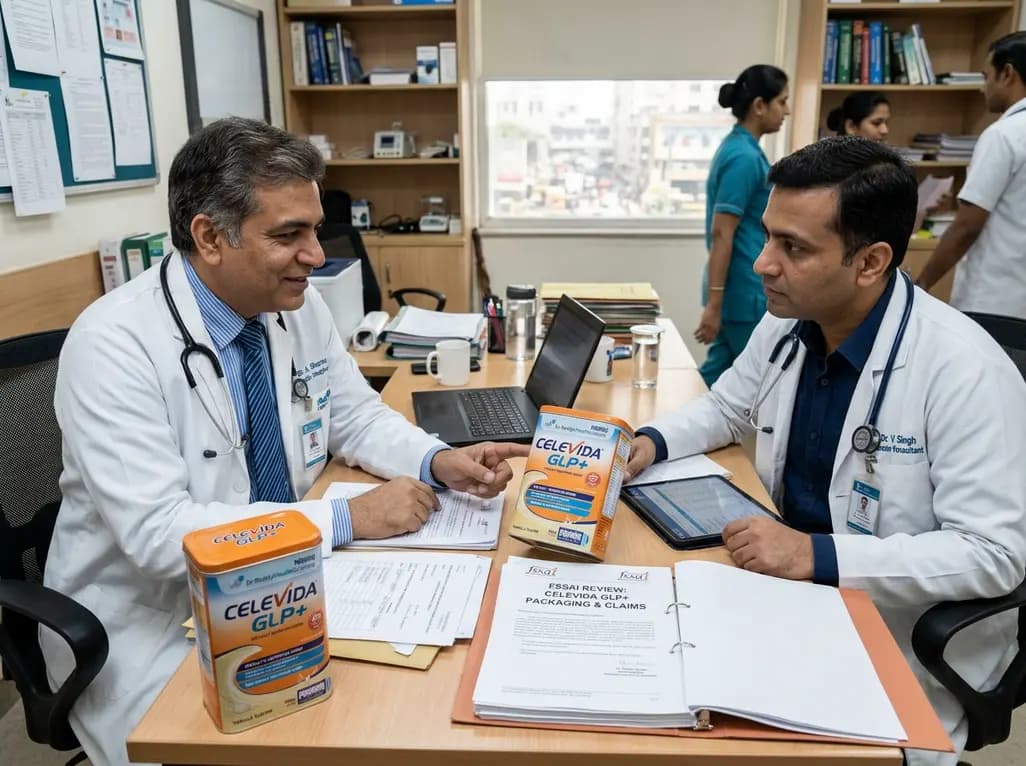
Following regulatory scrutiny from FSSAI regarding promotional representations and lean muscle preservation claims, Dr. Reddy's Laboratories and Nestlé Health Science are currently reviewing the branding and marketing strategy for their joint nutritional supplement Celevida GLP+.
Today
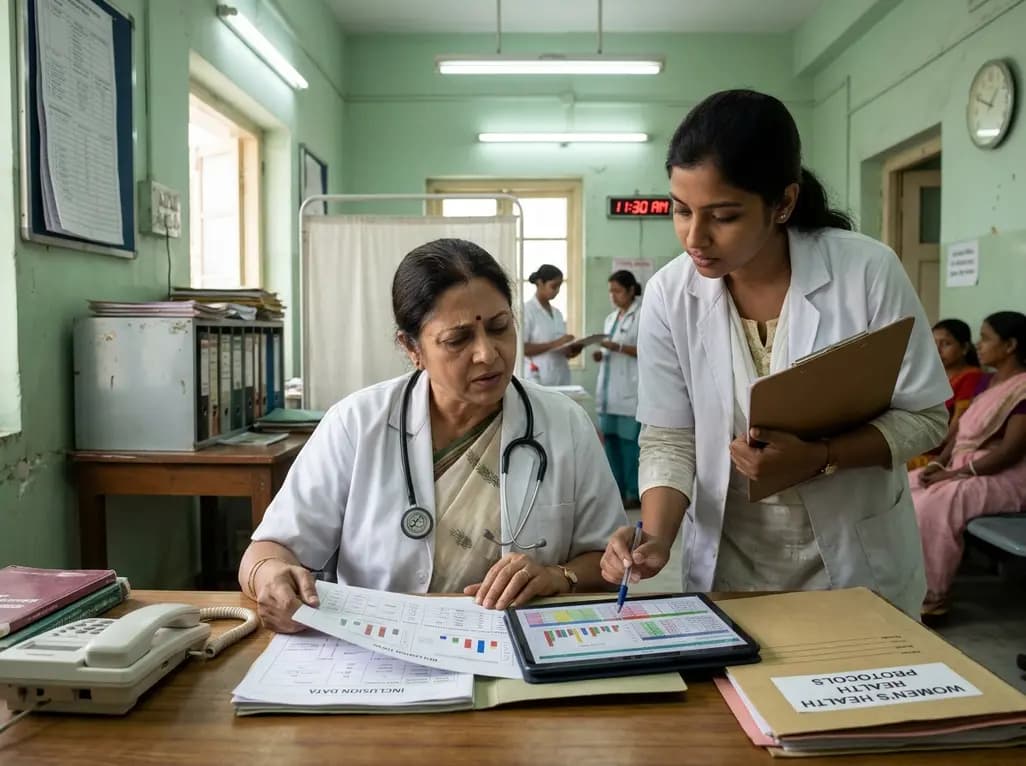
Demanding exhaustive hormonal profiling can inadvertently discourage clinical studies involving females. Methodological standards must align with the specific scientific question to expand, not restrict, equitable evidence for women.
Today

The Directorate General of Health Services directs Indian states to halt the hazardous reuse and reprocessing of single-use medical devices. Discover regulatory implications under the Drugs and Cosmetics Act, critical infection risks, legal liabilities, and operational changes required across clinical specialties.
Today
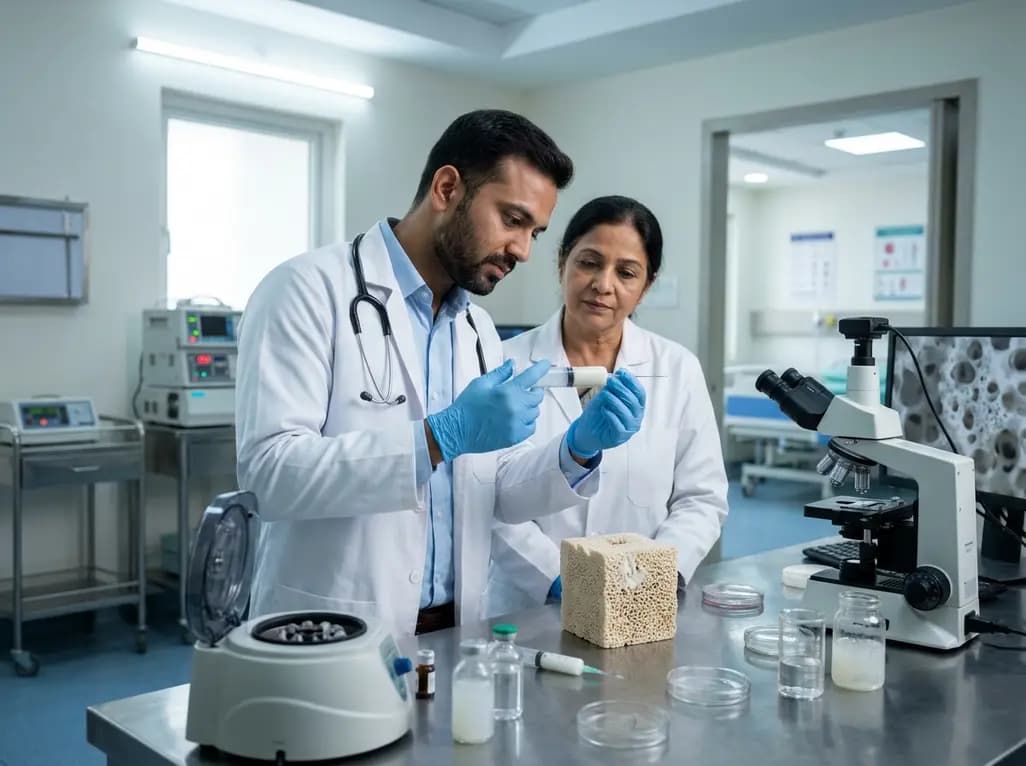
A novel calcium polyphosphate coacervate enables injectable bone implants with in situ hierarchical porosity via phase separation and gas foaming, significantly enhancing cell proliferation, energy metabolism, and osteogenic differentiation for minimally invasive bone defect repair.
Today

India is advancing preventive healthcare by integrating genomics, artificial intelligence, and quantum technologies. With the SANGAM programme sequencing one million Indian genomes, clinicians can unlock personalized therapies, detect cardiometabolic risks early, and curb the burden of diabetes and heart disease.
Today
