

Loading, please wait...
Loading, please wait...
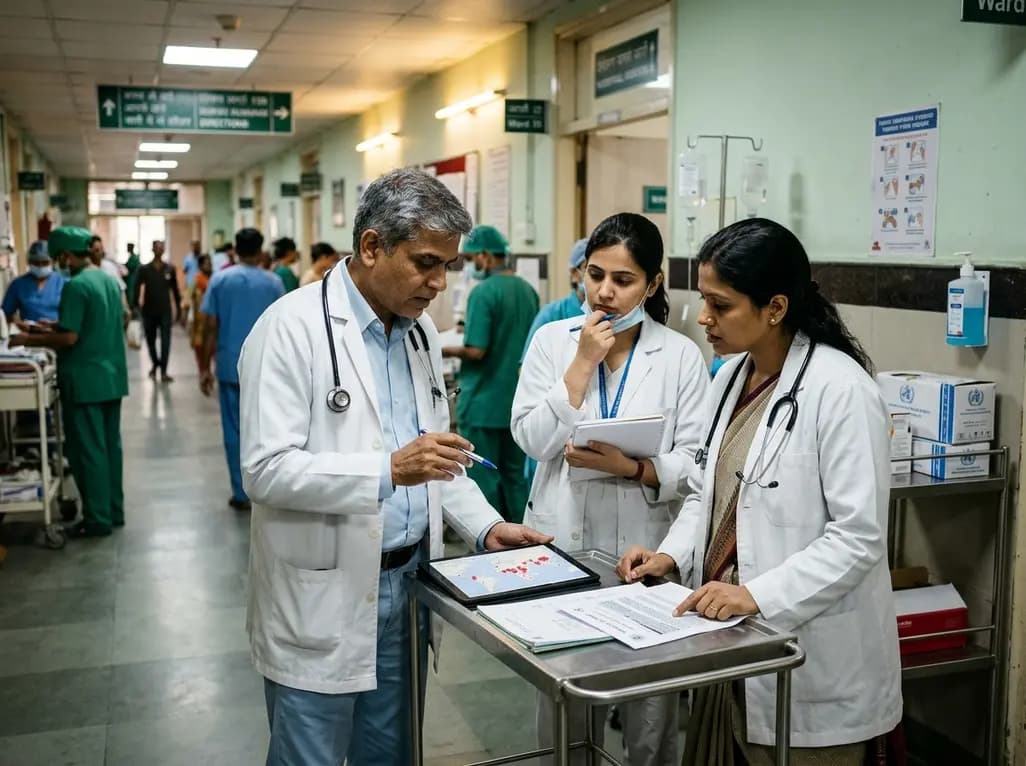
The ongoing Congo Ebola outbreak has escalated into an unprecedented public health crisis across Central Africa. Health officials have confirmed more than 11,000 cases and over 5,500 deaths within six months. Furthermore, epidemiologists trace this rapid surge to the rare Bundibugyo virus strain. The current trajectory indicates that infections are expanding at double the velocity recorded during the early phase of West Africa's historic epidemic. Consequently, international surveillance networks remain on high alert. Additionally, frontline healthcare systems face critical strain due to severe logistics bottlenecks and intense regional conflict. Therefore, clinicians worldwide must maintain heightened diagnostic vigilance for unexplained hemorrhagic fevers among international travelers returning from affected endemic zones.
Recent surveillance data highlights an alarming trajectory across eastern provinces in the Democratic Republic of Congo. Specifically, the total infection numbers have surpassed every prior domestic outbreak within just half a year. The Bundibugyo ebolavirus pathogen, which originally emerged in Uganda in 2007, drives this massive resurgence. Moreover, human movement along commercial transport corridors accelerates community transmission faster than previously documented. The virus spreads primarily through direct contact with infectious blood, bodily secretions, or contaminated environmental surfaces. In addition, transmission frequently occurs through mucosal exposure or percutaneous injuries during routine patient care. Healthcare personnel and caregivers face substantial biological hazards without proper personal protective equipment. Unsafe traditional burial practices also amplify community infection clusters across rural territories. Consequently, public health responders prioritize early isolation to break persistent transmission chains. Mobile populations frequently introduce the virus into dense urban settlements. Therefore, surveillance officers must establish rapid screening checkpoints along provincial transit routes. Coordinated contact tracing remains essential for identifying exposed individuals before secondary spread begins. Furthermore, mathematical modeling demonstrates that timely isolation within forty-eight hours of symptom onset markedly reduces secondary transmission rates. Hence, regional health authorities actively deploy rapid response teams to map exposed contacts.
Bundibugyo virus disease presents with an acute, non-specific febrile illness that challenges clinical triage. Typically, the incubation period ranges from two to twenty-one days after exposure. Patients initially develop sudden high fever, profound fatigue, diffuse myalgia, severe headache, and sore throat. Subsequently, gastrointestinal symptoms emerge rapidly within three to five days. Infected individuals frequently report intractable nausea, watery diarrhea, abdominal cramping, and severe vomiting. As a result, massive intravascular fluid loss leads to profound hypovolemia, electrolyte derangements, and metabolic acidosis. While classic viral hemorrhagic fever often conjures dramatic bleeding, overt hemorrhage occurs in a minority of cases. Instead, clinicians more commonly observe mucosal oozing, petechiae, ecchymosis, or hematemesis in advanced stages. Furthermore, multi-organ dysfunction, including acute kidney injury and hepatic necrosis, often precedes terminal cardiovascular collapse. Case fatality rates for the Bundibugyo strain historically hover around forty to fifty percent. However, delayed supportive intervention substantially increases mortality among vulnerable patient groups. Therefore, clinicians must avoid anchoring on overt hemorrhage to suspect this virulent pathogen. Additionally, pediatric patients and pregnant women experience exceptionally severe disease manifestations and higher mortality. In particular, maternal infection frequently triggers spontaneous abortion or premature labor with severe obstetric hemorrhage. Clinicians must maintain a broad differential diagnosis that includes malaria, typhoid fever, and viral hepatitis. Consequently, early clinical suspicion requires immediate patient isolation pending laboratory confirmation.
Medical teams confronting the Congo Ebola outbreak navigate extraordinary operational and structural obstacles. Primarily, persistent civil insecurity in conflict zones severely impedes humanitarian intervention. Armed factions have repeatedly ambushed health facilities, transit vehicles, and dedicated surveillance workers. Consequently, deep-seated community mistrust hampers epidemiological investigations and aggressive contact tracing. Furthermore, chronic logistical bottlenecks prevent essential medical supplies from reaching rural clinics beyond the original epicenter. Treatment centers frequently face acute shortages of personal protective equipment, intravenous replacement fluids, and point-of-care diagnostics. In addition, healthcare personnel have staged strikes over unsafe working conditions and unpaid salaries. Many frontline workers have labored for several months without receiving their promised compensation. Therefore, administrative delays in disbursing promised international financial assistance severely cripple the ground response. International donors pledged nearly three billion dollars, yet local authorities received less than half. Thus, resource duplication and poor cross-agency coordination weaken frontline epidemic containment. Without reliable security and consistent logistics, containment efforts will falter. Moreover, remote geography and damaged infrastructure prolong sample transit times to central reference laboratories. Hence, clinicians often manage suspected cases without rapid diagnostic confirmation for several days. Additionally, extreme tropical heat complicates the continuous wear of heavy protective gear during long shifts.
Prompt diagnostic confirmation forms the bedrock of effective filovirus case management. Clinicians rely primarily on reverse transcription-polymerase chain reaction assays to detect viral ribonucleic acid. However, viral loads may fall below detection thresholds during the first three days of symptoms. Therefore, clinical teams must retest individuals if suspicion persists despite an initial negative result. Rapid antigen detection tests offer valuable utility in austere settings, although confirmatory molecular testing remains mandatory. In parallel, routine laboratory evaluations demonstrate leukopenia, severe thrombocytopenia, elevated serum transaminases, and elevated serum creatinine. Therapeutic management currently centers on early, aggressive supportive critical care. Specifically, clinical protocols mandate rapid intravenous crystalloid rehydration to counteract immense gastrointestinal volume loss. Furthermore, physicians must rigorously correct electrolyte imbalances, particularly severe hypokalemia and hypomagnesemia. Clinicians also initiate empirical antimicrobial therapy for potential co-infections, including falciparum malaria and secondary bacterial sepsis. Unfortunately, existing monoclonal antibody therapies developed for the Zaire strain lack established efficacy against the Bundibugyo species. Consequently, robust supportive care remains the primary therapeutic intervention to reduce mortality. Additionally, clinicians must monitor hemodynamic stability using non-invasive blood pressure devices and pulse oximetry. Timely correction of metabolic acidosis prevents lethal cardiac arrhythmias in deteriorating patients. Moreover, nutritional supplementation supports cellular recovery once gastrointestinal tolerance improves.
Global public health agencies view the expanding epidemic with intense urgency. Because international air travel connects remote regions to global hubs, cross-border transmission remains a genuine threat. Several neighboring and international countries have already detected imported infections among travelers and medical responders. Therefore, healthcare facilities across non-endemic countries must reinforce standard and transmission-based precautions. Hospital emergency departments should establish standardized travel screening protocols for all febrile patients. Clinicians must immediately isolate any individual presenting with unexplained fever who traveled to Central Africa within twenty-one days. Additionally, healthcare workers must strictly adhere to personal protective equipment guidelines when handling suspected cases. Protocols require impermeable coveralls, double gloving, respiratory protection, and full facial shields. Strict environmental cleaning with hospital-grade disinfectants neutralizes filoviruses on clinical surfaces. Meanwhile, international research consortia are accelerating clinical trials for strain-specific vaccines and antiviral candidates. Public health agencies must also address community misinformation to build trust with affected populations. Ultimately, global health security depends on robust containment at the outbreak epicenter. Furthermore, national health authorities must maintain designated isolation facilities equipped with negative-pressure rooms. Coordinated inter-agency simulations ensure that hospital personnel respond swiftly without compromising personal safety. Thus, sustained international vigilance remains our most formidable defense against global epidemic spread.
Q1: Why is the Bundibugyo Ebola strain particularly concerning during this outbreak?
The Bundibugyo ebolavirus strain presents unique clinical and logistical challenges because existing medical countermeasures show limited cross-protection. Approved vaccines like ERVEBO and monoclonal antibodies like Inmazeb specifically target the Zaire strain, leaving clinicians without proven targeted therapies for Bundibugyo. Consequently, management relies entirely on aggressive supportive rehydration and critical care. Furthermore, its rapid community spread in conflict zones severely hampers conventional epidemiological surveillance and contact tracing interventions.
Q2: What initial symptoms should alert clinicians to suspect Ebola virus disease?
Clinicians should suspect Ebola when a patient presents with sudden high fever, profound fatigue, myalgia, and severe headache after traveling to an endemic area. Within days, prominent gastrointestinal manifestations such as watery diarrhea, persistent nausea, and vomiting typically develop. Although overt hemorrhage receives widespread attention, clinicians must recognize that frank bleeding occurs in only a minority of cases. Therefore, clinicians must never exclude filovirus disease merely due to the absence of hemorrhage.
Q3: What immediate infection control actions should healthcare facilities take for suspected cases?
Healthcare facilities must immediately place suspected patients into a dedicated single-patient isolation room with negative pressure or separate ventilation. Personnel entering the room must wear full personal protective equipment, including fluid-resistant gowns, respiratory protection, and face shields. In addition, hospitals should immediately notify public health surveillance authorities and avoid non-essential invasive procedures. Clinicians should also dedicate disposable medical equipment to the patient and implement strict environmental surface disinfection protocols to prevent nosocomial transmission.
Disclaimer: This content is for informational and educational purposes only. It does not constitute medical advice or replace professional judgment. Refer to the latest local and national guidelines for clinical practice.
References

Read summarized clinical updates, watch expert medical content, and earn CME certifications right from your smartphone.
Open your smartphone camera to scan and install.





The rapid resurgence of Bundibugyo virus disease in Central Africa presents unprecedented epidemiological challenges. Frontline medical teams confront acute resource limitations, active civil conflict, and diagnostic complexities as international health agencies scale up cross-border surveillance and clinical trials.
Today
With caesarean rates reaching 59% in private hospitals and 37% in public facilities, the Maharashtra health department has instituted mandatory clinical audits under the LaQshya framework. Clinicians must now document surgical indications immediately to promote maternal safety and curb non-indicated interventions.
Today

A prospective machine learning study demonstrates that an interpretable XGBoost model using 30 photoplethysmography features accurately estimates continuous blood pressure in intensive care units, achieving Grade A British Hypertension Society standards and reducing reliance on invasive arterial catheters.
Today
A 491-patient cohort study in Sudan reveals critical insights into war trauma reconstructive surgery, analyzing injury patterns, soft-tissue procedures, and a 25.5% complication rate in resource-limited conflict zones.
Today
A secondary analysis of the Living Healthier with Diabetes trial reveals that positive baseline technology attitudes significantly improve engagement with digital diabetes self-management apps, leading to enhanced self-care behaviors and better long-term glycemic control in adults with type 2 diabetes.
Today
