.webp&w=384&q=75)

Loading, please wait...
Loading, please wait...

Maintaining accurate Conflict of Interest disclosures is essential for the integrity of surgical research. A recent systematic review analyzed opinion-based plastic surgery articles published between 2021 and 2023. Researchers compared self-reported disclosures in leading journals against the Open Payments database. The results were alarming, showing that 62% of authorships contained at least one discrepancy. Furthermore, 61% of these authors received industry payments that they failed to disclose. These findings suggest a significant lack of transparency in opinion-based literature, where subjectivity is already high.
The study identified specific predictors for reporting inaccuracies. Authors receiving payments exceeding $250 were significantly more likely to have a discrepancy. Specifically, 99.6% of authors in this high-payment group had inconsistent records. In contrast, only 12% of authors disclosed relationships that did not appear in official database records. Consequently, the volume of financial compensation appears to influence the likelihood of omission. This trend raises concerns about the reliability of expert opinions in commentaries and editorials.
While this study focused on US databases, the ethical principles apply universally. In India, the Indian Council of Medical Research (ICMR) mandates full transparency for all researchers. Accurate Conflict of Interest disclosures protect the sanctity of the doctor-patient relationship. Undisclosed financial ties can subtly bias clinical recommendations. Therefore, Indian practitioners should meticulously review their industry relationships before submission. Journals must also implement stricter verification processes to ensure that all financial ties are visible to the reader.
Opinion-based articles like editorials and commentaries are inherently subjective. Without clear disclosures, readers cannot determine if financial ties to industry are influencing the author's expert recommendations or praise for specific products.
Failure to disclose can damage professional reputation and erode public trust in medical science. In some jurisdictions, it may also lead to institutional disciplinary action or sanctions from regulatory bodies.
Physicians should maintain personal records of all industry payments, including consulting fees and travel reimbursements. Before submitting a manuscript, they should cross-reference these records with available transparency databases.
Disclaimer: This content is for informational and educational purposes only. It does not constitute professional medical advice or ethical legal counsel. Refer to the latest local and national guidelines for clinical practice.
References

Read summarized clinical updates, watch expert medical content, and earn CME certifications right from your smartphone.
Open your smartphone camera to scan and install.





A systematic review reveals significant discrepancies in COI disclosures in opinion-based plastic surgery literature compared to Open Payments data....
7 months ago
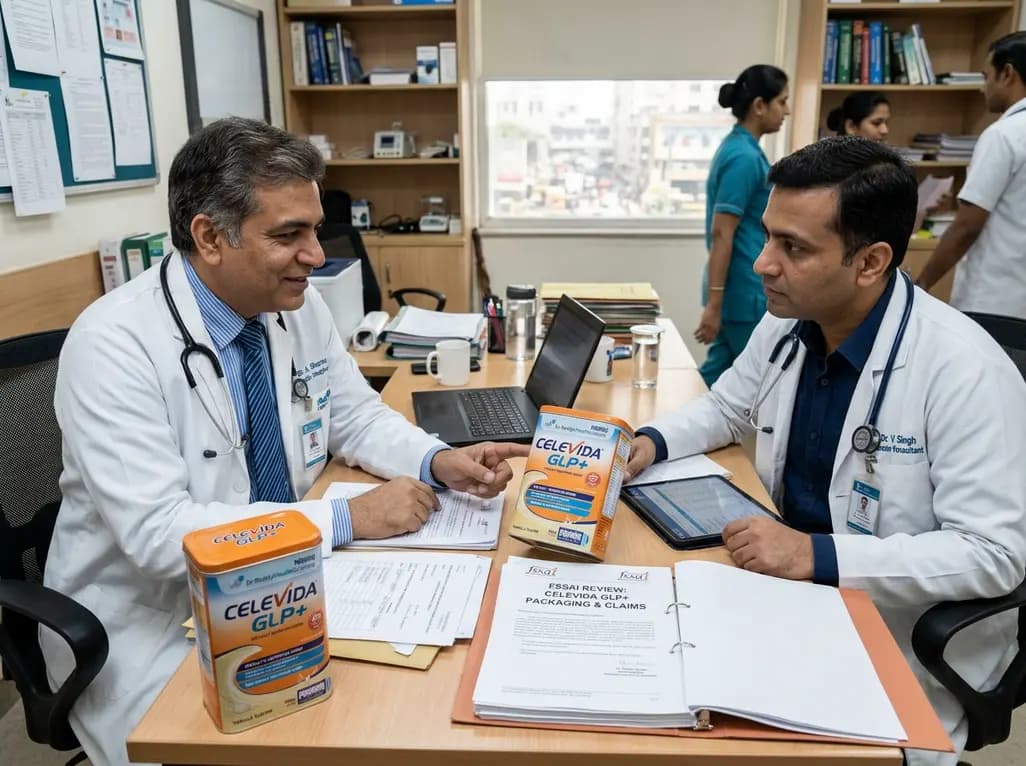
Following regulatory scrutiny from FSSAI regarding promotional representations and lean muscle preservation claims, Dr. Reddy's Laboratories and Nestlé Health Science are currently reviewing the branding and marketing strategy for their joint nutritional supplement Celevida GLP+.
Today

Demanding exhaustive hormonal profiling can inadvertently discourage clinical studies involving females. Methodological standards must align with the specific scientific question to expand, not restrict, equitable evidence for women.
Today
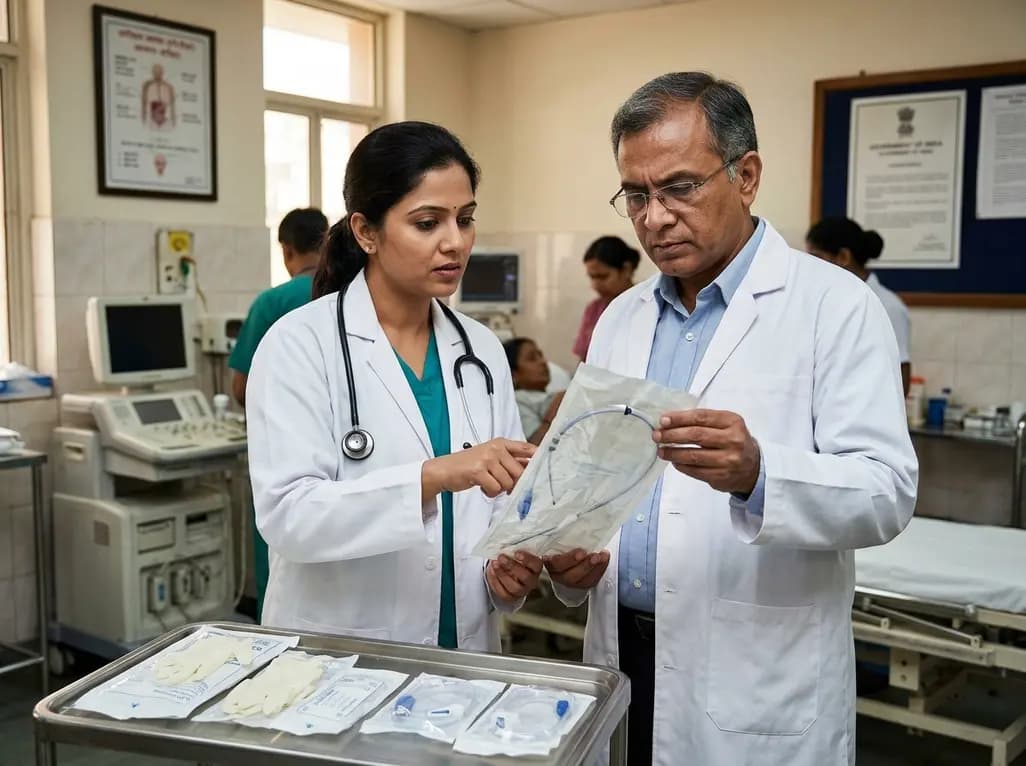
The Directorate General of Health Services directs Indian states to halt the hazardous reuse and reprocessing of single-use medical devices. Discover regulatory implications under the Drugs and Cosmetics Act, critical infection risks, legal liabilities, and operational changes required across clinical specialties.
Today
A novel calcium polyphosphate coacervate enables injectable bone implants with in situ hierarchical porosity via phase separation and gas foaming, significantly enhancing cell proliferation, energy metabolism, and osteogenic differentiation for minimally invasive bone defect repair.
Today

India is advancing preventive healthcare by integrating genomics, artificial intelligence, and quantum technologies. With the SANGAM programme sequencing one million Indian genomes, clinicians can unlock personalized therapies, detect cardiometabolic risks early, and curb the burden of diabetes and heart disease.
Today
