

Loading, please wait...
Loading, please wait...

Managing nontraumatic intracerebral hemorrhage remains one of the most formidable challenges in contemporary acute neurocritical care. Although prompt neuroimaging and aggressive medical stabilization prevent immediate mortality, systemic secondary complications often derail functional recovery. Consequently, many admitted patients experience extended hospitalization, which strains clinical resources and elevates healthcare expenditures. Understanding the specific medical complications that drive prolonged hospitalization provides clinicians with practical opportunities to intervene early. Therefore, hospital teams must examine admission patterns, demographic risks, and systemic organ failures to optimize patient pathways and improve long-term functional survival.
Recent nationwide data reveal striking demographic patterns among individuals experiencing prolonged hospital stays. In an analysis of over 211,000 admissions, nearly one-quarter of patients remained hospitalized for more than twelve days. Interestingly, patients with extended stays were significantly younger on average than those with shorter hospitalizations. In addition, male patients represented a higher proportion of prolonged admissions. Furthermore, systemic racial and ethnic disparities appeared prominently in the findings. Non-Hispanic Black and Hispanic patients experienced significantly higher rates of prolonged hospitalization than white patients. Socioeconomic vulnerability also played a substantial role. Patients residing in the lowest income quartile encountered greater risks of protracted inpatient care. These disparities highlight critical gaps in baseline chronic disease management, post-acute care placement options, and healthcare access. Frequently, socially disadvantaged patients experience delayed discharge planning due to limited social support systems and fewer post-acute rehabilitation opportunities. Consequently, hospital systems must develop comprehensive care coordination models that address socioeconomic determinants of health alongside clinical interventions to optimize care. Inadequate outpatient hypertension control before admission also triggers larger initial hematoma volumes, necessitating protracted intensive supportive care.
Pulmonary complications represent the most frequent and impactful drivers of extended hospitalization in acute stroke units. Specifically, acute respiratory failure and aspiration pneumonia occur with high frequency during the acute phase. Intracerebral bleeding often compromises protective airway reflexes, bulbar function, and central respiratory drive. Consequently, patients frequently aspirate oral secretions or gastric contents within the initial seventy-two hours of admission. Aspiration pneumonia triggers severe systemic inflammation, worsens cerebral edema, and necessitates aggressive antibiotic therapy. In addition, acute respiratory failure often demands endotracheal intubation and prolonged mechanical ventilation. Prolonged mechanical ventilatory support inherently increases length of stay while predisposing patients to ventilator-associated pneumonia and tracheostomy placement. Therefore, stroke protocols must prioritize immediate dysphagia screening before administering oral medications or nutrition. Furthermore, clinical teams should implement aggressive pulmonary hygiene, subglottic suctioning, and elevated head-of-bed positioning immediately upon admission. When teams actively mitigate respiratory complications, they significantly shorten intensive care duration and reduce in-hospital morbidity. Thus, proactive pulmonary management remains an indispensable cornerstone of effective acute neurocritical care pathways.
Venous thromboembolism poses a paradoxical therapeutic challenge during the acute management of hemorrhagic stroke. Prolonged bed rest, hemiparesis, and systemic inflammation combine to generate a pronounced prothrombotic state. Consequently, deep vein thrombosis and pulmonary embolism emerge as frequent, life-threatening complications. Research highlights a particularly strong association between deep vein thrombosis and extended hospitalization in younger cohorts. Younger patients often survive catastrophic hemorrhages because of robust cardiovascular reserve, yet prolonged immobilization exposes them to massive thromboembolic risk. Clinicians frequently hesitate to initiate chemical thromboprophylaxis due to fears of secondary intracranial hematoma expansion. However, contemporary guidelines emphasize starting low-dose subcutaneous heparin or low-molecular-weight heparin within twenty-four to forty-eight hours once hematoma stability is documented. Meanwhile, intermittent pneumatic compression devices provide essential early mechanical protection against stasis. If pulmonary embolism occurs, it abruptly disrupts cardiopulmonary hemodynamics and markedly extends neuro-intensive care stay. Therefore, proactive surveillance and timely chemical anticoagulation prophylaxis are paramount. By balancing the dual hazards of hemorrhage expansion and systemic thrombosis, clinicians protect vulnerable patients from devastating secondary setbacks.
Acute kidney injury constitutes another grave systemic complication that substantially lengthens hospital stay in stroke units. Neurocritical management frequently involves hyperosmolar therapies, such as hypertonic saline or mannitol, to control refractory intracranial hypertension. In addition, aggressive blood pressure reduction and systemic contrast administration for serial neuroimaging stress renal perfusion. Consequently, renal tubular injury develops, complicating fluid balance, electrolyte homeostasis, and pharmacokinetics. When acute kidney injury manifests, mortality increases and intensive care duration multiplies dramatically. Simultaneously, secondary neurological complications compound patient debility during hospitalization. For instance, acute seizures and non-convulsive status epilepticus frequently complicate cortical hemorrhages, requiring continuous electroencephalographic monitoring and complex antiepileptic regimens. Furthermore, secondary acute ischemic strokes occasionally strike patients during recovery, caused by hemodynamic shifts or microvascular thrombosis. Managing these coexisting systemic and neurological injuries demands intensive multispecialty care. Therefore, physicians must carefully calibrate fluid balance, optimize hemodynamic targets, and adjust nephrotoxic medications daily. By preventing acute renal dysfunction and secondary neurological injury, medical teams effectively avert progressive multi-organ failure and expedite clinical recovery.
Reducing hospital stay after intracranial hemorrhage requires an organized, multidisciplinary approach focused on standardized neurocritical care protocols. Dedicated stroke care units consistently demonstrate superior outcomes compared to general medical wards. First, clinical protocols should standardize early airway protection, rapid dysphagia assessment, and aspiration precautions to curb pulmonary infections. Second, hospitals must implement structured venous thromboembolism bundles that mandate prompt pneumatic compression and timely chemical thromboprophylaxis once repeat computed tomography confirms stable bleed dimensions. Third, teams must vigilantly monitor renal function, fluid balance, and electrolyte concentrations to prevent acute kidney injury during osmotherapy. In addition, addressing non-clinical discharge barriers represents an equally vital priority for clinical teams. Multidisciplinary discharge planning must initiate on the day of hospital admission, actively involving medical social workers, case managers, physical therapists, and family caregivers. Such proactive coordination facilitates prompt transition to inpatient rehabilitation or skilled nursing facilities, avoiding unnecessary boarding in acute hospital beds. Consequently, systematic bundle implementation minimizes preventable in-hospital complications, reduces institutional healthcare expenditures, and dramatically accelerates the trajectory toward meaningful functional independence for surviving patients.
In clinical studies, investigators define prolonged length of stay as inpatient hospitalization exceeding the seventy-fifth percentile of the total patient cohort. For spontaneous intracranial bleeding admissions, this threshold typically equates to a stay greater than twelve days. This extended duration frequently correlates with heightened systemic disease severity and in-hospital complications.
Aspiration pneumonia demonstrates the most pronounced association with prolonged hospitalization, especially among older cohorts. Dysphagia, impaired protective airway reflexes, and reduced consciousness increase pulmonary vulnerability substantially. Therefore, early swallow screening, head-of-bed elevation, and tailored respiratory therapies represent crucial interventions to prevent prolonged neurocritical admissions and reduce associated clinical morbidity.
Complication profiles vary notably across age groups. Younger patients face a disproportionately higher relative risk of deep vein thrombosis and venous thromboembolism during extended immobilisation. Conversely, older individuals more frequently succumb to aspiration pneumonia, acute respiratory failure, and acute kidney injury, necessitating age-tailored prophylaxis and targeted hemodynamic monitoring strategies.
Disclaimer: This content is for informational and educational purposes only and does not constitute medical advice, diagnosis, or treatment. Healthcare professionals should exercise their independent clinical judgment when managing individual cases. Refer to the latest local and national guidelines for clinical practice.
References

Read summarized clinical updates, watch expert medical content, and earn CME certifications right from your smartphone.
Open your smartphone camera to scan and install.





A nationwide cohort study evaluated 211,879 patients with nontraumatic intracerebral hemorrhage to identify clinical drivers of prolonged length of stay. Key complications include aspiration pneumonia, DVT, and respiratory failure, highlighting the urgent need for structured neurocritical protocols.
Today

Ambient digital scribes promise effortless medical documentation, but a critical sociotechnical commentary reveals that AI alters rather than eliminates charting work. Discover how shifting cognitive burdens, oversight risks, and workflow redesign impact clinical safety and healthcare practice.
Today

A new comparative study demonstrates that intraoperative imprint cytology achieves 96.6% diagnostic accuracy in ovarian tumours, outperforming frozen section in sensitivity for borderline lesions and offering an accessible, rapid alternative for resource-constrained surgical centres.
Today

Thoracic aortic aneurysm lacks etiologic medical therapy. A new study reveals that targeting specific αV integrins with Cilengitide attenuates TGF-β and mechanotransduction pathways, effectively limiting pro-fibrotic remodeling and aortic bulb dilation in both syndromic and sporadic disease models.
Today
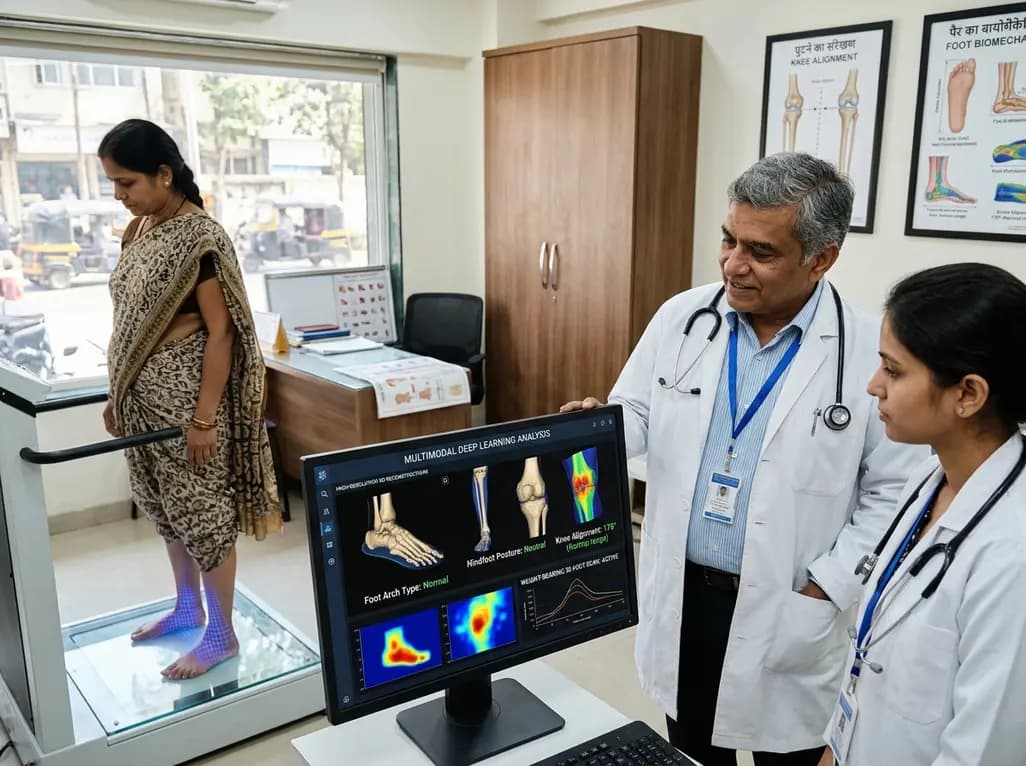
A multimodal deep learning framework utilizing weight-bearing 3D foot scans accurately screens lower-limb alignment, including arch type, hindfoot posture, and knee alignment, offering an accessible, radiation-free alternative to radiography for early biomechanical triage.
Today

A real-world retrospective study demonstrates that combining intravitreal ranibizumab with focal/grid macular laser significantly improves visual acuity and central macular thickness compared to laser monotherapy in patients with center-involved diabetic macular edema.
Today
