

Loading, please wait...
Loading, please wait...
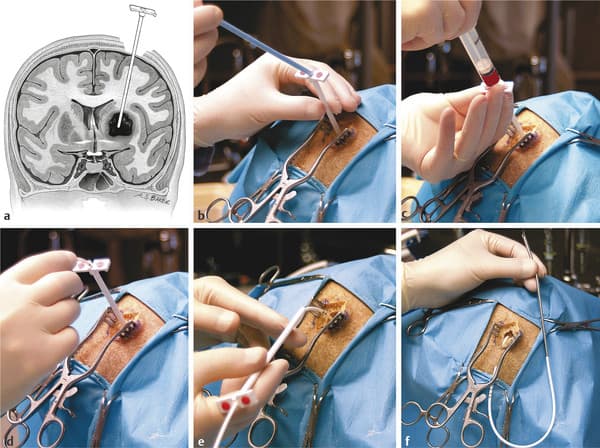
This Bayesian network meta-analysis compared conservative management with decompressive craniectomy, conventional craniotomy, endoscopic surgery and minimally invasive puncture surgery across 18 RCTs involving 4,497 patients. For good functional outcome at six months, minimally invasive puncture surgery (SUCRA 87.0%) and endoscopic surgery (84.6%) ranked highest and were superior to conventional craniotomy and conservative management. Decompressive craniectomy ranked highest for six-month mortality (SUCRA 81.5%), although most pairwise comparisons were not statistically significant. Endoscopic and minimally invasive approaches reduced operative time and blood loss versus craniotomy. Conclusion: Minimally invasive and endoscopic techniques may improve functional outcomes and reduce perioperative burden, but further high-quality trials are needed to establish optimal patient selection.

Read summarized clinical updates, watch expert medical content, and earn CME certifications right from your smartphone.
Open your smartphone camera to scan and install.





This Bayesian network meta-analysis compared conservative management with decompressive craniectomy, conventional craniotomy, endoscopic surgery and minimally invasive puncture surgery across 18 RCTs involving 4,497 patients. For good functional outcome at six months, minimally invasive puncture surgery (SUCRA 87.0%) and endoscopic surgery (84.6%) ranked highest and were superior to conventional craniotomy and conservative management. Decompressive craniectomy ranked highest for six-month mortality (SUCRA 81.5%), although most pairwise comparisons were not statistically significant. Endoscopic and minimally invasive approaches reduced operative time and blood loss versus craniotomy. Conclusion: Minimally invasive and endoscopic techniques may improve functional outcomes and reduce perioperative burden, but further high-quality trials are needed to establish optimal patient selection.
Today

A retrospective study of 6,113 adults shows that combining GLP-1 receptor agonists with digital health apps nearly doubles the odds of achieving significant weight loss. Frequent progress logging serves as a primary behavioral driver of long-term metabolic success.
Today

Sexual dysfunction affects a high proportion of reproductive-age females with multiple sclerosis. This comprehensive review highlights multi-tier etiologies, proactive clinical screening tools, preconception counseling considerations, and integrated therapeutic options across multidisciplinary care pathways.
Today

Researchers have engineered an innovative CRISPR-Cas12a fluorescent diagnostic kit for clinical sST2 detection. By combining nanotechnology with enzymatic trans-cleavage, this platform enables rapid, ultrasensitive heart failure diagnosis and risk stratification, outperforming conventional laboratory ELISA methods.
Today
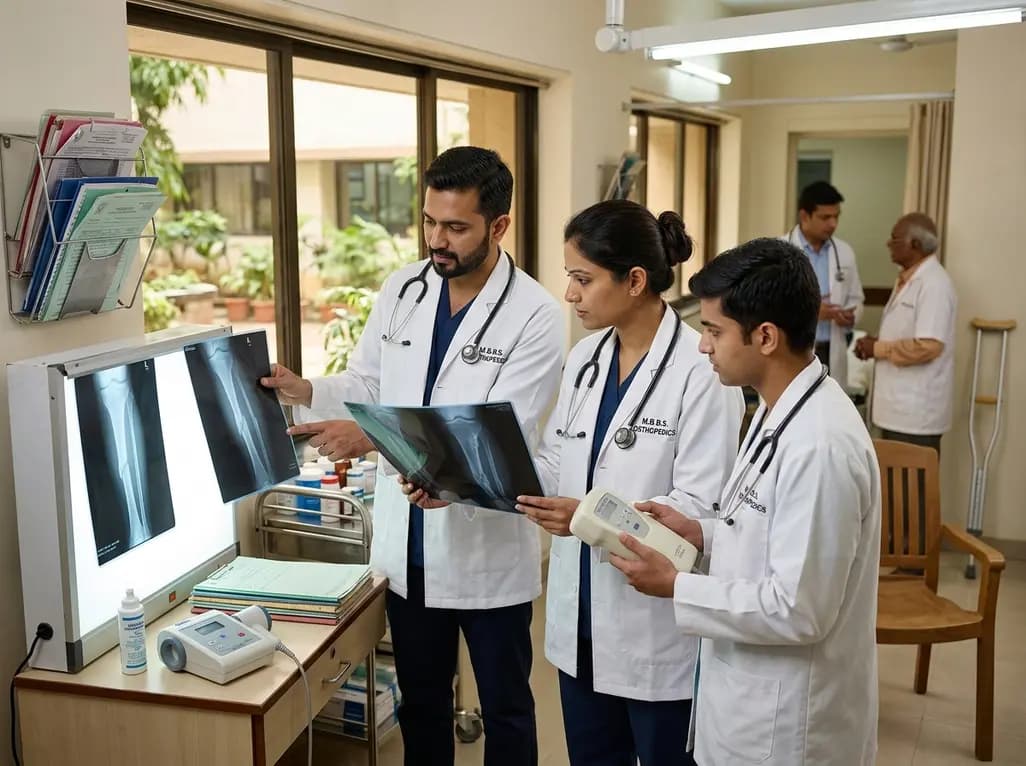
Non-union fractures occur in 2-5% of cases, causing significant disability and cost. Conservative modalities such as LIPUS, PEMF, and focused ESWT offer non-surgical healing options for defects up to 5-10 mm when adequate mechanical stability exists without infection.
Today

India is poised to transform chronic disease management through wearable health technology. Discover how continuous remote monitoring and predictive algorithms empower clinicians to detect early cardiovascular signals, personalize metabolic interventions, and deliver equitable preventive care across populations.
Yesterday
