

Loading, please wait...
Loading, please wait...
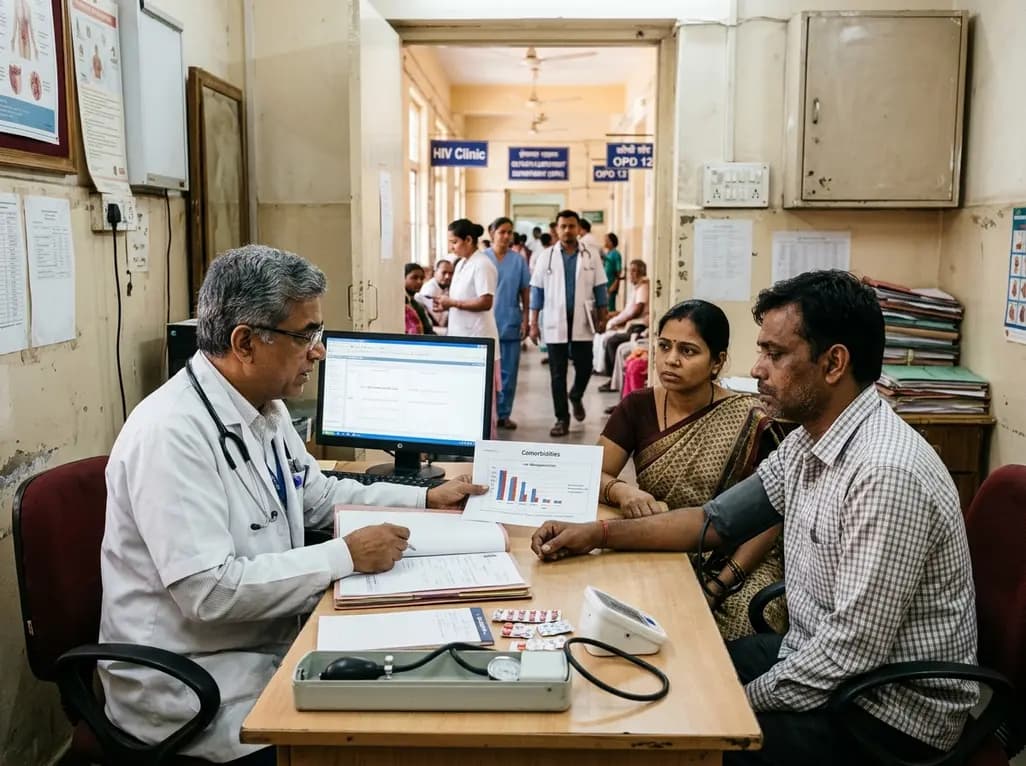
The advent of antiretroviral therapy has transformed human immunodeficiency virus from a terminal infection into a manageable chronic condition. However, managing chronic comorbidities in HIV patients has emerged as one of the most critical challenges facing contemporary medical practice worldwide. As life expectancy increases, clinicians increasingly encounter a complex web of non-communicable diseases among people living with HIV. Recent epidemiological evidence indicates that these individuals bear a substantially higher burden of physical and psychological illnesses compared to the uninfected population. Furthermore, these disorders frequently manifest decades earlier than expected, complicating routine clinical management and reducing overall quality of life.
A landmark retrospective matched cohort study conducted in Spain provides valuable real-world evidence clarifying this shifting clinical paradigm. Researchers analyzed longitudinal health records from 8,302 people living with HIV matched against non-HIV controls. The findings demonstrate that people living with HIV experience approximately twice the mortality rate of matched controls. In addition, the study reveals an accelerated onset of diverse chronic pathologies across multiple organ systems. For physicians in India, where expanding access to antiretroviral regimens has dramatically prolonged survival, these observations offer critical guidance. Clinicians must now pivot from solely focusing on viral suppression to addressing complex, multisystem disease trajectories.
The Spanish cohort study revealed that multimorbidity is exceptionally pervasive among people living with HIV. Investigators observed a median of two chronic conditions per patient, which rapidly multiplied across advancing age cohorts. In contrast, the uninfected population demonstrated a significantly lower cumulative illness burden across comparable timeframes. Moreover, the multimorbidity trajectory rose most steeply among aging female patients. This finding underscores distinct biological and socioeconomic vulnerabilities that warrant closer clinical scrutiny. Thus, healthcare providers cannot regard HIV infection as an isolated viral pathology.
Importantly, the excess mortality noted in this cohort reached 20.8 percent among people living with HIV, compared to merely 8.6 percent among matched uninfected controls. This dramatic divergence highlights the severe consequences of cumulative chronic diseases in this population. Persistent systemic inflammation and chronic immune activation continue to drive tissue injury even when antiretroviral regimens suppress viral loads below detectable thresholds. Consequently, vascular remodeling, accelerated organ fibrosis, and immune senescence progress unabated. Recognizing these underlying drivers allows clinicians to anticipate chronic organ failure long before acute decompensation occurs.
A defining conclusion from the study is that people living with HIV develop chronic conditions at a much younger age than matched peers. Rather than manifesting in the seventh decade of life, serious non-AIDS conditions frequently appear during mid-adulthood. For example, neurocognitive deficits, renal dysfunction, and chronic liver injury developed years earlier among infected individuals. Therefore, relying on standard age thresholds established for the general population often delays vital therapeutic interventions. Medical practitioners must recognize that biological aging outpaces chronological age in patients living with chronic retroviral infection.
Furthermore, the spectrum of diagnosed conditions encompassed almost every major physiological system. Neoplastic diseases, metabolic complications, respiratory disorders, and bone mineral density loss presented consistently higher incidence rates in the HIV cohort. In particular, non-AIDS defining malignancies demonstrated a notable preponderance, reflecting the dual burden of oncogenic viral co-infections and impaired immune surveillance. Consequently, comprehensive screening protocols must commence during early adulthood rather than waiting for conventional middle-age benchmarks. Implementing earlier surveillance protects vulnerable organ systems against irreversible structural pathology.
The study uncovered a striking cardiovascular paradox that holds profound significance for clinical practice. People living with HIV experienced a significantly higher rate of severe cardiovascular events, including acute coronary syndromes and heart failure. Most notably, women living with HIV aged 45 to 65 years exhibited an adjusted odds ratio of 60.9 for congestive heart failure compared to uninfected peers. This staggering elevation illustrates profound myocardial susceptibility among middle-aged women. Yet, paradoxically, these patients were diagnosed less frequently with traditional cardiovascular risk factors such as obesity and dyslipidemia.
In males aged 45 to 65 years, dyslipidemia was recorded far less frequently, showing an adjusted odds ratio of 0.74. This apparent contradiction suggests widespread underdiagnosis and inconsistent recording of metabolic derangements in clinical databases. Alternatively, novel atherogenic pathways driven by macrophage activation and endothelial injury may provoke cardiac ischemia independent of classic hyperlipidemia. Clinicians who rely exclusively on standard risk calculators might therefore underestimate true ischemic risk. As a result, physicians must adopt aggressive cardiovascular screening strategies, incorporating direct vascular assessments and advanced biomarker testing for all high-risk patients.
Neuropsychiatric conditions emerged as another prominent area of disparity in the study cohort. Among young men living with HIV under 45 years of age, depression exhibited an adjusted odds ratio of 2.23 compared to non-infected counterparts. This heightened prevalence reflects both neurobiological mechanisms and psychosocial adversity. Central nervous system inflammation, direct viral neurotoxicity, and chronic psychosocial stigma create an exceptionally fertile ground for depressive disorders. Moreover, untreated mental health disorders critically undermine medication adherence, triggering secondary viral rebounds and accelerated clinical deterioration. Routine mental health screening is therefore indispensable.
Hepatic diseases also represented a substantial burden among people living with HIV. Chronic viral co-infections such as hepatitis B and C, along with metabolic dysfunction-associated steatotic liver disease, caused severe liver injury. Because antiretroviral medications undergo hepatic metabolism, ongoing hepatic damage complicates regimen selection and heightens drug toxicity risks. Furthermore, advanced liver disease accelerates systemic inflammation, further augmenting cardiovascular and renal vulnerability. Consequently, clinicians must prioritize proactive hepatic staging, utilizing non-invasive elastography and frequent biochemical monitoring to prevent progression toward cirrhosis and end-stage hepatic decompensation.
The epidemiological insights from this Spanish cohort hold immediate relevance for physicians practicing in India. India manages one of the largest populations of people living with HIV globally. Because national antiretroviral treatment programs have expanded successfully, the Indian HIV cohort is aging rapidly. Concurrently, India is undergoing an unprecedented epidemiological transition marked by rising rates of diabetes, hypertension, and coronary artery disease. When combined with persistent retroviral infection, this convergence threatens to overwhelm existing vertical healthcare delivery models. Therefore, integrating non-communicable disease management into routine HIV centers is an urgent priority.
Indian guidelines issued by the National AIDS Control Organisation emphasize integrated screening for non-communicable diseases and psychiatric comorbidities. However, real-world execution often encounters significant operational hurdles, including diagnostic fragmentation and time constraints in crowded public clinics. Clinicians must actively bridge these gaps through structured cardiovascular risk stratification, regular liver screening, and formal mental health evaluations. Additionally, physicians must remain alert to polypharmacy and potential drug-drug interactions between antiretroviral agents and common cardioprotective or psychotropic medications. A holistic, patient-centered approach remains essential to ensure sustained survival and optimal health outcomes.
Chronic immune activation, persistent systemic inflammation, and gut microbial translocation persist despite effective antiretroviral suppression. Furthermore, long-term exposure to certain antiretroviral regimens, co-infections such as viral hepatitis, and traditional behavioral risk factors synergistically accelerate vascular aging and tissue dysfunction. Consequently, clinicians observe degenerative conditions and chronic multimorbidity at significantly younger chronological ages.
Clinicians must look beyond standard risk calculators because traditional diagnostic cutoffs often miss subclinical cardiovascular pathology in HIV populations. Therefore, physicians should actively screen for coronary artery disease and heart failure through objective biomarkers and imaging. Early lifestyle interventions and lipid-modulating therapies must begin promptly, even when conventional metabolic markers appear deceptive or borderline normal.
Physicians managing HIV in India should integrate annual blood pressure checks, fasting lipid profiles, and glycated hemoglobin assessments into routine monitoring. Additionally, clinicians ought to incorporate validated depression scales and hepatic elastography assessments. Proactive screening ensures prompt identification of non-communicable diseases, preventing premature mortality and optimizing health-related quality of life across the patient lifespan.
Disclaimer: This content is for informational and educational purposes only and is not intended as medical advice. Healthcare professionals should exercise their independent clinical judgment. Refer to the latest local and national guidelines for clinical practice.
References

Read summarized clinical updates, watch expert medical content, and earn CME certifications right from your smartphone.
Open your smartphone camera to scan and install.





A Spanish matched cohort study reveals that people living with HIV face twice the mortality of uninfected peers and acquire chronic conditions earlier. This review explores clinical insights on multimorbidity, cardiovascular paradoxes, mental health screening, and care integration for clinicians in India.
Today

A rigorous within-subject study evaluates virtual reality exergaming platforms FitXR and Supernatural against video shadowboxing. Discover key findings on moderate-to-vigorous physical activity, participant enjoyment, and minimal cybersickness to guide modern exercise prescription.
Today
With caesarean rates reaching 59% in private hospitals and 37% in public facilities, the Maharashtra health department has instituted mandatory clinical audits under the LaQshya framework. Clinicians must now document surgical indications immediately to promote maternal safety and curb non-indicated interventions.
Today

A prospective machine learning study demonstrates that an interpretable XGBoost model using 30 photoplethysmography features accurately estimates continuous blood pressure in intensive care units, achieving Grade A British Hypertension Society standards and reducing reliance on invasive arterial catheters.
Today

A 491-patient cohort study in Sudan reveals critical insights into war trauma reconstructive surgery, analyzing injury patterns, soft-tissue procedures, and a 25.5% complication rate in resource-limited conflict zones.
Today
A secondary analysis of the Living Healthier with Diabetes trial reveals that positive baseline technology attitudes significantly improve engagement with digital diabetes self-management apps, leading to enhanced self-care behaviors and better long-term glycemic control in adults with type 2 diabetes.
Today
