.webp&w=384&q=75)

Loading, please wait...
Loading, please wait...

Tuberculosis remains a premier infectious disease threat across low- and middle-income countries, challenging traditional healthcare facilities through patient diagnostic delays and treatment interruption. Consequently, healthcare authorities deploy frontline cadres to bridge severe community delivery gaps. Rigorous evidence demonstrates that structured CHW-led TB interventions expand diagnostic reach and significantly fortify patient retention throughout prolonged medication regimens.
Community health workers execute diverse clinical support pathways tailored to localized epidemiological needs. Historically, direct observation of therapy formed the cornerstone of community-level containment. However, contemporary care models increasingly diverge from facility-bound direct observation toward decentralized community-based DOT, family-supported care, and technology-enabled hybrid monitoring. In decentralized settings, frontline workers visit households to deliver anti-tubercular pharmacotherapy directly. They counsel family members, monitor medication tolerance, and assess treatment progress. Furthermore, peer educators navigate complex socioeconomic hurdles that often trigger early abandonment. Family-supported approaches leverage household members under frontline supervision, preserving patient dignity while maintaining accountability. Meanwhile, hybrid models combine periodic home visits with digital tracking devices or text-based reminders. These varied frameworks reduce travel expenses for vulnerable households. Consequently, clinicians observe fewer missed doses and reduced pre-treatment loss to follow-up across decentralized programmatic networks.
Passive case finding frequently misses infectious individuals until pulmonary disease advances considerably. Therefore, community health workers actively lead targeted case finding to intercept transmission chains earlier. Working within high-density communities, workers systematically screen household contacts of bacteriologically confirmed index cases. In addition, they conduct door-to-door symptom mapping and identify vulnerable individuals experiencing chronic cough, unexplained weight loss, or persistent night sweats. Frontline teams collect sputum specimens directly at the doorstep and transport samples to centralized molecular testing facilities. Alternatively, they provide targeted referral slips that fast-track suspected individuals through diagnostic centers. Evidence from high-burden regions demonstrates that proactive contact tracing significantly amplifies bacteriologically confirmed notifications. Moreover, by detecting disease in early infectious windows, community health workers drastically diminish transmission within vulnerable households. They also educate communities about airborne infection control, reducing baseline transmission risks across resource-limited neighborhoods.
Biomedical regimens alone cannot resolve the complex social realities surrounding tuberculosis care. Indeed, deep-rooted social stigma, fear of disclosure, and fatalistic beliefs frequently drive patients away from conventional health centers. Community health workers mitigate these challenges by acting as culturally attuned health navigators. Because they share local cultural norms and languages, workers communicate essential microbiological concepts in reassuring and understandable terms. Consequently, they demystify tuberculosis as a curable bacterial illness rather than a supernatural curse or shameful condition. Furthermore, these trusted frontline providers maintain confidential relationships with families, protecting patients from community ostracism. When patients encounter medication side effects such as nausea or joint pains, workers offer immediate reassurance and facilitate timely medical escalation. Therefore, empathetic engagement reduces treatment default rates. Frontline psychosocial advocacy fosters patient resilience, ensuring individuals complete demanding multi-month regimens without enduring social isolation.
The operational success of community-oriented tuberculosis programs depends heavily on underlying health system structures. Specifically, implementation scientists utilize the Consolidated Framework for Implementation Research to identify drivers of programmatic impact. Frontline worker training emerges as an indispensable determinant. When health systems invest in rigorous initial preparation and structured refresher modules, workers correctly identify atypical symptoms and manage adverse reactions. Conversely, inadequate instruction breeds diagnostic errors and clinical hesitation. Strong health system integration represents another crucial prerequisite. Community workers require reliable supplies of diagnostic sputum cups, personal protective equipment, and uninterrupted medication stockpiles. In addition, fair remuneration and supportive supervision sustain field motivation. In contrast, underfunded programs that treat workers as expendable volunteer labor encounter severe attrition. Thus, health ministries must formalize community health worker roles within primary healthcare networks to guarantee dependable programmatic outcomes.
Digital health tools increasingly redefine community-centered pulmonary care across resource-constrained environments. For example, mobile phone applications enable frontline personnel to register presumptive cases instantly and trace household contacts systematically. Furthermore, electronic medication monitoring boxes and video-observed therapy allow workers to verify treatment adherence without requiring burdensome daily travel. These hybrid digital-community platforms streamline reporting workflows, replacing cumbersome paper registers with synchronized electronic databases. Consequently, supervising clinicians at tertiary centers gain real-time visibility into local adherence bottlenecks. When patients fail to log doses, automated alerts trigger targeted home visits by community workers. Implementation data indicate that digitally assisted community initiatives achieve superior geographic coverage and optimize scarce human resources. Ultimately, equipping community personnel with intuitive mobile tools provides an agile foundation for national tuberculosis elimination strategies.
CHW-led TB interventions represent structured community initiatives where trained lay health workers provide active case finding, treatment observation, and patient education. Furthermore, these frontline professionals distribute medications, monitor adverse drug effects, and support contact tracing. By delivering decentralized care directly to households, they bridge persistent geographical, economic, and social gaps that impede conventional hospital-based pulmonary services across underserved populations.
Community health workers directly supervise medication ingestion and provide ongoing psychosocial support, which prevents premature treatment cessation. Additionally, they identify medication side effects early and arrange prompt clinical consultations before patients abandon therapy. By demystifying the disease and reducing household stigma, frontline workers reinforce patient motivation, helping individuals successfully complete rigorous multi-month antibiotic regimens.
Hybrid digital models combine periodic home visits by frontline workers with automated adherence technologies, such as digital pillboxes and mobile messaging. Consequently, this integrated approach minimizes unnecessary travel burdens for both healthcare personnel and patients. Moreover, centralized clinical teams receive immediate alerts regarding missed doses, allowing community health workers to deliver timely, targeted interventions to struggling individuals.
Disclaimer: This content is for informational and educational purposes only... Refer to the latest local and national guidelines for clinical practice.
References
Sadipun DK et al. Roles and Implementation of Community Health Worker-Led Interventions in Tuberculosis Care in Low and Middle-Income Countries: A Systematic Review. Trop Med Int Health. 2026 Oct 16. doi: 10.1111/tmi.70225. PMID: 42888176.
World Health Organization. WHO consolidated guidelines on tuberculosis: Module 2: Screening - Systematic screening for tuberculosis disease. Geneva: World Health Organization; 2021.
Amare D, Getahun FA, Mengesha EW, Dessie G, Shiferaw MB, Dires TA, et al. Effectiveness of healthcare workers and volunteers training on improving tuberculosis case detection: A systematic review and meta-analysis. PLoS ONE. 2023;18(3):e0271825.

Read summarized clinical updates, watch expert medical content, and earn CME certifications right from your smartphone.
Open your smartphone camera to scan and install.





A systematic review evaluates the vital impact of community health workers in tuberculosis care across LMICs. The synthesis highlights how structured training, digital tools, and community-based DOT dramatically improve case detection, reduce treatment interruption, and bolster national TB elimination efforts.
Today
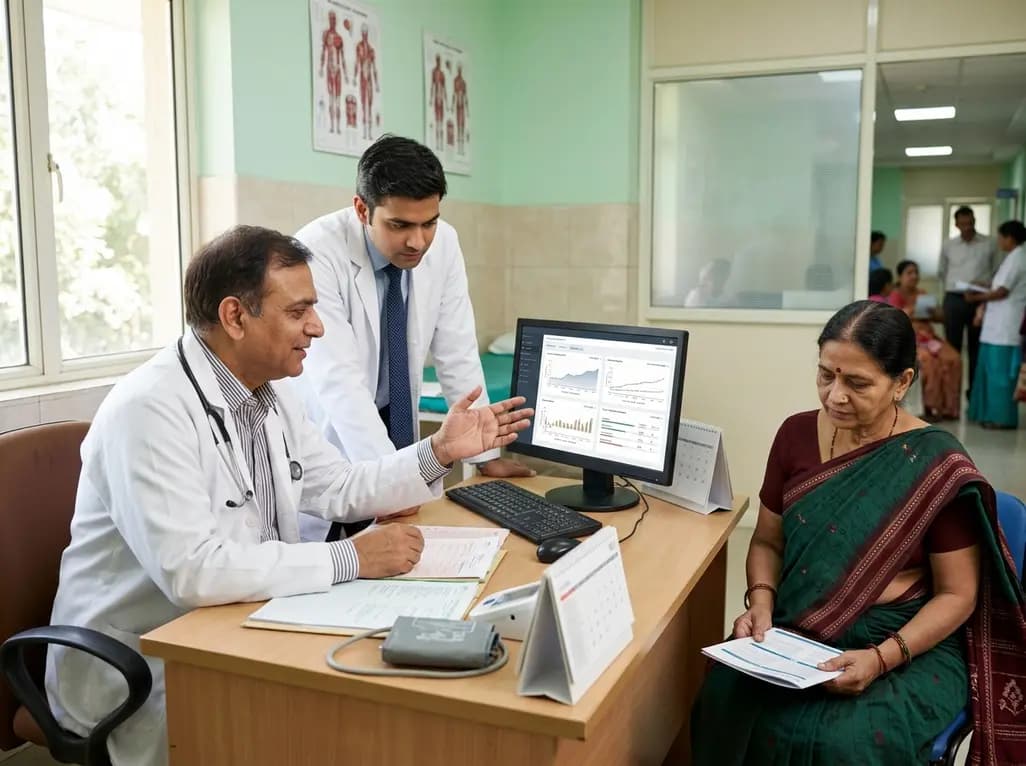
The ASAS core set defines mandatory domains and instruments for axial spondyloarthritis across routine and extended clinic visits, optimizing outpatient care and aligning treatment monitoring with international guidelines.
Today

A Belgian study highlights maternal desires and healthcare provider perspectives on breastfeeding in women living with HIV. While viral suppression reduces transmission risk below 1%, significant clinical training and policy gaps remain, highlighting the urgent need for multidisciplinary counseling protocols.
Today
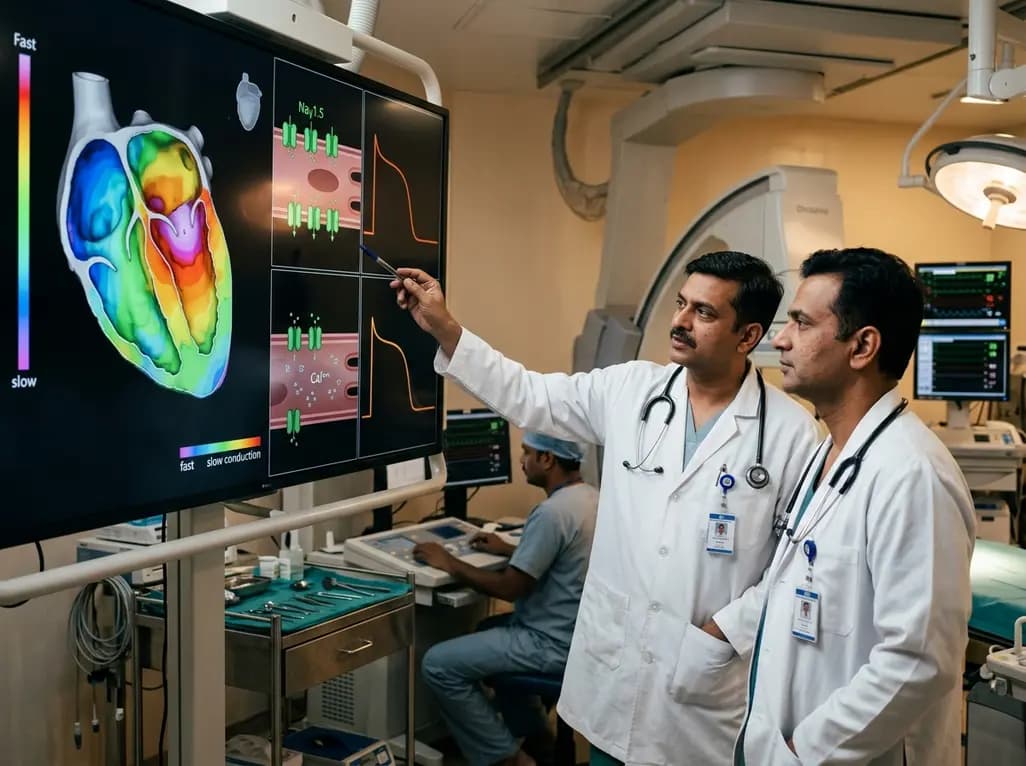
New research reveals that non-ablative radiotherapy suppresses ventricular tachycardia by increasing conduction velocity via NaV1.5 upregulation and action potential prolongation. However, sustained sodium current elevation and depressed calcium handling highlight the need for careful clinical translation.
Today

Diagnostic data shows that nearly one in four spine investigations now involve patients younger than 40 years. This comprehensive overview explores the drivers behind this demographic trend, evaluates ergonomic hazards, clarifies red-flag signs, and highlights clinical indications for judicious diagnostic imaging.
Yesterday
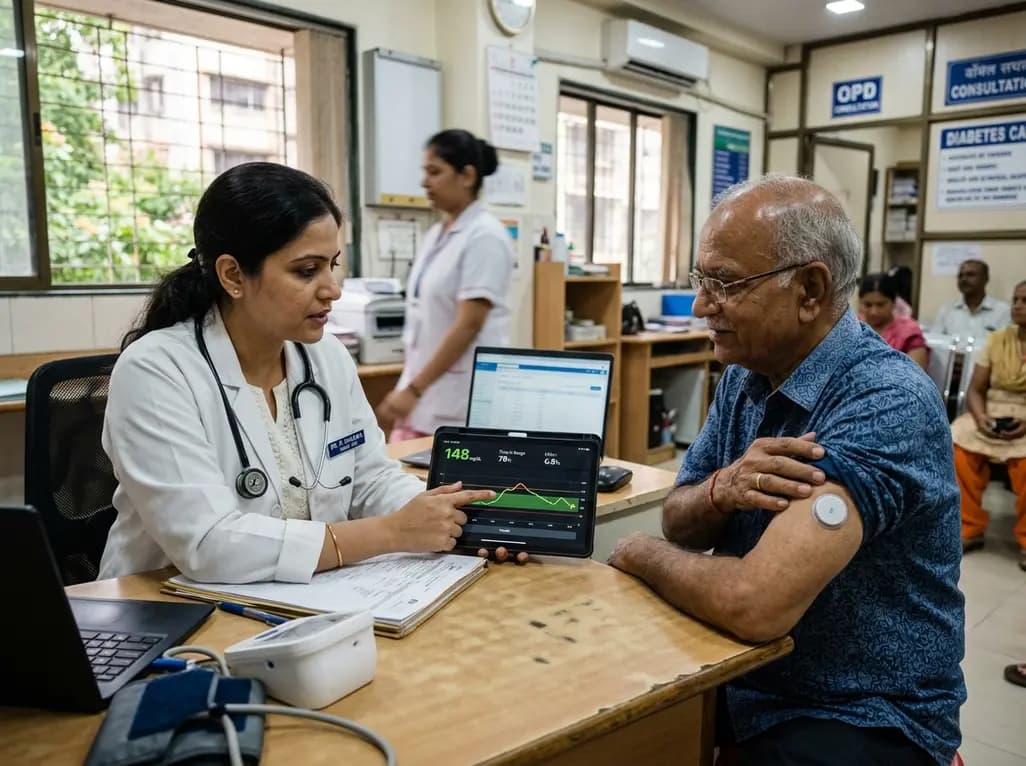
A landmark randomized clinical trial demonstrates that real-time continuous glucose monitoring significantly reduces HbA1c and enhances time in range for individuals with type 2 diabetes who do not take insulin, paving the way for broader clinical adoption and personalized metabolic therapy in primary care.
Today
