.webp&w=384&q=75)

Loading, please wait...
Loading, please wait...
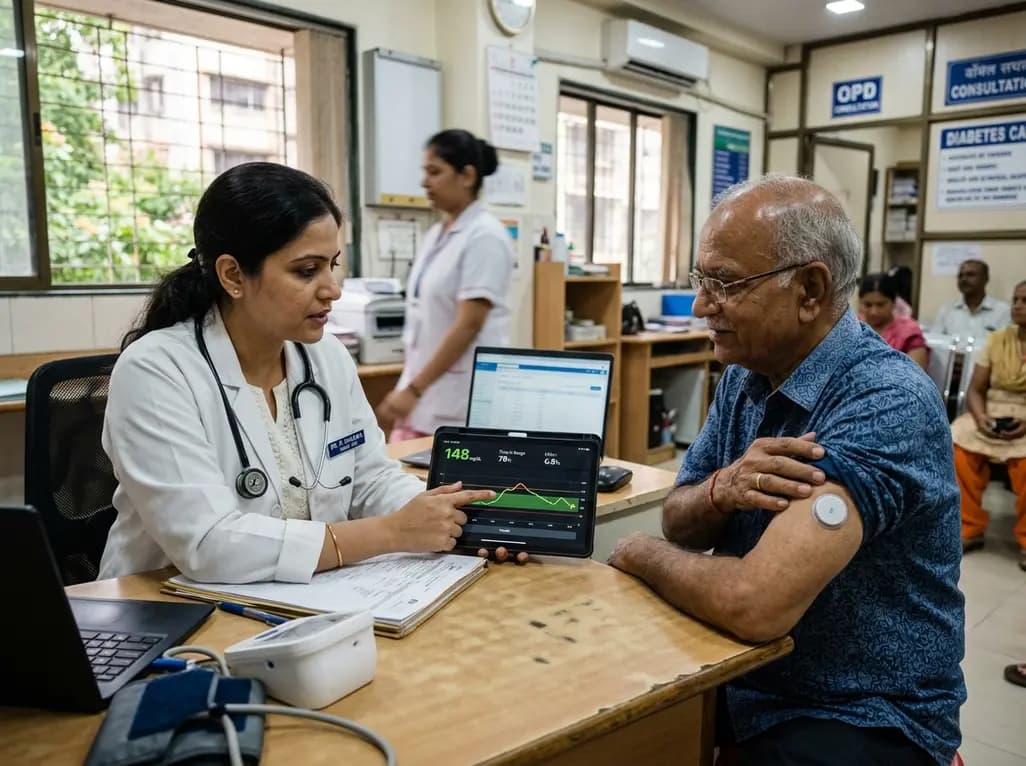
Historically, professional guidelines reserved sensor technology almost exclusively for individuals undergoing intensive insulin regimens. However, revolutionary clinical findings show that continuous glucose monitoring delivers profound clinical advantages for adults with type 2 diabetes who do not use insulin. Primary care physicians now possess rigorous randomized evidence validating wearable biosensors across early stages of metabolic disease management. Consequently, this shift challenges traditional care pathways that relied solely on intermittent fingerstick evaluations.
The landmark CONNECT randomized controlled trial evaluated wearable biosensors in adults with type 2 diabetes managed without insulin therapy. Specifically, investigators randomized 283 adults across 22 outpatient primary care practices into two structured cohorts. One cohort received real-time sensor technology using the Dexcom G7 platform, while the other continued routine diabetes care. In addition, baseline glycated hemoglobin levels averaged approximately 8.8% across both groups, reflecting substantial glycemic elevation. Over the 26-week evaluation period, participants in the sensor cohort achieved a mean glycated hemoglobin reduction to 7.2%. Meanwhile, patients assigned to routine care experienced a modest reduction to 8.0%. Statistical modeling adjusted for baseline variables demonstrated a significant 0.9 percentage point greater reduction favor of the device cohort. Furthermore, clinicians recorded notable therapeutic improvements irrespective of age, sex, race, body mass index, or baseline socioeconomic status. Importantly, patients receiving modern incretin therapies, such as GLP-1 receptor agonists, experienced equivalent incremental benefits from sensor tracking. Therefore, these outcomes establish robust proof that biofeedback directly complements contemporary pharmacological management.
Glycated hemoglobin provides a reliable long-term biomarker, but it hides severe daily glycemic excursions. In contrast, continuous biosensing offers continuous visibility into real-time glucose dynamics and daily variability. During the study, investigators tracked the standard metric of time spent within the target glucose window of 70 to 180 mg/dL. Remarkably, participants utilizing wearable sensors gained approximately five additional hours per day within this healthy glycemic window. Consequently, this change represents a substantial 21 percentage point absolute increase in time in range compared to routine care. Moreover, the trial demonstrated that these improvements occurred without increasing the incidence of adverse hypoglycemic events. Patients quickly learned how specific dietary choices and exercise routines influenced their postprandial glucose excursions. As a result, immediate visual biofeedback allowed patients to correct acute glucose spikes through actionable daily decisions. Clinicians also utilized continuous ambulatory glucose profiles to adjust oral medications with enhanced precision. Ultimately, achieving optimal time in range significantly reduces long-term risks of microvascular and macrovascular complications.
Sustained device adherence often determines the long-term success of digital health tools in chronic disease care. Fortunately, the randomized trial demonstrated an unprecedented adherence rate among participants using the wearable device. When the 26-week study concluded, 97% of participants continued wearing their sensors, with most utilizing them daily. This extraordinary retention underscores high patient comfort and substantial personal perceived utility. Additionally, painless wearable sensors eliminate the physical discomfort and psychological fatigue associated with multiple daily fingersticks. Instead of waiting months for routine laboratory feedback, patients receive instantaneous trend arrows on connected smartphones. Hence, individuals intuitively connect dietary habits, sedentary periods, and emotional stress with instantaneous glycemic spikes. This continuous loop of biological insight reinforces positive dietary modifications and prompts voluntary lifestyle changes. Furthermore, primary care clinicians reported more productive, data-driven outpatient consultations during follow-up visits. Therefore, wearable sensors convert passive patients into proactive partners in daily diabetes management.
India faces an unprecedented diabetes epidemic characterized by early onset and accelerated beta-cell failure among younger individuals. Moreover, Asian Indian phenotypes often exhibit higher visceral adiposity, severe insulin resistance, and heightened cardiovascular vulnerability. In Indian clinical practice, non-insulin therapies, including metformin, sulfonylureas, SGLT2 inhibitors, and DPP-4 inhibitors, dominate initial disease management. However, therapeutic inertia and delayed medication escalation frequently lead to prolonged periods of undetected chronic hyperglycemia. Introducing wearable sensor technology early in non-insulin diabetes treatment can effectively overcome these clinical delays. Furthermore, immediate glucose profiling illuminates hidden glycemic spikes triggered by carbohydrate-dense Indian dietary patterns. Patients observe instant glycemic rises following white rice, refined flours, and traditional sweets. Consequently, physicians can deliver highly customized dietary counseling suited to diverse regional dietary habits. Although device cost remains an obstacle, wider clinical adoption could encourage favorable insurance coverage across domestic healthcare markets. Therefore, early sensor deployment holds immense promise for curbing downstream vascular morbidity throughout India.
Historically, global clinical guidelines classified the evidence base for sensor use in non-insulin diabetes as limited. Nevertheless, this landmark publication in The New England Journal of Medicine provides rigorous Level A evidence. Leading medical societies must now update clinical standards to recommend sensor technology far earlier in type 2 diabetes pathways. In addition, third-party payers and public health programs must evaluate the health economics of preventative technology. Preventing irreversible microvascular damage, diabetic retinopathy, nephropathy, and cardiovascular events generates tremendous long-term healthcare savings. In clinical workflows, physicians should actively discuss sensor options with patients struggling to achieve glycated hemoglobin targets. Clinicians can utilize intermittent or continuous sensor wear depending on patient preferences and economic considerations. Furthermore, structured diabetes education programs should instruct primary care staff on interpreting ambulatory glucose profiles efficiently. By closing the knowledge gap between patients and practitioners, wearable devices dismantle traditional barriers to metabolic health. Consequently, continuous glucose monitoring represents the logical standard of care for modern metabolic medicine.
Q1: Why should non-insulin-treated type 2 diabetes patients use continuous glucose monitoring?
Continuous biosensors provide instantaneous feedback regarding glucose fluctuations throughout the day and night. This continuous visibility allows patients to identify acute glycemic spikes caused by specific foods, physical inactivity, or stress. Consequently, individuals make immediate behavioral adjustments while clinicians optimize oral pharmacological therapies without waiting for periodic glycated hemoglobin blood tests.
Q2: How much did glycated hemoglobin improve among sensor users in the CONNECT trial?
In the landmark CONNECT trial, adult participants utilizing continuous biosensors experienced an average glycated hemoglobin reduction from 8.8% to 7.2%. After adjusting for baseline covariates, sensor users achieved a nearly 1.0 percentage point greater reduction compared to those receiving routine medical care, alongside five additional hours daily in optimal range.
Q3: Does wearing a continuous sensor increase the risk of hypoglycemia in patients not using insulin?
No, the clinical trial confirmed that wearable biosensors significantly improved glycemic control without increasing episodes of hypoglycemia. In fact, real-time alert features and continuous trend arrows warn individuals of impending rapid glucose declines. This vital safety window allows proactive nutritional intervention, ensuring safer glycemic optimization across various non-insulin drug regimens.
Disclaimer: This content is for informational and educational purposes only. It does not constitute medical advice or replace professional judgment. Refer to the latest local and national guidelines for clinical practice.
References

Read summarized clinical updates, watch expert medical content, and earn CME certifications right from your smartphone.
Open your smartphone camera to scan and install.





A landmark randomized clinical trial demonstrates that real-time continuous glucose monitoring significantly reduces HbA1c and enhances time in range for individuals with type 2 diabetes who do not take insulin, paving the way for broader clinical adoption and personalized metabolic therapy in primary care.
Today

A comparative study evaluates three ambient listening systems across Dutch outpatient consultations, examining their accuracy, completeness, and speed when facing dialect variations, multispeaker dynamics, and conversational interruptions.
Today

A recent cohort study reveals that reproductive-age women with cerebral venous thrombosis have nearly double the odds of developing intracranial hypertension compared to older women. Superior sagittal and lateral sinus occlusions heighten this risk, predisposing patients to persistent visual impairment.
Today
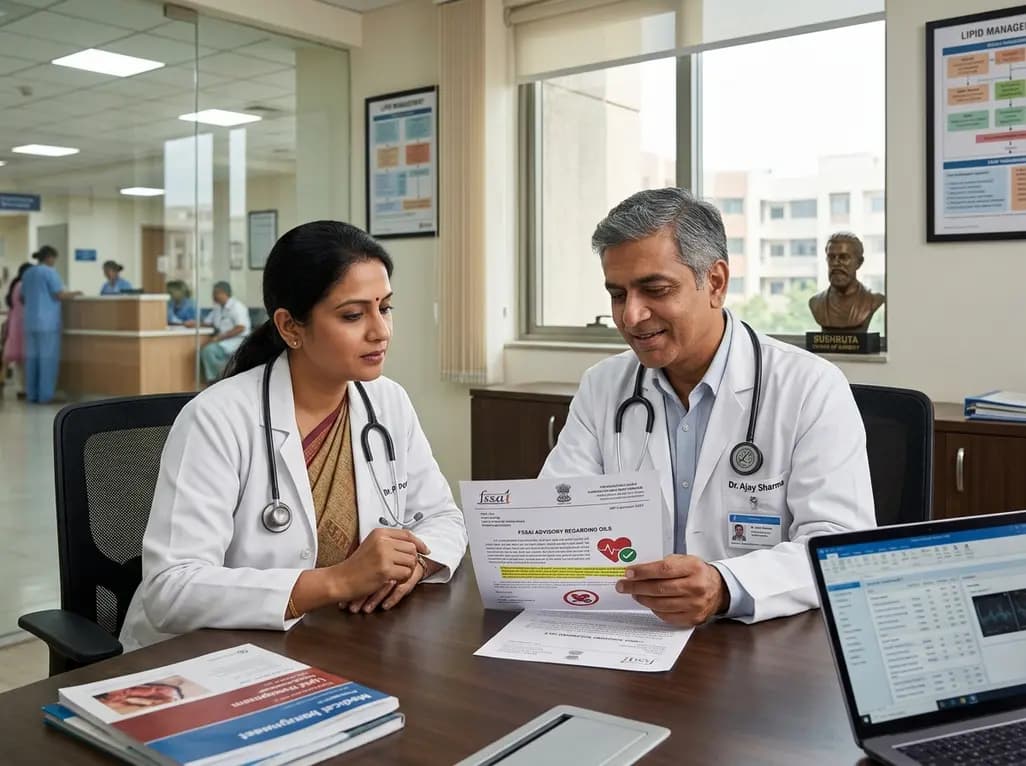
India's food safety authority FSSAI has issued show-cause notices to Gemini Edibles, BigBasket, and Flipkart for unpermitted cardiovascular claims regarding Freedom Rice Bran Oil. This regulatory move highlights the strict enforcement of advertising standards and the clinical necessity of evidence-based lipid care.
Today

Diagnostic data shows that nearly one in four spine investigations now involve patients younger than 40 years. This comprehensive overview explores the drivers behind this demographic trend, evaluates ergonomic hazards, clarifies red-flag signs, and highlights clinical indications for judicious diagnostic imaging.
Today
