

Loading, please wait...
Loading, please wait...

The global spread of emerging arboviruses continues to challenge public health surveillance across multiple continents. Between May 2024 and January 2025, public health authorities documented an unprecedented surge of Oropouche virus disease among travelers returning to the United States. In response to widespread transmission across the Americas and the Caribbean, the Centers for Disease Control and Prevention initiated specialized testing protocols. Clinicians evaluated hundreds of returned travelers presenting with acute febrile illness following international travel. Surveillance data subsequently confirmed 104 positive infections alongside 266 symptomatic individuals who tested negative. Demographically, confirmed cases showed an even sex distribution, comprising 50 females and 54 males, with a median age of 52 years. Historically, Oropouche virus circulated primarily in forested Amazonian basins via biting midges and mosquitoes. However, rapid urban adaptation and geographic movement have established sustained transmission in previously non-endemic regions. Consequently, infectious disease clinicians must recognize that travel-associated viral fevers readily cross international borders. Understanding these emerging epidemiology patterns allows front-line physicians to maintain clinical suspicion and implement early management protocols.
Clinicians managing imported arboviral syndromes face substantial diagnostic challenges due to overlapping clinical presentations. In the confirmed cohort, the vast majority of patients reported multisystemic features, with 65 individuals experiencing five or more distinct symptoms. Specifically, high fever occurred in 94% of patients, representing the most consistent hallmark of acute infection. In addition, severe headache affected 83% of cases, while debilitating myalgia afflicted 78% of the cohort. Furthermore, statistical analysis demonstrated that patients reporting headache, myalgia, fatigue or malaise, and diarrhea had significantly higher odds of testing positive after adjusting for fever. Notably, gastrointestinal symptoms like persistent diarrhea distinguished confirmed cases from negative febrile controls. Most patients endured an acute phase lasting several days, characterized by prostrating weakness and diffuse body aches. Furthermore, several patients described a biphasic illness pattern, wherein systemic symptoms temporarily resolved before recurring with renewed intensity. Although the primary infection remained self-limiting for most adults, persistent post-viral fatigue lingered for weeks in select individuals. Therefore, physicians assessing febrile travelers returning from endemic zones must conduct exhaustive symptom evaluations to optimize triage.
Establishing accurate surveillance definitions requires balancing diagnostic sensitivity against clinical specificity. Public health researchers evaluated multiple symptom combinations to determine how effectively clinical criteria captured true infections. The investigative team discovered that requiring fever alongside two or more accompanying symptoms achieved an outstanding sensitivity of 99%. However, this broad syndromic definition demonstrated an extremely low specificity of only 7.5% among symptomatic travelers. Such limited specificity generates numerous false-positive suspect cases, which can overwhelm laboratory infrastructure during peak outbreak periods. Fortunately, incorporating verified travel history to areas with active transmission dramatically improved the screening specificity to 61%. This dramatic improvement emphasizes that clinical features alone cannot replace meticulous epidemiological exposure assessments. Consequently, public health agencies must adjust diagnostic criteria based on operational surveillance priorities. When public health goals emphasize rapid containment and broad pathogen tracking, highly sensitive criteria provide the best detection net. Conversely, when laboratory resources remain constrained, integrating travel exposure parameters preserves diagnostic efficiency. Therefore, healthcare systems must develop flexible testing algorithms that adapt dynamically to evolving outbreak conditions.
Distinguishing Oropouche virus infection from other vector-borne diseases represents an urgent clinical priority for acute care practitioners. In regions where dengue, chikungunya, and Zika virus circulate widely, overlapping clinical manifestations frequently complicate bedside diagnosis. For instance, classic arboviral fevers typically induce sudden pyrexia, retro-orbital headache, arthralgia, and cutaneous maculopapular eruptions. However, Oropouche fever uniquely demonstrates a higher frequency of sudden gastrointestinal disturbances, particularly profuse diarrhea and nausea. Furthermore, clinicians must remain alert to dangerous complications, including neuroinvasive manifestations like aseptic meningitis and meningoencephalitis. Recent epidemiological investigations in South America have also documented severe hemorrhagic presentations and adverse pregnancy outcomes, including vertical transmission and fetal loss. Consequently, primary care physicians and emergency room teams must maintain a broad differential when managing severe febrile illness. In addition, clinicians should systematically rule out malaria, leptospirosis, and enteric fever in returned international travelers. Ordering concurrent multiplex molecular panels during the first week of fever provides rapid diagnostic clarity. Ultimately, timely identification prevents inappropriate antibiotic administration and guides appropriate supportive care protocols in complex clinical presentations.
Modern global transit patterns demand heightened vigilance from outpatient clinics and tertiary medical institutions. Because clinical symptoms mirror endemic fevers, healthcare providers must routinely obtain detailed travel histories covering the preceding two weeks. When evaluating patients with compatible constitutional symptoms and recent tropical exposure, clinicians should coordinate testing through certified public health reference laboratories. During acute viremia, which generally spans the initial five to seven days, reverse transcription-polymerase chain reaction provides definitive diagnostic confirmation. Subsequently, serological assays evaluating specific immunoglobulin antibodies become valuable as viral titers wane. Meanwhile, supportive medical therapy remains the cornerstone of outpatient clinical management. Clinicians should prescribe oral hydration solutions and acetaminophen while strictly avoiding nonsteroidal anti-inflammatory agents to prevent bleeding risks associated with undiagnosed dengue. In addition, healthcare workers must educate infected individuals on diligent vector avoidance during the first week of symptoms. Preventing localized mosquito or midge bites during high viremia halts potential autochthonous secondary transmission within non-endemic regions. Therefore, robust primary care screening, public health notification, and patient counseling collectively safeguard communities against expanding arboviral threats worldwide.
While both arboviral illnesses present with sudden high fever, headache, and severe myalgia, Oropouche virus disease frequently features prominent gastrointestinal manifestations such as watery diarrhea. Furthermore, clinical studies indicate that nearly one-third of recovered patients experience a relapsing febrile episode days after initial resolution. In contrast, dengue typically exhibits distinct plasma leakage, thrombocytopenia, and classic hemoconcentration during the critical defervescence phase, requiring careful fluid management and close monitoring.
Clinicians confirm acute infection primarily through reverse transcription-polymerase chain reaction, which detects viral genomic RNA in serum during the first week of illness. In addition, urine specimens can yield positive molecular signals for extended periods. However, serological testing using enzyme-linked immunosorbent assays detects specific immunoglobulin M antibodies after the fifth day of symptom onset. Therefore, clinicians should pair molecular testing with serology when evaluating febrile travelers presenting after the initial viremic window.
Because no specific antiviral therapy or vaccine exists, clinicians rely strictly on supportive symptomatic management for affected individuals. Physicians should administer oral rehydration solutions to manage gastrointestinal losses and recommend paracetamol for fever and pain relief. Importantly, clinicians must avoid nonsteroidal anti-inflammatory drugs and aspirin until they definitively exclude dengue fever, thereby minimizing hemorrhagic complications. Consequently, continuous outpatient monitoring ensures early detection of atypical neurological deterioration or recurrent systemic manifestations.
Disclaimer: This content is for informational and educational purposes only and should not be taken as professional medical advice. Healthcare professionals should make diagnostic and treatment decisions based on their independent clinical judgment and individual patient assessments. Refer to the latest local and national guidelines for clinical practice.
References

Read summarized clinical updates, watch expert medical content, and earn CME certifications right from your smartphone.
Open your smartphone camera to scan and install.





A CDC study identifies key symptoms and clinical criteria for Oropouche virus disease in travelers, highlighting the diagnostic value of travel history and fever.
Today

A randomized trial of 272 young women in underserved settings evaluated motivational interviewing versus didactic education. Motivational interviewing effectively reduced unintended pregnancy and risky sexual behavior, while didactic counseling fostered greater condom consistency in Hispanic participants.
Today
A landmark study reveals structured variation in daily emotional experiences using mobile cardiac monitoring and machine learning. Uncovering a many-to-many mapping between autonomic states and feelings, this research offers key insights for managing psychosomatic and psychiatric conditions in clinical practice.
Today

Engineered 3D piezoelectric PHBV scaffolds generate electrical charges during mechanical strain, mimicking native muscle electromechanics to promote cellular alignment, myogenic differentiation, and functional tissue repair in severe volumetric muscle loss.
Today
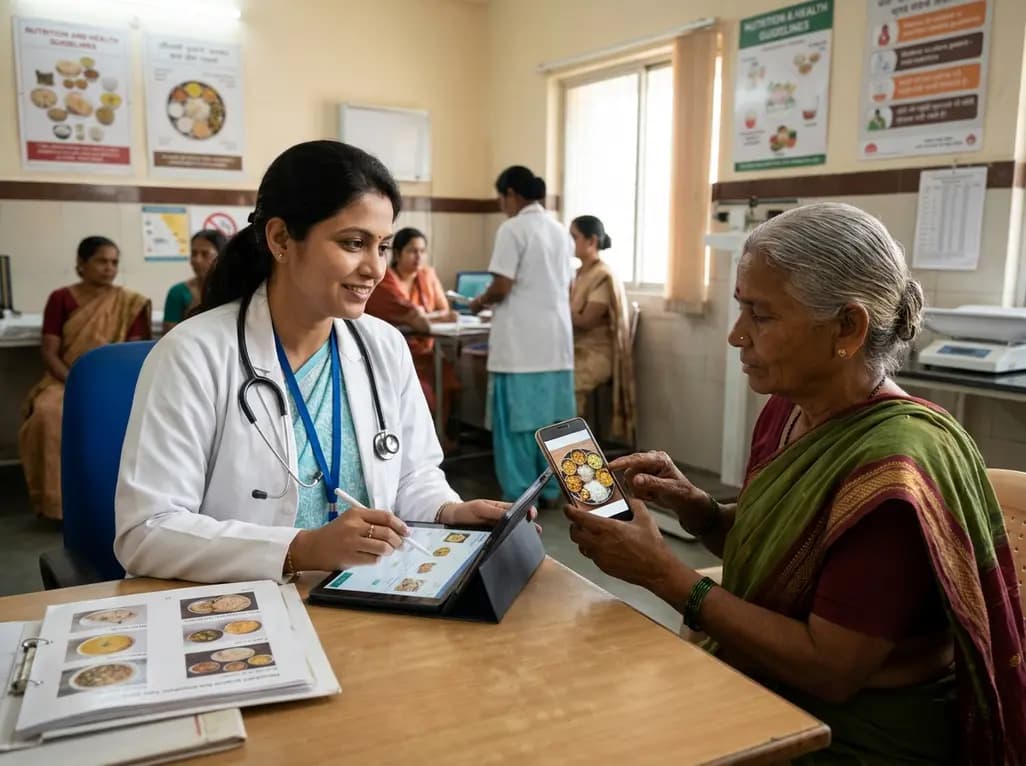
A recent study highlights that pairing photograph-assisted 24-hour recalls with regional food databases significantly boosts dietary assessment accuracy. This methodology reduces cultural bias and strengthens nutrient tracking, offering crucial lessons for clinicians managing nutritional care in diverse populations.
Today
