.webp&w=384&q=75)

Loading, please wait...
Loading, please wait...
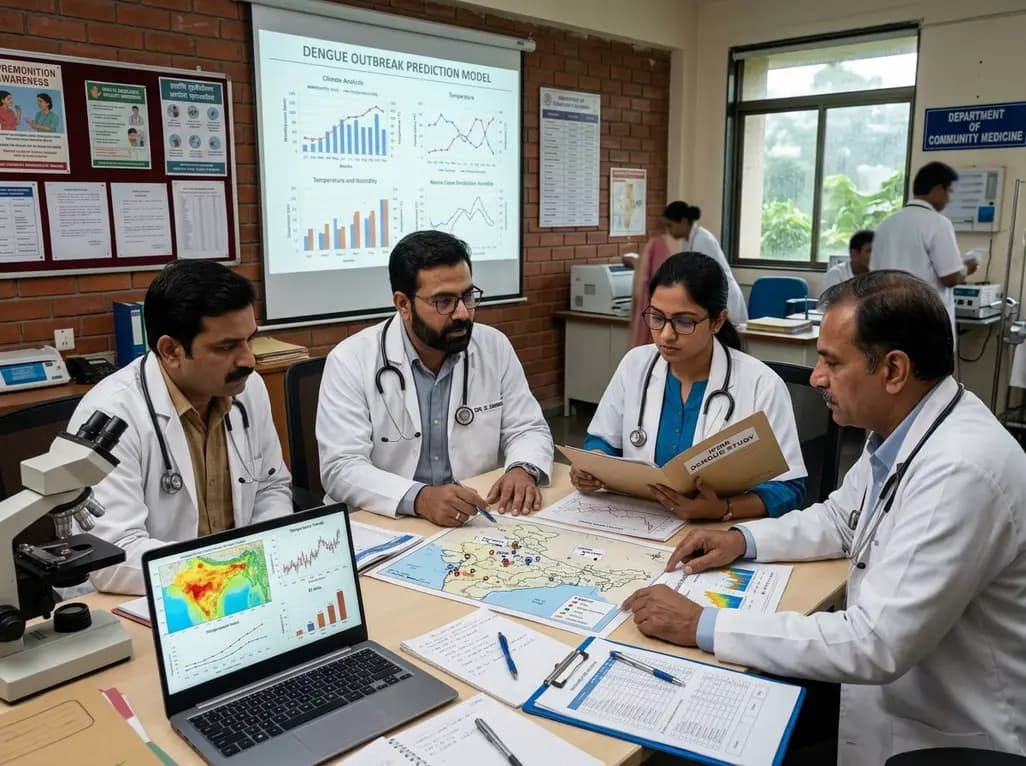
Dengue fever presents an escalating public health crisis across tropical regions. Therefore, recent meteorological innovations highlight the power of dengue risk prediction to prepare healthcare systems well ahead of seasonal surges. Specifically, by evaluating atmospheric anomalies and sea surface temperatures, researchers can anticipate vector-borne infection trends up to five months early. Consequently, clinicians and administrative authorities can transition from reactive outbreak management to proactive systemic preparedness. Ultimately, this predictive capacity fundamentally reshapes clinical triage, staffing allocations, and prophylactic vector control.
Ecological conditions govern the life cycle and transmission competence of the primary vector, Aedes aegypti. Warmer ambient air accelerates the viral extrinsic incubation period within the mosquito vector. As a result, female mosquitoes become infectious much more rapidly following a viremic blood meal. Furthermore, elevated temperatures increase oviposition frequency and shorten aquatic larval development phases. High relative humidity also preserves mosquito hydration and prolongs adult vector survival. When humid conditions persist, mosquitoes feed more frequently on mammalian hosts. Thus, atmospheric stability directly amplifies transmission efficiency throughout susceptible human communities. Conversely, extreme meteorological shifts alter larval microhabitats unpredictably. Moderate rainfall generates optimal outdoor stagnant pools for vector breeding. However, massive torrents flush out open puddles and remove immature mosquito larvae. Therefore, scientists must track subtle seasonal progressions rather than simple annual averages. By understanding these biological teleconnections, medical practitioners gain valuable insight into prospective viral activity. Early climate signals provide biological warnings long before outpatient clinics see soaring patient admissions. Moreover, understanding vector bionomics helps hospital administrators anticipate specific patient demographics most at risk. In particular, pediatric and young adult populations often experience severe clinical manifestations during rapid community surges. Hence, tracking regional atmospheric indices gives critical context to seasonal fever epidemiology.
The El Niño-Southern Oscillation represents a powerful periodic disruption of the tropical Pacific climate system. During an El Niño phase, anomalously warm equatorial ocean currents alter planetary wind patterns. In peninsular India, this global anomaly typically causes warmer and notably drier pre-monsoon weather. Consequently, regions like Kerala experience unusual thermal spikes alongside moderate atmospheric humidity between February and May. These specific conditions create an early ecological haven for vector breeding and rapid viral multiplication. Moreover, domestic water storage escalates during dry spells, which inadvertently creates extensive artificial breeding reservoirs. As a result, local vector density swells substantially prior to the arrival of the southwest monsoon. When monsoon rains finally arrive in June, the established vector population initiates rapid disease transmission. Historical records demonstrate that severe regional outbreaks coincide frequently with strong oceanic El Niño phases. In contrast, La Niña episodes typically correlate with attenuated transmission dynamics across southwestern coastal corridors. Therefore, Pacific sea surface temperatures serve as a robust macro-level warning system. This oceanic lead time grants public health planners nearly three months of valuable diagnostic foresight. Additionally, local health authorities can utilize this multi-month buffer to inspect urban water reservoirs and distribute larvicides proactively.
Implementing an accurate dengue risk prediction framework provides indispensable benefits for frontline healthcare providers. When algorithms forecast a major surge, tertiary care facilities can adjust inpatient bed capacities weeks in advance. Furthermore, clinical directors can optimize intensive care unit workflows and secure sufficient mechanical infusion pumps. Hospital pharmacies can also stockpile essential therapeutic supplies, including balanced isotonic crystalloids, diagnostic test kits, and paracetamol. In addition, blood transfusion banks can mobilize voluntary platelet and plasma donor drives ahead of critical shortages. During peak monsoonal admissions, prompt diagnosis prevents secondary hypovolemic complications and unnecessary mortality. Therefore, physicians must establish standardized fever triaging protocols that prioritize warning signs such as persistent abdominal pain or mucosal bleeding. Similarly, primary care clinicians can thoroughly review fluid resuscitation protocols according to established national vector guidelines. Moreover, nursing personnel can undergo refresher modules on microvascular leakage monitoring and hematocrit tracking. Consequently, early institutional warnings reduce hospital chaos during sudden epidemics. Ultimately, predictive tools transform chaotic outbreak responses into methodical, evidence-based critical care delivery. Equally important, primary care practitioners can educate outpatient cohorts regarding danger signs, which encourages timely medical consultations before vascular collapse occurs.
Recent scientific modeling reveals defined environmental parameters that maximize arboviral transmission windows. Specifically, pre-monsoon maximum temperatures hovering between 30.5 and 32.5 degrees Celsius significantly boost mosquito metabolism. At the same time, relative humidity levels sustained between 66 and 79 percent maintain vector longevity. When these conditions precede monthly monsoon rainfall measuring roughly 180 to 450 millimeters, transmission danger escalates dramatically. However, excessively heavy downpours exceeding baseline limits induce a protective flushing effect on drainage systems. Such torrential deluges destroy unhatched eggs and drown aquatic pupae in street gutters. Consequently, moderate rainfall spreads risk far more effectively than continuous tropical cloudbursts. Furthermore, the diurnal temperature range—the thermal gap between daylight and nighttime—provides additional prognostic value. Narrow diurnal variations prevent nighttime cold stress in mosquitoes, thereby sustaining active viral propagation around the clock. By incorporating these precise meteorological thresholds into machine-learning algorithms, epidemiologists explain roughly 72 percent of monthly case variations. Thus, mathematical weather modeling delivers concrete physiological data rather than speculative estimates to community physicians. In addition, monitoring local microclimates allows municipal teams to deploy targeted thermal fogging exactly where mosquito survival indices peak.
Global climate shifts threaten to destabilize disease endemicity across the Indian subcontinent permanently. Projections indicate that climate-driven dengue incidence could increase by 16 to 20 percent over upcoming decades. Furthermore, under high-emission greenhouse scenarios, case burdens might surge by over 100 percent by century end. In response, public health leaders advocate for a transition toward comprehensive integrated surveillance systems. Traditional monitoring often relies solely on delayed hospital admission tallies and post-outbreak case reports. However, modern containment demands the simultaneous tracking of genomic serotypes, mosquito larval indices, and climate forecasts. For instance, circulating serotype replacements can ignite severe secondary infections among previously exposed populations. Therefore, combining meteorological intelligence with real-time serological data creates an agile defensive barrier against epidemics. Meanwhile, urban expansion and improper solid waste disposal continue to exacerbate baseline vector proliferation. Hence, civic authorities and medical institutions must unite under an interdisciplinary One Health operational strategy. Through this unified approach, clinicians and epidemiologists can mitigate avoidable morbidity across susceptible communities nationwide. Ultimately, sustained investments in climate-informed diagnostics will firmly preserve critical healthcare infrastructure against the evolving perils of rapid planetary warming.
Q1: How does an El Niño climate cycle influence regional dengue fever outbreaks?
An El Niño phase alters planetary atmospheric circulation, producing warmer and relatively drier pre-monsoon weather patterns across peninsular India. Consequently, elevated ambient temperatures accelerate the dengue virus replication rate inside the Aedes mosquito vector. Furthermore, intermittent dry spells compel residents to store domestic water, creating extensive artificial breeding habitats. When monsoonal rains arrive, dense mosquito populations initiate rapid viral transmission, generating substantial case spikes across vulnerable populations.
Q2: Why does moderate rainfall increase dengue transmission more than torrential downpours?
Moderate rainfall accumulating between 180 and 450 millimeters per month creates ideal stagnant water reservoirs for mosquito oviposition. Consequently, discarded containers, plastic buckets, and roadside puddles become productive larval nurseries. In contrast, intense torrential deluges generate powerful surface runoff that rapidly flushes municipal drainage channels. This turbulent water sweeps away unhatched eggs and drowns fragile pupae. Therefore, heavy monsoonal cloudbursts temporarily halt vector proliferation and suppress infection transmission cycles across affected localities.
Q3: How should clinicians utilize multi-month predictive climate warnings in practice?
Clinicians and hospital administrators can leverage multi-month forecasting models to secure vital medical countermeasures well before epidemics emerge. Specifically, institutions can procure balanced crystalloid fluids, diagnostic ELISA kits, and paracetamol in appropriate volumes. Furthermore, facilities can establish specialized fever triage areas and organize voluntary platelet donation camps. Early alerts also enable medical staff to review fluid management protocols and educate communities on early danger signs.
Disclaimer: This content is for informational and educational purposes only. It does not constitute medical advice or replace professional judgment. Refer to the latest local and national guidelines for clinical practice.
References

Read summarized clinical updates, watch expert medical content, and earn CME certifications right from your smartphone.
Open your smartphone camera to scan and install.





Groundbreaking research from IITM and ICMR reveals that pre-monsoon temperature, humidity, and Pacific El Niño patterns forecast monsoon dengue spikes up to five months ahead. Healthcare professionals can leverage these meteorological insights to optimize triaging, vector interventions, and clinical resources.
Today
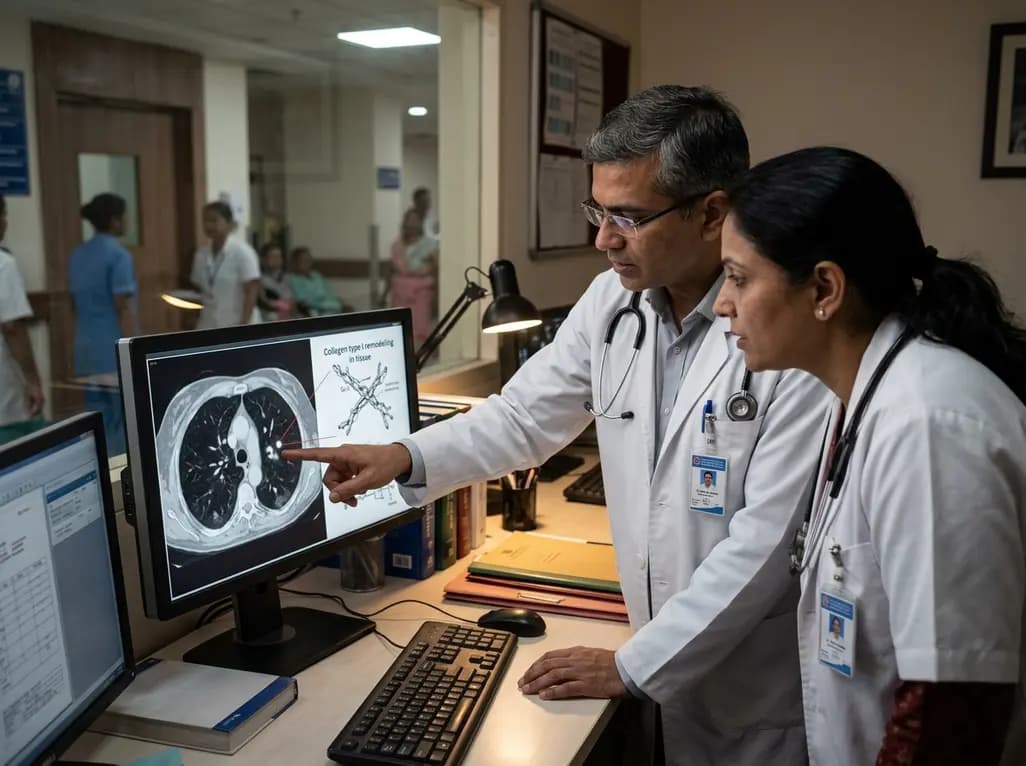
Preclinical findings demonstrate that hProCA32.Collagen, an innovative protein-based contrast agent, detects micro-metastases and aggressive lung adenocarcinomas down to 1 mm on MRI. By targeting collagen type I remodeling, this technology provides radiation-free diagnostic and prognostic evaluation for clinicians.
Today
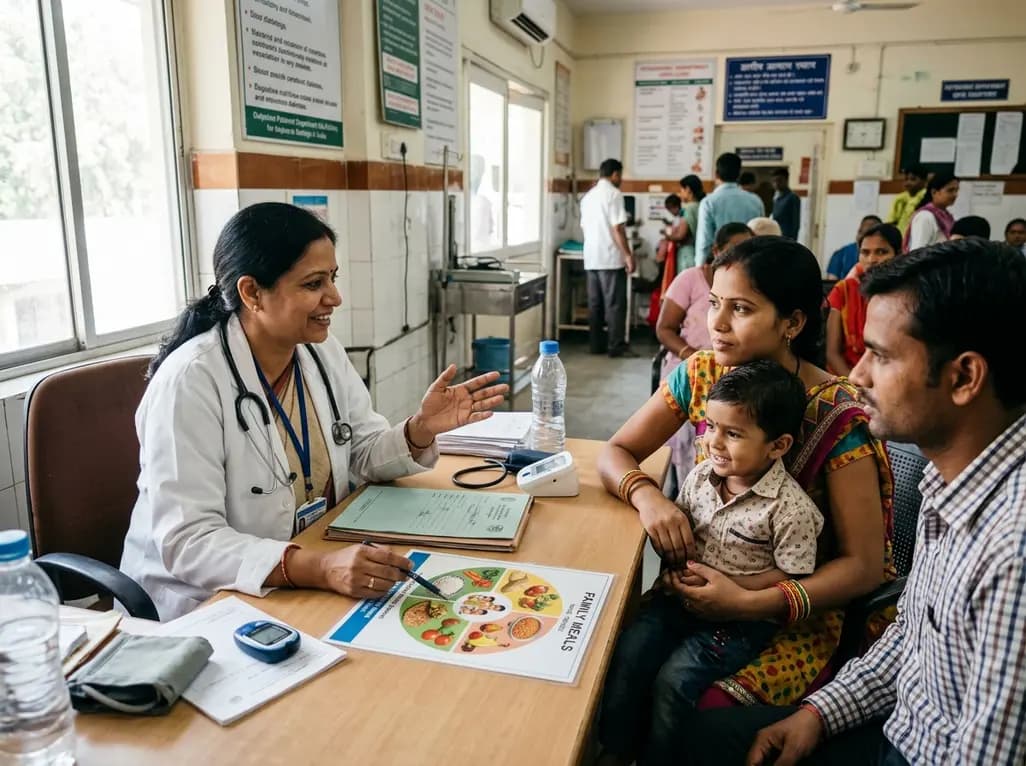
Gestational diabetes doubles the future risk of type 2 diabetes for mothers and offspring. Adopting a life-course approach centered on family meals and brief, supportive nutrition messaging empowers households to reduce metabolic risks and establish sustainable dietary habits across generations.
Today

A comprehensive meta-analysis evaluates the association between Body Mass Index and outcomes following abdominal aortic aneurysm repair. Discover how overweight and obesity correlate with lower mortality while underweight status confers heightened risk, challenging conventional preoperative risk stratification.
Today

The SOLARIO trial shows that a short course (≤7 days) of systemic antibiotic therapy is noninferior to long courses (≥4 weeks) in orthopedic infections treated with local antibiotic carriers, with significantly fewer adverse events.
Today
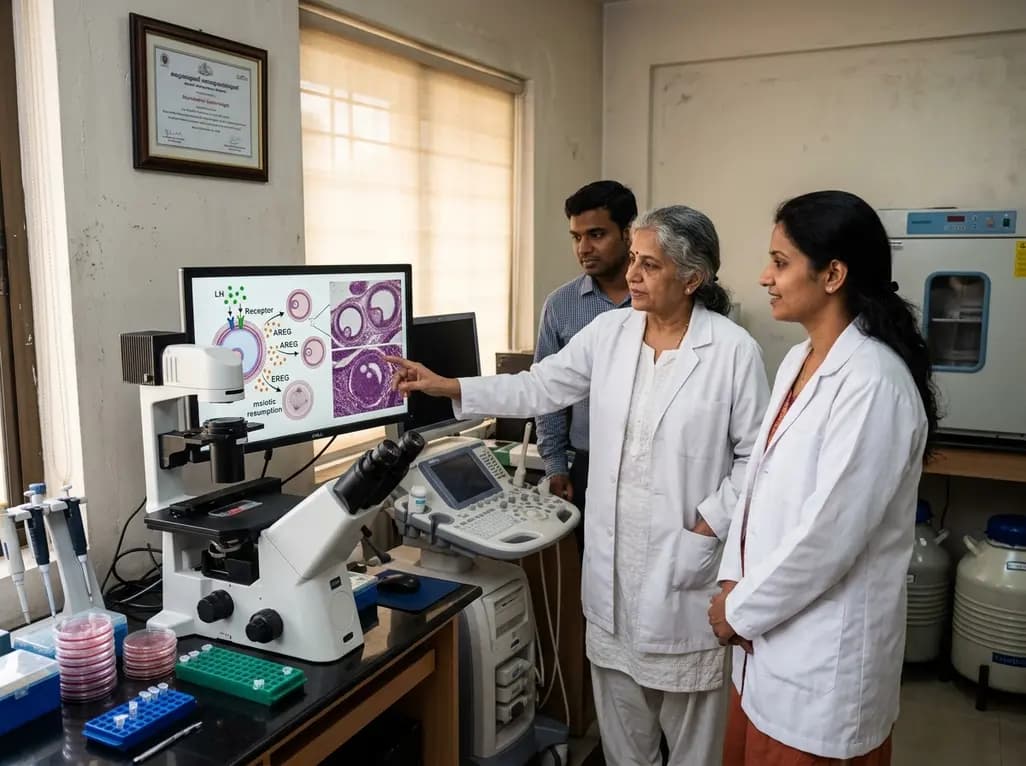
New research reveals that preovulatory follicles communicate via LH-induced paracrine signaling. Diffusible EGF ligands epiregulin and amphiregulin coordinate oocyte meiotic resumption across neighboring follicles, challenging traditional concepts of follicular autonomy.
Today
