.webp&w=384&q=75)

Loading, please wait...
Loading, please wait...

Climate change stroke risk is becoming a critical global health concern as environmental instability directly impacts cerebrovascular health. The World Stroke Organization (WSO) recently published a scientific statement in the International Journal of Stroke detailing these dangers. Consequently, medical professionals must recognize how extreme temperatures, humidity shifts, and air pollution contribute to rising stroke incidence. This evidence suggests that an unstable climate increases both the risk of occurrence and the likelihood of mortality.
Extreme temperatures and rapid fluctuations in barometric pressure have profound physiological effects on the human body. For instance, extreme heat triggers dehydration, which subsequently thickens the blood and raises the risk of thromboembolic events. Furthermore, changes in humidity and air pressure can lead to significant spikes in blood pressure. Because hypertension is a primary cause of stroke, these environmental shifts represent a direct threat to patient safety. Researchers emphasize that these patterns are intensifying globally due to shifting climatic conditions.
Air pollution remains a massive contributor to the global burden of neurological disease. More than 20% of strokes worldwide are now attributed to poor air quality. Specifically, particulate matter from industrial emissions and wildfires enters the bloodstream through the lungs. These particles cause systemic inflammation and damage the walls of brain arteries. Over time, this damage results in blocked or ruptured vessels. Therefore, managing climate change stroke risk requires addressing both ambient pollution and acute weather events.
Certain demographics face a disproportionately high risk from environmental factors. Older adults and outdoor workers are particularly susceptible to extreme thermal events. Additionally, individuals living in low and middle-income countries often lack the infrastructure to mitigate these hazards. Compound weather events, such as the simultaneous occurrence of heat and drought, create an additive effect on mortality. Clinical practices should now consider integrating meteorological alerts into patient management strategies to improve preparedness.
Q1: How does extreme heat specifically increase the risk of a stroke?
High temperatures cause dehydration and hemoconcentration, which increases blood viscosity. This state makes the formation of blood clots more likely, potentially leading to ischemic strokes.
Q2: Which environmental factor is responsible for the highest percentage of global strokes?
Air pollution is a major factor, with researchers attributing over 20% of all global strokes to the inhalation of harmful particulate matter that damages blood vessel integrity.
Q3: What can healthcare providers do to mitigate these risks?
Providers should educate patients on weather-related risks, advocate for clean energy, and use electronic health records to monitor climate-related alerts for vulnerable populations.
Disclaimer: This content is for informational and educational purposes only. It does not constitute medical advice or replace professional judgment. Refer to the latest local and national guidelines for clinical practice.
References

Read summarized clinical updates, watch expert medical content, and earn CME certifications right from your smartphone.
Open your smartphone camera to scan and install.





The World Stroke Organization warns that extreme weather and pollution significantly increase stroke risk, especially in older adults and low-income nations...
5 months ago

Following regulatory scrutiny from FSSAI regarding promotional representations and lean muscle preservation claims, Dr. Reddy's Laboratories and Nestlé Health Science are currently reviewing the branding and marketing strategy for their joint nutritional supplement Celevida GLP+.
Today
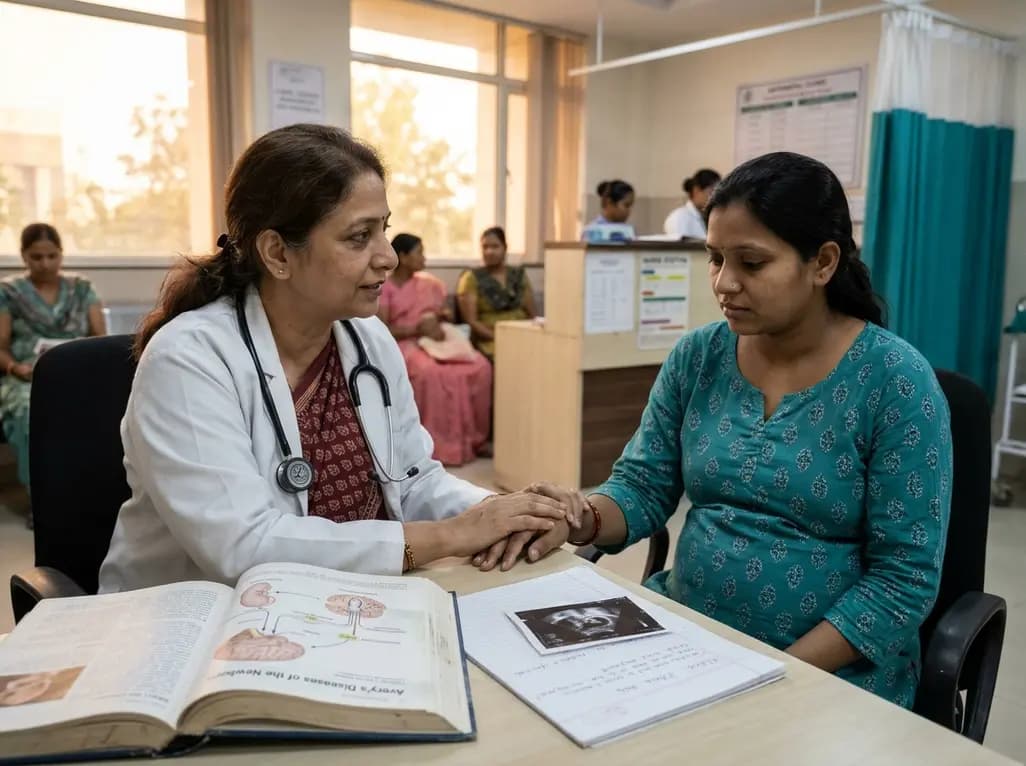
A comprehensive scoping review synthesises evidence linking prenatal maternal mental health to long-term offspring neurodevelopment, evaluating neuroendocrine, inflammatory, and epigenetic pathways while highlighting clinical screening and future research priorities.
Today

The Directorate General of Health Services directs Indian states to halt the hazardous reuse and reprocessing of single-use medical devices. Discover regulatory implications under the Drugs and Cosmetics Act, critical infection risks, legal liabilities, and operational changes required across clinical specialties.
Today
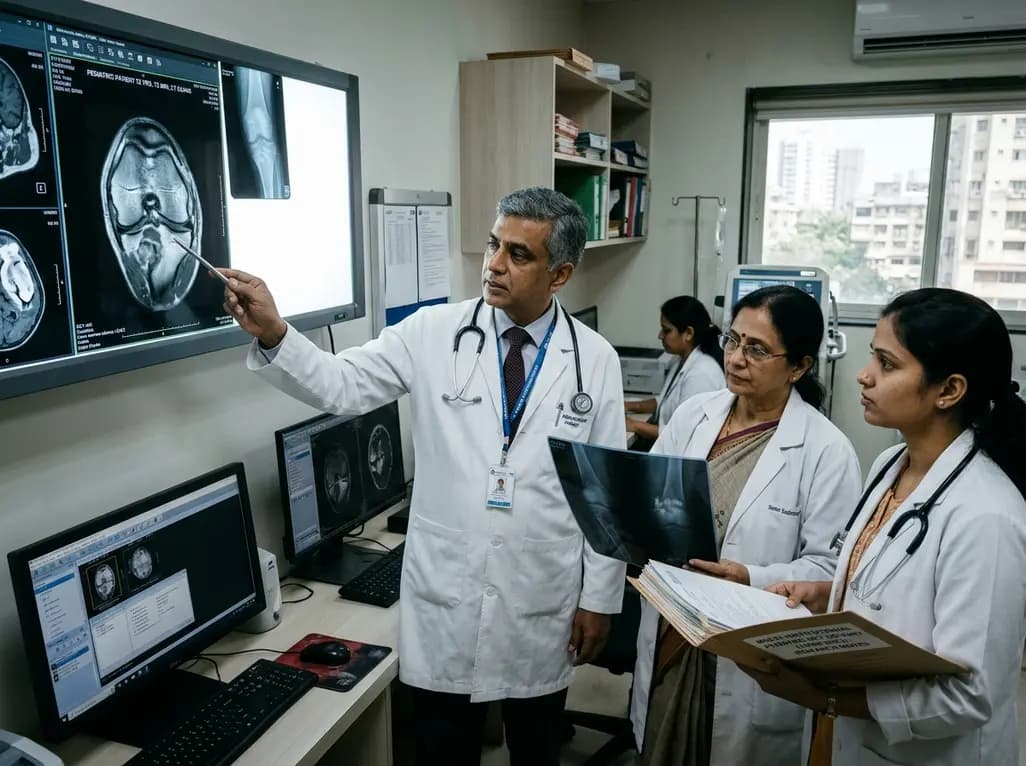
A 25-year multi-institutional cohort reveals high recurrence rates in pediatric giant cell tumor of bone, particularly in patients with open physes and bone marrow edema on preoperative MRI. Early surveillance and careful balance between growth plate preservation and tumor clearance are essential.
Today

India is advancing preventive healthcare by integrating genomics, artificial intelligence, and quantum technologies. With the SANGAM programme sequencing one million Indian genomes, clinicians can unlock personalized therapies, detect cardiometabolic risks early, and curb the burden of diabetes and heart disease.
Today
