

Loading, please wait...
Loading, please wait...
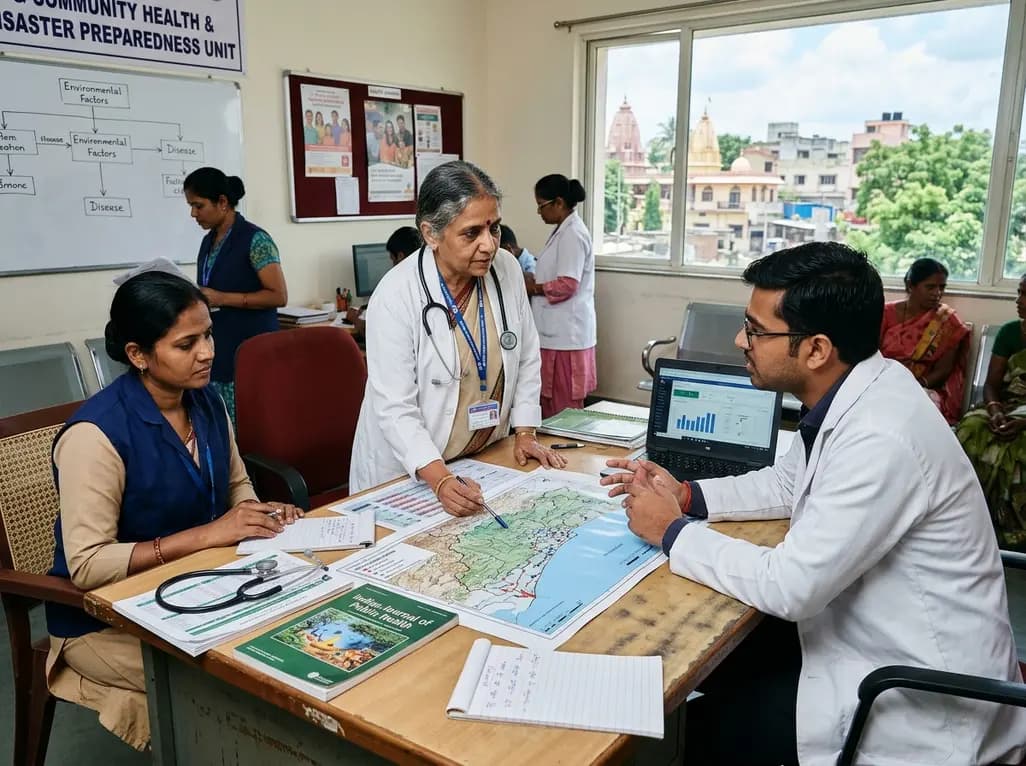
Global ecological disruptions increasingly endanger human health and community stability. Consequently, healthcare providers must understand how cognitive perceptions shape adaptive environmental behaviors. A recent descriptive correlational study investigated the interplay among adult climate concern, constructive optimism, and disaster literacy. By analyzing these psychosocial dimensions, medical professionals can design impactful community interventions. Furthermore, integrating structured psychological support with proactive civic education strengthens frontline public health preparedness against climate threats.
Global temperature shifts drive unprecedented threats across clinical and emergency settings. Consequently, extreme weather disasters provoke substantial psychological distress and exacerbate chronic physical illnesses. Researchers increasingly observe that ecological instability triggers pervasive eco-anxiety among diverse demographic groups. Moreover, persistent worry without effective coping channels often leads to psychological paralysis and clinical burnout. Therefore, healthcare teams must assess community vulnerability through validated behavioral instruments. In this recent study, investigators evaluated psychological responses using the Climate Change Worry Scale. The survey revealed moderate levels of concern across adult participants. However, unguided concern does not automatically yield constructive disaster readiness. Unmanaged anxiety frequently overwhelms individual coping mechanisms during severe crisis events. In contrast, guided health communication channels emotional distress into proactive risk mitigation. General practitioners and psychiatric specialists can leverage these insights during routine preventive consultations. Additionally, primary healthcare centers serve as vital anchors to address environmental grief. By acknowledging environmental distress early, clinicians can provide grounded guidance that prevents long-term depressive pathology. Thus, understanding psychological worry represents the foundational step in building sustainable community climate resilience.
Constructive hope serves as a vital psychological buffer against environmental despair. In particular, preventive hope empowers citizens to adopt constructive mitigation behaviors rather than succumbing to helplessness. When communities cultivate optimism, individuals engage more readily in proactive crisis planning. In this investigation, researchers measured collective optimism using the validated Climate Change Hope Scale. Participants demonstrated moderate hope scores, indicating a tangible willingness to pursue positive climate adaptations. Furthermore, statistical evaluations confirmed that preventive optimism correlates positively with active civic engagement. However, passive optimism alone cannot safeguard vulnerable populations against severe ecological perils. Clinicians must actively distinguish wishful thinking from evidence-based preventive empowerment. For example, community nurses can organize local resilience workshops that teach practical safety measures. Similarly, family physicians can encourage active family emergency planning during routine wellness visits. Consequently, structured empowerment transforms vague positive sentiment into concrete protective health behaviors. In addition, healthcare organizations can amplify community self-efficacy through targeted public education campaigns. Thus, nurturing preventive hope directly enhances institutional and domestic disaster preparedness across diverse populations.
Effective disaster preparedness requires comprehensive public knowledge and rapid cognitive execution during emergencies. Therefore, disaster literacy represents an indispensable skill set for every modern civilian and healthcare worker. Disaster literacy encompasses the ability to access, understand, evaluate, and apply critical emergency warnings. In this study, investigators assessed community knowledge utilizing the comprehensive Disaster Literacy Scale. Participants exhibited moderate baseline literacy, revealing noticeable knowledge gaps regarding emergency response protocols. Moreover, limited literacy hampers timely medical triage and impedes successful evacuation during severe crises. In India and other disaster-prone regions, rapid floods, severe heatwaves, and seasonal cyclones demand widespread public readiness. Consequently, healthcare professionals must bridge the gap between emergency data and community action. Clinicians can distribute clear, multilingual crisis action plans to high-risk patient cohorts. Additionally, hospital systems should conduct periodic community drills to reinforce disaster response literacy. When individuals comprehend hazard protocols, they evacuate promptly and reduce burden on emergency departments. Thus, disaster literacy directly decreases emergency morbidity and prevents catastrophic loss of human life.
The empirical study analyzed cross-sectional data collected from 615 adult participants through convenience sampling. Subsequently, researchers performed Pearson correlation and multiple linear regression analyses to evaluate variable relationships. The statistical results revealed positive, statistically significant, but weak correlations among concern, hope, and disaster literacy. Specifically, correlation coefficients ranged between r = 0.23 and r = 0.35 across the primary domains. Furthermore, regression modeling indicated that climate concern and preventive hope jointly predict disaster literacy levels. However, the modest correlation strength indicates that emotional concern alone rarely guarantees functional practical preparedness. Therefore, public health planners must not assume that anxious citizens will instinctively adopt protective behaviors. Instead, educational interventions must simultaneously address emotional processing and technical hazard management. For example, public health nurses can integrate psychological first aid with structured hazard drills. Similarly, multidisciplinary teams must address cognitive barriers that impede proactive information processing. Consequently, comprehensive intervention models should combine emotional validation with structured skill acquisition. Thus, targeted interventions can effectively convert latent environmental worry into measurable public health protection.
Primary care physicians and nursing professionals operate at the frontlines of community health defense. Consequently, medical teams must integrate climate adaptation strategies directly into routine clinical practice. Healthcare institutions should train community health workers to identify heat-related illnesses and climate anxiety early. Moreover, primary care providers must educate vulnerable chronic disease patients regarding extreme temperature precautions. In hospital settings, nursing leadership can coordinate hospital disaster plans with municipal disaster management authorities. Additionally, multidisciplinary teams must develop targeted educational resources that simplify emergency information for diverse cultural groups. For instance, rural health centers in India can deploy heat-health warning flyers and flood evacuation protocols. Furthermore, clinicians can advocate for equitable public health infrastructure, including shaded urban centers and clean hydration stations. Clinicians also play an influential role as trusted community communicators during environmental emergencies. Therefore, health practitioners must actively dismantle climate misinformation and encourage scientific public health behaviors. Ultimately, embedding disaster literacy into public health nursing ensures robust community resilience against recurring environmental disasters.
Disaster literacy describes an individual's capacity to access, comprehend, and practically implement emergency preparedness information during crises. In community healthcare practice, high disaster literacy enables civilians to interpret official weather alerts, execute timely evacuation orders, and administer essential first aid. Consequently, community nurses and primary physicians actively promote this literacy to minimize preventable casualties and reduce acute surges in emergency hospital admissions during severe environmental disruptions.
Preventive hope fosters active psychological agency, motivating individuals to participate in structured disaster preparedness rather than experiencing fatalistic resignation. Furthermore, constructive hope encourages adherence to community safety recommendations, including heatwave precautions and disease surveillance protocols. When clinical teams foster evidence-based optimism, patients exhibit greater willingness to develop domestic emergency plans, adopt sustainable health habits, and participate in local resilience programs that protect community wellness during extreme climate events.
India frequently experiences extreme weather emergencies, including catastrophic monsoon floods, severe heatwaves, and destructive coastal cyclones. Therefore, Indian medical professionals must maintain high disaster literacy to coordinate efficient mass casualty triage, prevent infectious vector outbreaks, and protect vulnerable patients. By actively integrating disaster education into hospital operations, clinicians ensure uninterrupted primary care delivery, mitigate disaster-related physical trauma, and support community psychological recovery throughout acute environmental crises.
Disclaimer: This content is for informational and educational purposes only... Refer to the latest local and national guidelines for clinical practice.
References
Yıldırım Gürkan D et al. Climate Change Concern, Preventive Hope, and Disaster Literacy: A Descriptive Correlational Study. Public Health Nurs. 2026 Nov 05. doi: 10.1111/phn.70201. PMID: 42988746.
World Health Organization. Climate change and health: Key facts and global health response. Geneva: WHO; 2024.
National Centre for Disease Control, Ministry of Health and Family Welfare, Government of India. National Programme on Climate Change and Human Health. New Delhi: MoHFW; 2023.

Read summarized clinical updates, watch expert medical content, and earn CME certifications right from your smartphone.
Open your smartphone camera to scan and install.





A cross-sectional study evaluates the correlation between climate change worry, preventive hope, and disaster literacy in adults. The findings underscore the critical role of healthcare providers in translating environmental concern into structured community resilience and proactive public health strategies.
Today
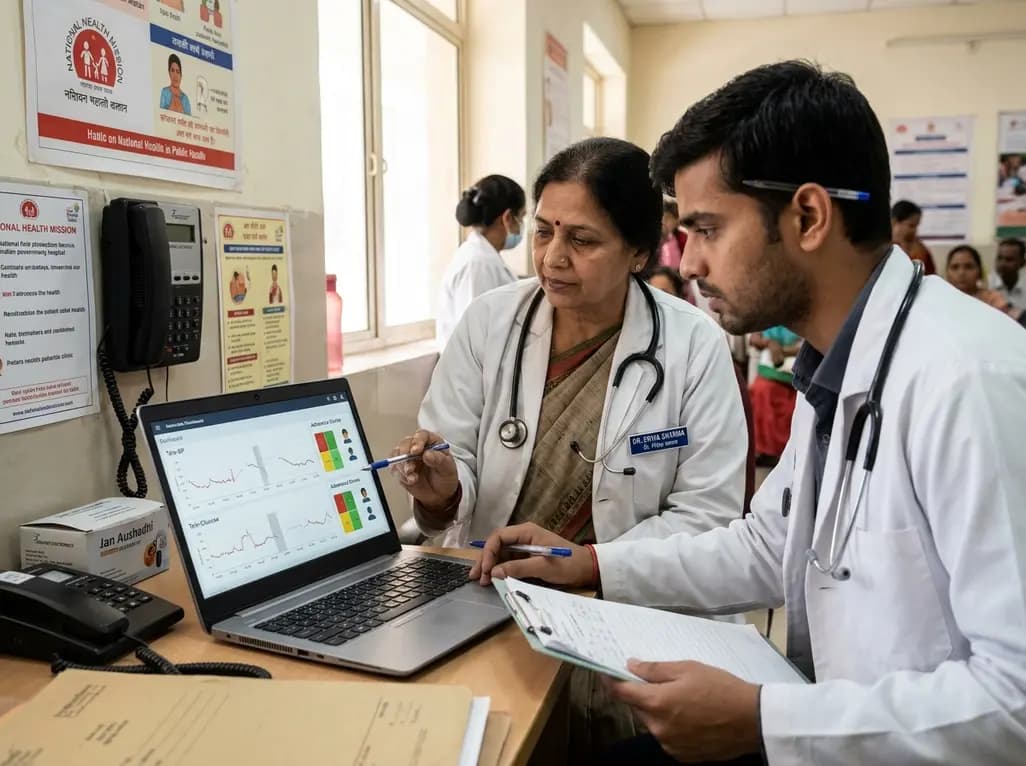
A novel adherence-driven sparsity framework demonstrates that missingness in patient-generated telemedicine data reflects human behavior rather than mere technical error, guiding safer clinical interpretations.
Today
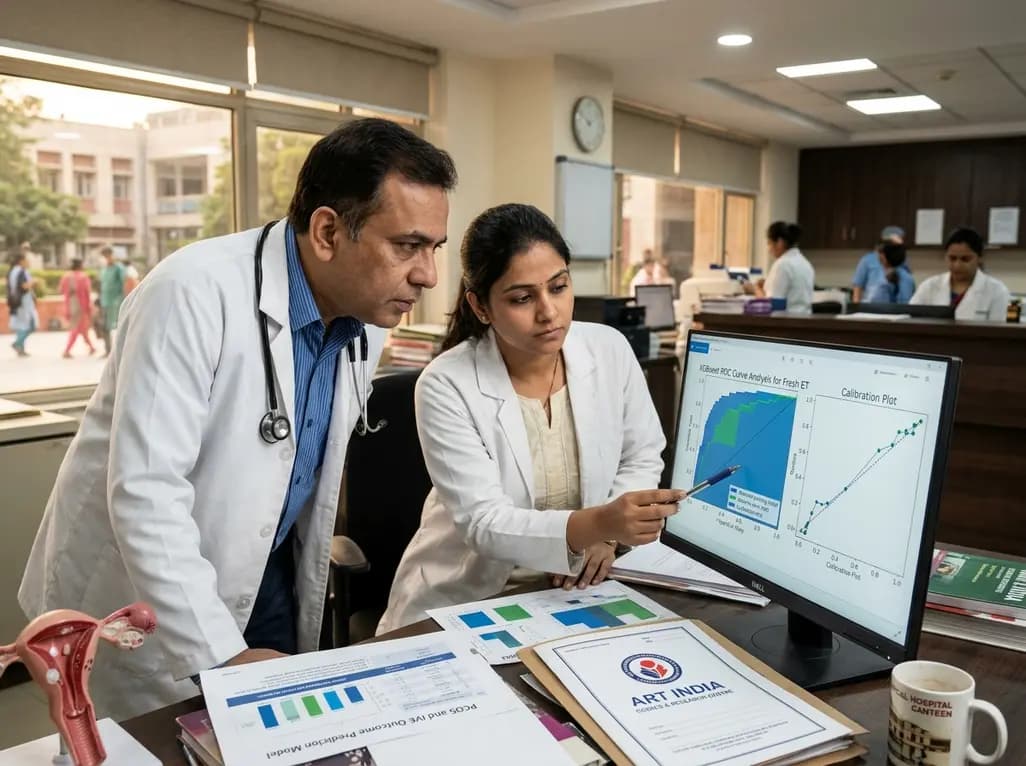
A multicenter study evaluates an XGBoost machine learning model to predict miscarriage risk in PCOS after fresh embryo transfer. While discrimination was strong internally, cross-cohort calibration drift emphasizes its role as a risk-ranking tool rather than a standalone diagnostic instrument.
Today
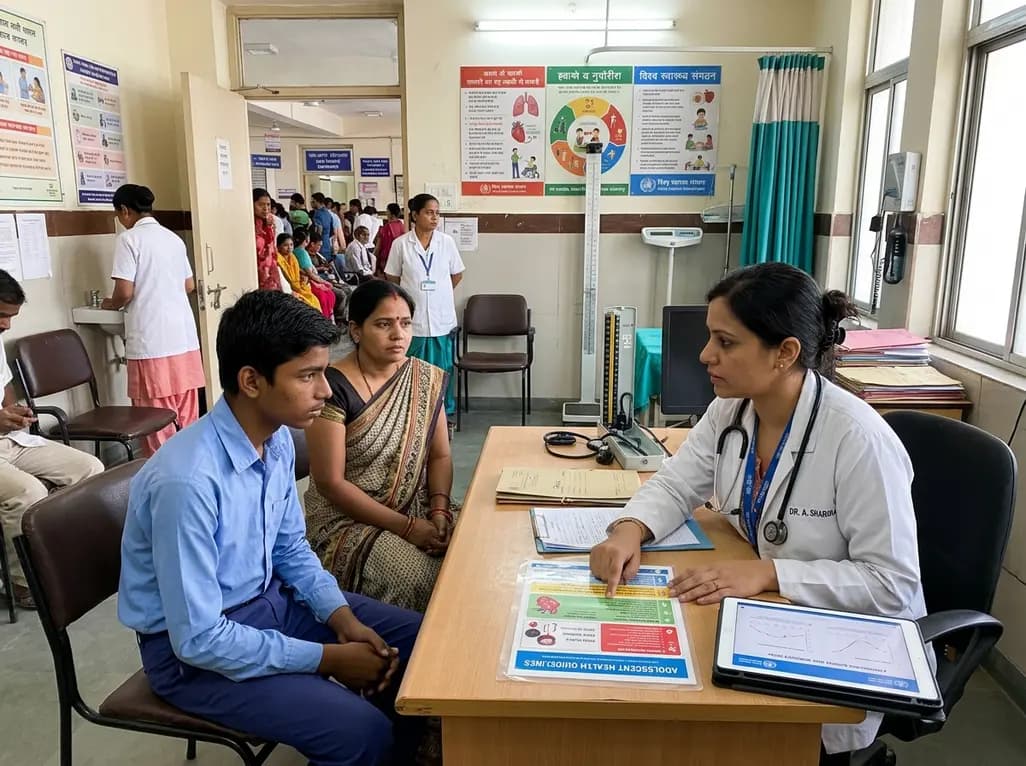
A major World Health Organization study reveals that one in four teenagers globally records zero active days per week. Discover the epidemiological data, cardiometabolic consequences of adolescent sedentary behavior, and practical guidance for clinicians to promote healthy lifestyle habits among youth.
Today
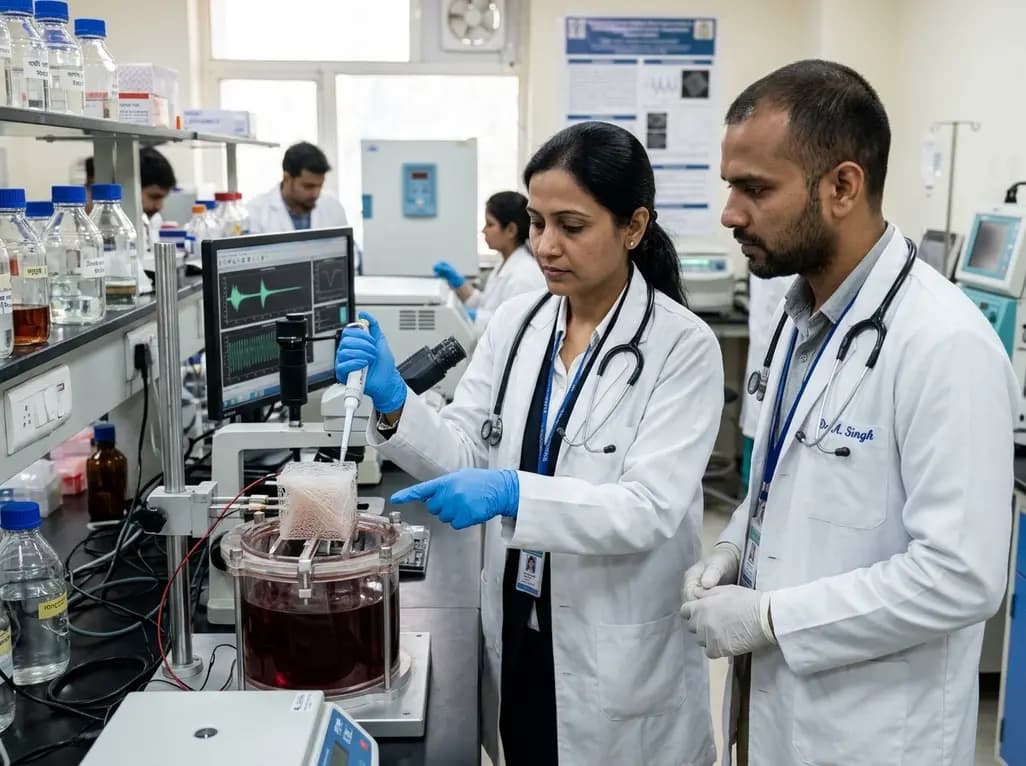
Engineered 3D piezoelectric PHBV scaffolds generate electrical charges during mechanical strain, mimicking native muscle electromechanics to promote cellular alignment, myogenic differentiation, and functional tissue repair in severe volumetric muscle loss.
Today
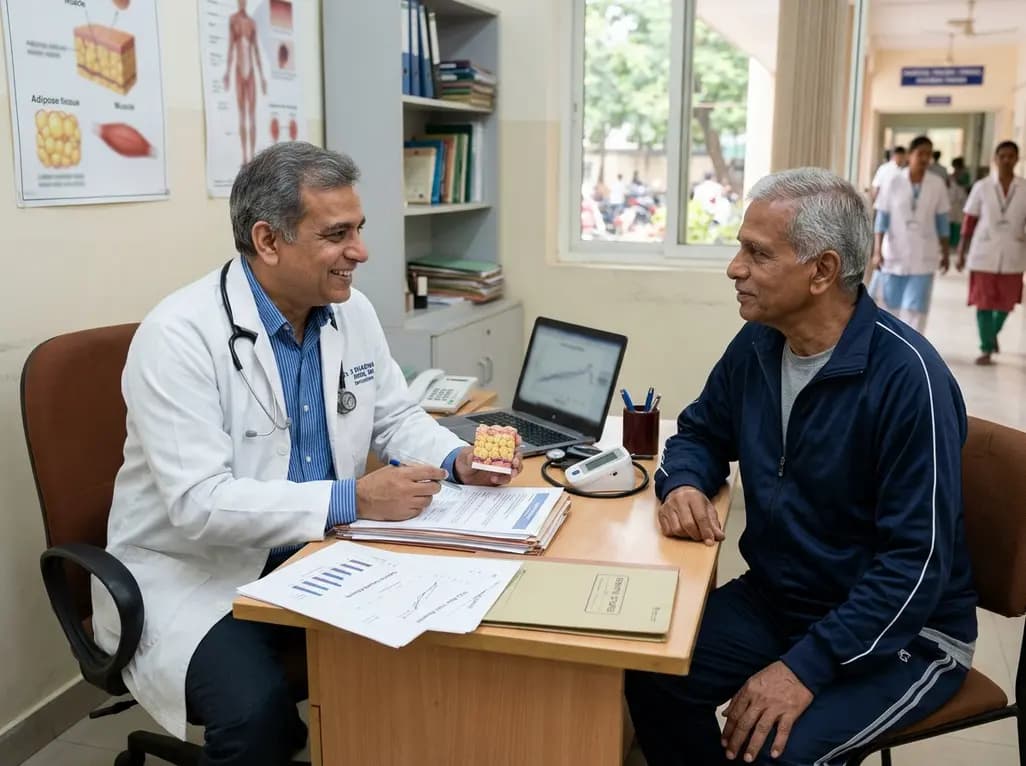
A study in aged rats reveals that caloric restriction broadly upregulates adipose macrophage genes, whereas concurrent endurance training buffers this response. Despite these tissue-level transcriptional changes, systemic glycemic and lipid markers remain unchanged, highlighting the complexity of geriatric metabolism.
Today
