.webp&w=384&q=75)

Loading, please wait...
Loading, please wait...
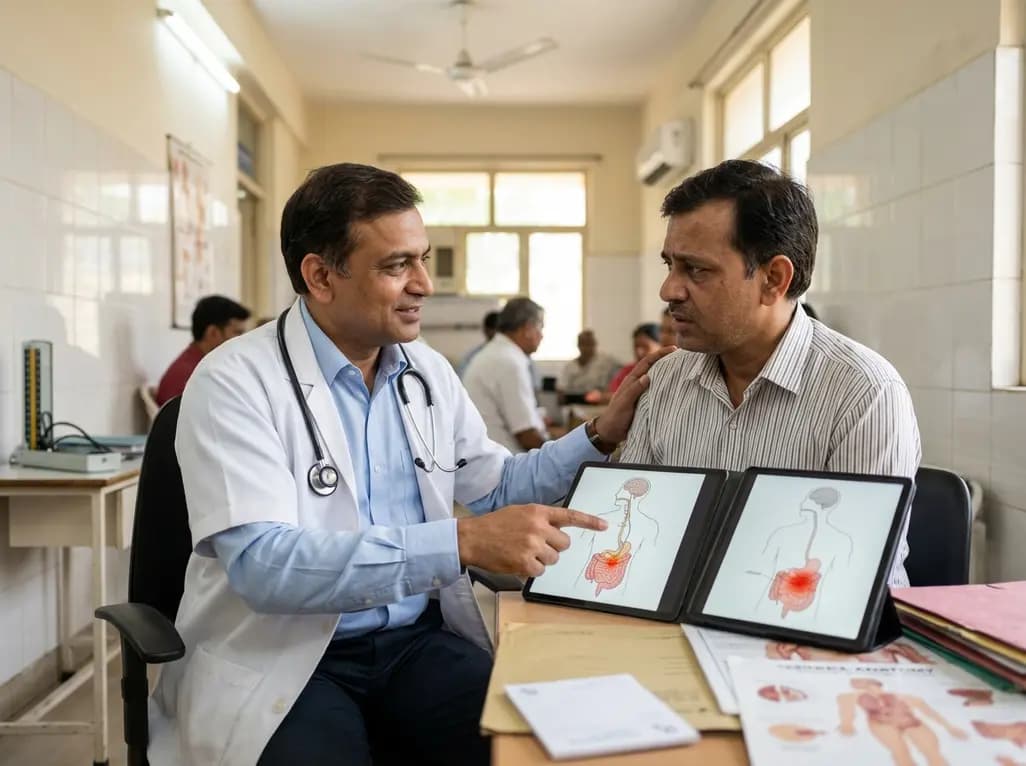
Modern lifestyles often involve high levels of psychological pressure. Recent clinical reviews demonstrate that chronic stress and IBD are closely linked through complex neuroendocrine pathways. When the body faces persistent stress, it activates the hypothalamic-pituitary-adrenal (HPA) and sympathetic-adrenal medulla (SAM) axes. This activation leads to abnormal levels of glucocorticoids and catecholamines, which can impair immune responses and trigger systemic inflammation.
Chronic stress significantly disrupts the delicate balance of the gut environment. For instance, stress-induced HPA axis dysfunction enhances pro-inflammatory signaling pathways like IL-6/STAT3. Furthermore, these neuroendocrine changes compromise the integrity of the intestinal barrier. This "leaky gut" allows pathogens to infiltrate, reducing microbial diversity and causing gut microbiota dysbiosis. Consequently, the resulting inflammation exacerbates the clinical progression of Inflammatory Bowel Disease (IBD).
Managing these complex conditions requires a multifaceted approach. Therefore, clinicians should integrate psychological care with conventional pharmacological treatments. Therapeutic options like probiotics and anti-inflammatory agents help restore gut homeostasis. Additionally, psychological interventions such as yoga and mindfulness have shown promise in reducing stress-related gut inflammation. By addressing both the mind and the gut, healthcare providers can significantly improve long-term patient outcomes.
Chronic stress reduces microbial diversity and promotes the growth of pro-inflammatory bacteria, which weakens the intestinal barrier and triggers local immune responses.
Yes, research indicates that yoga and mindfulness can lower stress levels, which in turn reduces gut-related inflammation and helps maintain disease remission.
Disclaimer: This content is for informational and educational purposes only and does not constitute professional medical advice, diagnosis, or treatment. Always seek the advice of your physician or other qualified health provider with any questions you may have regarding a medical condition. Never disregard professional medical advice or delay in seeking it because of something you have read here. Refer to the latest local and national guidelines for clinical practice.
References
Zhang YF et al. Chronic stress at the crossroads: Decoding the HPA-SAM-immune-gut axis in inflammatory bowel disease pathogenesis and therapeutics. Semin Immunol. 2026 Jun 06. doi: undefined. PMID: 42250338.
Sun Y, et al. Stress and the gut-brain-microbiome axis in visceral pain. Nat Rev Gastroenterol Hepatol. 2023.
Mawdsley JE, Rampton DS. Psychological stress in inflammatory bowel disease: a review of its role in pathogenesis and clinical course. Gut. 2005;54(11):1614-1621.

Read summarized clinical updates, watch expert medical content, and earn CME certifications right from your smartphone.
Open your smartphone camera to scan and install.





A clinical overview of how chronic stress dysregulates the HPA-SAM-immune-gut axis, worsening IBD pathogenesis, and the benefits of integrative therapies....
4 months ago

Following regulatory scrutiny from FSSAI regarding promotional representations and lean muscle preservation claims, Dr. Reddy's Laboratories and Nestlé Health Science are currently reviewing the branding and marketing strategy for their joint nutritional supplement Celevida GLP+.
Today

Demanding exhaustive hormonal profiling can inadvertently discourage clinical studies involving females. Methodological standards must align with the specific scientific question to expand, not restrict, equitable evidence for women.
Today

The Directorate General of Health Services directs Indian states to halt the hazardous reuse and reprocessing of single-use medical devices. Discover regulatory implications under the Drugs and Cosmetics Act, critical infection risks, legal liabilities, and operational changes required across clinical specialties.
Today

A novel calcium polyphosphate coacervate enables injectable bone implants with in situ hierarchical porosity via phase separation and gas foaming, significantly enhancing cell proliferation, energy metabolism, and osteogenic differentiation for minimally invasive bone defect repair.
Today

India is advancing preventive healthcare by integrating genomics, artificial intelligence, and quantum technologies. With the SANGAM programme sequencing one million Indian genomes, clinicians can unlock personalized therapies, detect cardiometabolic risks early, and curb the burden of diabetes and heart disease.
Today
