.webp&w=384&q=75)

Loading, please wait...
Loading, please wait...
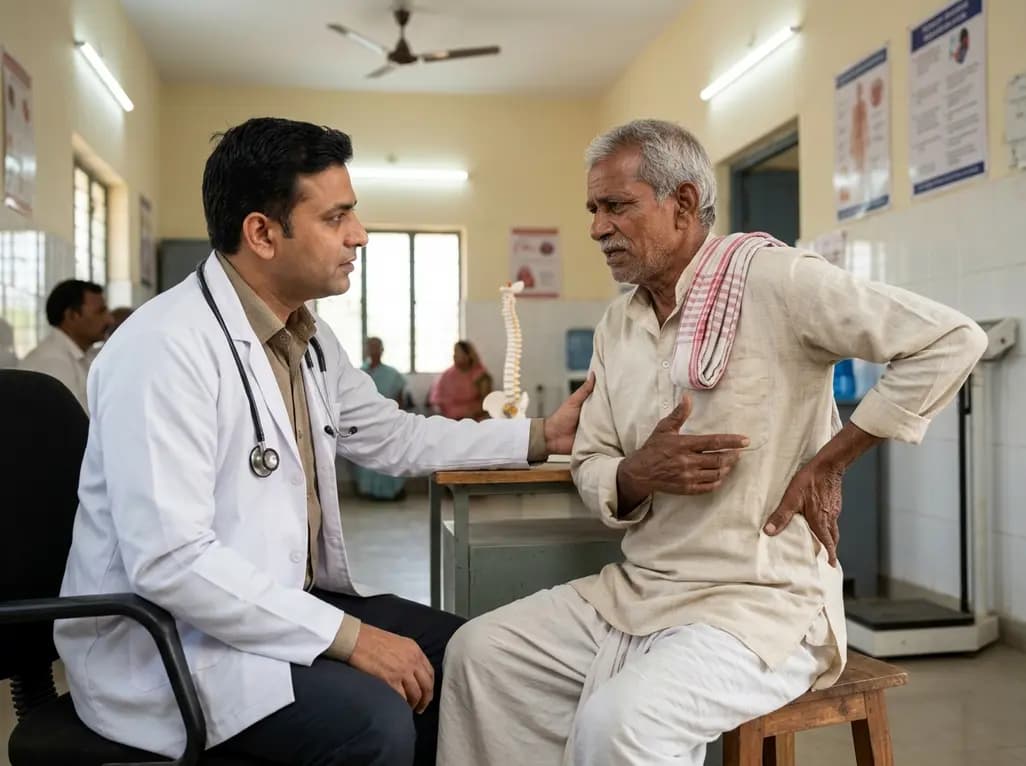
Chronic pain management farmers face unique health challenges due to their heavy workloads. Many farmers see pain as a normal life experience. Consequently, they tend to push through discomfort for long periods. They rarely discuss their pain with others. Moreover, they understand that quick fixes do not exist for chronic conditions. Therefore, they seek sustainable, long-term solutions to stay productive.
Chronic pain affects more than just physical health. Notably, it impacts mental wellbeing and the ability to make clear decisions. Farmers also report that pain harms their personal relationships and costs them significant time and money. Because of these impacts, tailored support is essential. Similarly, research in India shows that rural workers often delay treatment until disability sets in.
Farmers prefer having access to clear and concise education. Specifically, they value advice from their farming peers. Their educational preferences often depend on their age. However, they always prioritize strategies that minimize travel and time investment. This is because farming schedules are often very demanding. Additionally, they like to self-manage their symptoms before seeing a professional.
Many farmers are reluctant to seek professional help from surgeons or general practitioners. Instead, they usually try over-the-counter medications first. Although they are open to psychological therapies, they initially struggle to see their relevance. Furthermore, most are receptive to physiotherapy and tailored exercise programs. Clinicians should therefore focus on building trust through empathetic communication.
Conclusion
Farmers represent a resilient but at-risk group that requires targeted clinical interventions. By understanding their unique perspectives, clinicians can provide more effective support. Finally, focusing on evidence-based, farmer-focused approaches will significantly improve their overall quality of life and vocational longevity.
Many farmers view pain as a normal consequence of their daily labor. Additionally, they often prioritize farm productivity over their personal health, leading to a culture of endurance rather than treatment.
Farmers generally prefer self-management strategies, such as over-the-counter medications and physical therapies. However, they are also receptive to exercise programs if the interventions are convenient and time-efficient.
Clinicians should provide clear, concise, and farmer-friendly education. Moreover, involving peers in the support process and utilizing telehealth to reduce travel can significantly increase treatment adherence.
Disclaimer: This content is for informational and educational purposes only and does not constitute medical advice. Always seek the advice of a qualified healthcare provider with any questions regarding a medical condition. Refer to the latest local and national guidelines for clinical practice.
References
Koralegedera I et al. Farmers' Perspectives on Chronic Pain and Chronic Pain Management Strategies. J Agromedicine. 2026 Jun 16. doi: 10.1080/1059924X.2026.2686371. PMID: 42299733.
Advances in Consumer Research. Pain perception and Coping Strategies Among Agricultural Farmers with Low Back Pain in Mizoram: A Community-Based Cross-Sectional Study. 2025.
Healthcare Radius. Why India needs stronger focus on pain management: Nationwide survey by RusanMed. 2025.

Read summarized clinical updates, watch expert medical content, and earn CME certifications right from your smartphone.
Open your smartphone camera to scan and install.





Chronic pain is a significant burden for farmers, who often view it as a normal part of life. This article explores farmer perspectives on pain management, highlighting preferences for self-care, peer support, and tailored educational approaches to improve clinical outcomes in rural communities.
4 months ago

As monsoon seasons elevate arboviral disease threats, Tamil Nadu has initiated an ICMR-monitored evaluation of the tetravalent dengue vaccine in Tenkasi district. Clinicians emphasize clinical monitoring, public prevention, and high-quality early pediatric care to reduce disease morbidity across endemic regions.
Today

Leucine Rich Bio has introduced South Asia's first comprehensive vaginal microbiome test, BugSpeaks. By profiling microbial dysbiosis, pathogens, and antimicrobial resistance, this next-generation diagnostic platform provides clinicians with deeper insights into recurrent infections, fertility, and reproductive health.
Today

Review how tailored exercise programs benefit frail older patients with heart failure. Explore pathophysiological mechanisms, individualized training prescriptions, and strategies to overcome adherence barriers in clinical practice.
Today

This comparative study evaluates posterior labral tears with and without glenohumeral instability, highlighting distinct demographic patterns, MRI underestimation in stable shoulders, and successful arthroscopic repair outcomes.
Today

A clinical study demonstrates that early intervention with tocilizumab, either as monotherapy or bridged with corticosteroids, achieves significant proptosis reduction and resolves active inflammation in treatment-naive thyroid eye disease.
Today
