

Loading, please wait...
Loading, please wait...

Childhood vaccination rates in Michigan have experienced a significant decline during the first year of the current administration. A recent Reuters analysis of state data highlights a sharp drop in immunization coverage among toddlers. Consequently, public health experts are raising alarms about the influence of vaccine-skeptic rhetoric on national health policies. Michigan serves as a critical indicator because it provides monthly updates, unlike many other states that lag in reporting.
The analysis focused on toddlers completing a vital series of seven vaccinations by their third birthday. This series includes protections against measles, mumps, rubella, whooping cough, and hepatitis B. Data shows that the completion rate fell by nearly three percentage points to 66.5% within a single year. Furthermore, this decline is thirteen times greater than the average annual change observed over the last two decades. Only the COVID-19 pandemic and the 2008 financial crisis caused steeper drops in the state's history.
White and Hispanic toddlers represent the demographics with the most substantial declines. Experts suggest that repeated attacks on vaccine safety primarily influenced white families. In contrast, ramped-up immigration enforcement reportedly kept many Hispanic families away from public health clinics. Therefore, a combination of political rhetoric and social fear is eroding long-standing public health benchmarks.
Health officials note that Michigan's 2025 immunization trends are particularly distinct. Vaccination rates had previously stabilized following the pandemic disruptions. However, new federal messaging has introduced doubt and confusion among many families. For example, the dismantling of traditional vaccine advisory boards has upended the recommendation process. This shift has normalized the decision to delay or skip essential shots, which was previously a fringe practice.
Infectious disease risks are rising as a direct result of these lower numbers. Michigan has already seen surges in whooping cough cases, while other states battle measles outbreaks. Medical professionals emphasize that every unvaccinated child increases the risk for immunocompromised adults and infants. Moreover, high rates of vaccination are the only proven method to prevent large-scale disease outbreaks in the community.
Q1: What factors contributed to the decline in Michigan's childhood vaccination rates?
The decline is attributed to a combination of anti-vaccine rhetoric at the federal level and increased deportation fears among immigrant communities, which deterred families from visiting clinics.
Q2: Why is the drop in MMR vaccination specifically concerning?
The MMR vaccine protects against measles, a highly contagious disease. Declining rates increase the likelihood of outbreaks, similar to those recently seen in Texas and South Carolina.
Disclaimer: This content is for informational and educational purposes only. It does not constitute medical advice or replace professional judgment. Refer to the latest local and national guidelines for clinical practice.
References

Read summarized clinical updates, watch expert medical content, and earn CME certifications right from your smartphone.
Open your smartphone camera to scan and install.





Michigan reports a sharp drop in toddler vaccination rates, linked to RFK Jr's rhetoric and immigration fears, sparking concerns over future disease outbrea...
7 months ago
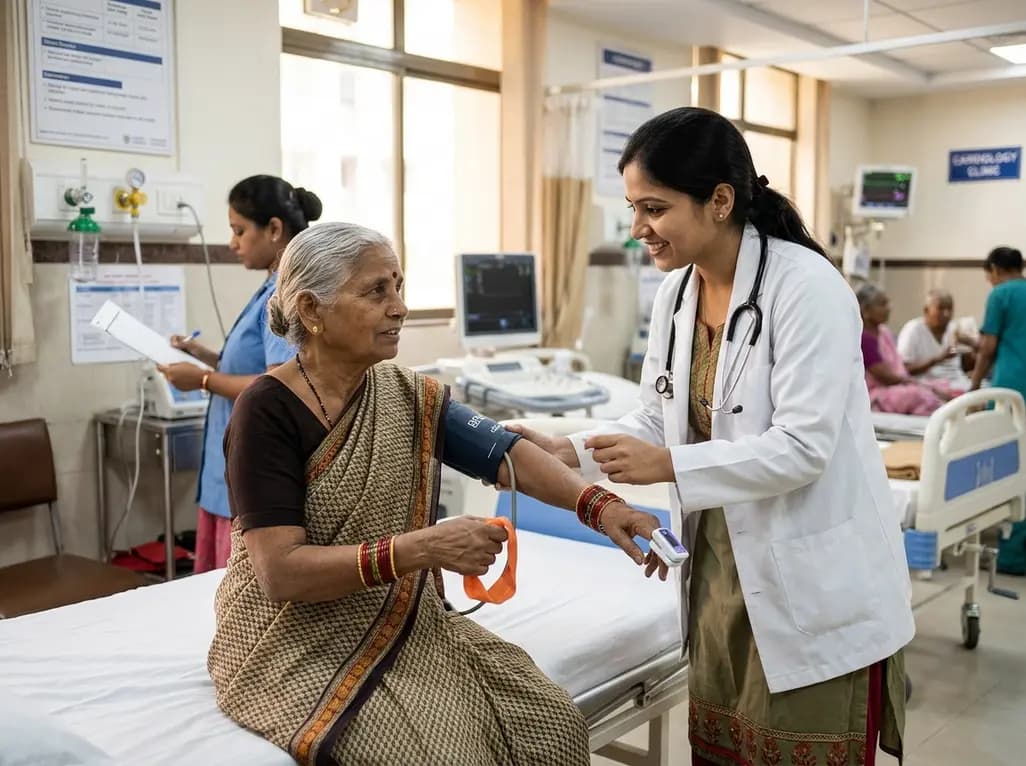
Review how tailored exercise programs benefit frail older patients with heart failure. Explore pathophysiological mechanisms, individualized training prescriptions, and strategies to overcome adherence barriers in clinical practice.
Today

Leucine Rich Bio has introduced South Asia's first comprehensive vaginal microbiome test, BugSpeaks. By profiling microbial dysbiosis, pathogens, and antimicrobial resistance, this next-generation diagnostic platform provides clinicians with deeper insights into recurrent infections, fertility, and reproductive health.
Today
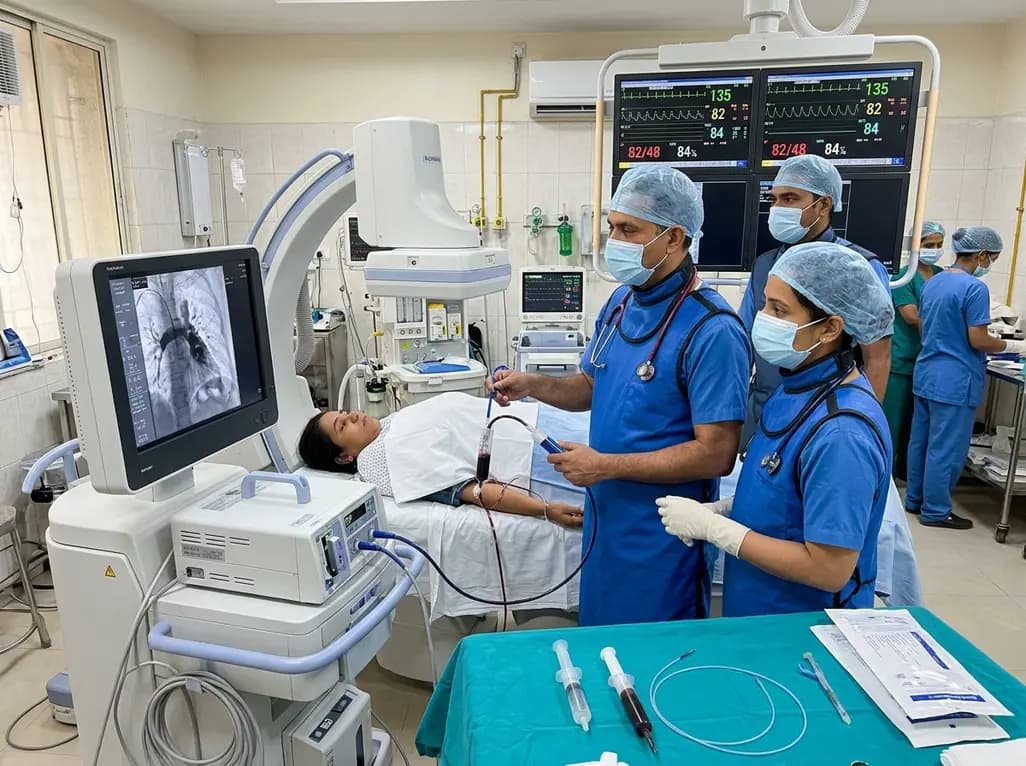
In high-risk pulmonary embolism complicated by severe anemia and active uterine bleeding, systemic thrombolysis is contraindicated. Large-bore aspiration thrombectomy provides rapid hemodynamic rescue without fibrinolysis, supported by inferior vena cava filter placement and multidisciplinary critical care.
Today

This comparative study evaluates posterior labral tears with and without glenohumeral instability, highlighting distinct demographic patterns, MRI underestimation in stable shoulders, and successful arthroscopic repair outcomes.
Today

A clinical study demonstrates that early intervention with tocilizumab, either as monotherapy or bridged with corticosteroids, achieves significant proptosis reduction and resolves active inflammation in treatment-naive thyroid eye disease.
Today
