.webp&w=384&q=75)

Loading, please wait...
Loading, please wait...

Childhood obesity in India has reached a critical tipping point according to the World Obesity Atlas 2026. India currently ranks second globally, with over 41 million school-age children living with a high BMI. Consequently, medical professionals are raising alarms about a looming public health crisis. This trend suggests a sharp rise in early-onset chronic diseases among the younger population. Statistics indicate that 14 million of these children live with obesity alone, while the rest are classified as overweight. Therefore, immediate intervention is necessary to curb this growing epidemic before the healthcare system becomes overwhelmed.
The report provides a grim outlook for the next two decades. By 2040, the number of Indian children living with obesity could reach 20 million. Furthermore, nearly 56 million children may fall into the overweight or obese category. This surge will likely lead to an increase in chronic conditions. For instance, cases of BMI-related hypertension are expected to rise from 2.99 million to 4.21 million. Additionally, hyperglycaemia and metabolic dysfunction-associated steatotic liver disease (MASLD) show similarly worrying upward trends. Clinicians must prepare for a significant influx of pediatric patients with cardiovascular risk factors. Because of these projections, the World Obesity Federation emphasizes the need for urgent government-led prevention programs.
Several lifestyle factors contribute to the rising rates of childhood obesity in India. Currently, nearly 74% of Indian adolescents do not meet the recommended levels of physical activity. Moreover, only 35.5% of school-age children have access to regular school meals. Sub-optimal breastfeeding practices affect about 32.6% of infants, which can influence long-term metabolic health. In addition, the prevalence of high BMI among women of childbearing age remains significant at 13.4%. These interconnected issues create a complex challenge for healthcare providers. However, improving early nutrition and promoting active lifestyles can mitigate some of these risks. Therefore, a multidisciplinary approach involving pediatricians and nutritionists is essential for effective management.
Q1: What is the current rank of India in global childhood obesity?
India ranks second globally, following only China, in the total number of children living with obesity and overweight conditions.
Q2: Which chronic conditions are linked to the rise in pediatric BMI?
Commonly linked conditions include hypertension, hyperglycaemia, high triglycerides, and metabolic dysfunction-associated steatotic liver disease (MASLD).
Q3: What are the primary lifestyle factors identified in the report?
The report highlights low physical activity levels among adolescents and sub-optimal breastfeeding practices as key contributing factors.
Disclaimer: This content is for informational and educational purposes only. It does not constitute medical advice or replace professional judgment. Refer to the latest local and national guidelines for clinical practice.
References

Read summarized clinical updates, watch expert medical content, and earn CME certifications right from your smartphone.
Open your smartphone camera to scan and install.





The World Obesity Atlas 2026 report reveals India ranks second globally with 41 million children affected by obesity, warning of a looming public health cri...
7 months ago
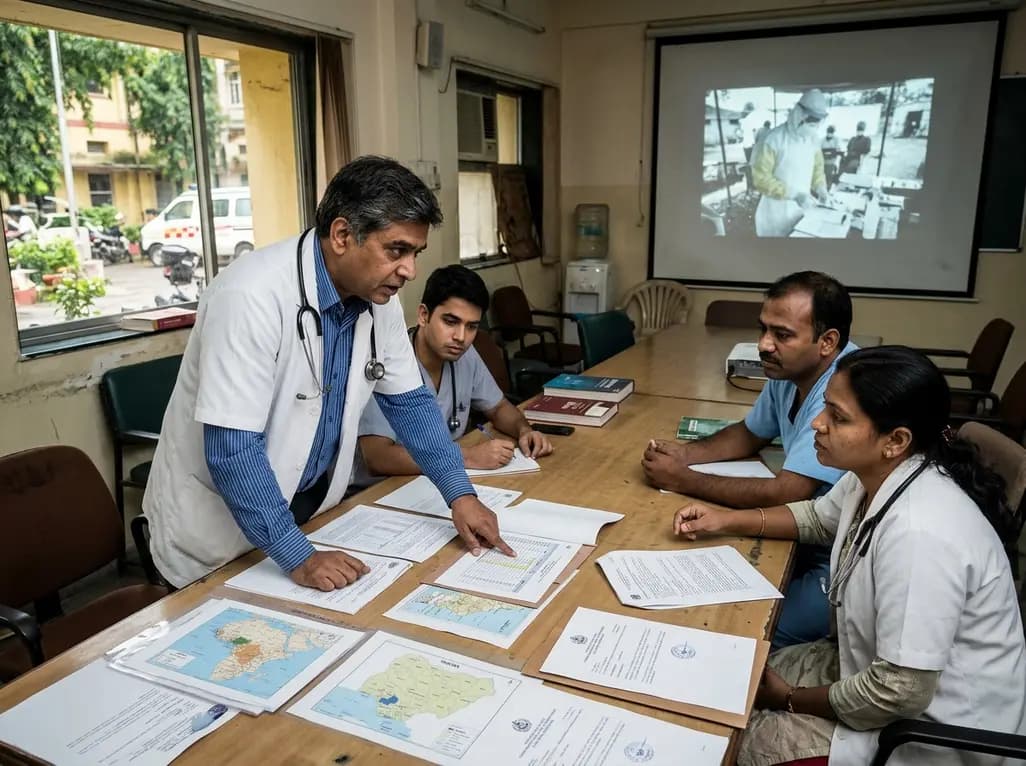
Following Nigeria's first recorded Ebola case linked to regional travel, the Africa CDC has convened an emergency ministerial summit. This alert underscores critical clinical priorities for healthcare professionals, including differentiating early viral infection from malaria, implementing barrier nursing, and triage.
Today

Leucine Rich Bio has introduced South Asia's first comprehensive vaginal microbiome test, BugSpeaks. By profiling microbial dysbiosis, pathogens, and antimicrobial resistance, this next-generation diagnostic platform provides clinicians with deeper insights into recurrent infections, fertility, and reproductive health.
Today

Review how tailored exercise programs benefit frail older patients with heart failure. Explore pathophysiological mechanisms, individualized training prescriptions, and strategies to overcome adherence barriers in clinical practice.
Today

This comparative study evaluates posterior labral tears with and without glenohumeral instability, highlighting distinct demographic patterns, MRI underestimation in stable shoulders, and successful arthroscopic repair outcomes.
Today

A clinical study demonstrates that early intervention with tocilizumab, either as monotherapy or bridged with corticosteroids, achieves significant proptosis reduction and resolves active inflammation in treatment-naive thyroid eye disease.
Today
