

Loading, please wait...
Loading, please wait...
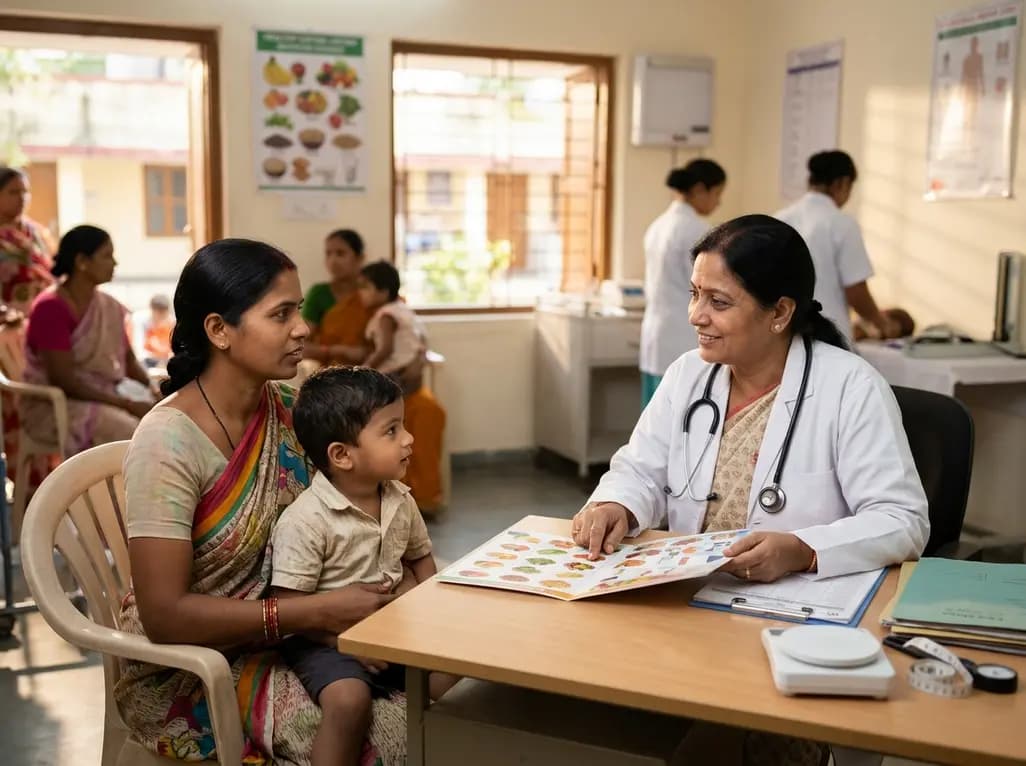
Addressing childhood malnutrition in India remains one of the most critical public health imperatives of our modern era. Although macroeconomic indicators frequently project robust national progress, real developmental resilience depends fundamentally on the physical and cognitive health of our youngest citizens. Clinicians, policymakers, and public health practitioners must therefore confront the hidden nutritional vulnerabilities that restrict long-term human capital. When healthcare professionals examine early childhood development, they recognize a fundamental truth. Early metabolic and neurological growth establishes the lifelong baseline for personal health. Consequently, India must prioritize targeted pediatric nutritional investments today. By strengthening maternal-infant care, the healthcare system secures the nation's broader socioeconomic future.
Recent clinical data from the National Family Health Survey highlights both measurable progress and persistent diagnostic challenges across the nation. For instance, childhood stunting rates have declined from previous highs to 29.3 percent. Additionally, severe wasting has decreased to 5.2 percent among young cohorts. However, acute wasting still affects roughly 19 percent of Indian children, while nearly one-third remain severely underweight. These epidemiological figures demonstrate that acute and chronic undernutrition continue to threaten pediatric growth trajectories.
Furthermore, these clinical indicators underline deep regional disparities in primary health infrastructure and dietary adequacy. Primary care physicians frequently encounter children who show subtle signs of micronutrient failure despite normal caloric volume. Iron deficiency anemia, zinc deficiency, and inadequate vitamin intake impair systemic immunity and retard skeletal elongation. Therefore, clinicians cannot rely exclusively on gross caloric measures when evaluating pediatric growth. Instead, healthcare teams must evaluate dietary diversity and bioavailable macro- and micronutrient density during routine well-child visits. Moreover, timely growth charting allows practitioners to spot early deceleration. By identifying subtle growth faltering early, pediatric teams can prevent irreversible developmental compromises before children enter school.
India now confronts a complex epidemiological paradox known as the double burden of malnutrition. While early childhood undernutrition persists across vulnerable communities, adult overweight, obesity, and type 2 diabetes are surging concurrently. Consequently, Indian pediatricians and endocrinologists must examine how early nutritional deprivations program future metabolic susceptibility. The thrifty phenotype hypothesis explains this clinical connection clearly. When a fetus or infant experiences early micronutrient or caloric scarcity, developmental adaptations prioritize survival over metabolic reserves.
Subsequently, if these individuals encounter calorie-dense, processed modern diets during later childhood or adulthood, their metabolic systems malfunction. This mismatch triggers central adiposity, insulin resistance, endothelial dysfunction, and early-onset hypertension. Therefore, adult lifestyle diseases do not originate solely at age forty. Instead, chronic adult illnesses often trace their pathological roots to early infancy. Moreover, maternal undernutrition perpetuates this intergenerational cycle by restricting fetal growth and reducing nephron and beta-cell mass. For this reason, family physicians must treat maternal and infant nutrition as direct preventative cardiology and diabetology. Ultimately, preventive clinical intervention during early childhood offers the most effective defense against the current non-communicable disease epidemic.
The scientific rationale for prioritizing the earliest developmental years finds powerful validation in the work of Nobel laureate James Heckman. The famous Heckman Curve demonstrates that investment in human capital delivers its greatest economic and biological returns during early infancy. Specifically, quality early childhood interventions generate estimated annual economic returns between 7 and 13 percent. In contrast, remedial interventions provided during late schooling or adult job training yield significantly lower societal returns. This economic reality reflects basic neurobiology.
During the first six years of life, the human brain forms synaptic connections at an astounding developmental velocity. Moreover, adequate protein intake, fatty acids, iron, and iodine are indispensable biochemical building blocks for this neural arborization. When severe nutrient deficits disrupt this structural phase, the resulting cognitive and executive deficits become largely permanent. Consequently, even top-tier primary schools cannot fully repair cognitive pathways damaged during early critical windows. Pediatric practitioners must communicate this reality to parents and healthcare administrators. Investing resources in early maternal-infant nourishment represents essential neurodevelopmental preservation rather than mere charity. In addition, early sensory and social stimulation enhances these biological nutritional gains. Thus, timely clinical guidance during the first thousand days protects human cognitive potential.
Paradoxically, childhood nutritional deficits across India do not stem from absolute food scarcity. The United Nations Environment Programme Food Waste Index Report 2024 reveals that India wastes roughly 78 to 80 million tonnes of food annually. Meanwhile, millions of pediatric patients endure caloric and micronutrient deficiencies. Therefore, the core challenge facing Indian public health is not agricultural production, but logistical distribution. A persistent last-mile gap separates surplus nutrition from vulnerable children.
Furthermore, simply distributing excess bulk grains fails to solve childhood stunting or wasting. Young children require a precise matrix of bioavailable proteins, essential fatty acids, and absorbable vitamins to support tissue synthesis. Resolving this mismatch demands systematic coordination between supply chains, technology platforms, and local community health workers. For example, cold chain logistics, decentralized fortified meal processing, and digital supply tracking can deliver perishable nutrients to remote settlements safely. When logistics systems optimize food distribution, communities bridge nutritional divides without excessive agricultural resource strain. In addition, localized grain fortification enhances daily vitamin intake. Consequently, clinicians must advocate for supply chain reforms that view food distribution as a critical arm of preventative public health.
Fortunately, innovative organizational partnerships are demonstrating practical pathways to close the distribution gap. For instance, Feeding India uses digital logistics and community donations to supply nutritious meals to over 140,000 children daily. Similarly, The Akshaya Patra Foundation operates massive mechanized kitchens that prepare fresh, hygienic midday meals for over two million school students every day. In western India, the Naik Foundation prepares and distributes nutritious meals across Maharashtra and Gujarat using certified commercial kitchens.
However, distributing wholesome food addresses only one dimension of long-term pediatric wellbeing. Educational institutions must simultaneously cultivate proactive dietary literacy. Programs like the Eat Well Live Well initiative in Delhi schools illustrate this pedagogical evolution. By teaching children about balanced nutrition, processed food hazards, and active living, educators empower youngsters to develop protective lifestyle habits early. As these children mature into adulthood, their internalized dietary knowledge shields them against metabolic disease. Therefore, medical professionals should collaborate closely with local schools and anganwadi centers. Furthermore, sustained community workshops reinforce healthy cooking techniques at home. Combining reliable public food provision with structured nutritional education builds resilient biological foundations for future generations.
Q1: How does early childhood undernutrition contribute to adult chronic disease?
Early nutritional deficits prompt adaptive metabolic changes during critical fetal and infant windows. The growing body permanently downregulates insulin sensitivity and reduces pancreatic beta-cell mass to conserve scarce energy. However, when children encounter calorie-dense modern diets later, this physiological adaptation fails. Consequently, individuals face heightened risks of severe central adiposity, insulin resistance, dyslipidemia, and cardiovascular pathology. Clinicians recognize this developmental programming as the thrifty phenotype hypothesis.
Q2: Why does food surplus fail to eradicate child stunting and wasting in India?
National agricultural surplus does not automatically translate into physiological nourishment for vulnerable toddlers. Although national production yields abundant staple calories like rice and wheat, growing children require high-biological-value protein and dense micronutrients. Furthermore, distribution bottlenecks, localized poverty, and food waste prevent wholesome foods from reaching underserved households. Therefore, overcoming childhood wasting requires dedicated last-mile logistics, cold chains, community nutrition centers, and targeted supplementation rather than simply releasing bulk cereal grains.
Q3: What role should practicing doctors play in school nutrition programs?
Physicians should champion school nutrition policies beyond the clinical setting. Healthcare providers can evaluate midday meal compositions to ensure adequate bioavailable iron, zinc, and protein content. Furthermore, clinicians can conduct nutritional literacy sessions that teach students, parents, and educators about ultra-processed food hazards. By collaborating with public health initiatives, doctors help instill positive dietary habits that protect young people from developing hypertension, type 2 diabetes, and obesity later in life.
Disclaimer: This content is for informational and educational purposes only. It does not constitute medical advice or replace professional judgment. Refer to the latest local and national guidelines for clinical practice.
References

Read summarized clinical updates, watch expert medical content, and earn CME certifications right from your smartphone.
Open your smartphone camera to scan and install.





Childhood malnutrition in India presents a complex double burden of persistent stunting and emerging metabolic risk. Addressing this urgent pediatric crisis demands early nutritional interventions, robust last-mile food delivery systems, and lifelong nutrition literacy across schools and healthcare facilities.
Today
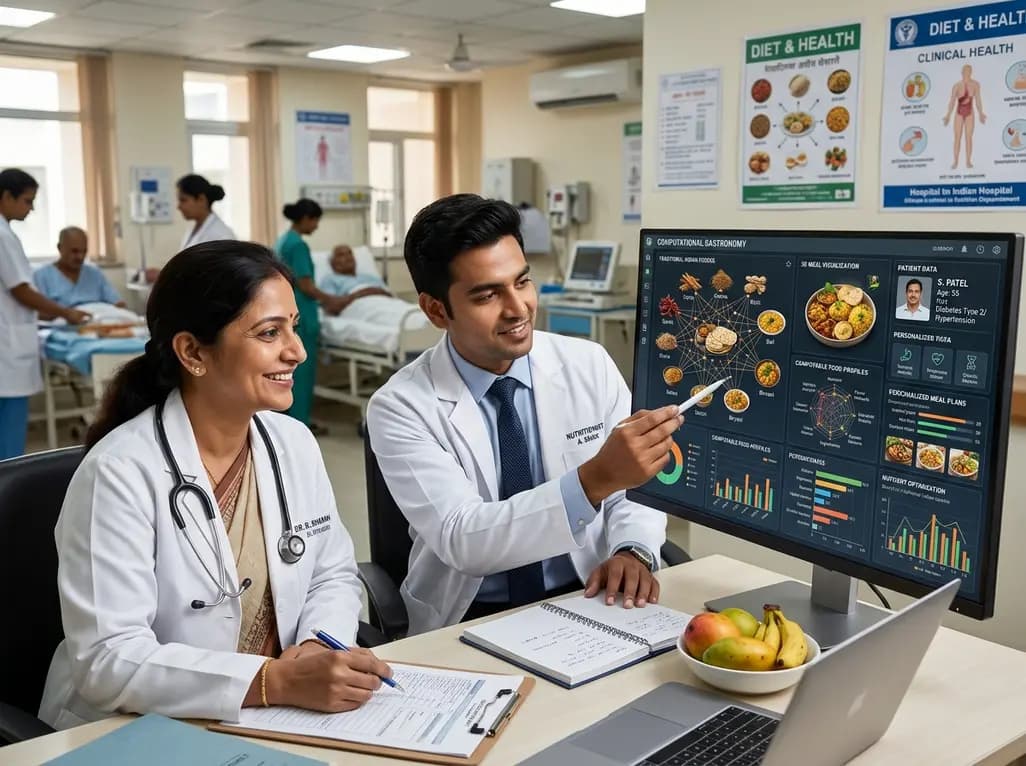
Explore how computational gastronomy and artificial intelligence transform clinical nutrition. By making food computable, clinicians can tailor culturally acceptable, disease-specific dietary interventions that effectively address India's dual burden of malnutrition and non-communicable diseases.
Today

The GESS-AEEM consensus establishes a clear clinical implementation framework for testosterone therapy in postmenopausal women with hypoactive sexual desire disorder, focusing on transdermal dosing, precise laboratory monitoring, and safety communication.
Today

A Bayesian component network meta-analysis of 130 RCTs reveals that self-monitoring and gamification provide the clearest positive effects in mHealth physical activity interventions, while social comparison may have adverse psychological trade-offs.
Today
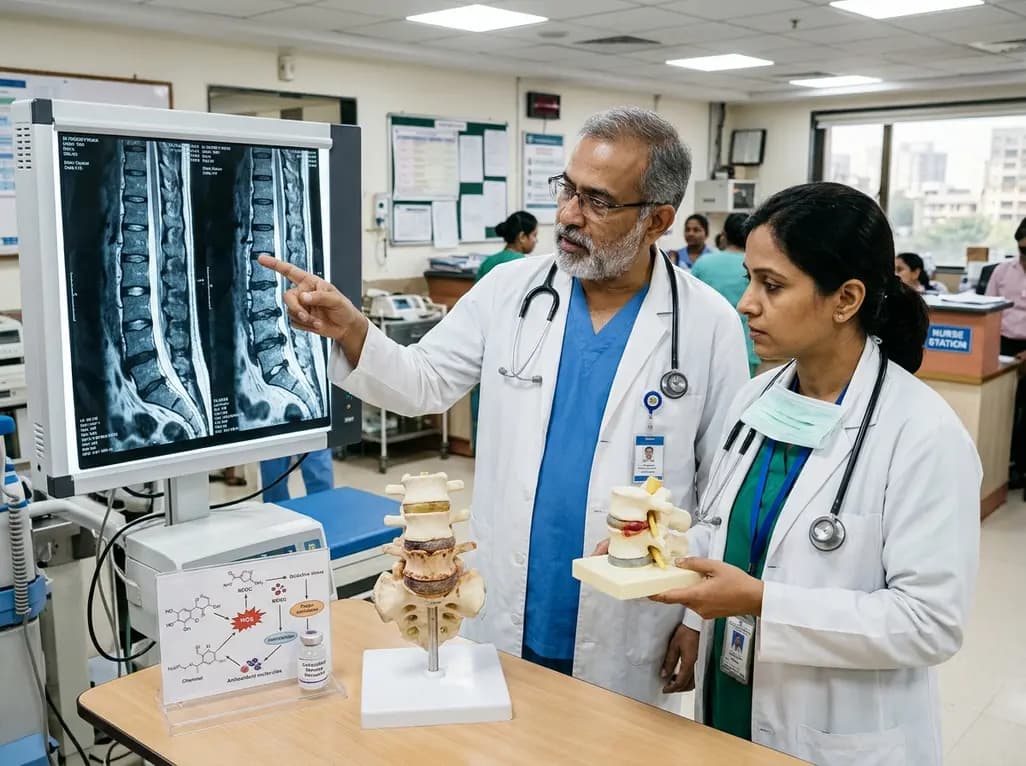
Intervertebral disc degeneration is a primary driver of chronic low back pain. Emerging evidence highlights reactive oxygen species and redox imbalance as central mechanisms. Targeted antioxidant strategies and biomaterial delivery systems offer promising disease-modifying therapies for spine health.
Today
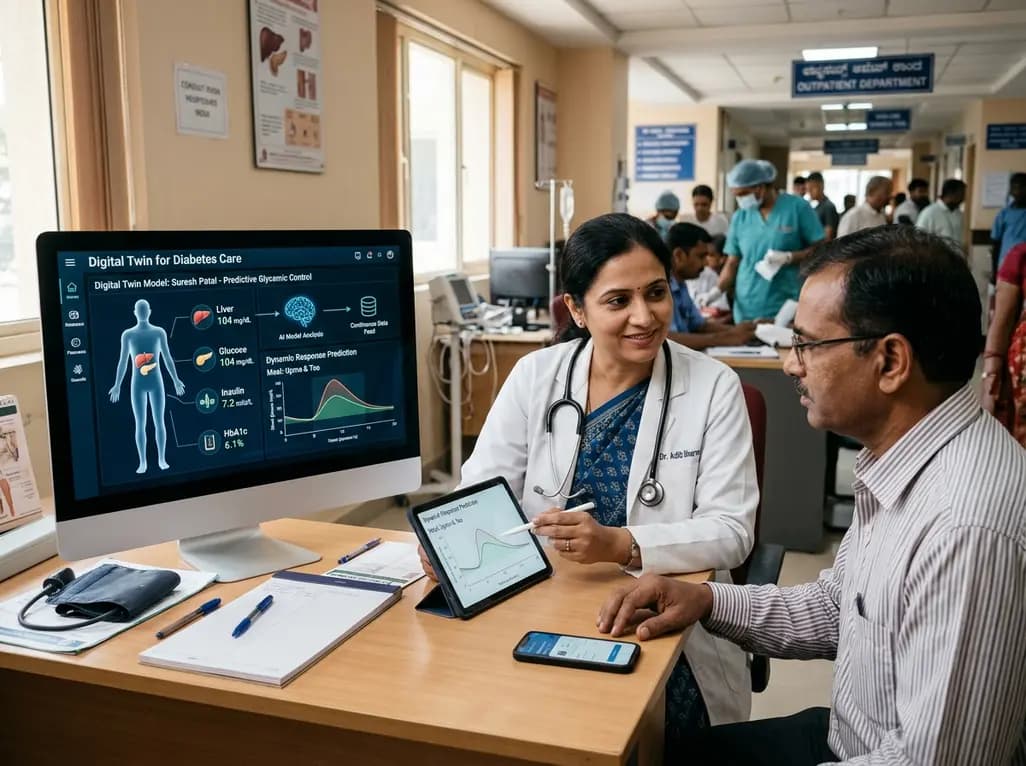
India faces an unprecedented metabolic crisis, with millions living with diabetes and prediabetes. Standard static dietary advice often falls short because individual metabolism fluctuates continuously. AI-driven digital twin models predict meal responses, restore insulin sensitivity, and assist clinical de-escalation.
Today
