

Loading, please wait...
Loading, please wait...
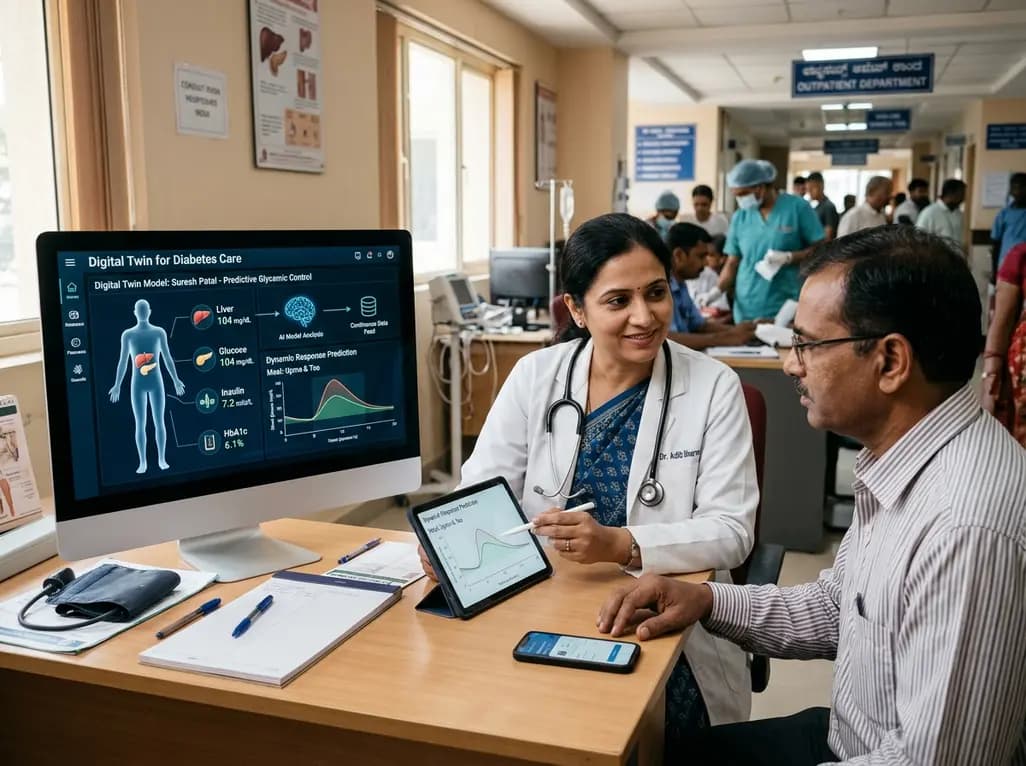
India faces a massive metabolic crisis that challenges clinicians nationwide. According to the landmark ICMR-INDIAB study, more than 100 million individuals live with diabetes, while another 136 million suffer from prediabetes. In addition, hypertension, dyslipidemia, and metabolic dysfunction-associated steatotic liver disease are climbing rapidly. Standard lifestyle prescriptions typically rely on generic advice such as reducing carbohydrate portions or increasing daily walking. However, this generalized guidance fails because metabolism varies widely among patients. Emerging clinical solutions, particularly digital twin precision nutrition, offer an innovative approach to metabolic care. By integrating continuous biological data with artificial intelligence, digital twin precision nutrition provides dynamic, root-cause metabolic therapy.
Conventional dietary recommendations often assume that a single balanced eating pattern fits every adult. However, widely promoted nutritional frameworks present stark contradictions. For instance, ketogenic regimens restrict carbohydrates to five percent of daily energy, whereas the Ornish diet advocates seventy-five percent. Similarly, recommended fat proportions swing from seven to seventy-five percent. Although each program claims metabolic superiority, their opposing mechanisms generate conflicting physiological outcomes. Consequently, prescribing an arbitrary ratio provides minimal clinical benefit for individual patients.
Furthermore, conventional consultations rely on static dietary sheets that ignore temporal physiological shifts. Human metabolism changes dynamically across hours and days. A patient might tolerate a portion of rice and lentils successfully on Monday. However, that identical meal can induce marked hyperglycemia on Tuesday after psychological distress or poor sleep. In fact, clinical research confirms that a single night of partial sleep restriction acutely reduces whole-body insulin sensitivity. Static dietary plans only observe food intake rather than real-time biological adaptation. Therefore, effective nutritional intervention requires continuous monitoring and individualized physiological assessment.
To overcome static limitations, whole-body digital twin technology builds a dynamic computational model of patient metabolism. In fact, the system continuously aggregates multiple data streams. These inputs include continuous glucose sensor telemetry, wearable biometric metrics, laboratory biomarkers, medication schedules, and dietary logs. Moreover, through machine learning algorithms, the platform calculates predictive glycemic and insulin responses for prospective meals. Consequently, the technology generates personalized recommendations for food selection, physical activity, and sleep hygiene.
Crucially, the platform optimizes insulin demand rather than basic caloric balance. Caloric equivalency does not reflect metabolic equivalence. For example, one hundred calories of leafy vegetables elicit drastically different neuroendocrine and satiety responses compared to refined carbohydrates. The algorithm communicates dietary guidance via an intuitive traffic light visual framework. Green selections indicate optimal metabolic stability, while orange and red markers suggest higher glycemic variability. When a dish registers as orange, the software suggests immediate corrective levers. These actions include altering food sequencing, reducing carbohydrate volume, or taking a short postprandial walk. As insulin sensitivity recovers over time, previously restricted foods safely migrate to the green category.
Rather than obsessing over macronutrient ratios alone, dynamic digital modeling optimizes three distinct physiological layers simultaneously. First, the algorithm personalizes macronutrients by evaluating predicted insulin demand alongside lean tissue preservation. Skeletal muscle represents the primary insulin-sensitive glucose sink in the human body. Therefore, the system sets individualized protein and resistance targets to safeguard against sarcopenia.
Second, the platform evaluates micronutrient adequacy with particular attention to bioavailability. Dietary consumption does not guarantee cellular absorption. For example, serum magnesium reflects barely one percent of total systemic stores, meaning routine blood tests frequently obscure intracellular depletion. Furthermore, the platform identifies these discrete micronutrient gaps and corrects them systematically.
Third, the framework personalizes biota nutrients to support the gastrointestinal microbiome. Gut microbial ecology directly influences systemic inflammation, satiety hormones, and peripheral insulin resistance. Consequently, the digital twin prescribes tailored targets for dietary fiber, prebiotics, and probiotics. Traditional Indian culinary techniques, such as soaking, sprouting, and fermenting legumes, significantly enhance micronutrient bioavailability. By individualizing the timing and quantity of these indigenous foods, clinicians can optimize metabolic responses without enforcing restrictive Western dietary patterns.
The recent patent expiration of semaglutide in India has significantly increased patient access to generic GLP-1 receptor agonists. These agents demonstrate robust clinical efficacy in reducing glycosylated hemoglobin and promoting weight loss. Furthermore, large trials establish their cardioprotective and nephroprotective benefits. However, widespread clinical use has exposed several substantial challenges that clinicians must navigate carefully.
First, post-treatment weight regain remains common. In the STEP 1 extension study, participants regained approximately two-thirds of lost body weight within one year of medication cessation. Second, significant weight reduction often involves disproportionate loss of skeletal muscle mass. In addition, profound appetite suppression frequently leads to inadequate protein and micronutrient ingestion. Finally, potent pharmacological suppression masks underlying metabolic deficits, creating a false impression of dietary tolerance.
Digital twin technology provides an essential metabolic partner during pharmacotherapy. Specifically, the system monitors adequate protein consumption and promotes resistance exercise to prevent sarcopenia. Furthermore, the platform isolates true physiological responses from drug-induced masking. As hepatic steatosis and peripheral insulin sensitivity resolve, the system provides longitudinal data that empowers physicians to taper medications safely.
Robust clinical trial data support the therapeutic efficacy of digital twin platforms in managing metabolic disorders. Early research documented meaningful reversal of type 2 diabetes through algorithmically guided precision nutrition. Subsequently, investigators evaluated cardiovascular endpoints in patients presenting with concurrent hypertension and dysglycemia. In a one-year randomized controlled trial published in JACC: Advances, 68.2 percent of participants in the digital twin cohort discontinued antihypertensive medications completely. Moreover, they maintained normal blood pressure throughout the study. In contrast, zero percent of standard-care participants discontinued antihypertensive therapy.
More recently, a landmark randomized controlled trial led by the Cleveland Clinic appeared in NEJM Catalyst. Investigators evaluated the digital twin intervention against standard primary care over twelve months. Remarkably, 71 percent of intervention participants attained an HbA1c below 6.5 percent without glucose-lowering drugs other than metformin. Conversely, only 2.4 percent of usual-care subjects achieved this threshold. Furthermore, intervention participants achieved a mean HbA1c reduction of 1.3 percentage points, compared to 0.3 percentage points in standard care. Average body weight dropped by 8.6 percent in the digital twin arm versus 4.6 percent in controls, demonstrating sustainable physiological improvement.
India stands at a pivotal crossroads in chronic disease management. With expanding digital public infrastructure, advanced computational expertise, and deep nutritional diversity, Indian healthcare can lead the transition toward individualized medicine. However, clinicians must distinguish superficial consumer wellness applications from genuine precision therapeutics. An application that merely tabulates caloric intake does not deliver clinical precision nutrition. Similarly, static meal handouts fail to address dynamic neuroendocrine variability.
Real precision nutrition delivers the correct nutrient composition, in appropriate portions, at the optimal physiological moment. By continuously updating a virtual mathematical model of patient physiology, clinicians can address the underlying root causes of metabolic syndrome. This methodology transitions care away from passive polypharmacy and lifelong disease management. Instead, it offers a scientifically validated pathway toward metabolic flexibility, deprescribing, and durable remission. Consequently, integrating digital twins into routine clinical workflows empowers physicians to achieve measurable cardiometabolic recovery across diverse Indian populations.
Q1: How does a digital twin differ from standard calorie-tracking applications?
Standard calorie-counting applications rely entirely on static user inputs and generic population averages. In contrast, a whole-body digital twin continuously integrates real-time biomarker data. These inputs include continuous glucose monitoring, physical activity, sleep architecture, and laboratory panels. Machine learning algorithms model how specific foods interact with an individual's unique metabolism under shifting physiological conditions. Consequently, the digital twin provides predictive, personalized guidance rather than retrospective macronutrient tallies.
Q2: Why is insulin demand prioritised over simple caloric restriction?
Equal caloric volumes produce profoundly divergent hormonal and metabolic responses depending on nutrient composition and individual insulin sensitivity. For instance, refined carbohydrates trigger acute insulin spikes that suppress lipolysis and promote ectopic lipid storage. In contrast, nutrient-dense whole foods maintain hormonal equilibrium. By directly targeting insulin demand rather than arbitrary caloric limits, digital twin nutrition alleviates pancreatic beta-cell stress. Consequently, this approach restores peripheral insulin sensitivity and promotes sustainable metabolic flexibility.
Q3: How does precision nutrition mitigate the risks of GLP-1 receptor agonist therapy?
GLP-1 receptor agonists frequently induce rapid loss of skeletal muscle mass and micronutrient deficiencies due to extreme appetite suppression. Furthermore, patients often experience significant weight regain following drug cessation. Digital twin technology tracks daily protein intake and resistance exercise to preserve lean mass. Additionally, the platform identifies underlying metabolic improvements during treatment. This provides treating physicians with actionable biological data to execute safe, gradual pharmacotherapy de-escalation.
Disclaimer: This content is for informational and educational purposes only. It does not constitute medical advice or replace professional judgment. Refer to the latest local and national guidelines for clinical practice.
References

Read summarized clinical updates, watch expert medical content, and earn CME certifications right from your smartphone.
Open your smartphone camera to scan and install.





India faces an unprecedented metabolic crisis, with millions living with diabetes and prediabetes. Standard static dietary advice often falls short because individual metabolism fluctuates continuously. AI-driven digital twin models predict meal responses, restore insulin sensitivity, and assist clinical de-escalation.
Today
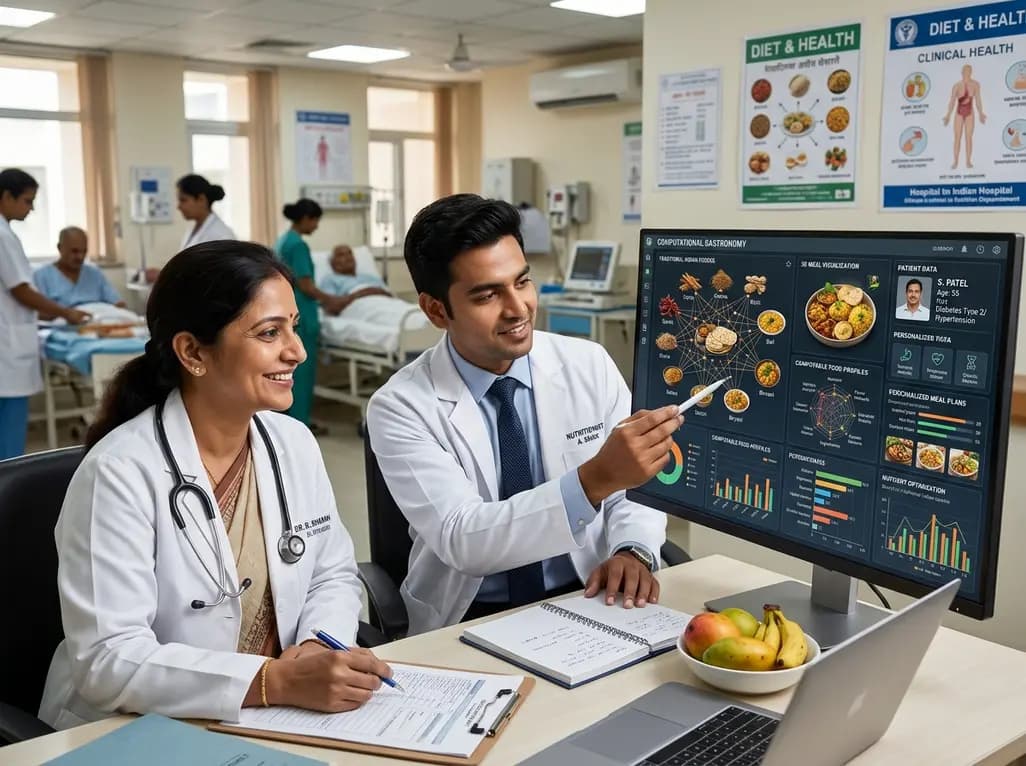
Explore how computational gastronomy and artificial intelligence transform clinical nutrition. By making food computable, clinicians can tailor culturally acceptable, disease-specific dietary interventions that effectively address India's dual burden of malnutrition and non-communicable diseases.
Today

The GESS-AEEM consensus establishes a clear clinical implementation framework for testosterone therapy in postmenopausal women with hypoactive sexual desire disorder, focusing on transdermal dosing, precise laboratory monitoring, and safety communication.
Today

A Bayesian component network meta-analysis of 130 RCTs reveals that self-monitoring and gamification provide the clearest positive effects in mHealth physical activity interventions, while social comparison may have adverse psychological trade-offs.
Today
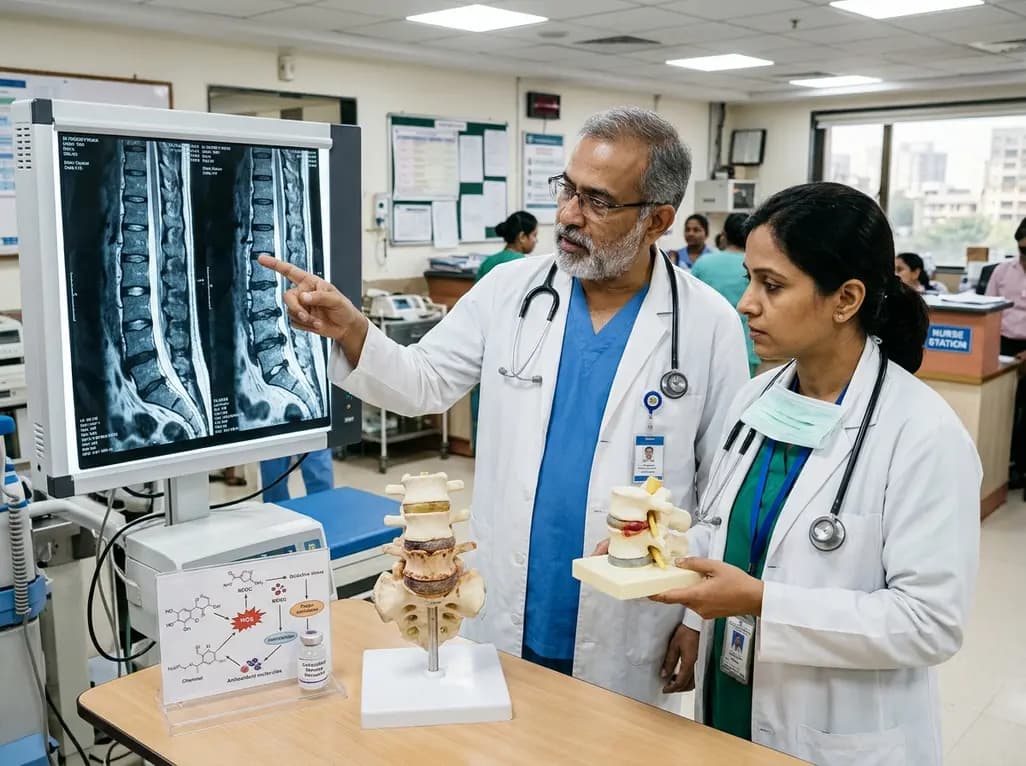
Intervertebral disc degeneration is a primary driver of chronic low back pain. Emerging evidence highlights reactive oxygen species and redox imbalance as central mechanisms. Targeted antioxidant strategies and biomaterial delivery systems offer promising disease-modifying therapies for spine health.
Today
