

Loading, please wait...
Loading, please wait...
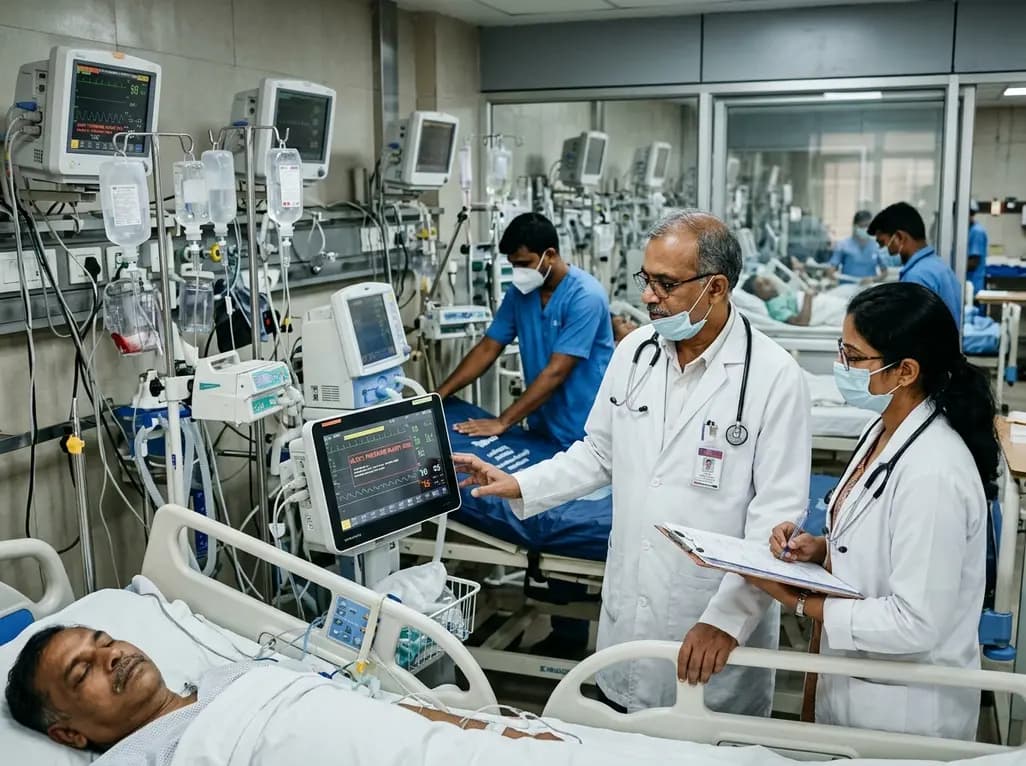
Modern intensive care units require rapid clinical decisions to protect vulnerable patients from preventable complications. Optimizing pressure injury risk management remains an essential clinical priority because critically ill patients frequently experience tissue hypoperfusion, severe edema, and prolonged immobility. Digital health tools, particularly clinical decision support systems, provide a structured method to standardize complex bedside assessments. Healthcare leaders increasingly deploy clinical decision support to guide nursing judgment and reinforce timely preventative measures. However, implementing digital algorithms within fast-paced clinical environments often presents unforeseen operational hurdles. Clinicians must constantly balance computerized reminders with urgent bedside care demands. A newly published mixed-methods evaluation investigated how an automated decision support platform influenced nursing workflows, documentation accuracy, and actual clinical incidence in a tertiary intensive care unit. The investigators examined whether systematic digital guidance reliably translated into measurable reductions in skin injuries. Consequently, understanding these workflow dynamics helps clinical leaders refine technological interventions without disrupting care routines. Furthermore, this investigation emphasizes that computerized tools alone cannot replace clinical intuition or alleviate intense staffing burdens.
The investigators conducted an explanatory sequential mixed-methods trial within a tertiary university hospital intensive care unit. Initially, the quantitative phase monitored clinical workflows across three distinct evaluation periods. During the pre-test baseline phase, observers recorded twenty-six structured nursing evaluations without computerized assistance. Next, post-test one introduced the decision support platform without active alerts, tracking twenty-three comprehensive observations. Finally, post-test two activated real-time digital prompts across twenty-two structured nursing assessments. Concurrently, the researchers tracked pressure injury incidence among one hundred sixty-five critically ill patients across all three phases. Following these quantitative observations, the researchers conducted in-depth qualitative interviews with seven critical care nurses to explore user experiences. This sequential design enabled the study team to contextualize numerical trends through authentic bedside narratives. Therefore, the methodological framework provided balanced insights into both procedural adherence and daily bedside challenges. Additionally, the researchers followed established reporting standards for mixed-methods evaluations, ensuring transparent data collection and rigorous thematic synthesis. The combined approach clearly demonstrated how digital algorithms interact with human judgment during intensive care routines.
The quantitative findings demonstrated substantial improvements in direct nursing compliance. Specifically, risk assessment practice scores rose significantly during post-test one compared with baseline performance. The median score increased from two to three, reflecting a statistically significant enhancement in structured risk documentation. Furthermore, wound care practice scores showed remarkable gains during post-test two following the introduction of real-time alerts. Median scores rose from zero at baseline to one point five during the final intervention stage. These metrics confirm that digital decision aids successfully remind clinicians to perform recommended skin assessments and document detailed wound care plans. Nevertheless, this enhanced documentation did not alter patient outcomes. The overall pressure injury incidence remained virtually static at ten point nine percent across the entire cohort. Specifically, incidence measured nine point sixty-eight percent during the pre-test stage. It reached eleven point sixty-three percent during post-test one and eleven point sixty-seven percent during post-test two. Statistical analysis confirmed no significant difference across these three evaluation periods. Consequently, these results illuminate a critical disconnect between process compliance and physiological outcomes in critical care units.
Qualitative interviews with bedside nurses revealed meaningful insights regarding the daily utility of computerized guidance. Participants predominantly recognized the platform as a comprehensive clinical guide that reinforced safe bedside habits. The software provided instantaneous access to evidence-based preventive strategies, reducing uncertainty during complex clinical scenarios. Additionally, staff commended the automated prompts for standardizing documentation across rotating shifts. Nurses explained that standardized dropdown menus and targeted checklists minimized charting ambiguity. Consequently, handover discussions became more concise and clinically informative. The automated suggestions also empowered junior staff members by clarifying protocol requirements for fragile patients. Furthermore, clinicians appreciated how the software synthesized disparate physiological parameters into actionable risk categories. This automated synthesis saved valuable cognitive effort during high-stress shifts. By centralizing preventive guidelines at the workstation, the system reinforced clinical knowledge and prompted timely preventative dressings. In summary, clinicians viewed the clinical decision support architecture as an educational and structural asset that elevated the standard of documentation. They felt more confident that their skin care assessments adhered strictly to recognized institutional quality guidelines.
Despite enthusiastic praise for its educational value, clinicians highlighted formidable barriers that restricted routine software engagement. Acute workload pressure emerged as the primary operational impediment within the intensive care unit. Critical emergencies, hemodynamic instability, and complex medication titrations frequently superseded computerized skin prompts. When patient stability deteriorated, nurses naturally prioritized life-sustaining interventions over electronic record entries. Furthermore, clinicians reported substantial alert fatigue once real-time notifications became active. Repetitive pop-up windows disrupted clinical concentration and created cognitive irritation during urgent bedside duties. Consequently, several nurses admitted that they routinely bypassed computerized alerts to complete critical tasks without delay. Additionally, existing hospital infrastructure presented physical obstacles to seamless integration. Insufficient bedside workstations forced staff to log into shared computers located far from the patient, delaying timely entry. Therefore, digital solutions alone cannot overcome fundamental environmental constraints such as staff shortages and inadequate equipment. Healthcare institutions must address these practical workflow friction points before expecting computerized algorithms to transform patient safety outcomes. Similarly, leadership must ensure adequate staffing levels and reliable equipment to enable thorough bedside skin preservation.
Although computerized support significantly increased documentation accuracy and wound care adherence, overall pressure injury incidence remained unchanged. Critically ill patients experience complex physiological derangements, including severe hypotension, tissue hypoperfusion, and systemic inflammation. These profound biological factors often cause unavoidable microvascular collapse regardless of frequent risk assessments. Furthermore, persistent environmental barriers like extreme nurse workloads and delayed physical offloading prevented clinicians from translating theoretical risk recommendations into timely preventative interventions at the bedside.
Healthcare facilities can prevent alert fatigue by optimizing trigger thresholds and delivering only clinically actionable, high-priority notifications. Systems should integrate non-disruptive visual cues rather than interruptive pop-up boxes that block immediate charting during emergencies. Additionally, nurse managers must involve bedside clinicians in algorithmic design to eliminate redundant reminders. Periodically auditing alert frequencies and calibrating alert sensitivity based on real-time hemodynamic telemetry also ensures that reminders remain clinically relevant, practical, and respectful of nursing workflows.
Successful implementation requires robust technological infrastructure, dedicated bedside hardware, and manageable nurse-to-patient staffing ratios. Hospitals must provide accessible mobile devices or bedside terminals to prevent documentation delays caused by shared remote computer banks. Furthermore, leadership must cultivate an institutional culture prioritizing collaborative skin care rather than relying solely on automated checklists. Pairing intelligent algorithms with specialized wound care teams, responsive pressure-relieving support surfaces, and protected turning times ensures sustained operational translation into superior patient outcomes.
Disclaimer: This content is for informational and educational purposes only... Refer to the latest local and national guidelines for clinical practice.
References

Read summarized clinical updates, watch expert medical content, and earn CME certifications right from your smartphone.
Open your smartphone camera to scan and install.





A mixed-methods study evaluates clinical decision support for pressure injury risk management in the ICU. While CDSS significantly improved risk assessment and wound care documentation, overall injury incidence remained unchanged due to acute clinical workloads, alert fatigue, and institutional barriers.
Today
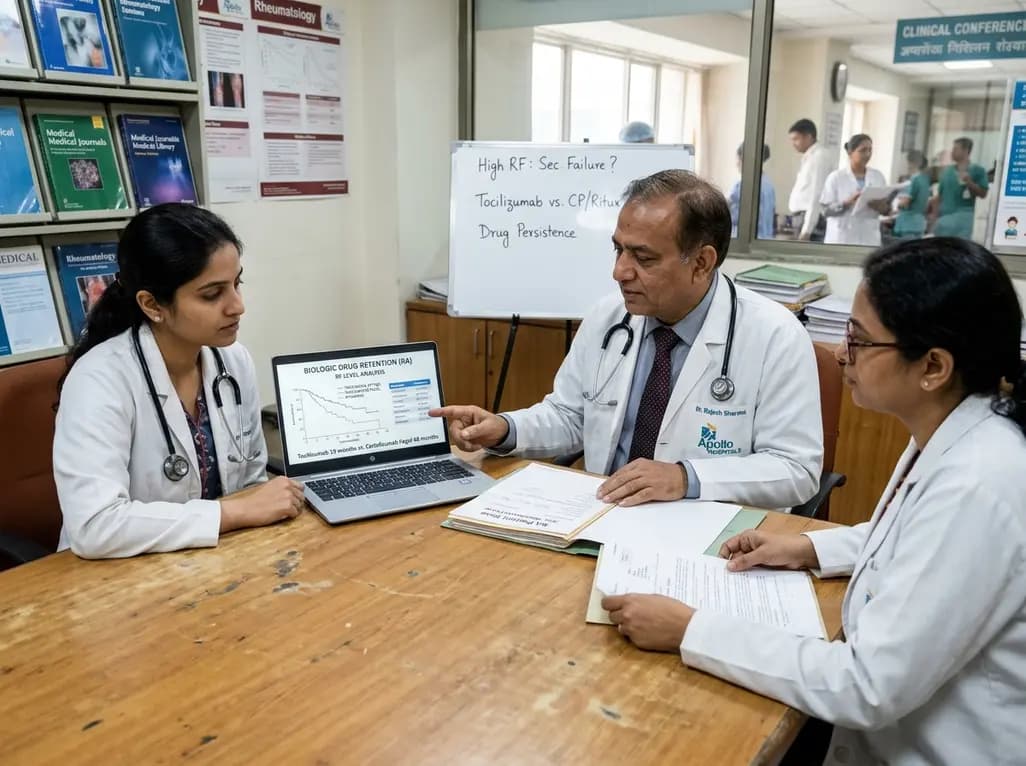
A multicentre study reveals that high baseline rheumatoid factor (>203 IU/mL) independently predicts secondary failure and shorter retention for tocilizumab, but not for certolizumab pegol or rituximab, informing personalized biologic selection in rheumatoid arthritis.
Today
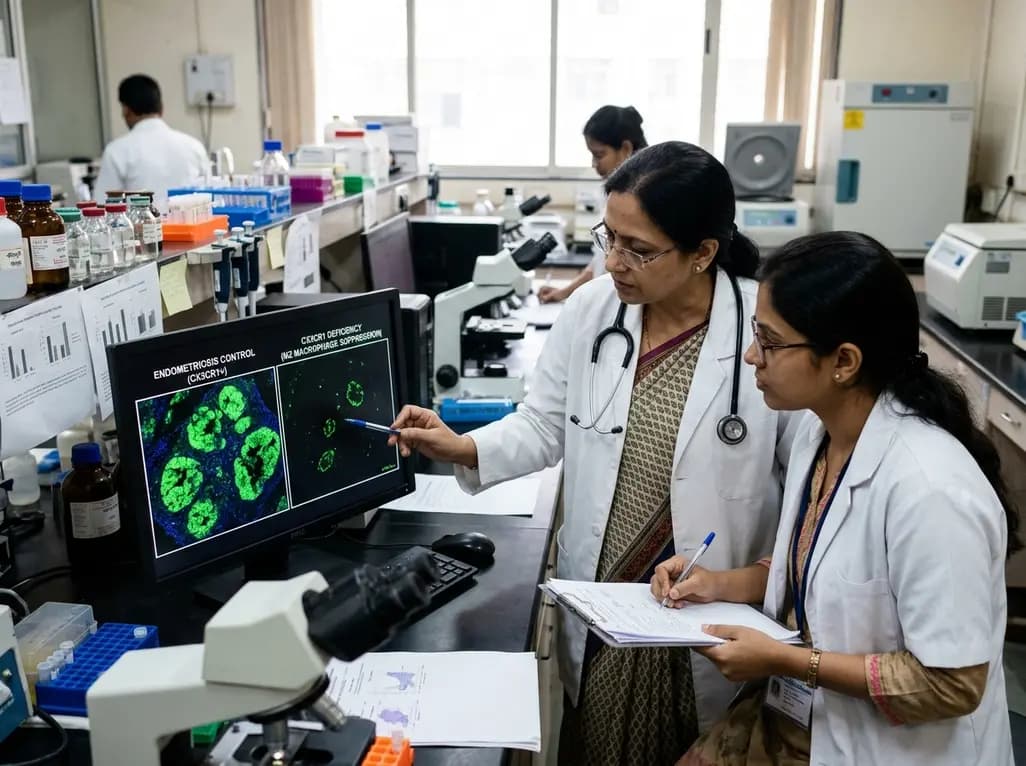
Groundbreaking experimental research demonstrates that CX3CR1 deficiency significantly attenuates endometriotic lesion growth by suppressing pro-repair M2 macrophage polarization. This discovery identifies the CX3CL1-CX3CR1 chemokine axis as a promising non-hormonal target for managing chronic endometriosis.
Today
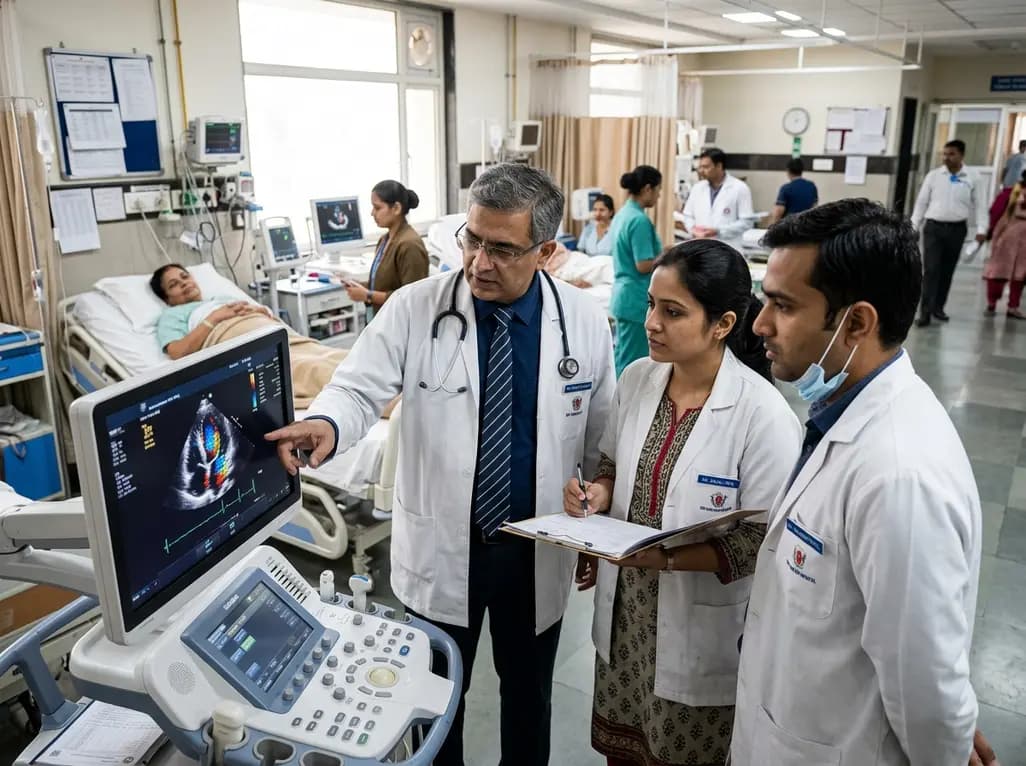
Mayo Clinic trials and real-world datasets show GLP-1 receptor agonists improve left ventricular remodeling, reduce intracardiac filling pressures, decrease hospitalizations by 34%, and lower geriatric fall risks in patients with obesity and heart failure, delivering notable clinical and economic benefits.
Today
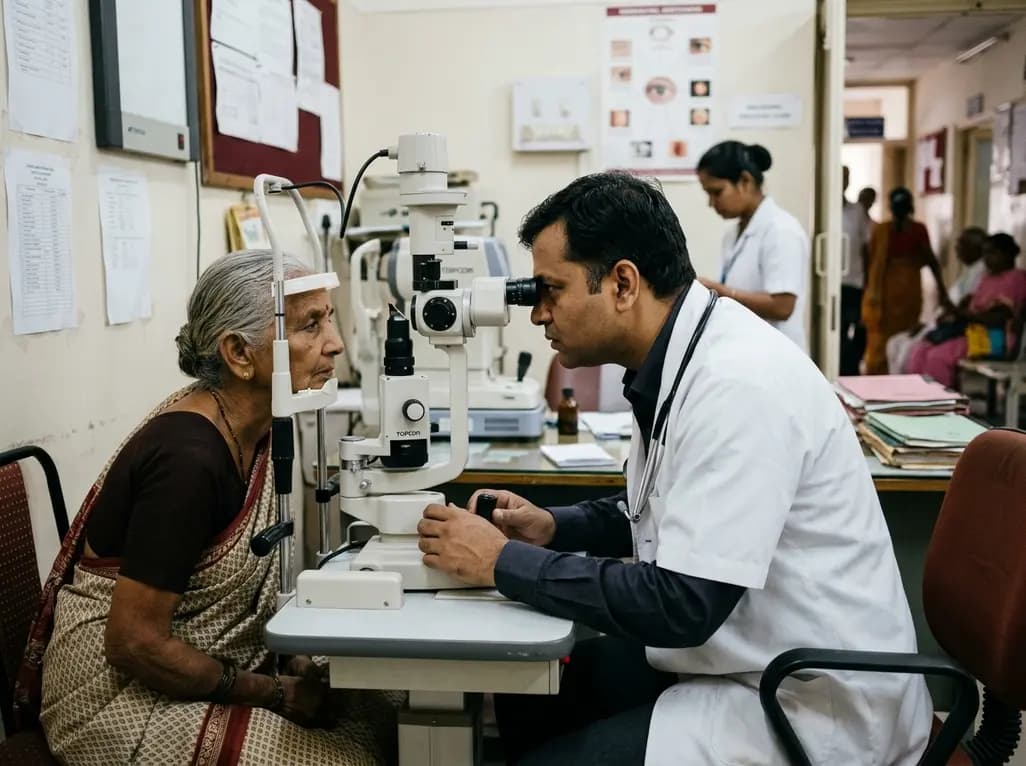
A meta-analysis of 19 studies reveals that 69% of ophthalmologists suffer from work-related musculoskeletal disorders. Slit lamps, microscopes, and high surgical loads cause severe cervical and lumbar strain, underscoring the urgent need for ergonomic workstations, micro-breaks, and institutional reforms.
Today

An analysis of 1,000 posts by macro- and mega-influencers on Instagram and TikTok revealed that 78.5% contained nutrition misinformation, while only 24% of creators held valid credentials. This article examines the clinical risks of viral dietary fads and provides actionable guidance for healthcare professionals.
Today
