.webp&w=384&q=75)

Loading, please wait...
Loading, please wait...
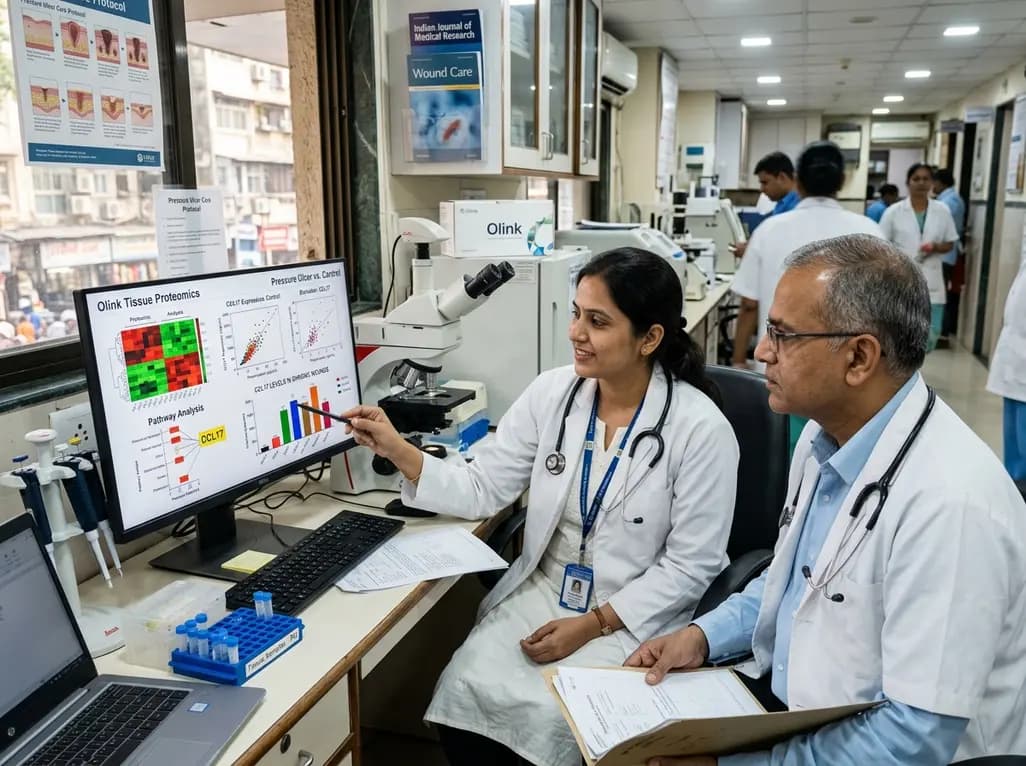
Pressure ulcers present persistent clinical hurdles across inpatient wards and long-term care facilities globally. These complex chronic wounds typically result from prolonged pressure, shear force, and severe ischemic tissue damage. While standard staging systems guide bedside interventions, clinicians often lack precise molecular indicators to track ongoing microscopic tissue damage. Recent research into pressure ulcer biomarkers offers transformative insight into local inflammatory microenvironments and healing potential. By identifying specific inflammatory signatures, clinicians can better predict wound progression, prevent systemic complications, and optimize therapeutic outcomes. Understanding these biomolecular shifts is crucial for improving recovery in vulnerable, immobilized individuals.
Sustained mechanical loading over bony prominences triggers localized microvascular compression. Consequently, downstream ischemia deprives cutaneous and subcutaneous tissues of vital oxygen and essential nutrients. When external pressure subsides, reperfusion injury paradoxically accelerates cellular destruction by generating reactive oxygen species. In addition, persistent cellular stress activates endogenous danger signals within stressed keratinocytes and dermal fibroblasts. These damaged cells continuously release proinflammatory mediators that rapidly recruit neutrophils and circulating monocytes to the injury site.
However, chronic pressure injuries fail to transition smoothly from inflammatory phases into productive proliferative repair. Instead, prolonged leukocyte activation fuels an excessive release of degradative enzymes, including destructive matrix metalloproteinases. This hostile biochemical milieu breaks down the extracellular matrix and prevents healthy granulation tissue formation. Furthermore, localized tissue edema and impaired lymphatic drainage worsen metabolic waste accumulation within affected anatomical compartments. Clinicians frequently encounter non-healing wounds because this self-perpetuating cycle severely impairs microvascular regeneration. Moreover, underlying systemic comorbidities like diabetes mellitus and peripheral vascular disease further exacerbate cutaneous necrosis. Therefore, uncovering the precise molecular cascades governing sustained cutaneous inflammation remains essential for improving targeted clinical management.
Traditional wound diagnostics rely predominantly on subjective visual assessments and semiquantitative scoring scales. Although these physical inspections provide immediate bedside information, they cannot capture microscopic molecular perturbations occurring within deep tissues. Fortunately, high-throughput targeted proteomic platforms have revolutionized clinical translational research. The proximity extension assay developed by Olink enables highly sensitive and specific quantification of low-abundance inflammatory proteins. This advanced technology pairs oligonucleotide-labeled antibody pairs to eliminate cross-reactivity during multiplex detection.
In a landmark clinical investigation, researchers evaluated paired tissue samples from individuals suffering from pressure ulcers. Specifically, the team collected pressure ulcer specimens and matched healthy tissue controls from twenty-four patients. They subsequently deployed the Olink Target 96 Inflammation panel on sixteen paired biopsy samples to map differential protein expression patterns. Through robust bioinformatics processing, the investigative team identified sixteen candidate differentially expressed proteins under unadjusted statistical thresholds. Moreover, this targeted proteomic mapping highlighted distinct cytokines and chemokines that regulate immune cell homing and tissue remodeling. Consequently, high-resolution proteomics offers clinicians unprecedented clarity regarding the hidden biochemical drivers of recalcitrant wound pathogenesis.
Among the differentially expressed proteins, C-C motif chemokine ligand 17 emerged as an exceptionally promising candidate. Also known as thymus and activation-regulated chemokine, CCL17 plays a central role in guiding immune cell migration. Under physiological conditions, mature dendritic cells and vascular endothelial cells secrete CCL17 to recruit CCR4-expressing T helper cells. However, in non-healing pressure injuries, abnormal tissue upregulation of CCL17 signals an intense, dysregulated immune response. In addition, this pronounced elevation reflects persistent lymphocyte homing that sustains destructive microenvironmental inflammation.
Beyond CCL17, the proteomic profiling revealed fifteen other candidate inflammatory mediators displaying notable expression shifts. For example, several upstream chemokines and regulatory interleukins demonstrated pronounced dysregulation within the ulcer beds compared to healthy tissue margins. These aberrant protein levels disrupt the physiological balance required for extracellular matrix synthesis and fibroblast migration. Furthermore, excessive chemokine accumulation attracts cytotoxic effector cells that perpetually degrade newly formed tissue scaffolding. Consequently, CCL17 and its associated molecular network illuminate previously unrecognized pathological axes within chronic pressure wounds. Clinicians can leverage these distinctive pressure ulcer biomarkers to delineate active inflammatory degradation from restorative tissue regeneration.
Integrating molecular profiling into everyday clinical workflows offers tangible benefits for multidisciplinary healthcare teams. Currently, clinicians classify pressure injuries using anatomic depth staging frameworks established by international advisory panels. Although these staging systems standardize descriptive communication, they cannot reveal biological healing trajectories or cellular viability. Therefore, measuring inflammatory markers like CCL17 could provide objective stratification for vulnerable, bedridden individuals. For instance, persistently elevated tissue or exudate chemokine concentrations may signal imminent tissue deterioration before macroscopic ulceration appears.
Additionally, recognizing heightened inflammatory states directly informs bedside therapeutic decision-making. When clinicians identify severe chemokine-driven inflammation, they can tailor topical regimens to dampen local catabolism effectively. Advanced dressings, negative pressure wound therapy, and specialized protease-modulating matrices mitigate inflammatory fluid stasis and tissue degradation. Furthermore, objective biomarker profiles help surgical teams determine whether debridement has successfully eliminated biologically compromised tissue margins. By combining visual inspection with robust biochemical readouts, medical teams execute proactive rather than reactive wound care strategies. Ultimately, adopting biomarker-guided patient management will reduce complication rates, curtail prolonged inpatient stays, and significantly improve patient recovery trajectories.
The identification of CCL17 as a pivotal inflammatory mediator opens exciting avenues for therapeutic development and diagnostic innovation. Historically, pharmacological treatments for chronic pressure injuries have yielded modest clinical success. However, targeted biologics that modulate specific chemokine pathways could revolutionize future wound management. For example, local antagonists disrupting the CCL17-CCR4 signaling axis might suppress excessive leukocyte infiltration without compromising host defenses. Consequently, attenuating selective inflammatory pathways may encourage chronic ulcers to resume physiological granulation and re-epithelialization.
Moreover, translating tissue proteomics into point-of-care diagnostics represents an urgent translational priority in wound care. While surgical tissue biopsies remain invasive, non-invasive collection methods such as wound fluid aspiration or skin blotting show tremendous potential. Clinicians could readily monitor CCL17 concentrations at the bedside using rapid lateral flow or microfluidic assays. In addition, serial biomarker tracking could provide real-time feedback regarding treatment efficacy, signaling when interventions require adjustment. As precision medicine continues to advance, integrating targeted molecular biomarkers will undoubtedly reshape chronic wound protocols. Healthcare systems worldwide will benefit immensely from these cost-effective, personalized wound healing paradigms.
CCL17 serves as a key chemokine that orchestrates immune cell migration by interacting with CCR4 receptors on circulating lymphocytes. In chronic pressure injuries, significantly elevated CCL17 levels reflect persistent, maladaptive inflammation that stalls normal wound closure. Consequently, quantifying this specific mediator provides clinicians with an objective biological indicator of ongoing tissue destruction, offering superior predictive value compared to conventional visual wound evaluations alone.
The Olink proteomics platform employs proximity extension assay technology, which combines dual antibody recognition with DNA amplification. This innovative design delivers exceptional analytical specificity and high sensitivity while virtually eliminating antibody cross-reactivity. As a result, researchers can reliably detect minute, low-abundance inflammatory proteins within challenging tissue microenvironments. This deep molecular characterization allows clinicians to uncover hidden cellular mechanisms, facilitating earlier diagnosis and personalized intervention strategies for recalcitrant wounds.
Yes, identifying specific chemokines creates targeted opportunities to disrupt chronic inflammatory cycles. When researchers determine which molecules recruit destructive immune cells, pharmaceutical developers can formulate targeted topical or systemic inhibitors. For instance, blocking CCL17 signaling may halt excessive leukocyte accumulation, dampening damaging protease activity. Ultimately, integrating chemokine antagonists alongside traditional wound care protocols could help reactivate dormant healing cascades, expediting functional tissue regeneration in compromised patients.
Disclaimer: This content is for informational and educational purposes only... Refer to the latest local and national guidelines for clinical practice.
References

Read summarized clinical updates, watch expert medical content, and earn CME certifications right from your smartphone.
Open your smartphone camera to scan and install.





A tissue Olink proteomics study reveals that CCL17 is significantly elevated in pressure ulcers. Identifying candidate inflammatory proteins illuminates chronic wound pathogenesis, offering objective biomarkers for clinical staging, therapeutic monitoring, and personalized wound management strategies.
Today
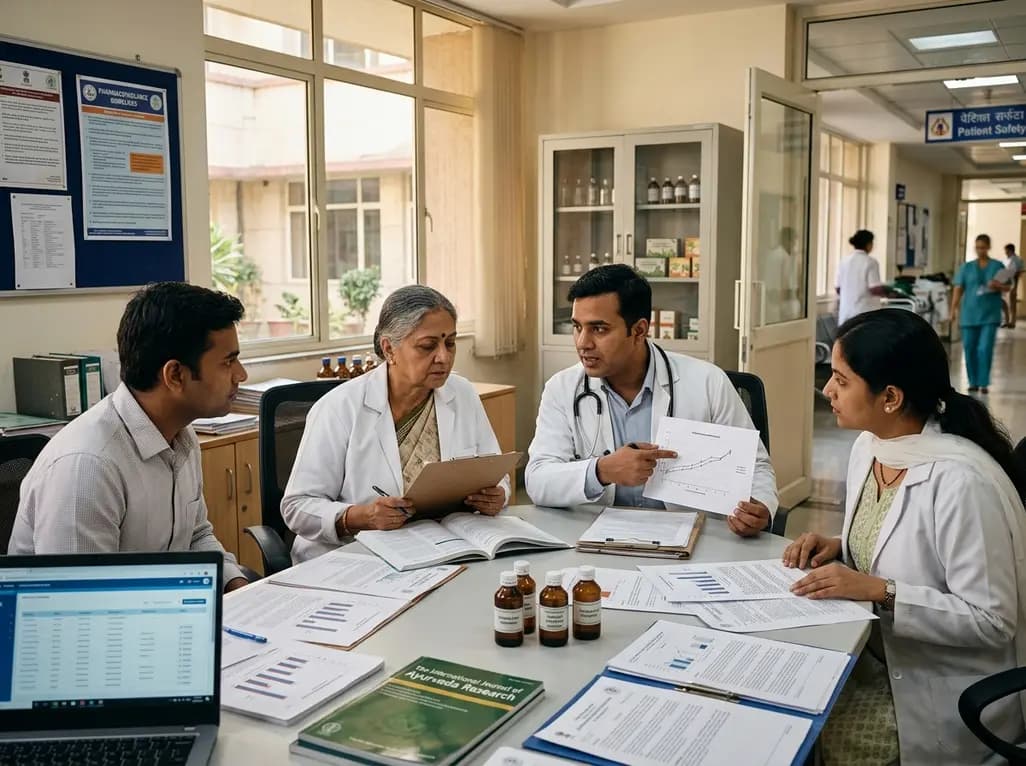
The Central Council for Research in Ayurvedic Sciences emphasizes that integrating traditional medicine with mainstream healthcare requires scientific rigor. Enhanced pharmacovigilance networks, adverse drug reaction monitoring, and validated clinical trials remain pivotal to elevating clinical credibility.
Today
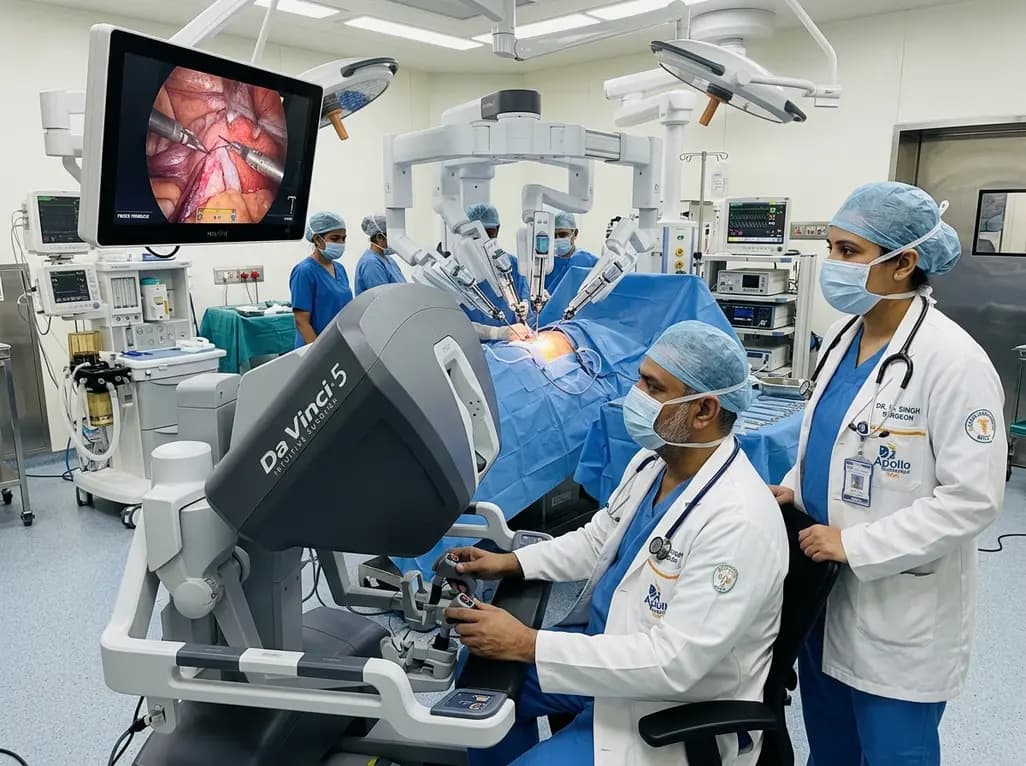
India expands its minimally invasive surgical landscape as Intuitive unveils its fifth-generation robotic platform. Equipped with real-time force feedback and immense computing performance, this innovation assists clinical specialists across urology, gynecology, and general surgery in optimizing operative care.
Today

Large-scale biobank research demonstrates that low-grade systemic inflammation quietly remodels ventricular architecture years before cardiovascular symptoms appear. Learn how emerging biomarkers like GlycA and targeted anti-inflammatory pathways could reshape preventive cardiovascular screening and clinical risk evaluation.
Today
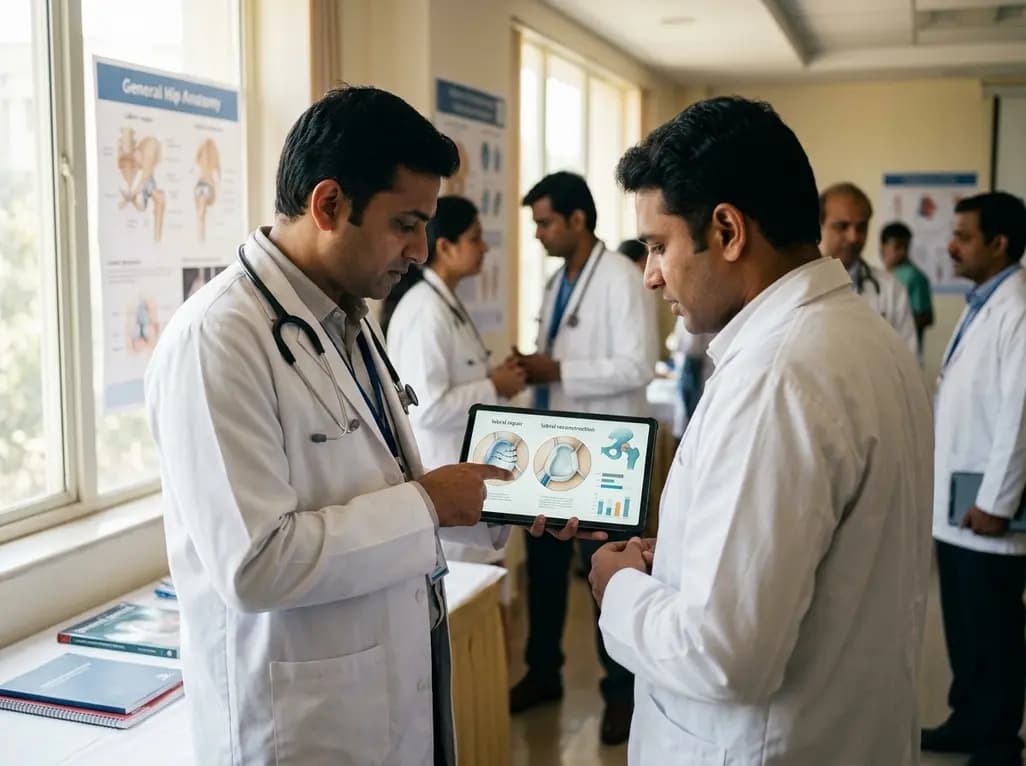
Systematic review comparing labral repair and reconstruction in primary hip arthroscopy shows comparable short- to mid-term patient-reported outcomes, with lower THA conversion after repair but superior outcomes for reconstruction in patients aged 40 and older.
Today
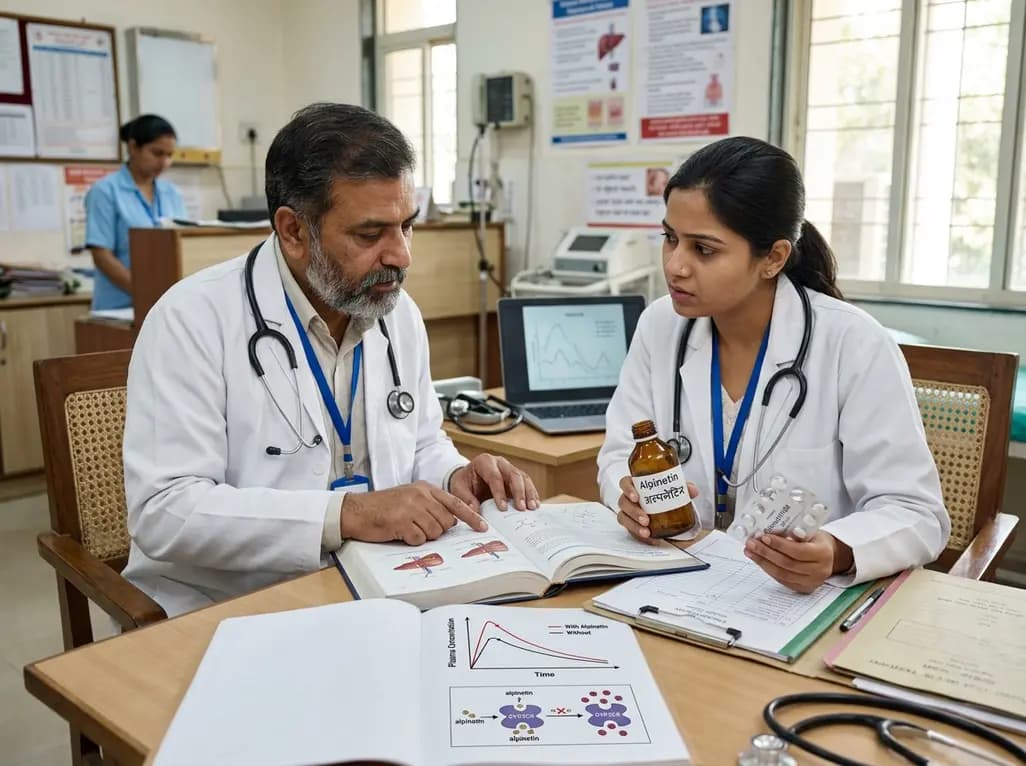
A preclinical study reveals that alpinetin significantly alters glimepiride pharmacokinetics by inhibiting CYP2C9. This drug-herb interaction enhances hypoglycemic potency and underscores critical safety concerns regarding severe hypoglycemia in diabetic management.
Today
