.webp&w=384&q=75)

Loading, please wait...
Loading, please wait...
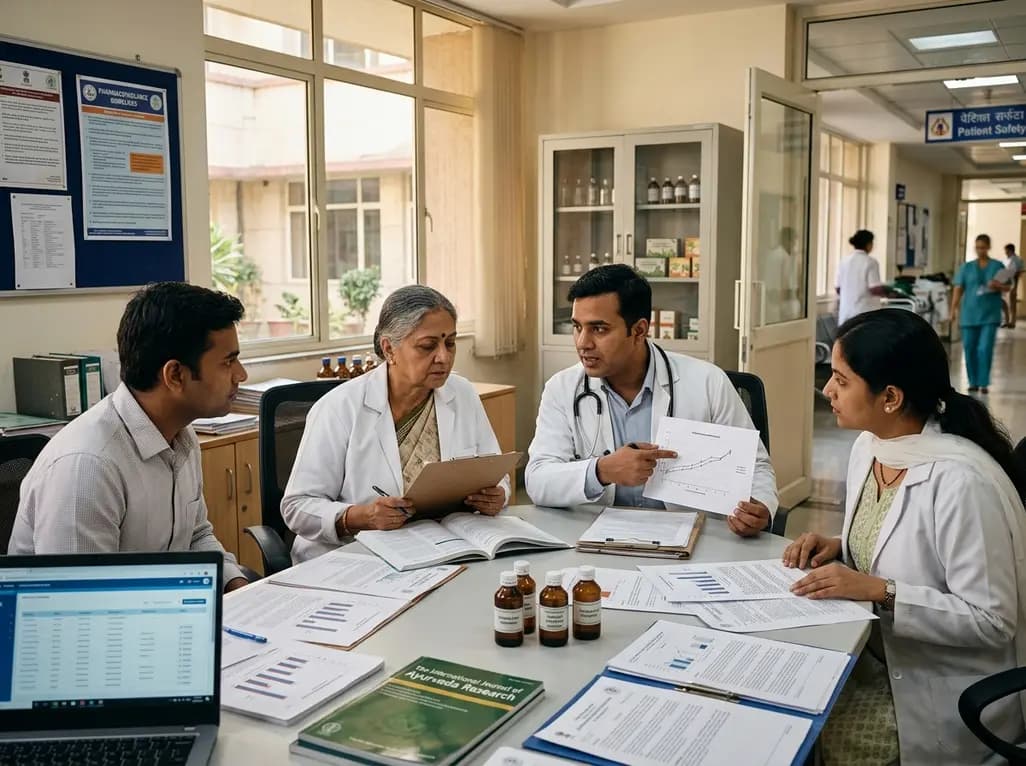
The Central Council for Research in Ayurvedic Sciences (CCRAS) recently underscored a pivotal imperative for Indian traditional medicine. Robust pharmacovigilance in Ayurveda and structured scientific validation must accompany therapeutic innovations to ensure global clinical credibility. Traditional healthcare systems enjoy immense historical acceptance across diverse populations. However, modern clinical practice demands verifiable evidence, rigorous quality benchmarks, and reproducible safety data. Healthcare providers increasingly prescribe herbal and herbo-mineral preparations alongside conventional pharmaceuticals. Consequently, clinicians must actively identify, evaluate, and report adverse drug reactions to safeguard patients. As traditional systems expand into mainstream clinical settings, rigorous surveillance protocols serve as essential foundations for sustainable market adoption and public trust.
Historical records show that safety monitoring is not an alien concept to ancient Indian medical science. In fact, classical treatises such as the Charaka Samhita systematically documented potential complications arising from improper therapeutic administration. For example, classical texts elaborate on Basti Vyapad, detailing adverse physiological events triggered by flawed enema procedures or incorrect formulations. Therefore, ancient scholars recognized that even potent therapeutic interventions could cause harm if administered indiscriminately.
Modern institutional efforts have systematically modernized these classical safety paradigms over recent decades. Pharmacovigilance in Ayurveda formally began taking institutional shape in 1996 through targeted postgraduate academic curricula. Subsequently, regulatory bodies recognized the necessity of bridging traditional observations with contemporary surveillance methodologies. The Ministry of Ayush established formal frameworks to systematically monitor adverse drug reactions and weed out misleading therapeutic claims. Furthermore, collaborative initiatives between research bodies provide standardized protocols to systematically investigate suspected adverse events. Clinicians must realize that classical texts never claimed indiscriminate safety for potent herbal compounds. Instead, ancient authorities consistently emphasized proper dosage, patient constitution, and precise preparation techniques. Consequently, revitalizing these fundamental tenets through modern pharmacovigilance enhances patient safety without compromising classical philosophy.
Non-communicable diseases (NCDs) represent an escalating healthcare crisis across India and the globe. Conditions like type 2 diabetes mellitus, cardiovascular disease, hypertension, and chronic metabolic disorders demand long-term therapeutic management. Ayurveda offers comprehensive lifestyle interventions, dietary adjustments, and polyherbal formulations that address underlying metabolic imbalances. However, contemporary physicians often hesitate to recommend traditional interventions due to inconsistent clinical trial data. To bridge this divide, researchers must generate high-grade clinical evidence through rigorous randomized controlled trials.
Recently, the National Symposium organized by the Central Ayurveda Research Institute (CARI) in Bengaluru addressed these precise therapeutic challenges. The symposium gathered leading clinicians, academic pharmacologists, and regulatory experts to establish standardized clinical pathways for chronic diseases. Moreover, participants analyzed how multi-target Ayurvedic formulations interact with metabolic pathways over extended treatment durations. Robust preclinical screening and standardized outcome measurements must validate these therapeutic claims before widespread commercialization occurs. Additionally, systematic documentation helps researchers track real-world clinical endpoints among diverse patient demographics. By establishing verifiable efficacy parameters, Ayurvedic medicine can gain legitimate recognition alongside standard allopathic treatments for lifestyle disorders. Ultimately, structured scientific research will elevate patient outcomes while curbing preventable disease progression.
Therapeutic purification procedures like Panchakarma require meticulous technical execution to prevent severe clinical complications. Procedures such as Vamana, Virechana, and Basti induce profound physiological shifts within the human body. Consequently, untrained personnel or improper pre-procedure assessments can trigger severe dehydration, electrolyte derangements, and hemodynamic instability. CCRAS has actively published safety guidelines to standardize these classical detoxification procedures across clinical centers. Standardized protocols ensure that practitioners adequately screen patients for cardiovascular risks and renal vulnerabilities before initiating therapy.
Similarly, oral pharmaceutical formulations demand rigorous chemical standardization and pharmacological validation. Interventions such as Punarnava Mandoora, widely utilized for managing chronic anemia and hepatic sluggishness, require strict quality control. In particular, herbo-mineral preparations involve intricate calcination processes known classically as Shodhana and Marana. Failure to achieve complete chemical transformation may introduce toxic heavy metal residues into commercial batches. Therefore, manufacturers must adhere strictly to Good Manufacturing Practices and validated pharmacopoeial standards. Clinicians must verify batch standardization and report any unexpected toxicities to designated pharmacovigilance centers. Furthermore, routine therapeutic drug monitoring safeguards vulnerable populations, including geriatric patients and individuals with impaired hepatic clearance. Rigorous standardization thus ensures that traditional remedies deliver reliable therapeutic benefits without unintended physiological toxicity.
Effective healthcare delivery in pluralistic societies requires constructive collaboration across diverse therapeutic disciplines. Currently, CCRAS actively collaborates with premier conventional medical institutions, including the Indian Council of Medical Research (ICMR). These joint research initiatives focus on high-priority clinical areas such as oncology, reproductive health, and geriatric care. For instance, integrative oncology protocols investigate specific Ayurvedic botanicals to alleviate chemotherapy-induced nausea and fatigue. However, successful integrative clinical practice requires mutual professional respect and shared scientific standards.
Modern allopathic physicians frequently express valid concerns regarding potential herb-drug interactions. Concomitant administration of herbal extracts with anticoagulants, hypoglycemic agents, or immunosuppressants can alter drug bioavailability and cytochrome P450 enzyme kinetics. Therefore, formal collaborative research must elucidate pharmacokinetic and pharmacodynamic interactions through rigorous laboratory and clinical studies. Academic leaders from renowned institutions like PGIMER Chandigarh have repeatedly championed this rigorous multidisciplinary scientific approach. Furthermore, independent patient safety advocates emphasize that open interprofessional dialogue directly prevents inadvertent therapeutic misadventures. When traditional practitioners and modern medical specialists share clinical data transparently, patient safety improves markedly. Ultimately, evidence-based integration fosters a comprehensive healthcare ecosystem where validated traditional therapies complement modern medical breakthroughs safely.
Underreporting of adverse drug reactions remains a formidable global challenge in herbal medicine. Many patients erroneously believe that all natural products are inherently devoid of toxic side effects. Consequently, individuals frequently omit over-the-counter herbal supplements during routine clinical history intake. Furthermore, practicing physicians often lack formal training to recognize subtle clinical presentations of herb-induced organ injury. To address this persistent gap, the National Pharmacovigilance Coordination Centre (NPvCC) operates a multi-tier surveillance network.
The central coordination hub at the All India Institute of Ayurveda collaborates closely with peripheral research institutes like CARI Bengaluru. These specialized centers actively collect, verify, and assess spontaneous adverse event reports submitted by healthcare professionals. Moreover, the surveillance network monitors misleading advertisements in mainstream and digital media to protect vulnerable consumers. Clinicians must adopt a proactive attitude toward reporting any suspected adverse reaction, regardless of perceived causality certainty. Dedicated digital platforms and mobile reporting tools now simplify the submission of suspected adverse drug reaction forms. In addition, mandatory pharmacovigilance modules in undergraduate medical curricula can empower future clinicians to document adverse events diligently. Strengthening this institutional reporting culture ensures rapid signal detection, enabling regulatory authorities to protect public health effectively.
Q1: Why is pharmacovigilance necessary for traditional Ayurvedic medicines?
Pharmacovigilance is essential because natural origin does not automatically guarantee therapeutic safety. Patients frequently consume Ayurvedic formulations concurrently with modern pharmaceuticals, creating significant risks for herb-drug interactions. Additionally, variable raw material quality, improper processing of herbo-mineral ingredients, and incorrect dosages can induce unwanted toxicities. Systematic pharmacovigilance actively tracks adverse drug reactions, generates crucial safety signals, and informs clinical practice. Consequently, robust safety surveillance protects public health and strengthens evidence-based credibility.
Q2: How can healthcare practitioners report suspected adverse drug reactions to Ayurvedic medicines?
Healthcare professionals can report suspected adverse drug reactions through the structured Ayush Pharmacovigilance Program of India network. Clinicians complete standardized adverse reaction reporting forms detailing patient demographics, suspected formulations, dosages, and observed clinical symptoms. These completed forms can be submitted directly to designated Peripheral Pharmacovigilance Centres or through the official AyushSuraksha web portal. Subsequently, regional and national expert panels review the causality of each report, establishing actionable safety advisories without assigning legal blame to the reporter.
Q3: What clinical precautions should doctors take when patients use concomitant Ayurvedic treatments?
Doctors must routinely take detailed medication histories that explicitly inquire about traditional remedies, herbal teas, and proprietary supplements. Clinicians should evaluate potential pharmacokinetic interactions, particularly when prescribing narrow therapeutic index pharmaceuticals such as warfarin, digoxin, or antiepileptic agents. Furthermore, medical practitioners must monitor organ function parameters, including baseline renal and hepatic panels, during prolonged co-administration. Transparent, non-judgmental discussions encourage patients to disclose traditional therapies candidly, facilitating safer integrative clinical decision-making and early detection of adverse reactions.
Disclaimer: This content is for informational and educational purposes only. It does not constitute medical advice or replace professional judgment. Refer to the latest local and national guidelines for clinical practice.
References

Read summarized clinical updates, watch expert medical content, and earn CME certifications right from your smartphone.
Open your smartphone camera to scan and install.





The Central Council for Research in Ayurvedic Sciences emphasizes that integrating traditional medicine with mainstream healthcare requires scientific rigor. Enhanced pharmacovigilance networks, adverse drug reaction monitoring, and validated clinical trials remain pivotal to elevating clinical credibility.
Today
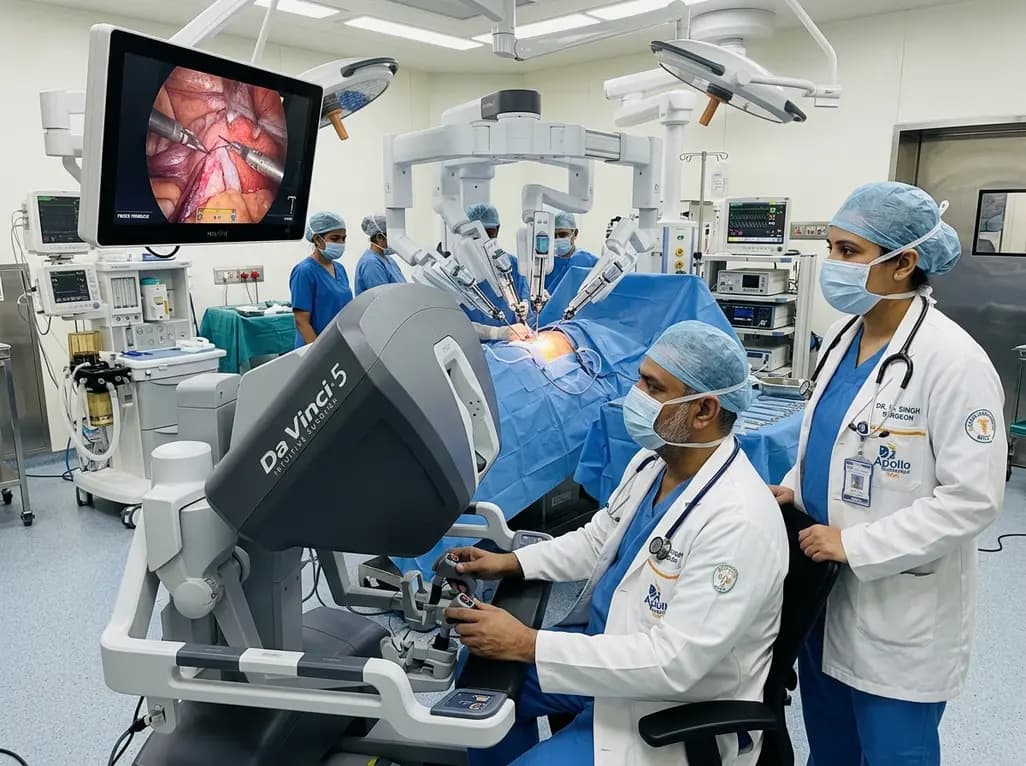
India expands its minimally invasive surgical landscape as Intuitive unveils its fifth-generation robotic platform. Equipped with real-time force feedback and immense computing performance, this innovation assists clinical specialists across urology, gynecology, and general surgery in optimizing operative care.
Today
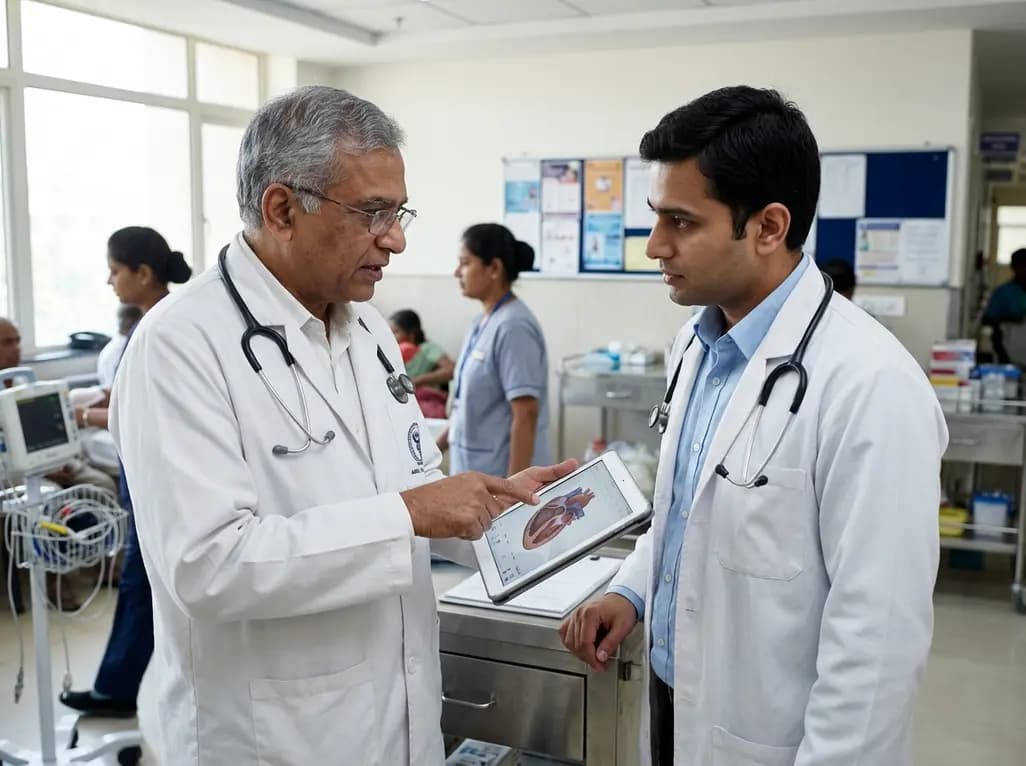
Large-scale biobank research demonstrates that low-grade systemic inflammation quietly remodels ventricular architecture years before cardiovascular symptoms appear. Learn how emerging biomarkers like GlycA and targeted anti-inflammatory pathways could reshape preventive cardiovascular screening and clinical risk evaluation.
Today
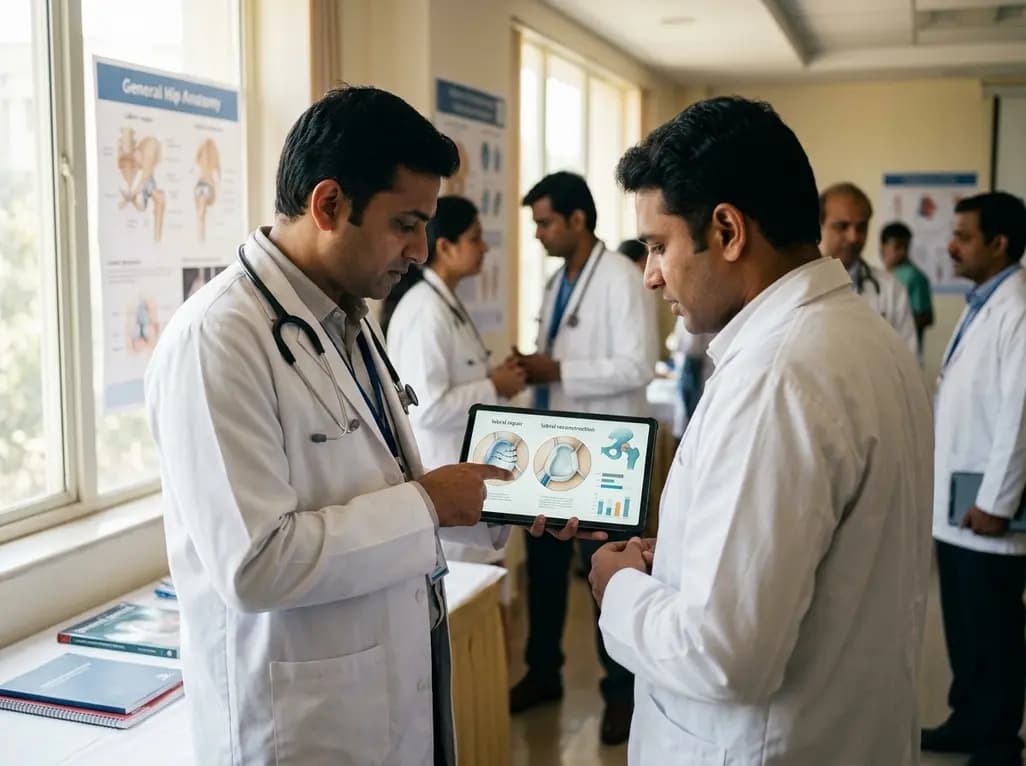
Systematic review comparing labral repair and reconstruction in primary hip arthroscopy shows comparable short- to mid-term patient-reported outcomes, with lower THA conversion after repair but superior outcomes for reconstruction in patients aged 40 and older.
Today
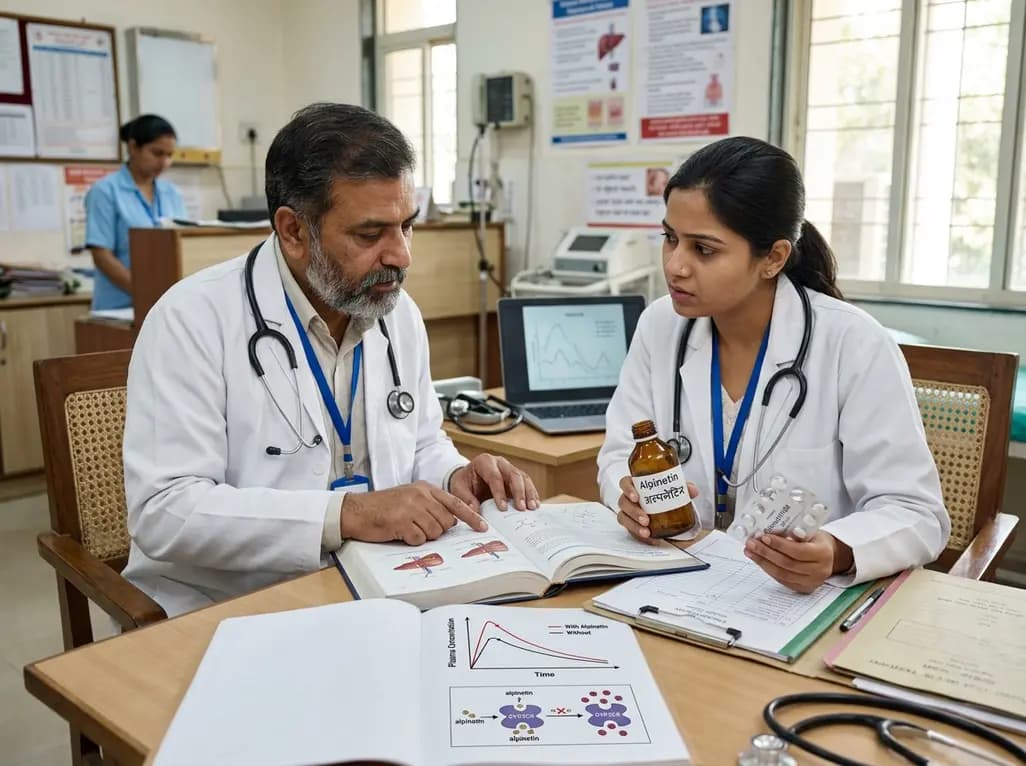
A preclinical study reveals that alpinetin significantly alters glimepiride pharmacokinetics by inhibiting CYP2C9. This drug-herb interaction enhances hypoglycemic potency and underscores critical safety concerns regarding severe hypoglycemia in diabetic management.
Today
