.webp&w=384&q=75)

Loading, please wait...
Loading, please wait...
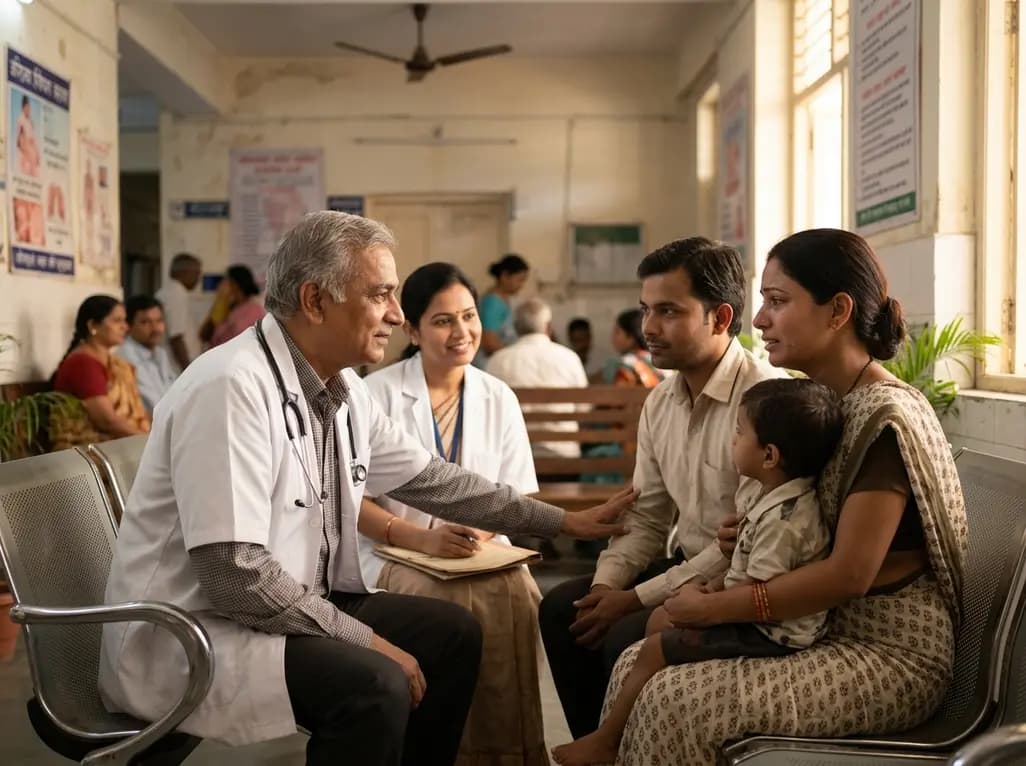
Caregiver substance use remains a critical challenge for child welfare systems and healthcare providers globally, often serving as a leading risk factor for child maltreatment. To combat these risks, the Regional Partnership Grants (RPG) program fosters deep collaboration between child welfare agencies and substance use treatment providers. This multidisciplinary approach specifically aims to stabilize families and ensure child safety. Consequently, understanding which specific service elements drive success is vital for clinicians, psychiatrists, and social workers who manage these complex cases.
A comprehensive study recently analyzed data from over 2,500 families to identify the most effective components of the RPG program. Researchers utilized linear regression models to examine how various service features influenced adult and child outcomes. Specifically, they looked at the types of services provided and the frequency of service contacts. The findings highlighted that program engagement plays a pivotal role in family recovery and stability.
The research demonstrated that service completion and a higher volume of service contacts lead to more favorable outcomes. Furthermore, the inclusion of peer recovery support specialists emerged as a highly effective intervention strategy. These specialists provide lived-experience guidance that helps caregivers navigate recovery more effectively. In contrast, the results regarding the specific types of clinical services received were mixed, suggesting that the quality and consistency of engagement might matter more than the specific modality of care.
For medical professionals in India, these findings emphasize the importance of integrated care models. When clinicians identify caregiver substance use, they should advocate for comprehensive support systems that include peer mentorship. Additionally, ensuring that families remain engaged until they complete their treatment programs is essential for long-term success. Ultimately, these structural improvements in service delivery can significantly benefit children at risk of out-of-home placement.
The RPG program aims to improve outcomes for children who are at risk of out-of-home placement due to a caregiver's substance use by fostering partnerships between welfare agencies and treatment providers.
Peer recovery support specialists offer unique insights and emotional support based on lived experience, which enhances caregiver engagement and improves overall family outcomes.
Evidence suggests that completing the full course of services and maintaining frequent contact with service providers are the strongest predictors of positive outcomes for both adults and children.
Disclaimer: This content is for informational and educational purposes only. It does not constitute medical advice or establish a doctor-patient relationship. Refer to the latest local and national guidelines for clinical practice.
References
Alamillo J et al. The Relationship Between Child Welfare Service Receipt and Adult and Child Outcomes: Evidence From the Regional Partnership Grants Program. Child Maltreat. 2026 Jun 02. doi: 10.1177/10775595261454890. PMID: 42231048.
Substance Abuse and Mental Health Services Administration. (2023). Peer Recovery Support Services. SAMHSA Publications.
Child Welfare Information Gateway. (2022). Parental Substance Use as a Child Welfare Issue. U.S. Department of Health and Human Services.
"
Read summarized clinical updates, watch expert medical content, and earn CME certifications right from your smartphone.
Open your smartphone camera to scan and install.





A study of 2,500 families explores how Regional Partnership Grant services, including peer support, improve outcomes for families affected by substance use....
4 months ago

As monsoon seasons elevate arboviral disease threats, Tamil Nadu has initiated an ICMR-monitored evaluation of the tetravalent dengue vaccine in Tenkasi district. Clinicians emphasize clinical monitoring, public prevention, and high-quality early pediatric care to reduce disease morbidity across endemic regions.
Today

A comparative cohort study evaluates vNOTES vs TLH hysterectomy for benign conditions, demonstrating shorter operative duration, faster return to daily activities, and equivalent female sexual function scores without increased dyspareunia.
Today

Review how tailored exercise programs benefit frail older patients with heart failure. Explore pathophysiological mechanisms, individualized training prescriptions, and strategies to overcome adherence barriers in clinical practice.
Today

This comparative study evaluates posterior labral tears with and without glenohumeral instability, highlighting distinct demographic patterns, MRI underestimation in stable shoulders, and successful arthroscopic repair outcomes.
Today

A clinical study demonstrates that early intervention with tocilizumab, either as monotherapy or bridged with corticosteroids, achieves significant proptosis reduction and resolves active inflammation in treatment-naive thyroid eye disease.
Today
