.webp&w=384&q=75)

Loading, please wait...
Loading, please wait...

Recent research examined if CAR T-cell infusion timing impacts success in Large B-cell Lymphoma (LBCL). Many oncologists have wondered if the human circadian rhythm influences the efficacy of cellular therapies. However, a large retrospective analysis now provides clarity on this administrative concern.
Furthermore, researchers evaluated 584 patients across six Australian medical centres. The study team specifically looked for links between the time of day a patient receives an infusion and their subsequent clinical outcome. Consequently, they adjusted the data for various clinical confounders to ensure accuracy. Although chronobiology is a significant factor in many physiological processes, the results showed no significant association with treatment success in this specific setting.
Moreover, the analysis revealed that toxicity rates and survival metrics remained stable regardless of the hour. Specifically, the risk of cytokine release syndrome or neurotoxicity did not vary by infusion time. Therefore, these findings suggest that the clinical impact of chronobiology is minimal for CAR T-cell therapy in LBCL. Similarly, clinicians can now feel more confident in scheduling these complex procedures based on hospital workflow and staff availability.
Additionally, this evidence contrasts with some smaller studies that suggested a morning benefit for other immunotherapies. In contrast, the robust Australian data indicates that the therapeutic window for CAR T-cells is remarkably stable throughout the day. Although further prospective trials might refine these insights, current evidence supports flexible scheduling. Patient outcomes depend more on product characteristics and baseline disease factors than the clock.
No, this large-scale analysis of 584 patients found no association between the time of infusion and clinical outcomes in Large B-cell Lymphoma.
Yes, the study suggests that scheduling can focus on operational efficiency because the time of administration does not significantly impact survival or safety.
While chronobiology affects many treatments, its impact on CAR T-cell therapy in LBCL appears to be minimal based on current retrospective data.
Disclaimer: This content is for informational and educational purposes only. It does not constitute professional medical advice, diagnosis, or treatment. Always seek the advice of your physician or other qualified healthcare provider with any questions you may have regarding a medical condition. Refer to the latest local and national guidelines for clinical practice.
References
Dowling MR et al. Time of infusion does not significantly impact outcomes following CAR T-cell therapy in large B-cell lymphoma. Blood. 2026 Feb 17. doi: undefined. PMID: 41701973.
Shouval R et al. Time of Day of CAR T-Cell Infusion and Outcomes in Large B-Cell Lymphoma. Blood. 2026 Jan 5. doi: 10.1182/blood.2025026435.
Litvin R, Hill BT. Long-term outcomes and late toxicities of CAR T-cell therapy in large B-cell lymphoma. Expert Opin Biol Ther. 2026 Jan 27. doi: 10.1080/14712598.2026.2621889.

Read summarized clinical updates, watch expert medical content, and earn CME certifications right from your smartphone.
Open your smartphone camera to scan and install.





A retrospective study of 584 patients shows no association between CAR T-cell infusion timing and clinical outcomes in Large B-cell Lymphoma....
8 months ago

Co-administering antiseizure medications and DOACs frequently causes pharmacokinetic interactions, subtherapeutic drug levels, and thromboembolic failures. This review highlights enzyme induction risks, unpredictable outcomes with levetiracetam, and the vital role of therapeutic drug monitoring.
Today

Demanding exhaustive hormonal profiling can inadvertently discourage clinical studies involving females. Methodological standards must align with the specific scientific question to expand, not restrict, equitable evidence for women.
Today
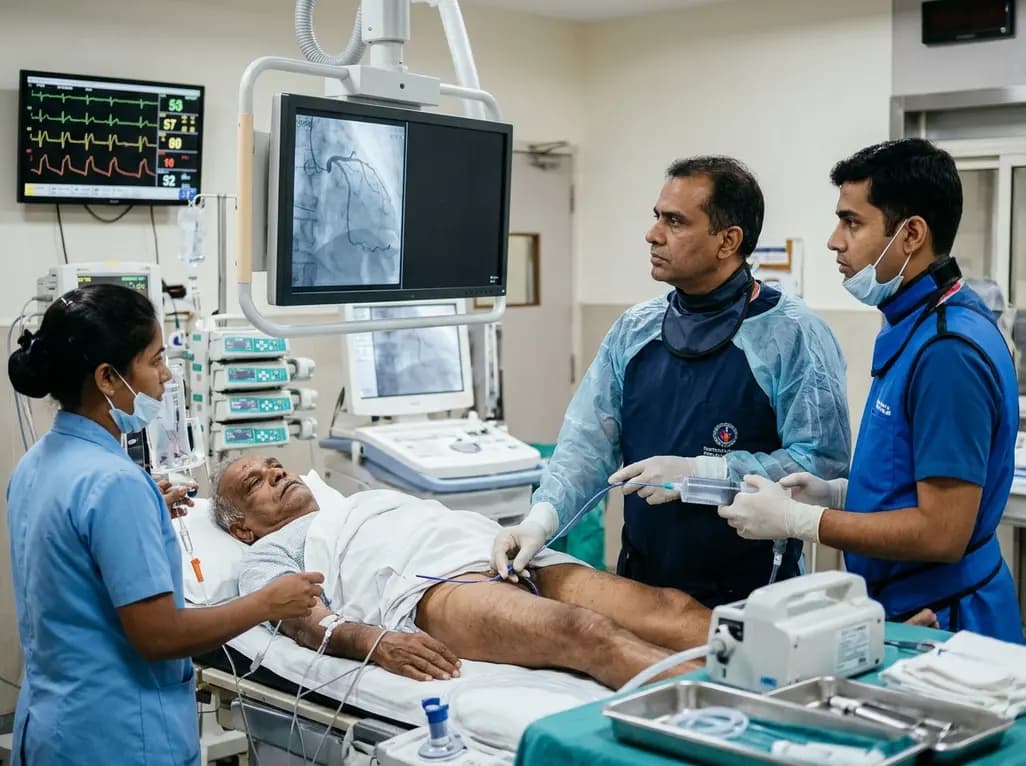
An elderly man with partially repaired Tetralogy of Fallot presented with STEMI caused by coronary embolism rather than atherosclerosis. Successful treatment with sustained mechanical aspiration thrombectomy underscores the vital need for high clinical vigilance in adult congenital heart disease.
Today
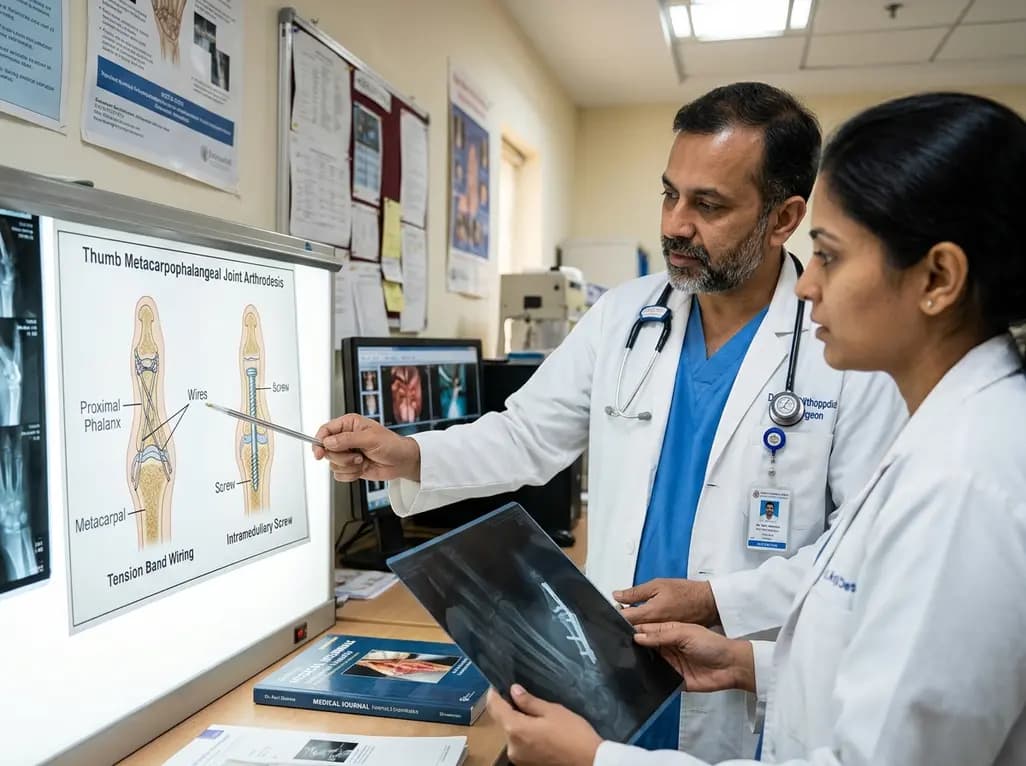
A comparative review of tension band wiring and intramedullary screw fixation in thumb metacarpophalangeal arthrodesis, evaluating union rates, hardware complications, and clinical outcomes.
Today

Following regulatory scrutiny from FSSAI regarding promotional representations and lean muscle preservation claims, Dr. Reddy's Laboratories and Nestlé Health Science are currently reviewing the branding and marketing strategy for their joint nutritional supplement Celevida GLP+.
Today
