

Loading, please wait...
Loading, please wait...

Cancer care requires vigilant physical monitoring and prompt palliative intervention to prevent intractable suffering. However, clinical teams frequently overlook disparities in cancer symptom severity progression among individuals living with serious mental illness. A seminal population-based cohort study from Ontario provides groundbreaking longitudinal evidence regarding these vulnerabilities. Specifically, investigators demonstrated that patients with pre-existing psychiatric admissions endure accelerated physical decline and poorer symptom resolution throughout their oncologic journey.
Adults diagnosed with severe psychiatric illness face profound structural inequalities within healthcare systems. Furthermore, these patients encounter systemic diagnostic overshadowing when presenting with acute somatic complaints during antineoplastic therapy. Healthcare providers frequently misattribute debilitating somatic symptoms to baseline psychiatric distress or psychotropic side effects. Consequently, clinicians often defer essential diagnostic investigations and fail to escalate supportive analgesia. In addition, psychiatric comorbidities compromise the patient's capacity to navigate complex oncology appointments and articulate bodily sensations. Therefore, unaddressed physical symptoms accumulate silently over extended intervals. This cumulative distress impairs functional independence and diminishes quality of life. The Ontario cohort illuminates these exact mechanisms across five years of follow-up. By tracking patient-reported outcomes, researchers exposed pervasive inequities in symptom trajectories. Ultimately, these disparities demonstrate that severe mental illness functions as an independent risk factor for accelerated oncologic symptom deterioration. Addressing these entrenched barriers requires oncologists to re-evaluate how healthcare services monitor vulnerable populations during routine cancer management.
To evaluate long-term symptom trajectories, researchers conducted a rigorous matched cohort study using comprehensive Ontario health administrative data. The investigation captured adult cancer patients diagnosed between 2007 and 2021. Notably, the investigators identified 6,235 patients with documented psychiatric hospitalizations. They subsequently matched these individuals in a 1:5 ratio to 31,175 oncology control patients without psychiatric illness. The analytical design employed Markov multistate modeling to evaluate disease dynamics over five years. Unlike conventional static survival assessments, multistate models capture bidirectional transitions among discrete clinical states. Specifically, the model classified patients into five distinct stages: none, mild, moderate, severe, and death. Analysts evaluated transitions across three critical domains: pain, nausea, and general physical wellbeing. Furthermore, researchers calculated transition rate ratios and 60-day transition probabilities to assess deterioration and recovery patterns. This statistical approach allowed the team to evaluate how psychiatric illness alters the pace of symptom worsening. Consequently, the study provides unparalleled clarity regarding symptom evolution in marginalized oncology populations.
The study results revealed stark disparities between the matched cohorts. Specifically, cancer patients with severe psychiatric illness exhibited accelerated symptom deterioration across all measured domains. Regarding pain, psychiatric patients showed elevated rates of progressing from absent pain to mild pain, yielding a rate ratio of 1.69. Furthermore, their transition rate from mild pain to moderate pain escalated sharply, reaching a rate ratio of 2.02 compared to controls. In addition, patients living with mental illness were far less likely to achieve clinical recovery once moderate pain emerged. For instance, at 60 days of clinical observation, patients with moderate pain exhibited an 8.4 percent lower probability of improving to mild pain. The 60-day recovery probability reached only 27.8 percent in the psychiatric group, compared to 36.2 percent among controls. Similarly, parallel deterioration trends characterized nausea and overall personal wellbeing. Psychiatric patients experienced faster progression to disabling nausea and prolonged bouts of poor wellbeing. Therefore, these quantitative metrics confirm that psychiatric comorbidity severely impairs recovery and blunts therapeutic symptom resolution during oncologic care.
An alarming observation emerged from the mortality analysis. Specifically, patients with psychiatric histories demonstrated a threefold elevation in death rates directly from a pain-free baseline state, with a rate ratio of 3.05. This phenomenon does not suggest sudden, painless death. Instead, it reflects profound gaps in symptom documentation and healthcare delivery fragmentation. Historically, oncology clinics rely on voluntary self-reporting through complex digital or paper questionnaires. However, patients with severe affective disorders or cognitive fragmentation struggle to complete these screening tools accurately. Furthermore, severe socioeconomic distress and transportation barriers disrupt regular clinic attendance. Consequently, acute clinical deterioration occurs outside hospital observation, leaving late-stage symptoms unrecorded before fatal decompensation occurs. In addition, clinicians frequently underprescribe potent analgesics due to misplaced fears of substance misuse or psychotropic drug interactions. Because oncologists lack specialized psychopharmacological guidance, they frequently withhold effective opioid titration. Thus, this apparent lack of pain before death highlights systemic diagnostic neglect rather than authentic comfort. Palliative oncology systems must actively eliminate these blind spots to prevent unmonitored suffering.
Closing this equity gap demands an immediate transition toward proactive, integrated collaborative oncology care. Oncology departments cannot continue to manage complex cancer therapies in isolation from mental health services. Instead, cancer centers must embed consultation-liaison psychiatrists and psychiatric clinical nurse specialists directly into outpatient chemotherapy units. Furthermore, cancer centers should implement specialized patient navigators to maintain consistent contact with vulnerable patients. For example, proactive outreach navigators can conduct regular telephone check-ins, identify treatment toxicities early, and coordinate transportation support. In addition, multidisciplinary teams must adopt clinician-administered symptom assessment scales rather than relying exclusively on unassisted patient self-reporting. Such proactive assessments prevent diagnostic overshadowing and detect subtle signs of physical distress promptly. Moreover, hospital pharmacists should establish clear drug-interaction protocols to guide the safe co-administration of psychotropics, antiemetics, and opioids. By aligning oncology care with specialized psychiatric expertise, healthcare systems can anticipate symptom crises before irreversible deterioration occurs. Ultimately, equitable cancer care requires institutional commitment to restructuring supportive services for individuals facing concurrent mental and physical illness.
Multiple systemic, structural, and individual factors drive rapid symptom deterioration in this vulnerable cohort. Healthcare professionals frequently misinterpret or overlook early physical complaints due to diagnostic overshadowing. Additionally, individuals diagnosed with severe psychiatric illnesses face socioeconomic marginalization and communication challenges. Consequently, these compounding barriers delay essential palliative interventions. Furthermore, psychotropic medication interactions and erratic oncology follow-ups hinder effective outpatient pain titration, leading to unmanaged symptom escalation across disease stages.
The elevated rate of death from a pain-free baseline reflects substantial underreporting and unrecorded symptom decline. Historically, clinicians routinely miss subtle physical manifestations in psychiatric populations because screening instruments rely on spontaneous patient self-reporting. Furthermore, patients with psychosis or profound affective blunting may struggle to articulate progressive distress accurately. Consequently, catastrophic medical decompensation or rapid oncologic disease advancement occurs unnoticed, culminating in death before palliative services document escalating physical agony.
Oncology teams must integrate proactive collaborative care models that link oncologists, consultation-liaison psychiatrists, and dedicated case managers. For example, proactive nurse navigators can administer frequent, simplified visual symptom scales to overcome reporting obstacles. In addition, routine multidisciplinary conferences help teams anticipate severe drug interactions between antineoplastic agents and psychotropic therapies. Therefore, embedding tailored psychiatric support directly into outpatient cancer centers ensures early symptom mitigation and bridges persistent healthcare survival disparities.
Disclaimer: This content is for informational and educational purposes only and does not constitute medical advice, diagnosis, or treatment regimens. Healthcare professionals must exercise independent clinical judgment when managing individual patients. Institutional protocols and pharmacological dosages vary across jurisdictions. Refer to the latest local and national guidelines for clinical practice.
References

Read summarized clinical updates, watch expert medical content, and earn CME certifications right from your smartphone.
Open your smartphone camera to scan and install.





A matched cohort study reveals that cancer patients with severe psychiatric illness experience accelerated symptom progression in pain, nausea, and wellbeing alongside lower recovery rates, underscoring urgent needs for tailored psycho-oncology care.
Today

Sarcoidosis presenting as dialysis-requiring acute kidney injury from granulomatous interstitial nephritis is often misdiagnosed as culture-negative tuberculosis. Accurate renal biopsy, calcium assessment, and corticosteroid therapy are essential to ensure renal recovery and prevent permanent parenchymal damage.
Today
A landmark study reveals that physiologic subtypes of gestational glucose intolerance, including insulin resistance and insulin deficiency, independently raise long-term risks of maternal prediabetes and diabetes, underscoring the urgent need for structured postpartum surveillance.
Today
A systematic review and component network meta-analysis evaluated the incremental benefits of drug classes in HFmrEF and HFpEF. SGLT-2 inhibitors and MRAs provided the most robust reductions in heart failure hospitalizations, while mortality benefits remained elusive across all investigated drug classes.
Today
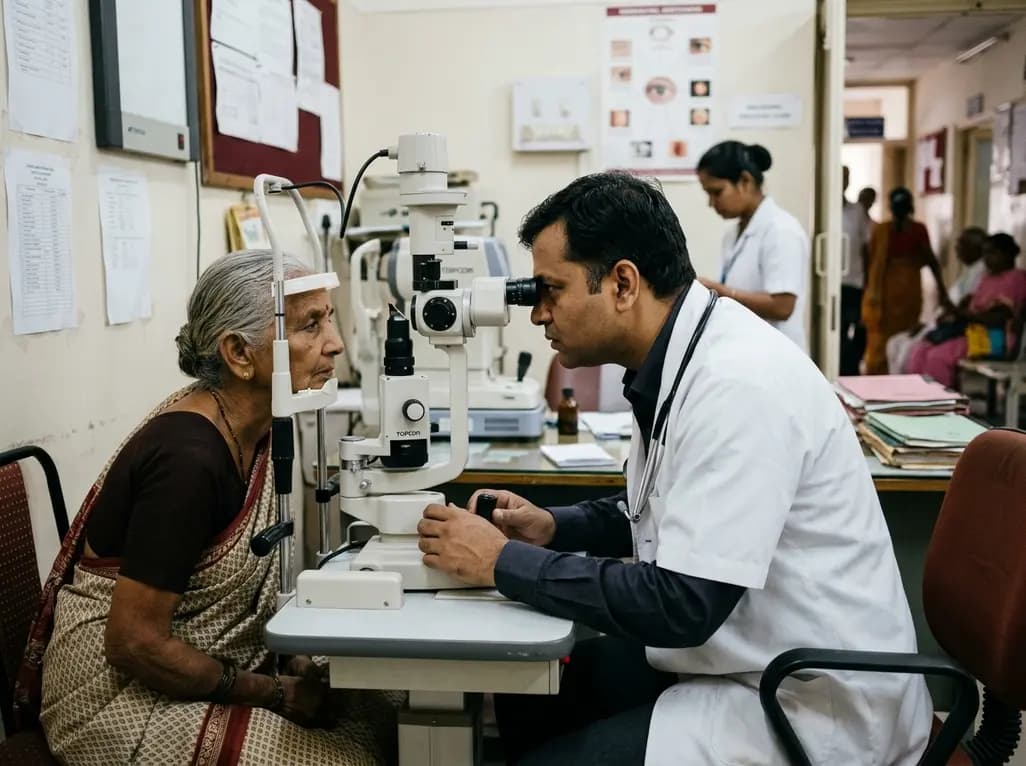
A meta-analysis of 19 studies reveals that 69% of ophthalmologists suffer from work-related musculoskeletal disorders. Slit lamps, microscopes, and high surgical loads cause severe cervical and lumbar strain, underscoring the urgent need for ergonomic workstations, micro-breaks, and institutional reforms.
Today

Mayo Clinic trials and real-world datasets show GLP-1 receptor agonists improve left ventricular remodeling, reduce intracardiac filling pressures, decrease hospitalizations by 34%, and lower geriatric fall risks in patients with obesity and heart failure, delivering notable clinical and economic benefits.
Today
