.webp&w=384&q=75)

Loading, please wait...
Loading, please wait...

Cancer-related fatigue GI cancer represents one of the most pervasive and debilitating symptoms experienced by survivors today. Unlike the typical exhaustion associated with physical exertion or a lack of sleep, this specific type of fatigue is persistent and subjective. It often remains entirely unrelieved by rest, creating a significant barrier to a patient's functional recovery. For those navigating the aftermath of non-metastatic gastrointestinal malignancies, the burden is particularly heavy. Recent clinical observations suggest that while the primary tumor may be surgically removed or treated with adjuvant therapies, the systemic impact lingers. Consequently, healthcare providers must recognize that fatigue is not merely a transient side effect of chemotherapy or radiation. Instead, it is a complex, multi-dimensional syndrome that can persist for years post-treatment. Furthermore, the subjective nature of this exhaustion often leads to under-reporting by patients and under-recognition by clinicians. By establishing a clear understanding of the physiological and psychological underpinnings of this condition, medical professionals can better identify those at the highest risk. Addressing this symptom early in the survivorship phase is paramount for restoring the overall quality of life and ensuring successful long-term recovery.
Quantitative assessments of survivorship reveal a startling prevalence of significant fatigue among gastrointestinal cancer patients. In a detailed observational study, researchers found that the average fatigue score on a ten-point scale hovered around 5.63. However, the distribution of severity is perhaps more telling than the mean itself. Specifically, nearly 40% of the surveyed population reported severe fatigue, while another 34% experienced moderate symptoms. This indicates that roughly three-quarters of all survivors continue to struggle with energy levels that impede their daily lives even a year after completing treatment. Rectal cancer patients appeared to be the most frequently represented in these cohorts, followed by those with gastric and colon malignancies. These findings suggest that the site of the tumor and the subsequent surgical interventions may play a role in the long-term metabolic strain on the body. Because such a large proportion of patients face severe limitations, routine screening using validated tools like the Brief Fatigue Inventory should be integrated into every follow-up visit. Without proactive identification, these patients often suffer in silence, believing their exhaustion is an inevitable consequence of their previous diagnosis and treatment journey.
To provide targeted care, clinicians must understand the demographic and clinical variables that correlate with increased fatigue severity. Current evidence highlights a significant association between female gender and higher levels of exhaustion. Moreover, patients diagnosed with advanced disease stages, particularly Stage III, exhibit significantly higher fatigue scores compared to those in earlier stages. This likely reflects the cumulative physiological toll of more aggressive treatment regimens and the metabolic demands of a more advanced primary disease. Interestingly, educational level also appears to be a crucial predictor of symptom severity. Patients with lower levels of education often report higher fatigue, which may be linked to limited access to supportive resources, nutritional guidance, or different coping mechanisms. Additionally, employment status and marital status can influence the perceived burden of the disease. For instance, self-employed individuals or those with fewer social supports may find the financial and domestic pressures of recovery exacerbate their physical exhaustion. By identifying these high-risk subgroups early, the multidisciplinary team can allocate specialized resources, such as psychological counseling and physical therapy, to those who need them most during the critical first year of survivorship.
The management of cancer-related fatigue GI cancer requires a shift away from the traditional recommendation of complete rest. Modern guidelines from major oncology societies emphasize that physical activity is actually the most effective intervention for reducing fatigue levels. Low-to-moderate intensity aerobic exercise and resistance training help to counteract the muscle wasting and deconditioning that often occur during treatment. Furthermore, cognitive-behavioral therapy has shown strong efficacy in addressing the psychological components of fatigue, such as anxiety and sleep disruption. Because the etiology of fatigue is multifactorial, nutritional optimization is also vital for gastrointestinal cancer survivors. Many of these patients face unique challenges with malabsorption or dietary restrictions following surgery. Consequently, collaborating with specialized dietitians can ensure that patients receive adequate caloric and micronutrient intake to support energy production. Pharmacological interventions are generally considered second-line options due to limited evidence and potential side effects. Instead, integrative approaches like mindfulness, yoga, and acupuncture are gaining recognition for their ability to improve the subjective experience of exhaustion. Implementing these strategies requires a proactive approach from the clinician, guiding the patient through a personalized recovery plan that prioritizes movement and mental well-being.
The physiological mechanisms driving persistent fatigue after gastrointestinal cancer treatment are complex and involve multiple systemic pathways. Persistent systemic inflammation is often cited as a primary driver, as treatment-induced tissue damage and the immune response to the tumor can lead to elevated cytokine levels. These pro-inflammatory markers can cross the blood-brain barrier and induce behavioral changes characterized by lethargy and malaise. Additionally, the disruption of the gut-brain axis in GI cancer patients may play a role in energy regulation. Surgical procedures like gastrectomies or colectomies significantly alter the gut microbiome and the production of metabolic precursors essential for energy. Furthermore, many survivors experience subclinical nutritional deficiencies, particularly in Vitamin B12 and iron, which directly impact red blood cell production and oxygen transport. Chronic stress and the disruption of circadian rhythms also contribute to the maintenance of the fatigue cycle. Specifically, the emotional trauma of the diagnosis combined with the physiological stress of chemotherapy can lead to dysregulation of the hypothalamic-pituitary-adrenal axis. Understanding these pathways is essential because it allows clinicians to explain to patients that their fatigue has a biological basis, rather than being purely psychological or a sign of poor motivation.
In the Indian healthcare context, managing the long-term side effects of gastrointestinal cancer requires a robust and collaborative multidisciplinary approach. Oncologists, gastroenterologists, and primary care physicians must work in tandem to monitor survivors throughout their journey. Currently, there is a recognized gap in the delivery of supportive care services, with many patients focusing solely on oncological surveillance while neglecting their functional recovery. To bridge this gap, nursing professionals and physical therapists should be empowered to lead screening initiatives and exercise programs. Moreover, integrating family members into the care plan is particularly important in India, where familial support systems are central to patient well-being. Educating caregivers about the nature of cancer-related fatigue can help reduce the pressure on patients to immediately return to their previous level of domestic or vocational activity. Furthermore, raising awareness about the availability of non-pharmacological interventions, such as tailored yoga programs, can provide culturally resonant ways to manage symptoms. Ultimately, the goal is to transform cancer care from a purely curative model to one that encompasses holistic survivorship. By prioritizing fatigue management, the Indian medical community can significantly improve the long-term outcomes for the millions of individuals surviving gastrointestinal cancers annually.
The Brief Fatigue Inventory, or BFI-10, is a validated clinical tool designed to quickly assess the severity of fatigue and its impact on a patient's daily functioning. It uses a 0 to 10 numerical rating scale to measure current fatigue levels as well as the average and worst fatigue experienced over the previous 24 hours. Consequently, it allows clinicians to identify patients requiring immediate intervention for severe symptoms during routine follow-up visits.
Research consistently indicates that patients diagnosed at more advanced stages, such as Stage III, experience significantly higher levels of fatigue compared to those with Stage I or II disease. This is often due to the increased systemic burden of the cancer itself and the necessity for more aggressive, multi-modal treatments. Specifically, the combination of extensive surgery and systemic chemotherapy can cause cumulative physiological stress that lingers long after the active treatment phase concludes.
Yes, exercise is currently considered the gold-standard non-pharmacological treatment for cancer-related fatigue. While it may seem counterintuitive to move when feeling exhausted, low-to-moderate intensity aerobic activity helps improve cardiovascular efficiency and reduces systemic inflammation. Furthermore, resistance training prevents muscle atrophy, which is a common contributor to physical weakness in GI cancer survivors. Clinicians should recommend a tailored program that gradually increases in intensity to ensure safety and improve long-term adherence.
Disclaimer: This content is for informational and educational purposes only and does not constitute professional medical advice, diagnosis, or treatment. Always seek the advice of your physician or other qualified healthcare provider with any questions you may have regarding a medical condition. Never disregard professional medical advice or delay in seeking it because of something you have read here. Refer to the latest local and national guidelines for clinical practice.
References
Soleymani S et al. Prevalence of cancer-related fatigue after treatment in patients with non-metastatic gastrointestinal cancers. Cancer Treat Res Commun. 2026 Jul 10. doi: undefined. PMID: 42430888.
Management of Fatigue in Adult Survivors of Cancer: ASCO–Society for Integrative Oncology Guideline Update. Journal of Clinical Oncology. 2024.
A study on the prevalence and predictors of Cancer-Related Fatigue in cancer patients receiving treatment. ResearchGate. 2025.

Read summarized clinical updates, watch expert medical content, and earn CME certifications right from your smartphone.
Open your smartphone camera to scan and install.





A cross-sectional study highlights that nearly 40% of gastrointestinal cancer survivors suffer from severe fatigue a year after treatment. Understanding risk factors like disease stage and gender is essential for improving long-term survivorship outcomes and implementing effective management protocols.
3 months ago
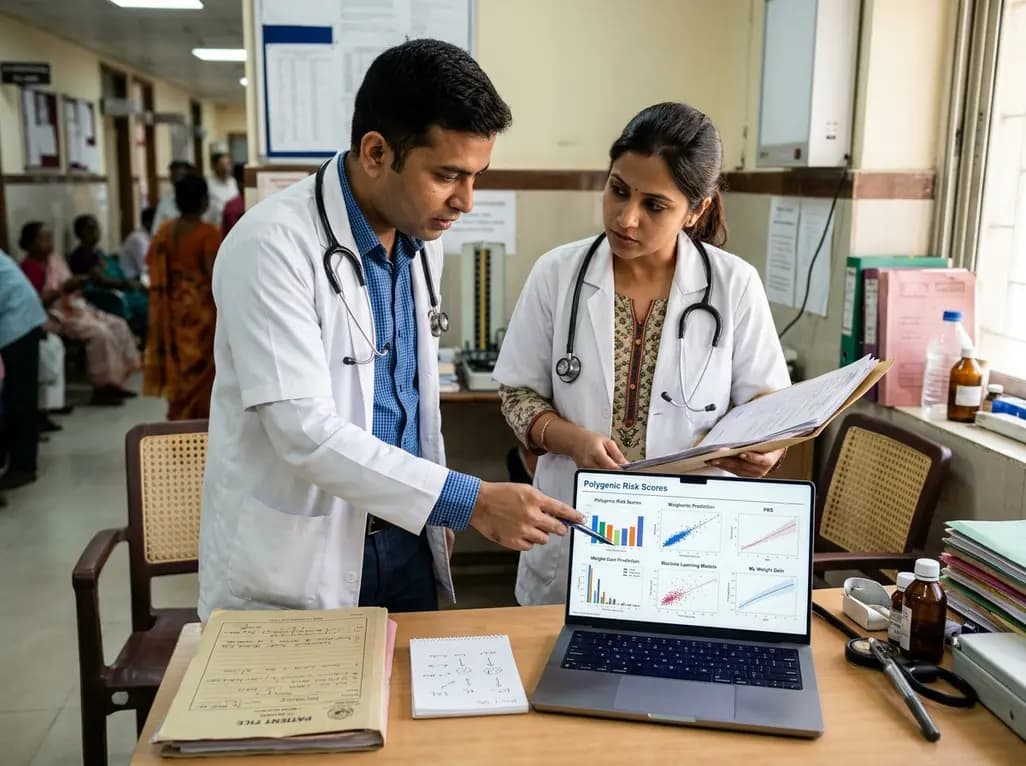
An observational study from the NIH All of Us Research Program reveals that adding a multi-ancestry polygenic risk score to machine learning models provides only modest improvements in predicting adult weight gain, underscoring the enduring significance of routine clinical and lifestyle factors.
Today
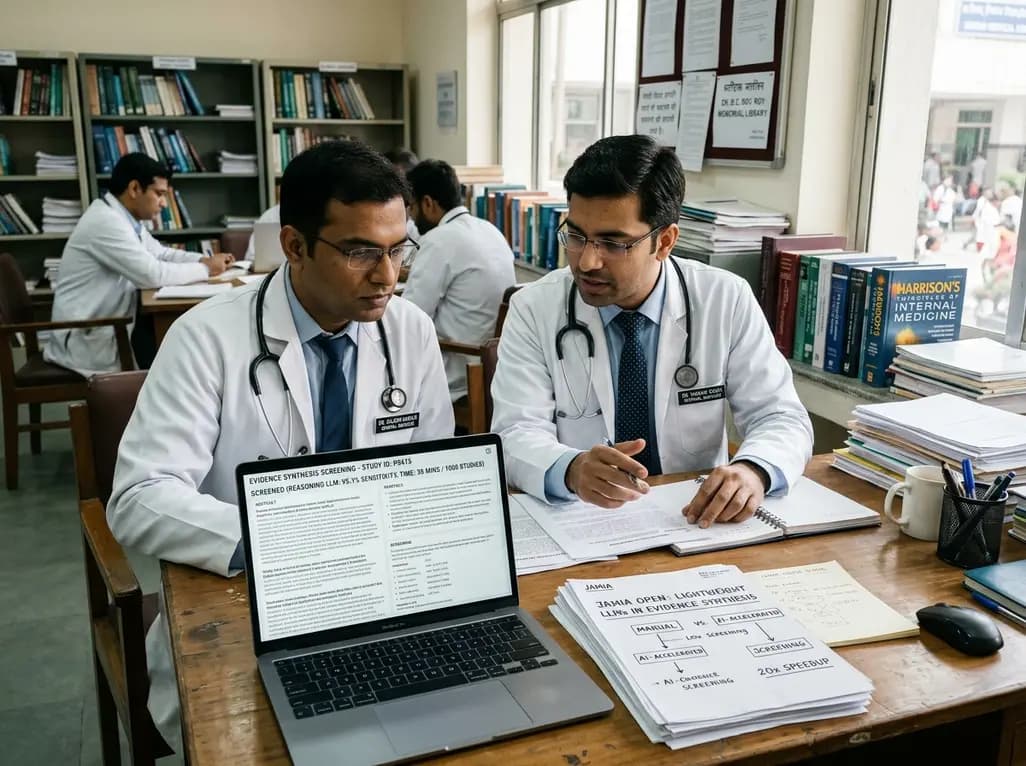
A study in JAMIA Open shows lightweight open-source reasoning LLMs achieve up to 95% sensitivity and accelerate evidence synthesis screening by nearly twentyfold, presenting a cost-effective, scalable AI solution for biomedical research and systematic reviews.
Today
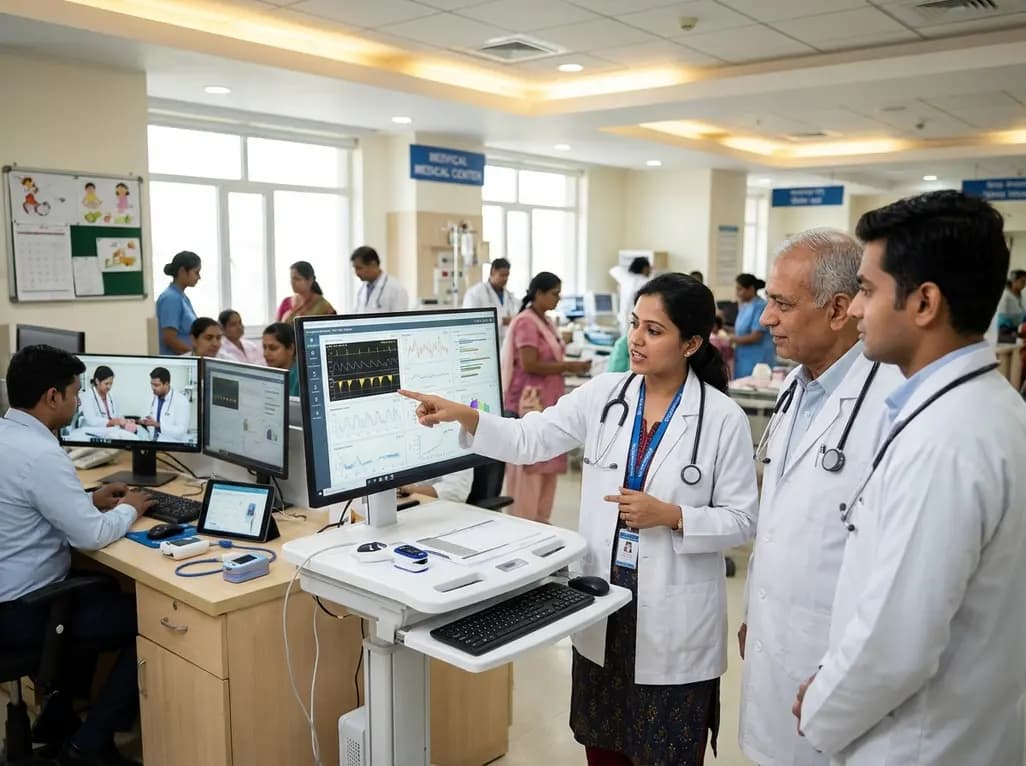
A landmark study details how an enterprise pediatric remote patient management model expanded from a single cardiology pilot to 16 diverse specialty programs by combining centralized digital operations with specialty clinical leadership.
Today
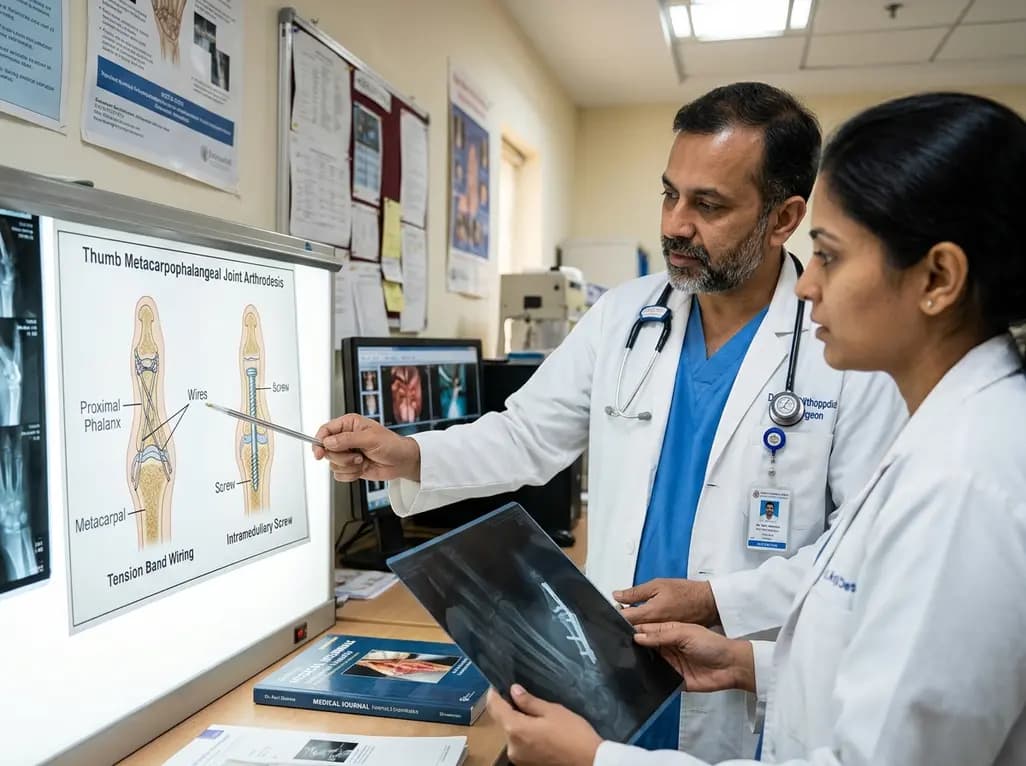
A comparative review of tension band wiring and intramedullary screw fixation in thumb metacarpophalangeal arthrodesis, evaluating union rates, hardware complications, and clinical outcomes.
Yesterday
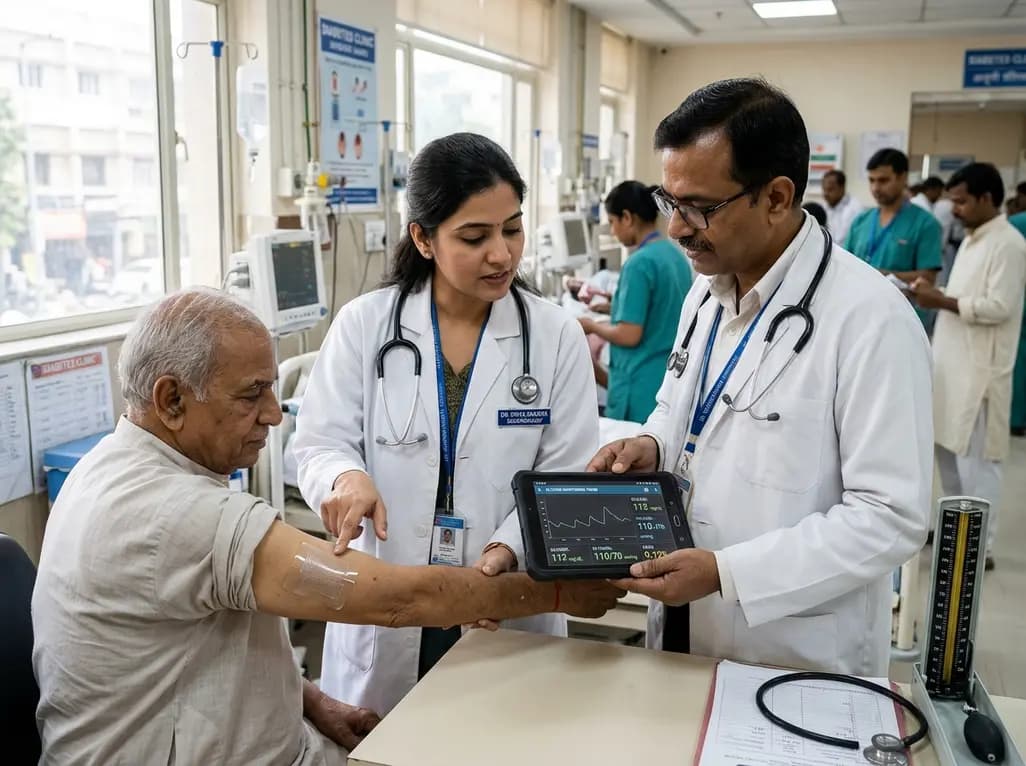
A breakthrough ultrathin multimodal sensor decouples physical hemodynamic monitoring from disposable electrochemical calibration, achieving long-term wearable glucose prediction with 81.36% accuracy and a 9.12% MARD. This offers a robust, drift-free solution for outpatient metabolic surveillance.
Yesterday
