.webp&w=384&q=75)

Loading, please wait...
Loading, please wait...

Malnutrition, frailty, and sarcopenia frequently coexist in cancer patients, significantly complicating clinical management. These conditions are closely linked, yet the specific role of cancer nutrition impact symptoms (NIS) has remained largely unquantified in large populations. Recent evidence from a massive cross-sectional analysis highlights that weight loss and low muscle mass are the defining features shared among these three conditions. Furthermore, recognizing specific symptom clusters can help clinicians predict which patients are at the highest risk for functional decline.
A study involving over 28,000 hospitalized adults found a staggering prevalence of nutritional issues. Specifically, 56.4% of patients faced malnutrition, while 37.7% and 16.9% suffered from frailty and sarcopenia, respectively. Researchers identified five distinct clusters of cancer nutrition impact symptoms, ranking them by severity to help prioritize care. For instance, patients in the most severe multi-symptom cluster faced a nearly fourfold increase in malnutrition risk and a sixfold increase in frailty risk. Consequently, managing these symptoms is not just about comfort but is vital for preventing systemic metabolic decline.
The study results suggest that gastrointestinal-dominant symptoms primarily drive malnutrition. Conversely, sensory alterations are more likely to lead to frailty. Therefore, maintaining a stable body weight and preserving muscle mass should be primary goals for oncological teams. Targeted interventions that address specific cancer nutrition impact symptoms can improve the efficiency of care. For example, clinicians should focus on high-protein intake and resistance exercises to combat muscle loss. Ultimately, identifying these symptom clusters early allows for a more personalized and proactive approach to nutritional therapy.
These symptoms include nausea, loss of appetite, taste changes, difficulty swallowing, and early satiety. They directly interfere with a patient\'s ability to maintain adequate oral intake, leading to weight and muscle loss.
By identifying clusters, such as gastrointestinal-dominant or sensory-alteration symptoms, doctors can predict whether a patient is more prone to malnutrition or frailty. This allows for targeted interventions like specialized dietary counseling or pharmacological symptom management.
Muscle mass is a shared feature in malnutrition, frailty, and sarcopenia. Preserving it helps maintain physical function, improves tolerance to chemotherapy, and reduces the risk of overall mortality in cancer patients.
Disclaimer: This content is for informational and educational purposes only and does not constitute medical advice. Always seek the advice of a physician or other qualified health provider with any questions you may have regarding a medical condition. Refer to the latest local and national guidelines for clinical practice.
References
1. Zheng X et al. Nutrition impact symptoms and the risk of malnutrition, frailty, and sarcopenia in adults with cancer: A cross-sectional latent class analysis. JPEN J Parenter Enteral Nutr. 2026 May 17. doi: 10.1002/jpen.70103. PMID: 42143564.
2. PharmaPro. Specialized Nutrition in Cancer Care India. TATA Memorial Hospital Study (2023) and ICMR projections.
3. Muscaritoli M et al. ESPEN practical guideline: Clinical Nutrition in cancer. Clin Nutr. 2021 May;40(5):2898-2913.

Read summarized clinical updates, watch expert medical content, and earn CME certifications right from your smartphone.
Open your smartphone camera to scan and install.





A large-scale study reveals how specific nutrition impact symptom clusters drive malnutrition, frailty, and sarcopenia in hospitalized cancer patients....
5 months ago
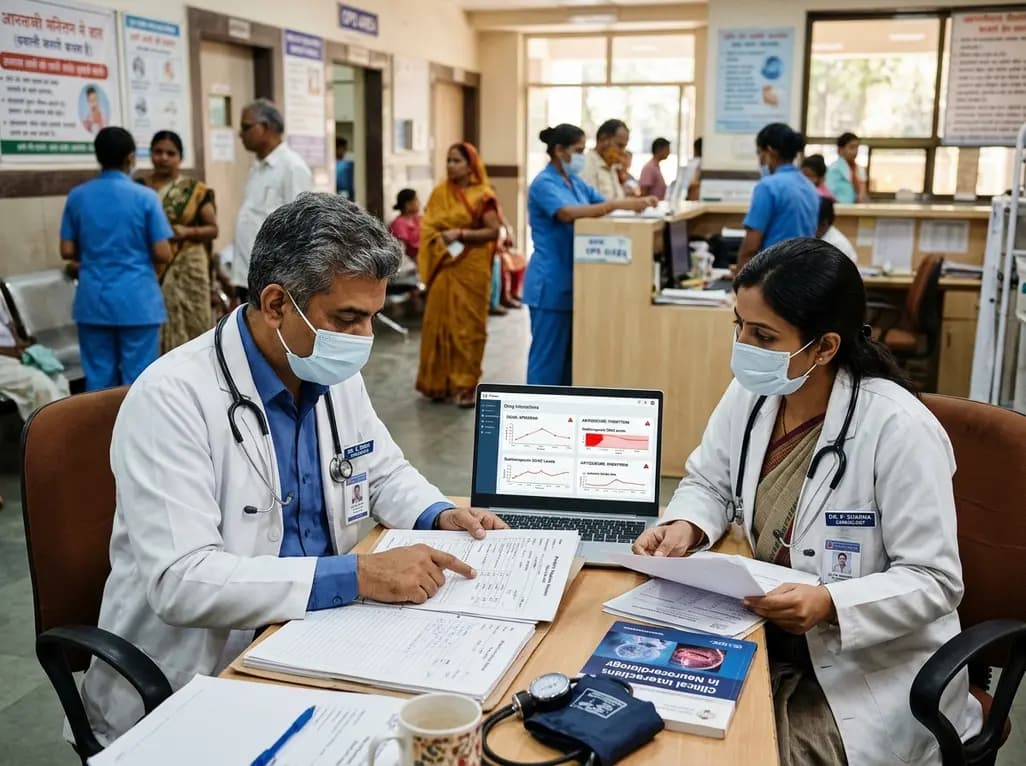
Co-administering antiseizure medications and DOACs frequently causes pharmacokinetic interactions, subtherapeutic drug levels, and thromboembolic failures. This review highlights enzyme induction risks, unpredictable outcomes with levetiracetam, and the vital role of therapeutic drug monitoring.
Today

Demanding exhaustive hormonal profiling can inadvertently discourage clinical studies involving females. Methodological standards must align with the specific scientific question to expand, not restrict, equitable evidence for women.
Today
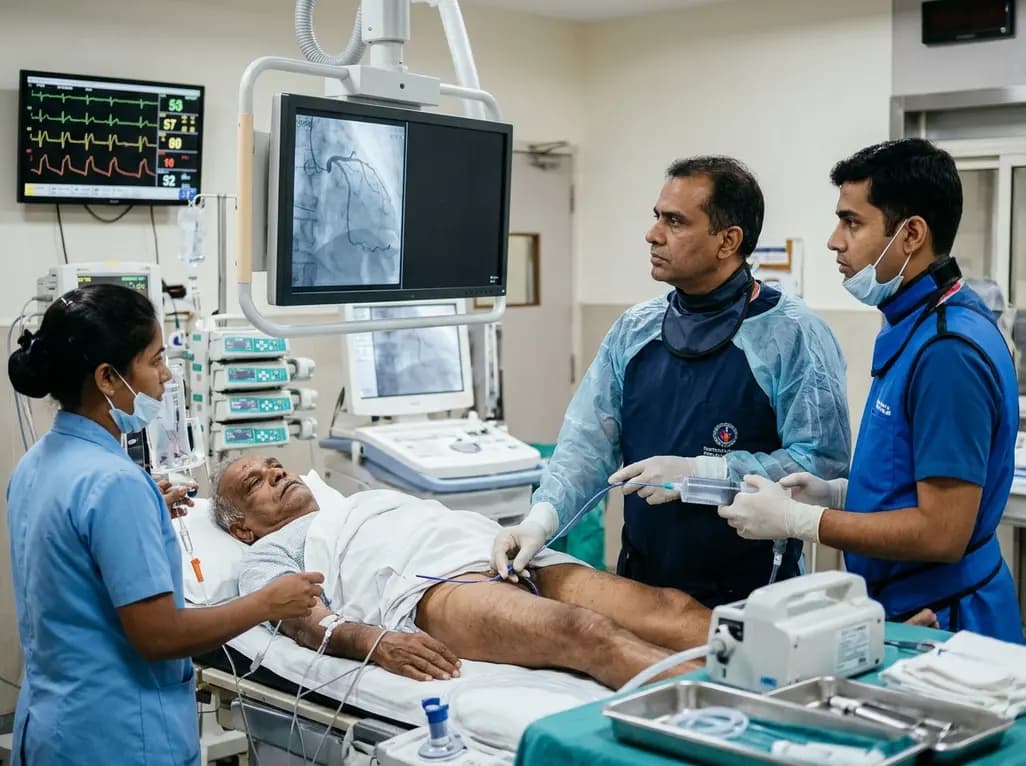
An elderly man with partially repaired Tetralogy of Fallot presented with STEMI caused by coronary embolism rather than atherosclerosis. Successful treatment with sustained mechanical aspiration thrombectomy underscores the vital need for high clinical vigilance in adult congenital heart disease.
Today

A comparative review of tension band wiring and intramedullary screw fixation in thumb metacarpophalangeal arthrodesis, evaluating union rates, hardware complications, and clinical outcomes.
Today

Following regulatory scrutiny from FSSAI regarding promotional representations and lean muscle preservation claims, Dr. Reddy's Laboratories and Nestlé Health Science are currently reviewing the branding and marketing strategy for their joint nutritional supplement Celevida GLP+.
Today
